Top 30 Animals With 5 Letters (With Pictures)
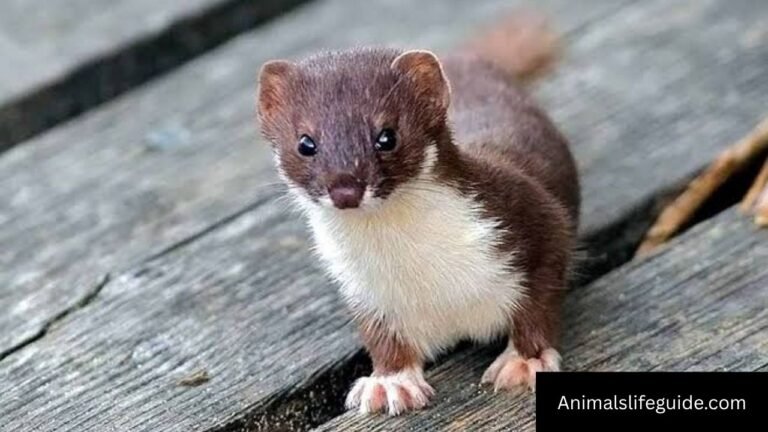
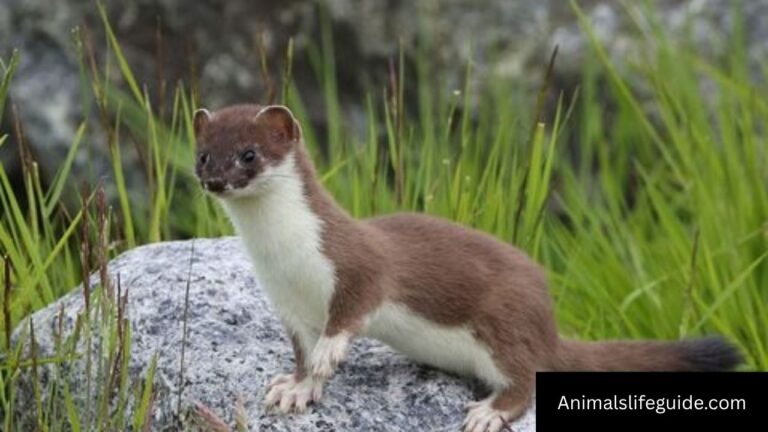
In this article, we’ll dive into the world of animals with 5 letters, showcasing some lesser-known species alongside the iconic ones. You’ll learn fun facts about these creatures and discover why their names are as diverse as their habitats. Get ready to enhance your knowledge and perhaps even impress your friends with your newfound insights!
List of Animals With 5 Letters
Below is the list of animals with five letters:
- Gecko
- Panda
- Midge
- Otter
- Coral
- Finch
- Skunk
- Porgy
- Koala
- Louse
- Betta
- Zebra
- Leech
- Guppy
- Shrew
- Platy
- Snake
- Mouse
- Krill
- Robin
- Skink
- Prawn
- Aphid
- Coati
- Tetra
- Roach
- Quail
- Lemur
- Perch
- Snail
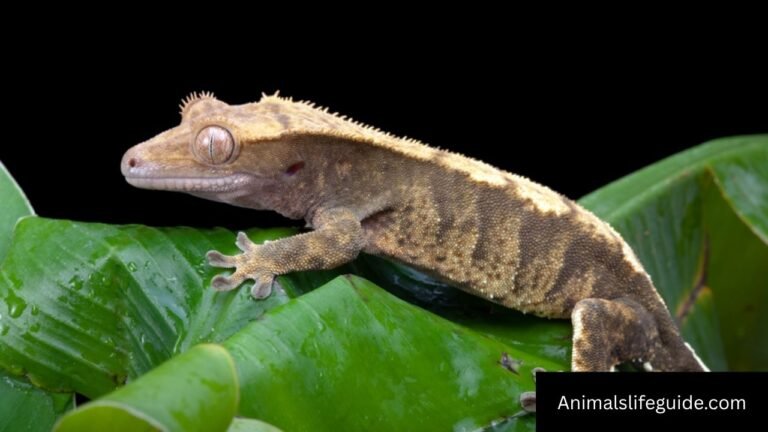
Gecko
Scientific Name: Gekkonidae spp.
Class: Reptilia
Diet: Carnivore / Insectivore
Geckos, with their vibrant hues and fascinating adaptations, are more than just charming lizards; they are remarkable survivors in diverse environments. One of their most intriguing features is their ability to climb walls — and even traverse ceilings — thanks to their specialized toe pads. These pads are covered in tiny hair-like structures called setae, which allow them to stick to surfaces using van der Waals forces. This unique adaptation not only gives them an advantage in escaping predators but also allows them to access food sources that are otherwise out of reach.
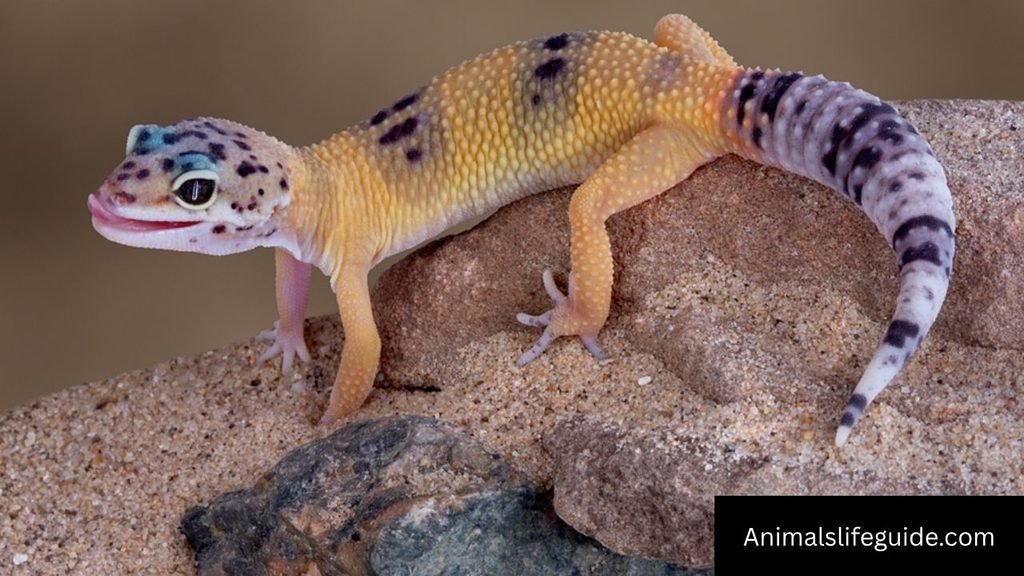
In addition to their impressive physical traits, geckos possess a remarkable communication skill set. Many species employ vocalizations, including clicks and whistles, to communicate with each other, establishing territory or attracting mates. Furthermore, their ability to change color for camouflage is not just for evading danger; it also plays a crucial role in social interactions, helping to convey mood or health status to potential rivals or partners. The world of geckos is a vibrant tapestry of behaviors and adaptations that challenge our perceptions of these often-overlooked creatures.
Panda
Scientific Name: Ailuropoda melanoleuca
Class: Mammalia
Diet: Herbivore
Pandas, often celebrated for their iconic black-and-white appearance, are intricately linked to their bamboo-centric diet, consuming up to 40 pounds of this plant daily. Surprisingly, despite their classification as carnivores, they possess a digestive system more akin to that of herbivores, resulting in inefficient processing of nutrients. This dietary quirk influences their habits, leading them to spend over 10 hours a day foraging for the energy they need to sustain their hefty bodies, which can weigh up to 350 pounds.
Beyond their seemingly leisurely lifestyle, pandas play a vital role in their ecosystem as “umbrella species.” Their need for large bamboo forests helps protect habitats, benefiting myriad other species that share their environment. Furthermore, while they are often viewed as solitary creatures, recent studies reveal that pandas have complex social structures. They engage in subtle communication methods, including vocalizations and scent markings, which unveil a more nuanced understanding of their social interactions in the wild. With their remarkable adaptability and charming demeanor, pandas continue to inspire conservation efforts worldwide, reminding us of the fragile balance in nature that we must strive to protect.
Midge
Scientific Name: Chironomidae spp.
Class: Insecta
Diet: Omnivore
Midges, often overshadowed by their larger and more notorious relatives like mosquitoes, are fascinating creatures in their own right. Comprising around 4,000 species, these tiny, bloodsucking insects play a crucial role in their ecosystems, serving as important food sources for various animals, including birds, bats, and fish. Their life cycle, which transitions from egg to larva and then to adult, can take as little as a few weeks, showcasing their adaptability to various environments, from lush wetlands to arid regions.
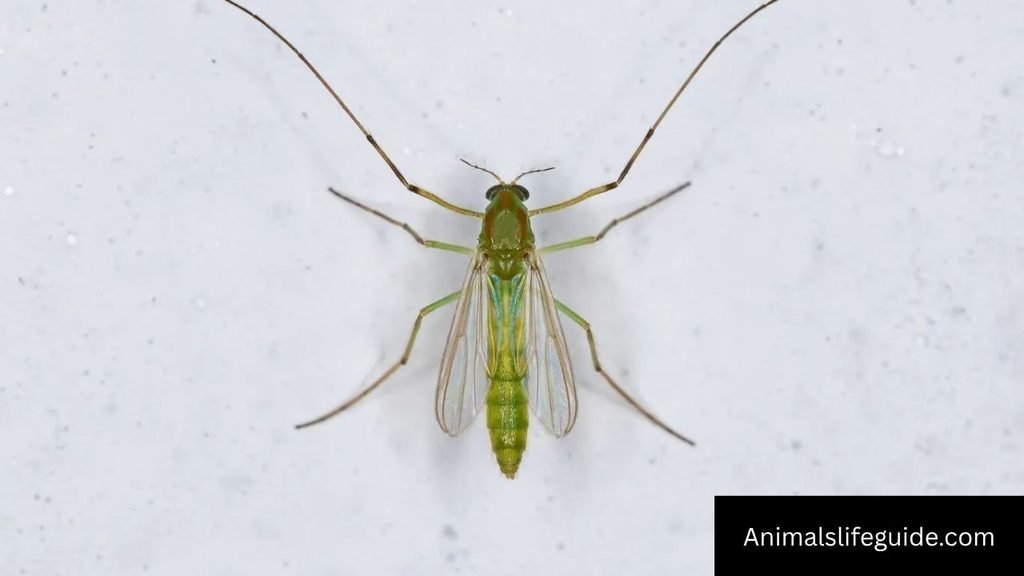
What’s particularly intriguing about midges is their ability to thrive in extreme conditions. Some species are found in frigid polar regions, while others inhabit hot springs, demonstrating remarkable resilience. Midges possess a unique reproductive strategy: males often congregate in large swarms during mating rituals, creating a mesmerizing sight against the twilight sky. While they may be seen as mere nuisances, understanding midges reveals their intricate role in biodiversity and highlights the delicate balance of nature that sustains life.
You can also read: Explore Top 30 Animals With 6 Letters.
Otter
Scientific Name: Lutrinae spp.
Class: Mammalia
Diet: Carnivore
Otters are not only adorable but also possess some intriguing traits that make them unique among the animal kingdom. These playful mammals are highly social and often seen engaging in a variety of activities, such as sliding down riverbanks or playing with pebbles in their bellies. This behavior isn’t mere play; it’s a vital part of their learning process and helps to strengthen social bonds within their groups, known as rafts.
One of the most fascinating aspects of otters is their use of tools. Sea otters, in particular, have been observed using rocks to crack open shellfish, showcasing a level of intelligence that many might not associate with such seemingly simple creatures. Their dense fur, featuring up to a million hair follicles per square inch, not only keeps them warm in cold waters but also highlights their role in maintaining healthy aquatic ecosystems. By preying on urchins and other species, otters help to preserve kelp forests, underscoring their vital role in marine environments.
Coral
Scientific Name: Anthozoa spp.
Class: Anthozoa
Diet: Carnivore
Corals are often mistaken for plants due to their vibrant colors and fixed positions, but they are actually colonies of tiny animals known as polyps. These microscopic creatures work in unison, building massive structures that form coral reefs, which are sometimes referred to as the “rainforests of the sea” for their astonishing biodiversity. Covering less than 1% of the ocean floor, coral reefs support over 25% of all marine species, making them critical to the health of marine ecosystems.
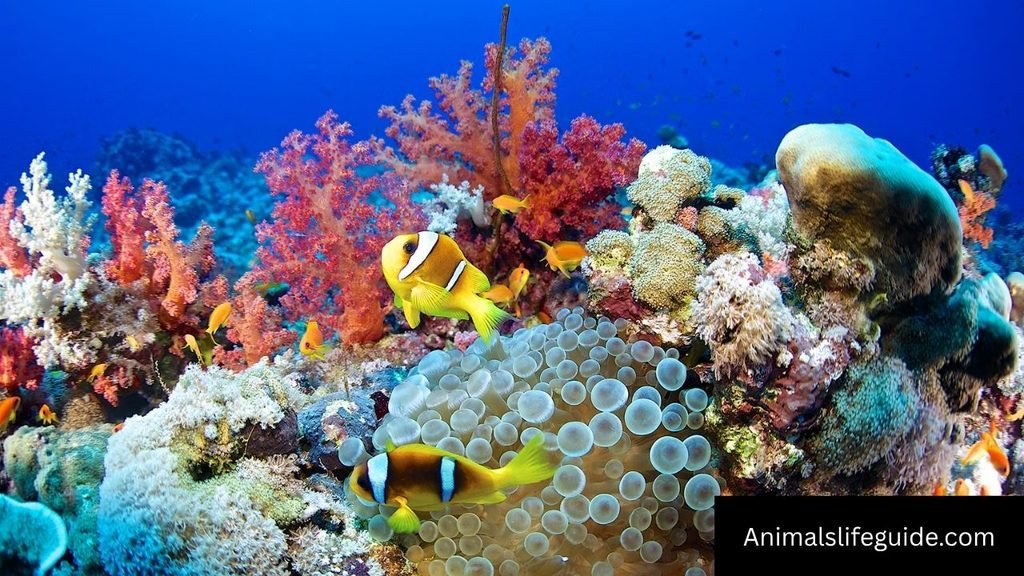
Interestingly, corals have a symbiotic relationship with zooxanthellae, tiny algae that live within their tissues. This partnership allows corals to harness sunlight for energy through photosynthesis, providing not only sustenance for themselves but also fueling one of the most diverse habitats on the planet. However, this delicate relationship is under threat due to climate change and ocean acidification, causing coral bleaching and jeopardizing the intricate ecosystems they support. Understanding these fascinating animals is crucial as we strive to protect the vibrant underwater worlds they create and maintain.
Finch
Scientific Name: Fringillidae spp.
Class: Aves
Diet: Omnivore
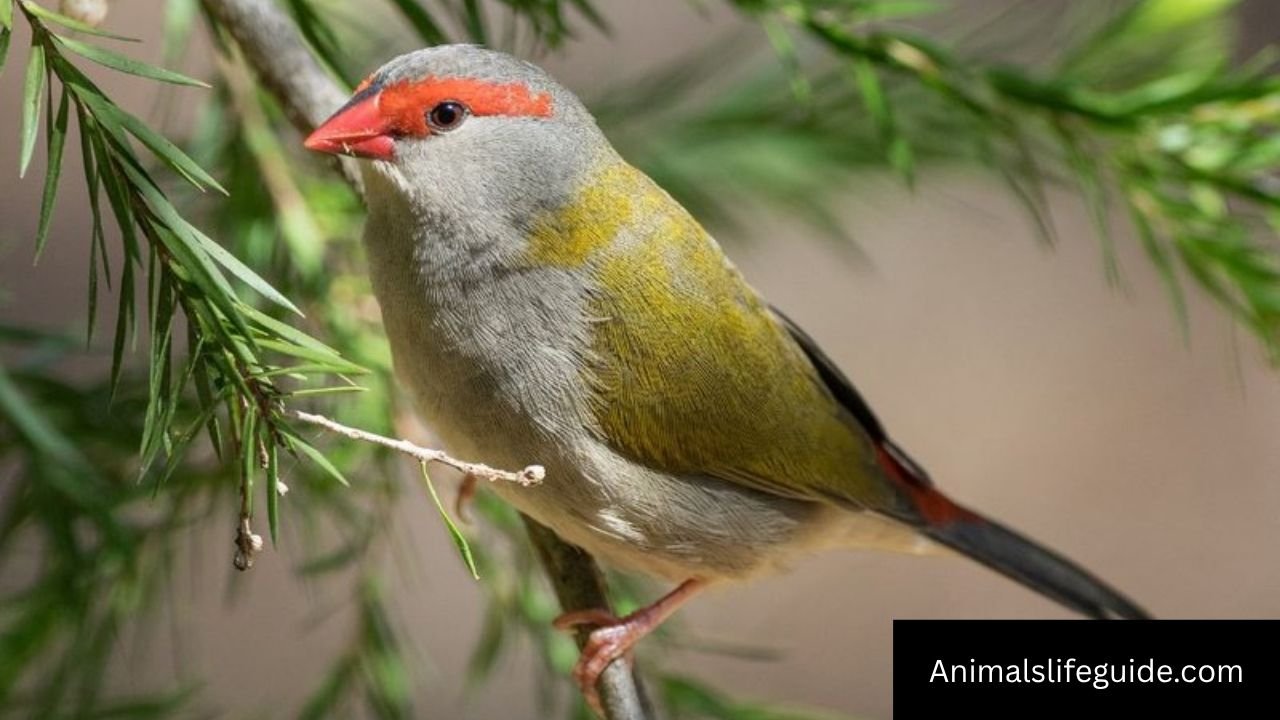
Finches, often overlooked in the avian world, are remarkable for their stunning diversity and adaptability. With over 200 species, these small birds can be found across a myriad of habitats, from deserts to lush forests. One of the most intriguing aspects of finches is their beak shapes, which vary dramatically based on their diet and environment. For example, the famous Darwin’s finches of the Galápagos Islands showcase an incredible range of beak adaptations, allowing them to exploit different food sources — from seeds to insects — demonstrating evolution in real-time.
Moreover, finches are also known for their sophisticated social structures and communication methods. They engage in complex vocalizations not just for mating calls but also to establish territory and warn of predators. Recent studies have shown that some finch species can even learn new songs from their peers, similar to how humans pick up new languages. This ability highlights the cognitive capabilities of these small birds, inviting us to reconsider their intelligence and social interactions. Observing their behavior can provide a glimpse into the intricate web of life that supports biodiversity in our ecosystems.
Skunk
Scientific Name: Mephitidae spp.
Class: Mammalia
Diet: Omnivore
Skunks are often misunderstood creatures, primarily due to their infamous defense mechanism: a potent spray of foul-smelling liquid. This odor, comprised of sulfur-containing compounds, can travel several miles and lingers long after its release. Interestingly, skunks are not inherently aggressive; they usually prefer to avoid confrontation. Their striking black and white markings serve a dual purpose: as a warning signal to potential predators and a form of camouflage in their natural habitats, which often feature contrasting light and shadow.
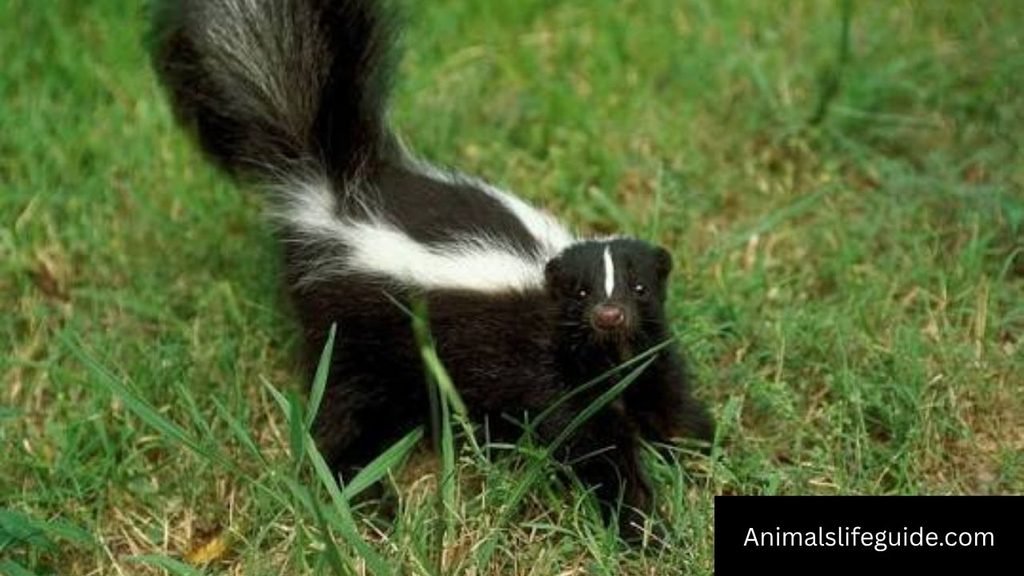
Beyond their smell, skunks exhibit fascinating social behaviors. Many species, like the striped skunk, are surprisingly playful and social, often forming family groups during the breeding season. Their diet is also diverse, comprising insects, small mammals, fruits, and even carrion, which makes them beneficial to the ecosystem by controlling pest populations. Skunks have a remarkable ability to adapt to urban environments, showcasing their intelligence and resourcefulness in finding food near human habitats. These unique traits challenge the stereotype of skunks as mere nuisances, highlighting their vital role in maintaining ecological balance.
Porgy
Scientific Name: Sparidae spp.
Class: Actinopterygii
Diet: Omnivore
The Porgy, belonging to the family Sparidae, is a fascinating fish that thrives in both coastal and deep-sea environments. Characterized by its robust, flattened body and sharp spines, it can be easily distinguished by its vibrant colors and unique markings, which often change depending on habitat and mating seasons. These adaptive traits not only make the Porgy visually captivating but also allow it to effectively camouflage against predators while hunting for crustaceans and small fish.
One of the most remarkable aspects of Porgies is their social behavior. Schools of these fish often band together, exhibiting a complex hierarchy and communication system that might surprise the casual observer. Through gestures and acoustic signals, Porgies coordinate hunting strategies, ensuring that the group successfully captures prey. This communal aspect sheds light on the intricacies of marine life and highlights the importance of social structures in survival — an often-overlooked facet of fish behavior.
Furthermore, Porgies have developed an intriguing spawning strategy known as “batch spawning.” This allows them to release eggs multiple times during a breeding season, significantly increasing their chances of reproduction and survival in an ever-changing environment. As researchers continue to study these clever fish, they reveal insights into resilience in marine ecosystems, underscoring the delicate balance of nature and the importance of sustainable fishing practices to protect such vibrant species.
Koala
Scientific Name: Phascolarctos cinereus
Class: Mammalia
Diet: Herbivore
Koalas, often mistaken for bears, are fascinating marsupials native to Australia. One of their most remarkable adaptations is their diet; they primarily feed on eucalyptus leaves, which are toxic to most other animals. Their specialized digestive system detoxifies these leaves, allowing them to thrive on a diet that is low in nutrition. This unique eating habit explains their notoriously slow-paced lifestyle, as they spend up to 20 hours a day napping to conserve energy.
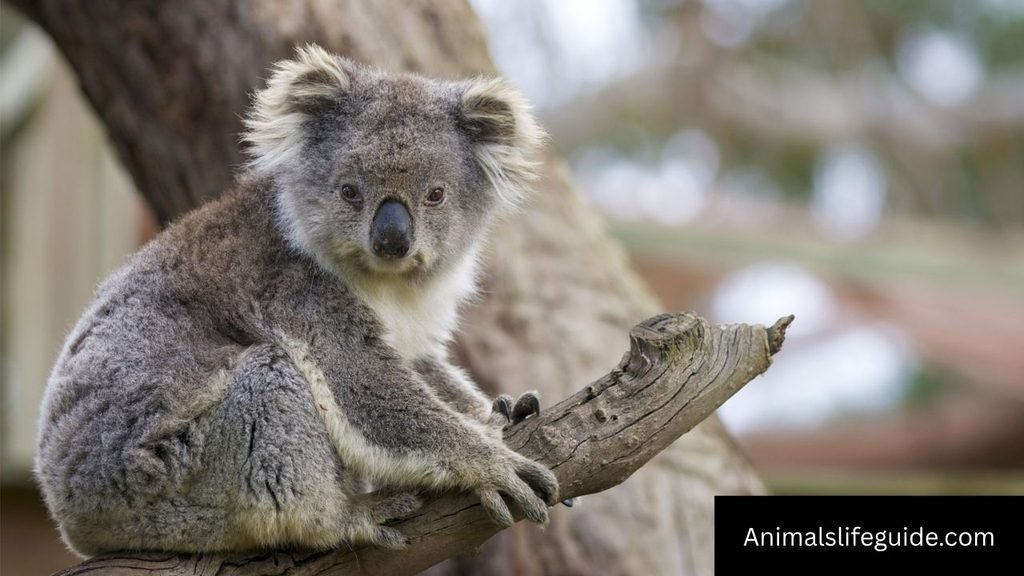
Moreover, koalas have a unique method of communication that extends beyond their signature low grunts. Males, in particular, produce resonant bellows that can be heard over considerable distances, especially during mating season. These vocalizations play a crucial role in establishing territory and attracting mates, showcasing the complexity of their social interactions. With climate change and habitat loss increasingly threatening their populations, conservation efforts are becoming vital, prompting a deeper understanding of these charming creatures and their ecological importance.
Louse
Scientific Name: Phthiraptera spp.
Class: Insecta
Diet: Parasitic
Lice are fascinating yet often misunderstood creatures that occupy a unique niche in the animal kingdom. Contrary to popular belief, these tiny insects boast a complex social structure and engaging life cycles. For instance, a female louse can lay up to 300 eggs in her short life, often glued to the base of hair shafts. This remarkable reproductive capability allows them to thrive in various environments, making them resilient parasites that can adapt remarkably quickly.
Moreover, lice have evolved specialized mouthparts designed for piercing skin and feeding on blood, which provides essential nutrients directly linked to their survival. Interestingly, their presence isn’t merely a sign of poor hygiene; rather, they have been a part of human history for thousands of years, indicating a close relationship between humans and these parasites. This coexistence showcases the intricate balance of ecosystems, where even the smallest creatures can play pivotal roles in human health and social dynamics. The study of lice can reveal not just the biology of these pests but also the broader implications of our interactions with the animal kingdom.
Betta
Scientific Name: Betta splendens
Class: Actinopterygii
Diet: Carnivore
Betta fish, known for their vibrant colors and flowing fins, are often mistaken for mere ornamental pets. However, these aquatic wonders possess complex social structures and behaviors that reveal much about their intelligence. In the wild, Betta fish establish territories and can display a range of emotions, from feisty aggression during mating rituals to calm curiosity while exploring their environment. Their ability to recognize their owners and respond to cues adds to their charm, deepening the bond between fish and keeper.
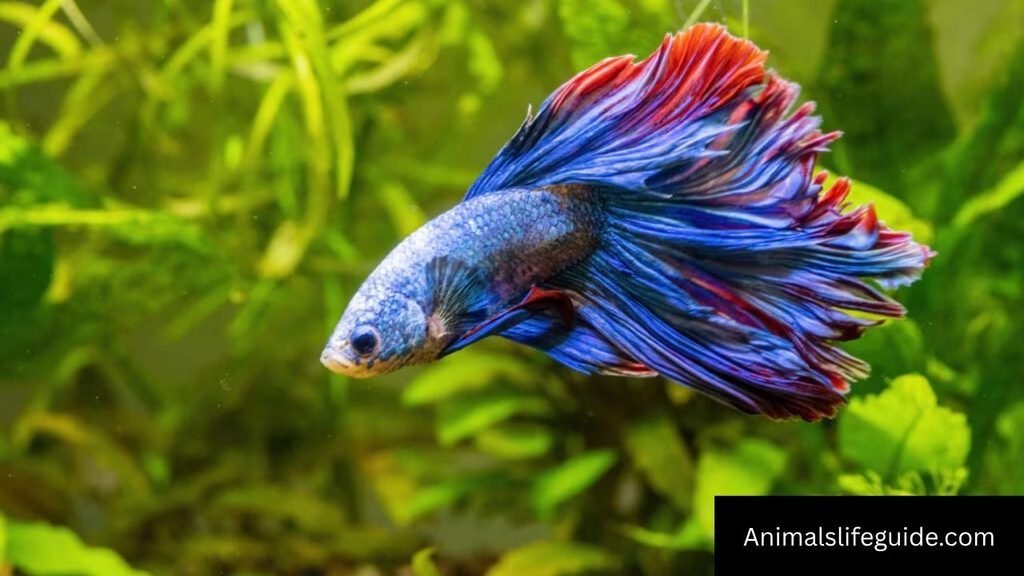
Interestingly, Betta fish are not solely solitary creatures; they exhibit a fascinating behavior known as “bubble nesting.” Males carefully construct nests from air bubbles, often utilizing a variety of materials to keep their offspring safe. This behavior highlights not only their nurturing instincts but also their adaptability in diverse habitats. Moreover, the sound-sensitive nature of Betta fish allows them to communicate through an array of body language and subtle fin movements, asserting their presence and reacting to fellow tank mates. When properly cared for, these intriguing fish can live for up to three years, showcasing the significance of understanding their needs for a flourishing coexistence.
Zebra
Class: Mammalia
Diet: Herbivore
Zebras are often celebrated for their striking black and white stripes, but these unique patterns serve a deeper purpose beyond aesthetics. Recent studies suggest that the stripes may help deter biting flies, which are known to transmit diseases. The high-contrast patterns confuse the insects, making it harder for them to land on the animals. Thus, these iconic markings may serve as a natural defense mechanism, revealing the intricate relationship between morphology and survival in the wild.
Beyond their appearance, zebras are also fascinating social creatures. They form strong bonds within their herds, often engaging in grooming behaviors that reinforce these connections. Each zebra has a distinct vocalization, enabling them to communicate effectively with one another. This social structure is crucial for their survival, as it allows them to coordinate movements and protect one another from predators. Observing these interactions provides a window into the emotional depth of animal relationships, challenging us to rethink what we know about their intelligence and social behaviors.
Leech
Scientific Name: Hirudinea spp.
Class: Clitellata
Diet: Carnivore / Parasitic
Leeches, often feared for their blood-sucking habits, possess a surprising versatility that transcends their infamous reputation. These segmented worms belong to the subclass Hirudinea and exhibit an array of ecological roles — from predators to scavengers. While many people associate leeches solely with medical interventions, such as bloodletting or aiding in reconstructive surgeries through their anticoagulant properties, they are also vital to aquatic ecosystems. They serve as important bioindicators, reflecting the health of their environments by thriving only in clean, unpolluted waters.
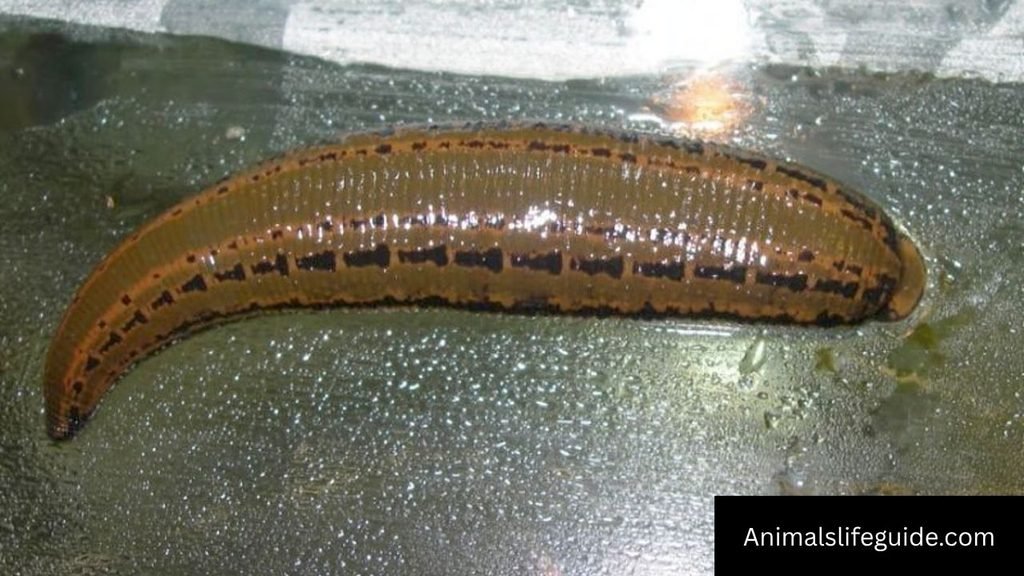
Interestingly, not all leeches draw blood; some feed on detritus and microorganisms, playing a crucial role in nutrient cycling. In tropical regions, leeches can even engage in symbiotic relationships with other species, hosting beneficial bacteria that help digest organic materials. This adaptability showcases their evolutionary brilliance as they navigate diverse habitats, from lush rainforests to tranquil lakes. As we learn more about these enigmatic creatures, we begin to appreciate the intricate balance they bring to their ecosystems, reminding us that even the most misunderstood beings can hold essential roles in the web of life.
Guppy
Scientific Name: Poecilia reticulata
Class: Actinopterygii
Diet: Omnivore
Guppies, often celebrated for their vibrant colors and playful behavior, are far more than just ornamental fish in home aquariums. These tiny swimmers are prolific breeders, with females capable of giving birth to 20 or more fry in a single month — meaning a small tank can transform into a bustling community in no time! Interestingly, guppies also exhibit remarkable adaptability to various water conditions, thriving in everything from freshwater streams to brackish environments. This resilience is partially due to their fast metabolism, allowing them to rapidly adjust to changing circumstances.
Moreover, guppies play an intriguing role in their ecosystems beyond just being charming pets. In the wild, they serve as a critical food source for predatory fish and birds, supporting a broader food web. Their ecological significance extends to controlling mosquito populations, as they consume larvae, thereby helping to mitigate the spread of diseases. With ongoing research into their genetic diversity, guppies are also pivotal in scientific studies on evolution and adaptation, revealing how small changes can lead to significant ecological impacts over time. Their vibrant lives remind us that even the smallest creatures can hold immense value in nature’s grand tapestry.
Shrew
Scientific Name: Soricidae spp.
Class: Mammalia
Diet: Carnivore / Insectivore
Shrews, often overlooked amidst more charismatic mammals, are fascinating creatures with a remarkable range of features. One striking aspect is their voracious appetite; shrews can consume up to twice their body weight in food each day. This insatiable hunger is fueled by their high metabolic rate, which is the fastest among mammals relative to body size. As a result, these tiny animals, weighing only a few grams, must constantly scavenge for insects, worms, and even small vertebrates to sustain their energy needs.
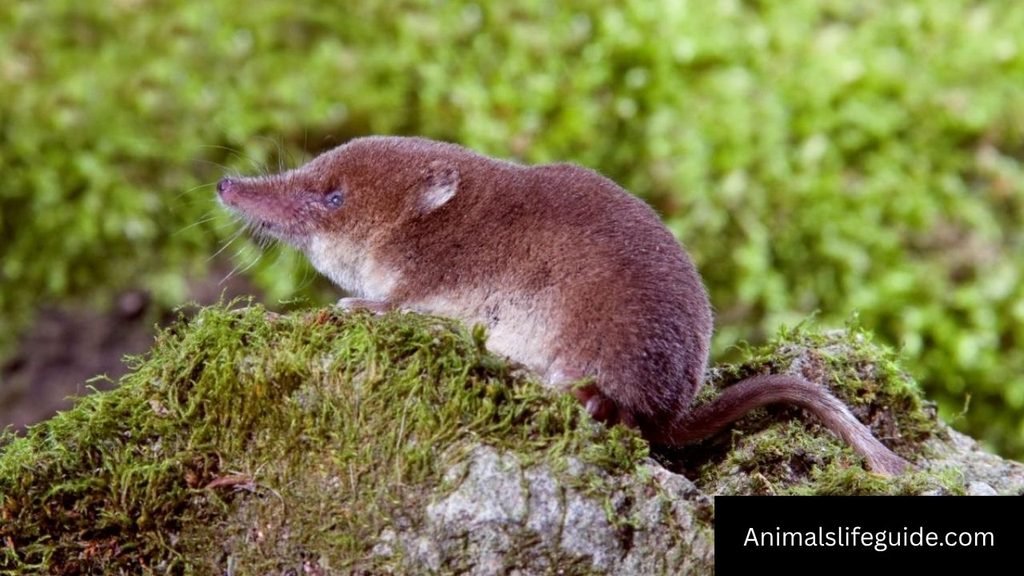
Equipped with a unique adaptation, shrews possess venomous saliva that enables them to immobilize their prey quickly. This feature distinguishes them from typical mammals and exemplifies the wonders of evolutionary adaptation. Moreover, their keen sense of smell allows them to navigate their underground habitats effectively, enhancing their survival skills in diverse ecosystems. With over 300 species worldwide, shrews remind us that even the smallest animals can be complex and play crucial roles in maintaining ecological balance. Their intriguing behaviors and adaptations invite us to appreciate the lesser-known wonders of the animal kingdom.
Platy
Scientific Name: Xiphophorus maculatus
Class: Actinopterygii
Diet: Omnivore
The platypus, a marvel of evolution, challenges our understanding of mammalian traits. With its duck-like bill and webbed feet, this peculiar creature seamlessly blends features from various animal families. Native to Australia, the platypus is one of the few monotremes — mammals that lay eggs instead of giving birth to live young — which adds an intriguing twist to its biology. This quirky animal also possesses a venomous spur on its hind legs, a surprising adaptation that elevates its status in the animal kingdom beyond mere oddity.
Moreover, the platypus has an extraordinary sensory ability. Its bill is laced with electroreceptors, allowing it to detect the electric fields generated by the movements of its prey. This exceptional skill is vital for hunting underwater, as the creature often closes its eyes, ears, and nostrils while diving. As if that weren’t enough, these fascinating animals play a crucial role in their ecosystems, helping to maintain the health of freshwater habitats through their dietary habits. The platypus stands as a vivid reminder of nature’s endless creativity and the mysteries still waiting to be unraveled.
Snake
Scientific Name: Serpentes spp.
Class: Reptilia
Diet: Carnivore
Snakes possess a remarkable and diverse array of adaptations that often surpass our common perceptions. For instance, did you know that over 70% of the world’s snake species are non-venomous? These serpents often rely on constriction or sheer stealth to hunt their prey. The speed at which some snakes can strike is also fascinating; the black mamba can strike at speeds nearing 12 miles per hour, making it one of the fastest snakes in the world. Such extraordinary capabilities highlight not only their predatory efficiency but also their evolutionary specialization in various ecosystems.
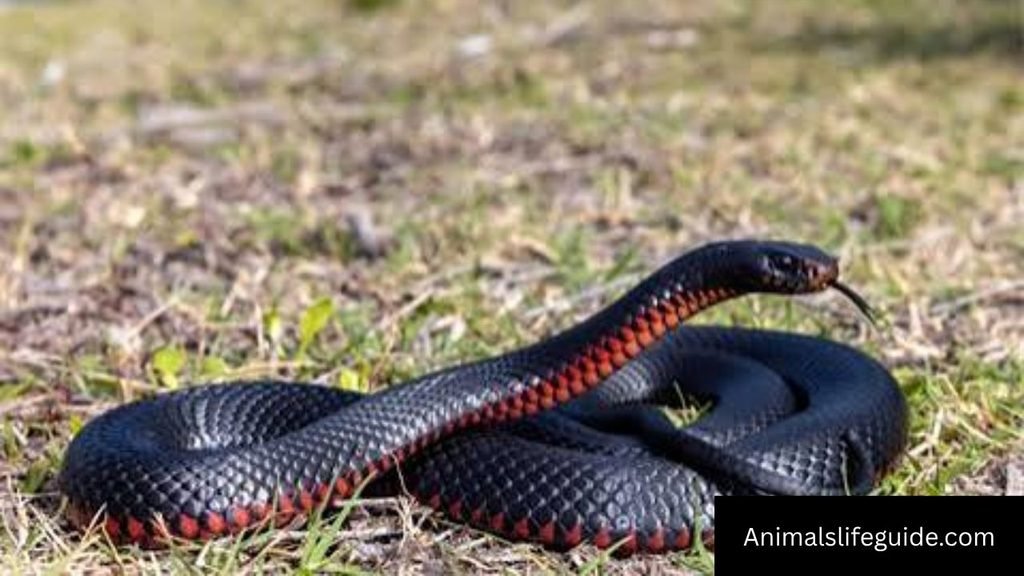
Moreover, the sensory world of snakes is equally intriguing. Unlike most animals, they use a unique organ known as the Jacobson’s organ to “taste” the air, allowing them to detect pheromones and track prey over long distances. Their ability to sense infrared heat, particularly in species like the pit viper, enables them to hunt warm-blooded animals even in complete darkness. This sophisticated blend of sensory adaptations not only underscores their survival prowess but also paints a picture of how evolutionary pressures forge unique paths in the animal kingdom. Each encounter with a snake reveals layers of complexity that challenge us to rethink our interactions with these enigmatic creatures.
Mouse
Class: Mammalia
Diet: Omnivore
Mice, often overlooked and dismissed as mere pests, are fascinating creatures with complex social structures and unique adaptations. Did you know that these tiny mammals communicate with each other using ultrasonic vocalizations? These high-pitched sounds, beyond human hearing, help them establish social hierarchies and even indicate threats to their groups. This intricate form of communication reveals a level of social intelligence that many may not attribute to such small animals.
Moreover, mice possess remarkable navigational skills. Researchers have discovered that they can create mental maps of their environment, allowing them to efficiently navigate mazes or escape from predators. This ability is linked to the function of place cells in their brains, similar to those found in humans. Beyond their impressive cognitive abilities, mice play a crucial role in ecosystems as seed dispersers, contributing to plant biodiversity. By understanding the remarkable traits of mice, we can appreciate their role not just as simple scavengers but as vital participants in the balance of nature.
Krill
Scientific Name: Euphausiacea spp.
Class: Malacostraca
Diet: Omnivore
Krill, those tiny crustaceans often overlooked in the vast ocean, play a colossal role in the marine ecosystem. These shrimp-like creatures serve as a primary food source for a multitude of marine animals, from the majestic blue whale to seabirds. Interestingly, krill possess the remarkable ability to adapt their diets based on environmental changes, primarily feeding on phytoplankton during blooms, which allows them to thrive in various conditions. This adaptability not only stabilizes their populations but also underscores their importance in nutrient recycling within the ocean.
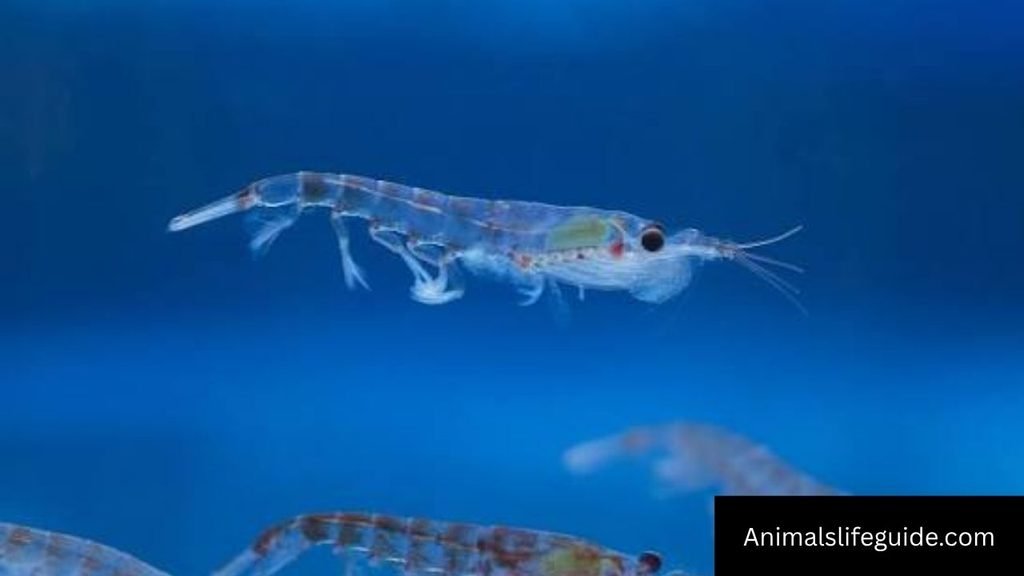
What sets krill apart is their unique reproductive strategy; a single female can produce up to 10,000 eggs at once, ensuring their survival despite heavy predation. This rapid reproduction allows krill populations to rebound quickly, sustaining the marine food web even when faced with environmental shifts or overfishing pressures. Furthermore, krill’s bioluminescent properties are fascinating; they can emit light to deter predators, showcasing yet another layer of their survival strategies. As we seek to understand oceanic health and climate change impacts, studying krill could offer critical insights into the future of marine ecosystems.
Robin
Scientific Name: Turdidae spp.
Class: Aves
Diet: Omnivore
Robins are not just a symbol of spring but are fascinating creatures with intriguing behaviors. One remarkable fact is their ability to sing in a range of melodies that can vary significantly from region to region, making each robin’s song a unique cultural expression. This adaptability in their musical repertoire reflects their social interactions and territorial claims, where a complex mix of calls can indicate everything from mating readiness to warnings about predators.
Interestingly, robins have a keen sense of collaboration when foraging for food. Studies show that they often engage in “food synchronization” with other birds in the vicinity, where they will signal each other about the presence of worms or insects. This behavior showcases a sophisticated level of communication and social cooperation that extends beyond mere survival. Furthermore, robins are also known for their impressive migratory patterns, traveling hundreds of miles between breeding and wintering grounds, which speaks volumes about their resilience and adaptability to changing environments.
Skink
Scientific Name: Scincidae spp.
Class: Reptilia
Diet: Omnivore
Skinks, often overlooked in the world of reptiles, are fascinating creatures that display a remarkable diversity, with over 1,500 species worldwide. Their sleek, elongated bodies and reduced limbs give them a unique appearance, resembling a cross between a lizard and a snake. These adaptations are perfect for navigating through their preferred habitats, typically found in warm, terrestrial environments where they can quickly slip into crevices or under leaf litter to escape predators.
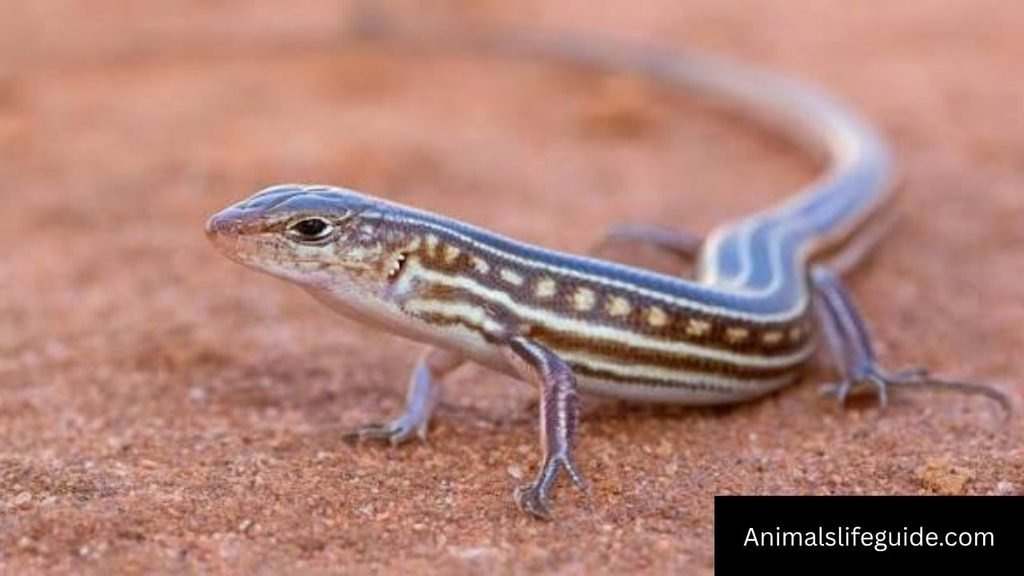
One of the most intriguing aspects of skinks is their reproductive behavior. Some species are oviparous, laying eggs, while others are viviparous, giving birth to live young — an evolutionary trait that allows them to thrive in varied environments. Skinks exhibit fascinating social structures; some species can even recognize individual members of their groups, suggesting a level of social intelligence not commonly associated with reptiles. Their special adaptations, such as their ability to lose and regenerate their tails when threatened, further emphasize their resilience and adaptability in the wild.
Prawn
Scientific Name: Decapoda spp.
Class: Malacostraca
Diet: Omnivore
Prawns are fascinating creatures that display a remarkable level of adaptability and diversity, boasting over 2,000 species. These agile swimmers are found in both freshwater and saltwater environments, thriving in everything from tranquil ponds to the bustling depths of the ocean. Interestingly, they possess a unique ability to change color, which not only helps them communicate but also aids in camouflage, allowing them to blend seamlessly into their surroundings and evade potential predators.
Moreover, prawns are just as socially complex as many land animals. They often engage in cooperative behaviors during feeding, working together to uncover food sources hidden within the substrate. It’s not just about survival; this social interaction boosts their chances of finding nutrition and enhances their overall well-being.
Aphid
Scientific Name: Aphididae spp.
Class: Insecta
Diet: Herbivore
Aphids, often seen as garden pests, possess fascinating adaptations that elevate their role in the ecosystem. These minute insects can reproduce asexually, allowing populations to explode rapidly under favorable conditions. Interestingly, some aphids can give birth to live young rather than laying eggs, meaning that a single female can lead to hundreds of offspring in a matter of days. This reproductive strategy not only ensures their survival in fluctuating environments but also allows for swift colonization of plants.
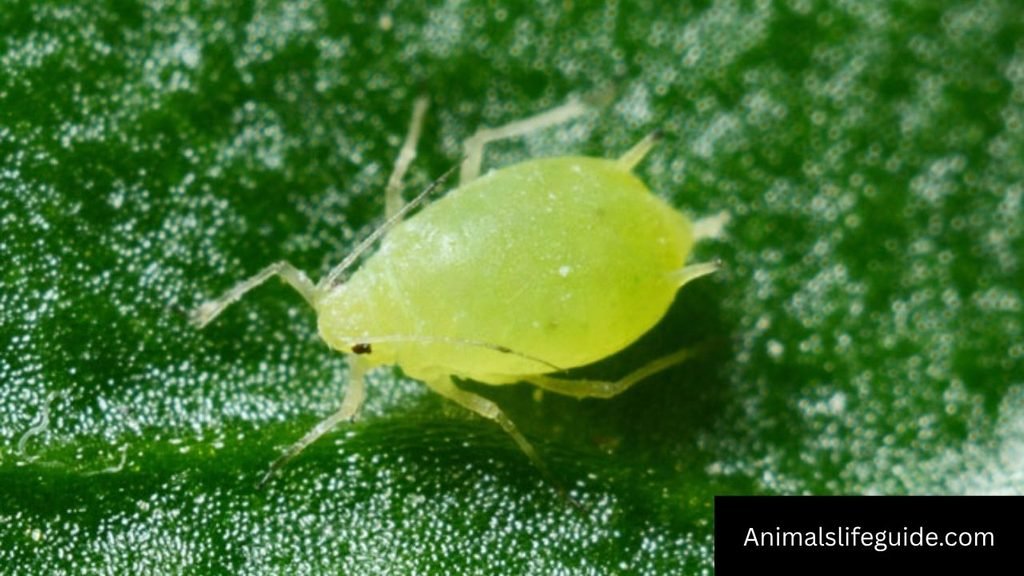
Another captivating aspect of aphids is their mutualistic relationship with ants. Many ant species protect aphids from predators in exchange for a sweet, sugary substance called honeydew that aphids excrete. This symbiotic interaction elevates the aphid’s status from mere pest to a coveted resource in the ant community. Furthermore, aphids serve as a vital food source for various predators, including ladybugs and lacewings, highlighting their significance in the food web despite their reputation as nuisances.
Aphids are not just passive participants; they are also instrumental in plant communication. When they feed on a plant, they can trigger a defense mechanism that produces volatile organic compounds, signaling nearby plants to fortify their defenses. This fascinating ability illustrates that even the smallest creatures can have profound impacts on their surroundings, weaving complex relationships within the tapestry of nature.
Coati
Scientific Name: Nasua spp.
Class: Mammalia
Diet: Omnivore
Coatis, often mistaken for raccoons due to their striking resemblance, are fascinating creatures native to the forests and grasslands of Central and South America. These agile mammals belong to the family Procyonidae and are known for their long, flexible snouts, which they use with remarkable dexterity to forage for insects, fruits, and small animals. What sets coatis apart is their sociable nature; they often live in groups, allowing them to combine their efforts in foraging and maintaining vigilance against predators.
One intriguing behavior of coatis is their unique method of climbing trees. Unlike many other mammals, they often descend headfirst, utilizing their sharp claws and flexible wrists — a skill that not only aids in escaping danger but also grants them access to a rich array of food sources high above the ground. Beyond their foraging prowess, coatis have an unexpectedly complex social structure, with dominant females taking the lead in group activities. This matriarchal hierarchy enhances the survival of young coatis, as mothers teach valuable skills through play and exploration, ensuring the continuation of their vibrant legacy in the wild.
Tetra
Class: Actinopterygii
Diet: Omnivore
Tetras, small freshwater fish belonging to the family Characidae, are a marvel of biodiversity, with over 150 species dazzling aquarists and scientists alike. Their vibrant colors, particularly in species like the Neon Tetra and Cardinal Tetra, are not only stunning but also serve as crucial survival mechanisms. These colors help them blend into their natural habitats, providing stealth against predators while making them highly desirable for home aquariums.
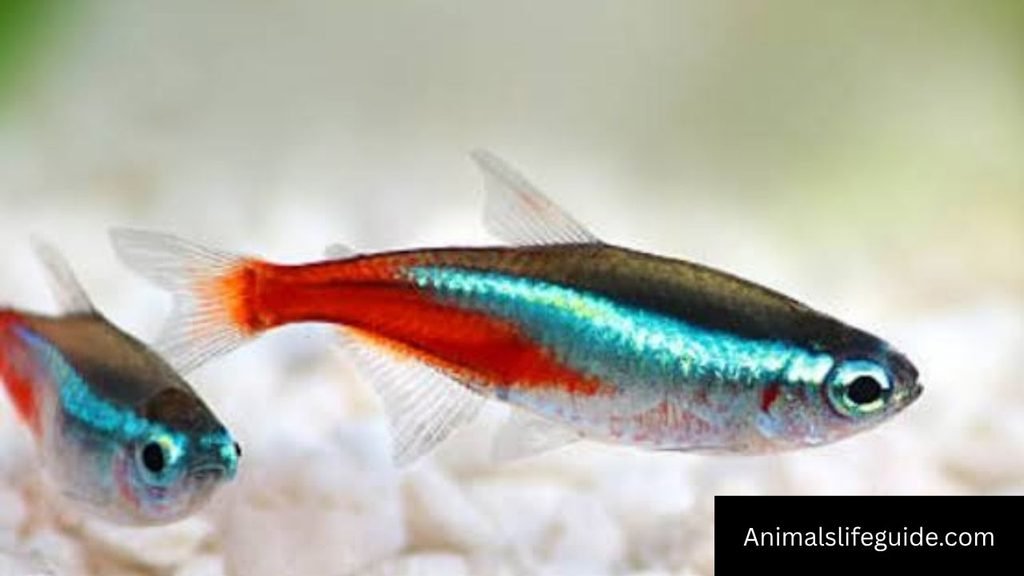
Interestingly, tetras are not just beautiful but also exhibit complex social behaviors and hierarchies. They thrive in schools, where they communicate through a combination of body language and subtle changes in coloration, fostering a sense of security and community. Some species, such as the Black Neon Tetra, even display unique adaptive behaviors, like shifting their schooling structure in response to environmental threats or changes.
Roach
Scientific Name: Blattodea spp.
Class: Insecta
Diet: Omnivore
Roaches, often viewed as mere pests, are surprisingly resilient creatures with fascinating adaptations. Did you know that these insects can live without their heads for up to a week? This is due to their unique circulatory system that doesn’t rely solely on the head to pump blood. Their ability to survive extreme conditions also sets them apart; certain species can endure radiation levels that would be lethal to humans, making them the ultimate survivors in the animal kingdom.
Interestingly, roaches play a crucial role in their ecosystems. As scavengers, they contribute to the decomposition of organic matter, recycling nutrients back into the soil and promoting plant growth. With their keen senses, they can navigate their environment with astounding agility and speed, often relying on their antennae to detect pheromones and communicate with one another. By exploring the complex and often misunderstood world of roaches, we gain a deeper appreciation for their role in our ecosystem, showcasing that even the most disliked creatures have invaluable contributions to life on Earth.
Quail
Scientific Name: Coturnix spp.
Class: Aves
Diet: Omnivore
Quail are fascinating birds that exhibit a remarkable range of behaviors and adaptations. Highly social, these small game birds thrive in flocks, offering a supportive community that aids in foraging and predator avoidance. Their unique alarm system, where one member of the flock will call out to warn others, showcases an impressive example of natural communication, highlighting their intelligence and social complexity.
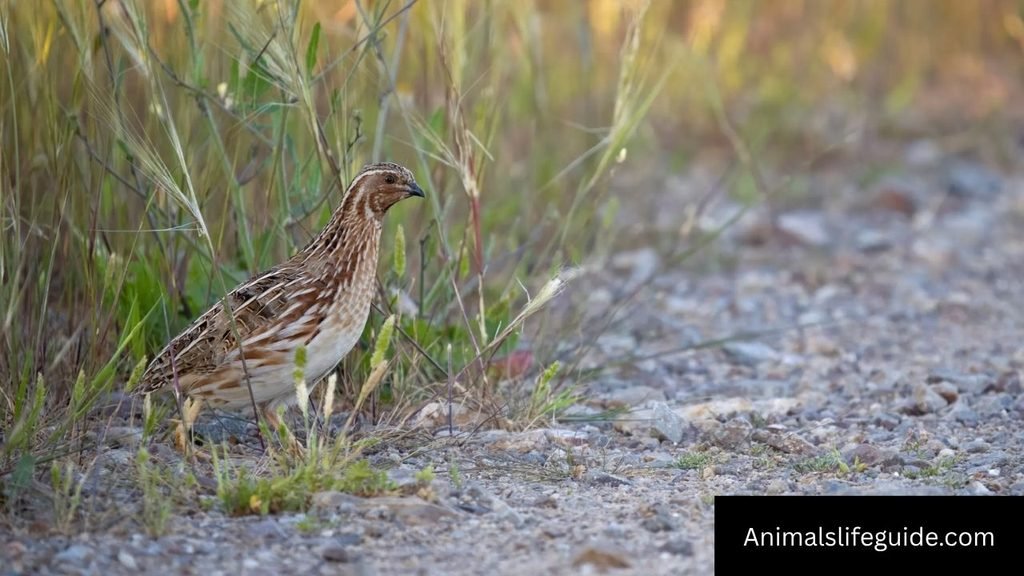
Another intriguing aspect of quail is their nesting habits. Female quails are known to create ground nests, often using natural materials like grass and leaves for camouflage. Interestingly, they sometimes lay their eggs in the nests of other birds, a behavior known as “egg dumping,” which not only increases their reproductive success but also provides insights into their evolutionary strategies. This remarkable adaptability is reflected in their ability to thrive in diverse habitats, from grasslands to woodlands, making them resilient survivors in changing environments.
Lemur
Scientific Name: Lemuriformes spp.
Class: Mammalia
Diet: Omnivore
Lemurs, unique to Madagascar, showcase some of the most fascinating adaptation strategies among primates. These charismatic creatures have a highly developed sense of smell, more so than their monkey relatives, which aids in communication and social bonding. Their distinctive vocalizations, ranging from yaps to howls, can travel over long distances, allowing them to maintain complex social structures in their forest habitats. The infamous ring-tailed lemur uses its long, striped tail not just for balance but as a signaling tool, waving it around during social interactions to convey emotions.
Interestingly, lemurs are known for their matriarchal social systems, where females typically lead groups. This stands in stark contrast to many primate societies where males dominate. The varying habits of lemurs, such as the nocturnal mouse lemur and the daytime active sifaka, reflect their remarkable adaptability to diverse ecological niches. As they navigate the challenges of habitat loss and climate change, these anthropoids remind us of the intricate connections between species and their environments, becoming symbols of conservation efforts in Madagascar. Their survival is not just a matter of biodiversity; it’s a vital thread in the complex tapestry of life on Earth.
Perch
Scientific Name: Perca spp.
Class: Actinopterygii
Diet: Carnivore
Perch are fascinating fish that belong to the family Percidae, which encompasses various species like the European perch and the yellow perch. These fish are easily recognizable thanks to their distinctive, elongated bodies and striking vertical stripes. Beyond their aesthetic appeal, perch are highly adaptive and can thrive in a variety of freshwater habitats, from rivers to lakes. Interestingly, they display a unique social behavior: young perch often form schools, which not only provides safety in numbers but also enhances their hunting efficiency by confusing predators.
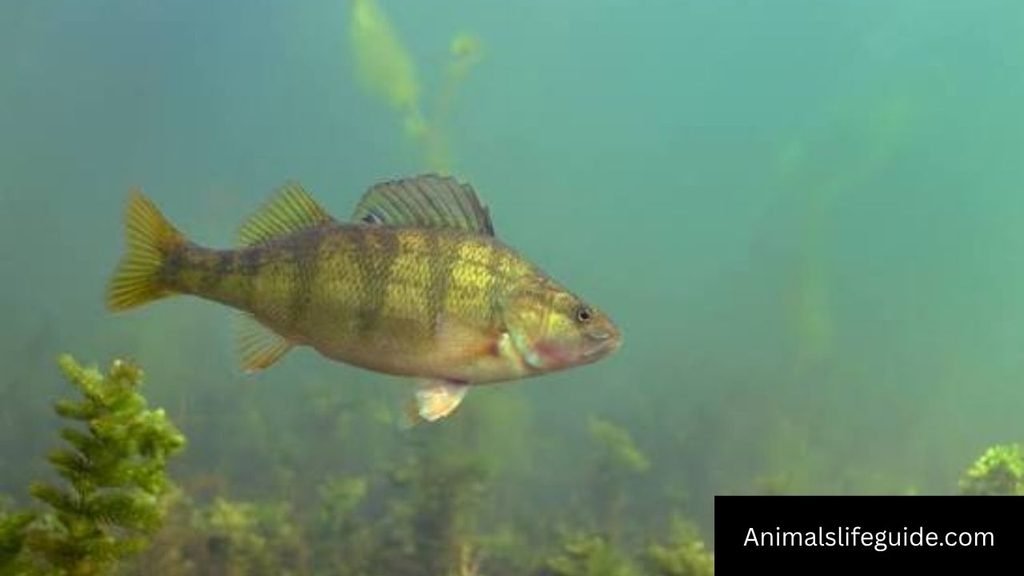
Ecologically, perch play a vital role in their environments, serving as both predators and prey. They primarily feed on smaller fish, invertebrates, and even insects, contributing to a balanced aquatic ecosystem. Moreover, perch are remarkable for their spawning rituals. During spring, males become particularly vibrant, displaying brighter colors to attract females, showcasing nature’s intricate dance of reproduction. This vibrant display and their social dynamics offer a window into the complexities of life underwater, revealing that even the smallest actions can have far-reaching ecological implications.
Snail
Class: Gastropoda
Diet: Herbivore / Omnivore
Did you know that snails have an impressive ability to hibernate? In response to extreme environmental conditions, such as drought or cold, some species can enter a state of dormancy for extended periods. This survival tactic often lasts several months or even years, allowing them to emerge when conditions are more favorable. This remarkable adaptability highlights their resilience and the intricate ways they interact with their ecosystems — all from a simple, slimy shell.
Interestingly, snails possess a fascinating method of communication: they secrete mucus to create pheromones, signaling to others in their vicinity. This social behavior is particularly relevant during mating, as many snails are hermaphrodites and rely on these chemical cues to find partners. With thousands of different species, their mating rituals vary widely, ranging from intricate dances to synchronized movements, proving that even the slowest creatures can have complex social lives.
Moreover, snails play critical roles in their habitats by contributing to soil health through decomposition. Their grazing habits help control algae growth and break down organic matter, making nutrients more accessible to other organisms. This essential function often goes unnoticed, but it underscores the importance of even the smallest creatures in maintaining the balance of their ecosystems.
Readmore: Explore Top 26 Animals With 3 Letters.
Final Thoughts
The list of animals that are five letters long is both surprising and delightful. Each of these creatures offers a glimpse into the wonders of biodiversity, reminding us of the importance of every species in maintaining ecological balance. By learning about these unique animals, we can foster a greater sense of connection to the natural world. As you reflect on this list, think about how you can promote awareness and conservation efforts in your community. Let’s take action together to safeguard the incredible variety of life that exists around us!