Interesting Facts: How Strong Are Kangaroos?
As one of the most iconic symbols of Australia, understanding “How Strong Are Kangaroos” goes beyond mere curiosity; it highlights their adaptability and resilience in a changing environment. Join us as we delve into their muscular prowess and the importance of these skills for their survival, ensuring you leave with interesting insights into these unique marsupials.
How Strong Are Kangaroos?
Scientific Name: Macropus spp.
Class: Mammalia
Diet: Herbivore
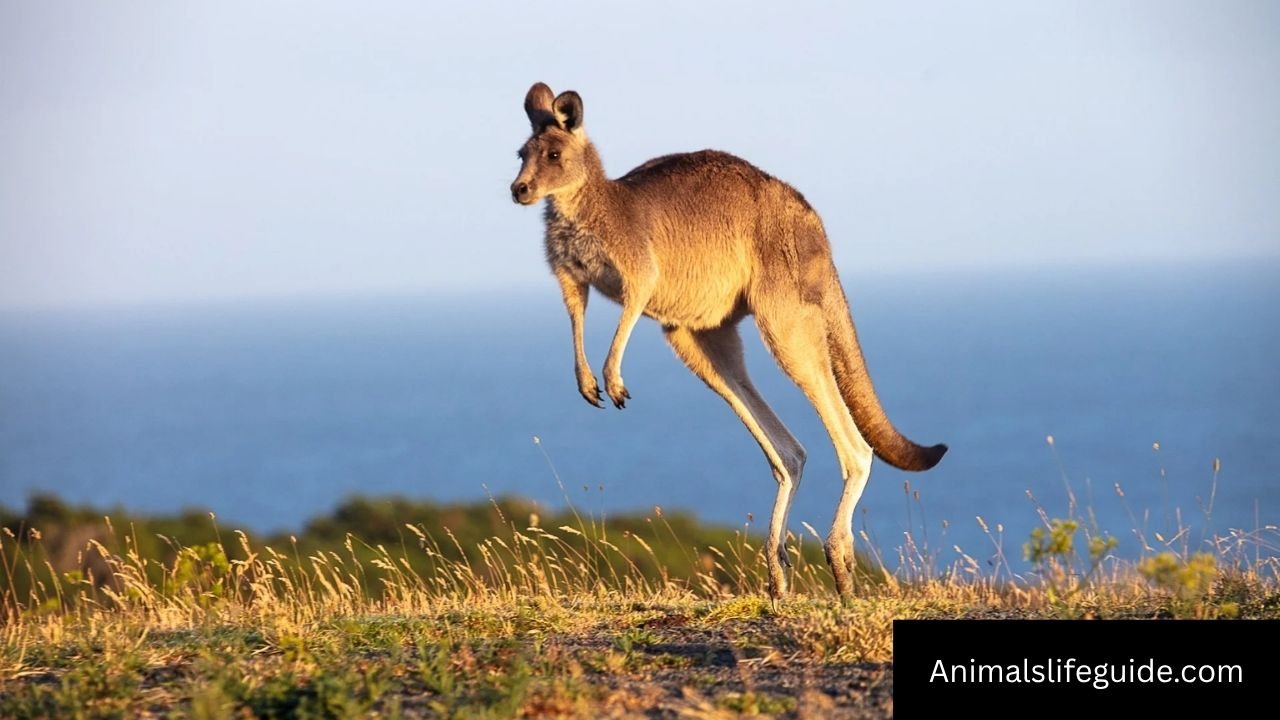
Kangaroos are fascinating amalgamations of agility and power, equipped with strong hind legs that enable them to leap distances up to three times their body length in a single bound. This remarkable jumping ability isn’t just for show; it serves as a critical survival strategy, allowing them to swiftly evade predators in the Australian outback. Interestingly, these powerful legs are also responsible for their unique method of locomotion, known as “pentapedal hopping,” which is both energy-efficient and swift.
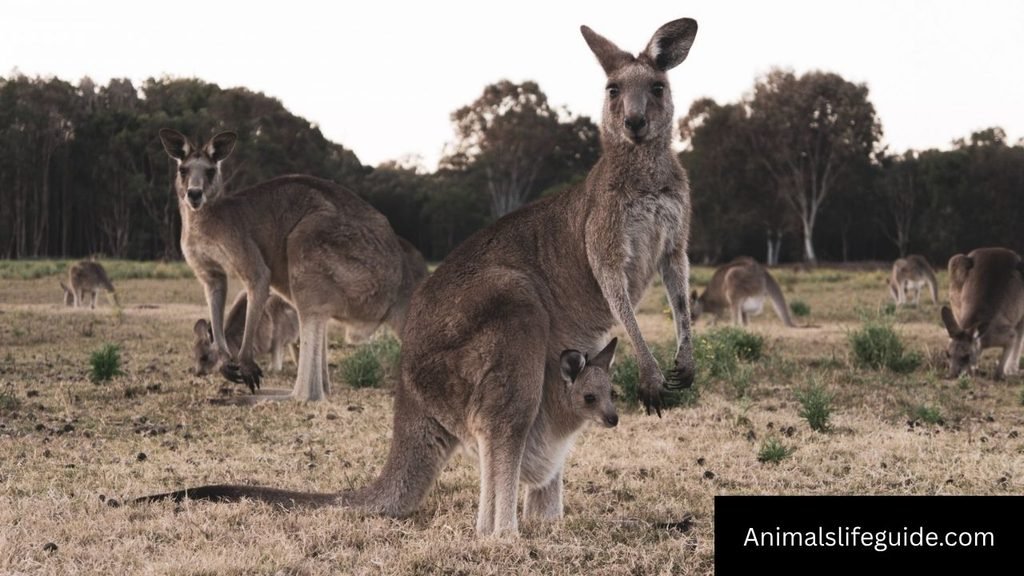
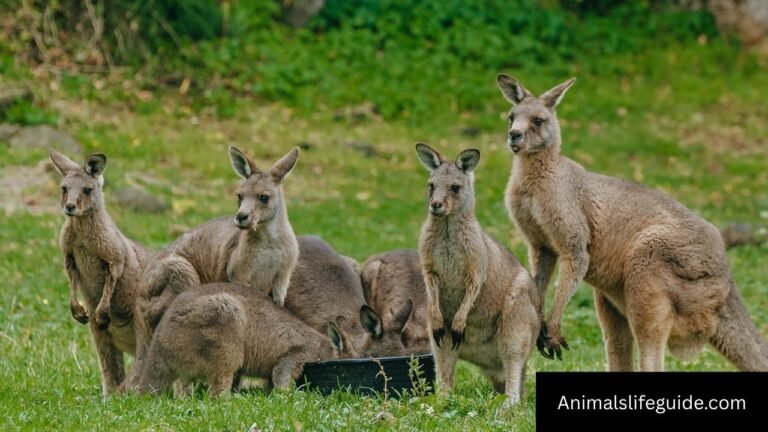
Moreover, the muscular structure of a kangaroo’s legs gives them an astonishing amount of strength. Adult male kangaroos, especially, can weigh over 200 pounds and have been known to deliver fierce kicks that can easily injure a predator or even a human. Beyond physical strength, kangaroos demonstrate resilience and adaptability, thriving in a variety of environmental conditions — from arid deserts to lush forests. Their physical prowess paired with social behaviors, such as living in mobs, reveals a sophisticated survival strategy that underscores their remarkable evolutionary success.
Kangaroos Bite Force
Kangaroos, often celebrated for their iconic hopping and pouch-bearing traits, reveal another layer of intrigue when it comes to their bite force. While these marsupials are primarily herbivorous, their jaws are surprisingly powerful, capable of delivering a bite force of around 800 Newtons. This strength is not merely a result of evolution but a critical adaptation for survival in the wild, enabling them to consume tough vegetation, including bark and fibrous grasses that many other animals shy away from.
Moreover, the bite force of kangaroos illustrates an intriguing aspect of their behavior. During confrontations, especially among males, their powerful jaws can serve as a formidable weapon. While their primary defense mechanisms are their strong hind legs, which they use for kicking, their ability to bite can deter potential threats, signaling that they can be both peaceful grazers and fierce protectors of their territory. This duality enhances our understanding of kangaroo behavior, showcasing their resilience and adaptability in a challenging environment.
How Strong Is A Kangaroo Kick?
The kangaroo kick is not just an iconic symbol of Australian wildlife; it’s a powerhouse of natural engineering. With powerful hind legs that can propel them with agility, kangaroos can deliver a kick that generates a force comparable to that of a heavyweight boxer — approximately 750 pounds of pressure! This stunning force is not merely for show; it’s a defensive mechanism against predators, evolved to ensure survival in the wild.
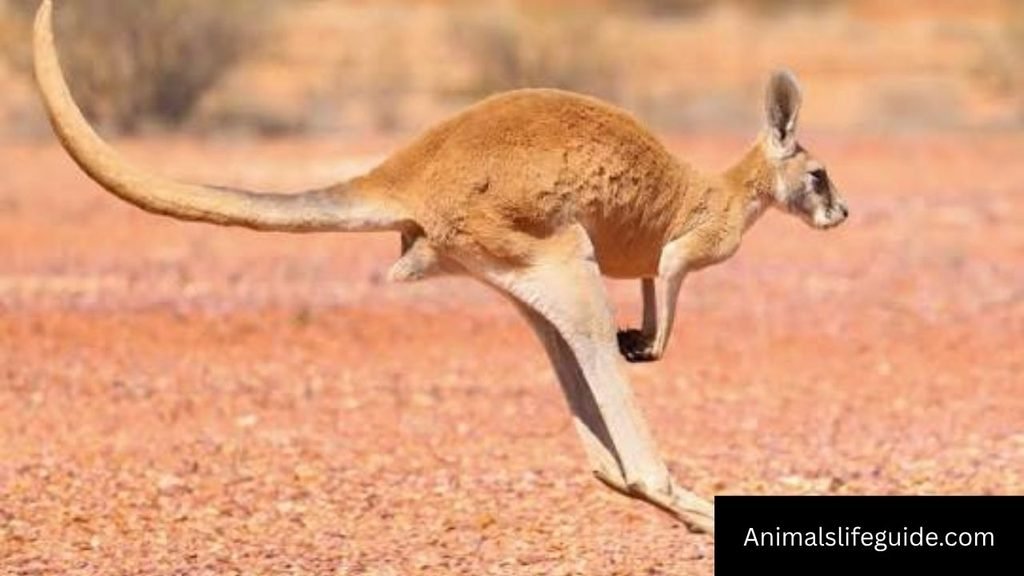
Interestingly, the anatomical design of a kangaroo’s legs allows for remarkable flexibility and strength. Their elongated bones facilitate a unique range of motion, enabling them to not only leap great distances but also to deliver precise and potent kicks when threatened. Observing this kick in action reveals the sheer power behind it, as they can strike with a rapid, explosive force that leaves little room for error.
How Fast Can Kangaroos Run?
Kangaroos are remarkable athletes of the animal kingdom, capable of reaching astonishing speeds that can leave many mammals in the dust. These iconic marsupials can hop at speeds of up to 44 miles per hour (71 km/h) in short bursts, showcasing their powerful hind legs. However, it’s not just their sheer speed that’s impressive; it’s their energy-efficient hopping that allows them to cover vast distances without expending excessive energy. In fact, kangaroos can maintain a steady pace of about 15 miles per hour (24 km/h) over several miles, making them exceptionally well-adapted to the Australian landscape.
What’s fascinating is how kangaroos utilize their unique anatomy to achieve such impressive velocity. Their long tails serve as balance, while their powerful legs are engineered for spring-loaded propulsion. This not only supports their speed but also helps them navigate the rugged terrain of their habitat. Their ability to hop in a rhythmic pattern allows for seamless movement through the bush, making them adept at avoiding predators while traveling long distances in search of food and water. This combination of speed, efficiency, and adaptability offers a glimpse into how evolution has fine-tuned these creatures for survival in a challenging environment.
How strong is a kangaroos tail?
A kangaroo’s tail possesses remarkable strength, serving as a crucial balance and propulsion tool in its day-to-day movements. Unlike most mammals, a kangaroo’s tail can weigh up to 40% of its body mass, providing both stability during hopping and an anchor when standing still. This muscular appendage allows kangaroos to leap great distances — up to 10 feet high and over 30 feet in a single bound — turning what might seem like a mere limb into a powerhouse of kinetic energy.
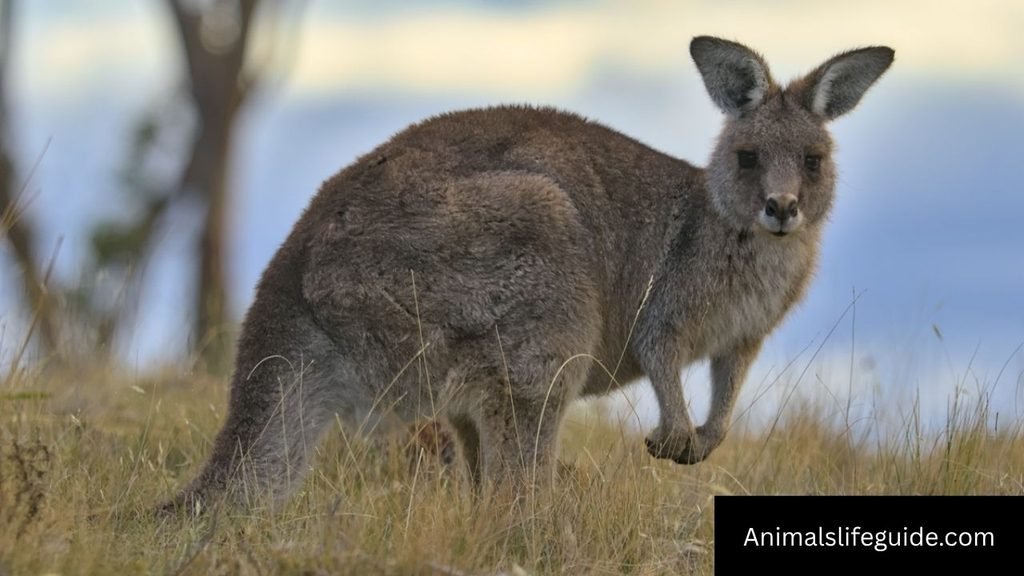
Moreover, the tail’s versatility plays a significant role in social interactions and communication among kangaroos. When engaged in sparring matches or asserting dominance, they utilize their tails to maintain balance while delivering powerful kicks with their hind legs. This adaptability not only highlights their physical prowess but also emphasizes a fascinating evolutionary trait that aids in survival in the challenging Australian landscape, where efficient movement can mean the difference between life and death.
How strong are kangaroos arms?
Kangaroos are renowned for their powerful hind legs, which allow them to leap great distances, but their arms often go overlooked. Surprisingly, a kangaroo’s forelimbs, though seemingly smaller and less muscular, possess significant strength. These limbs are adapted for balance and support during their impressive jumps and serve multiple roles in their daily lives, including foraging and grooming.
When engaging in social interactions, kangaroos utilize their arms to grasp and hold onto each other, showcasing their strength and dexterity. Furthermore, during bouts of sparring or play, male kangaroos use their forelimbs to strike and grapple, demonstrating a surprising agility that belies their bulk. This unique combination of strength and coordination allows them to navigate their environment and interact with kin in ways that enhance their survival and social structures.
How Strong Are Kangaroos Compared To Humans?
Kangaroos possess a remarkable physical prowess that sets them apart from humans, making them an animal worth studying. With their powerful hind legs, a large male kangaroo can leap over 10 feet in a single bound and cover up to 30 feet in a hop. This explosive strength is not just for show; it plays a crucial role in their survival, allowing them to escape predators quickly. When you consider the weight they can carry — often between 50 to 200 pounds — it’s clear that their musculature is finely tuned for endurance and agility.
Interestingly, while humans can lift weights in the gym and run marathons, kangaroos showcase a different kind of muscular efficiency. Their body is designed to conserve energy during long distances, meaning they can travel vast expanses without tiring easily. In comparison, a fit human can sprint quickly, but sustained high-speed running over considerable distances proves more taxing. Thus, while we might boast about our strength and strategic intelligence, kangaroos redefine power through agility and stamina, inviting us to reconsider how we measure physical capability in the natural world.
Kangaroo vs Gorilla Strength Comparison
When comparing the strength of kangaroos and gorillas, it’s essential to appreciate the different environments and lifestyles that shape each animal’s power. Gorillas, with their impressive musculature, can exert an estimated force of up to ten times their body weight, making them formidable in both display and confrontation. Their upper body strength allows them to engage in intense displays of force, essential for social structure and hierarchy within their groups.
Conversely, kangaroos possess a unique kind of strength derived from their powerful hind legs, enabling them to leap great distances with remarkable agility. Their muscular tails also provide tremendous balance and support, making them adept at navigating the rugged Australian landscape. While a gorilla’s strength serves primarily for protection and dominance, a kangaroo’s power is more about mobility and evasion, illustrating how evolution has tailored their strengths to fit their respective habitats. This division in strength not only highlights how these animals are equipped for survival but also showcases the fascinating diversity of nature’s design.
Read More: Explore Top 12 Animals That Can Change Color.
Final Thoughts
The strength of kangaroos is a testament to their evolutionary success as iconic wildlife in Australia. Their muscular build allows them to traverse vast distances with ease, while their ability to fend off predators showcases their resilience. The unique blend of strength and agility makes them fascinating subjects for both study and admiration.
As we learn more about these incredible animals, we must remember to champion their conservation and habitat preservation. Take a moment to educate others about kangaroos and support efforts that ensure their survival in the wild.