Top 26 Animals With 3 Letters (With Pictures)
In this article, we will explore a delightful range of animals with 3 letters, showcasing their unique traits and significance in the ecosystem. By the end, you’ll not only impress your friends with this fun trivia but also deepen your appreciation for the diversity of life around us.
List of Animals With 3 Letters
Below is the list of animals with three letters:
- Fox
- Koi
- Ram
- Eel
- Gnu
- Bat
- Cow
- Owl
- Ant
- Yak
- Bee
- Cod
- Cat
- Fly
- Auk
- Pig
- Elk
- Boa
- Hen
- Gar
- Doe
- Dog
- Ape
- Jay
- Emu
- Rat
Fox
Scientific Name: Vulpes
Class: Mammalia
Diet: Omnivore
Foxes are fascinating creatures that possess an intriguing mix of cunning intelligence and adaptability. Belonging to the Canidae family, they are exceptionally versatile and can thrive in diverse environments — from urban landscapes to sprawling forests. One of the most notable species, the red fox, is renowned for its bushy tail, often referred to as a “brush,” which serves not only as a communication tool but also as protection from cold weather, wrapping around its body when they curl up to sleep.
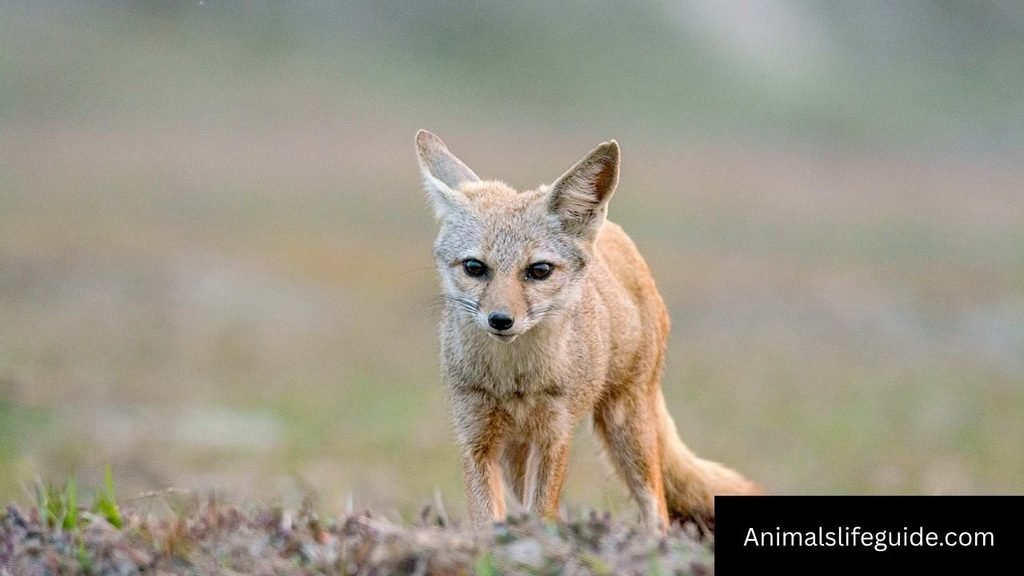
What sets foxes apart is their unique social structure. Unlike many canids that live in packs, foxes are primarily solitary animals. They establish territories that they defend vigorously, using a combination of vocalizations and scent markings. The whimsical nature of these creatures can be observed in their playful behavior, especially during the juvenile stage, where they engage in mock fighting and pouncing play which hones their hunting skills. This blend of solitary cunning and playful spirit makes foxes not just survivors but also a symbol of cleverness in various cultures worldwide.
Koi
Scientific Name: Cyprinus carpio
Class: Actinopterygii
Diet: Omnivore
Koi fish, often mistaken for mere ornamental pond decorations, are steeped in cultural significance and history. Originating from Japan, these vibrant fish were bred from common carp for their striking colors and patterns, resulting in varieties like Kohaku and Taisho Sanke. What many don’t know is that Koi can live for over 200 years, making them not just pets but living symbols of endurance and harmony in Japanese culture.
Beyond their longevity, Koi possess remarkable personalities; they can recognize their owners, exhibit excitement during feeding, and even interact with humans. This behavioral intelligence adds a unique dimension to keeping them as pets, transforming a tranquil pond into a living, breathing ecosystem. Koi are celebrated for their ability to symbolize prosperity and good fortune, often becoming the centerpiece of gardens designed to evoke peace and serenity. With their stunning visuals and intriguing behaviors, Koi provide not just aesthetic pleasure but also a profound connection to nature and culture.
Ram
Scientific Name: Ovis aries
Class: Mammalia
Diet: Herbivore
Rams are fascinating creatures, known for their impressive spiraled horns, which can weigh up to 30 pounds each. Not just for show, these horns serve as tools for establishing dominance during mating season and for protection against predators. Interestingly, rams have a distinctive way of communicating through vocalizations and body language, conveying intentions and emotions that can range from aggression to affection.
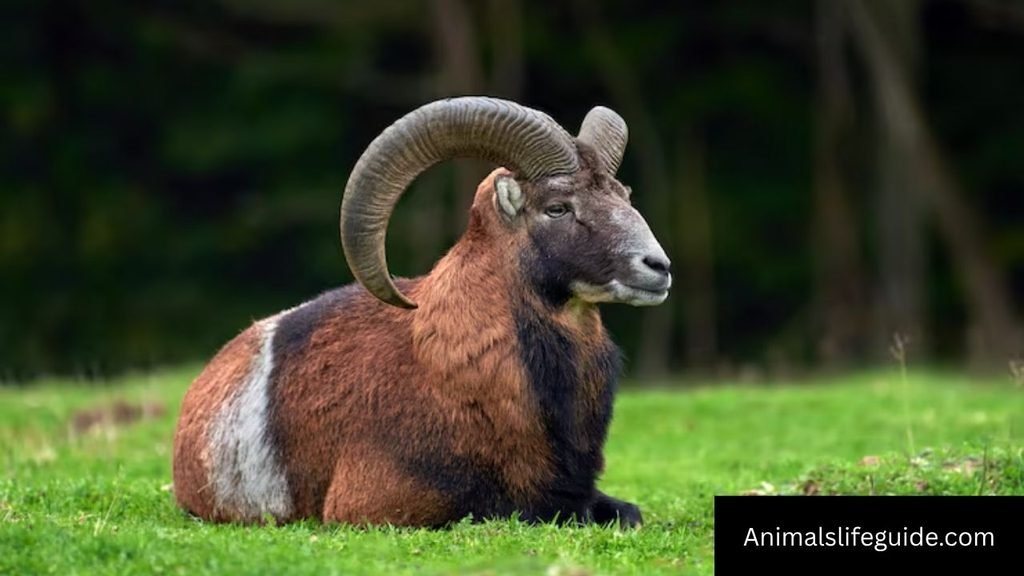
Beyond their physical prowess, rams demonstrate remarkable social structures within their herds. They are often seen exhibiting a hierarchical system, where older, stronger rams take on leadership roles. This dynamic not only allows for more organized foraging and movement but also enhances the genetic diversity of the herd by promoting varied breeding opportunities. Rams have an extraordinary sense of smell — capable of detecting pheromones from miles away — this helps them find mates and dodge threats. Exploring the life of a ram reveals an intricate blend of social behavior and survival instincts, making them not just symbols of strength but vital contributors to their ecosystems.
Read More: Explore Top 18 Animals With Bad Memory.
Eel
Class: Actinopterygii
Diet: Carnivore
Eels are fascinating creatures that defy categorization, sometimes confusing even the most seasoned marine biologists. These elongated fish possess a unique ability to navigate both freshwater and saltwater environments, with their life cycle often spanning vast distances. Remarkably, the European eel (Anguilla anguilla) migrates more than 3,700 miles from rivers and lakes to the Sargasso Sea to spawn — a trek that can take years. This epic journey raises questions about their navigation skills, as they seem to possess an instinctual map of the ocean currents.
Eels also exhibit extraordinary adaptations, such as their ability to generate electric fields. The electric eel, a member of the knifefish family, can produce a jolt of up to 600 volts, which it uses both for hunting prey and self-defense. Interestingly, this remarkable capability extends beyond mere survival; researchers are exploring the potential of electric eel bioelectricity for various applications in medicine and technology, including innovations in bio-inspired batteries. With their mysterious life cycles and astonishing abilities, eels remain an enigmatic subject worthy of both scientific study and wonder.
Gnu
Class: Mammalia
Diet: Herbivore
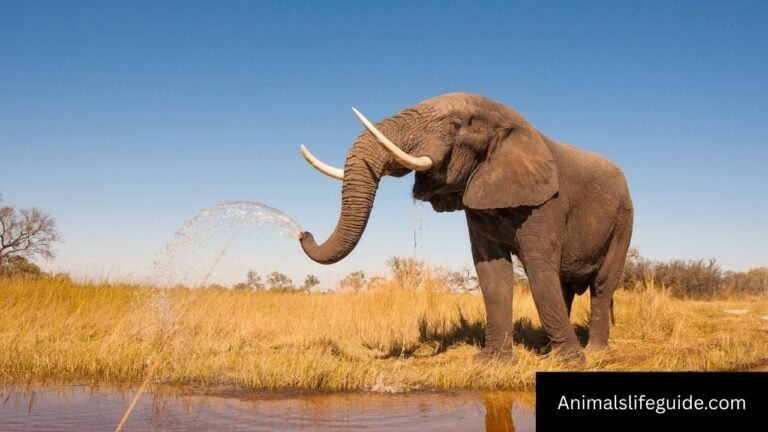
The gnu, also known as the wildebeest, is a fascinating creature known for its striking appearance and social behavior. With their curved horns and robust bodies, these animals are perfectly adapted to the harsh conditions of the African savannas. Interestingly, gnus are social animals, often forming herds that can comprise thousands of individuals. This behavior is not just for companionship; it’s a survival strategy that helps them evade predators like lions and hyenas.
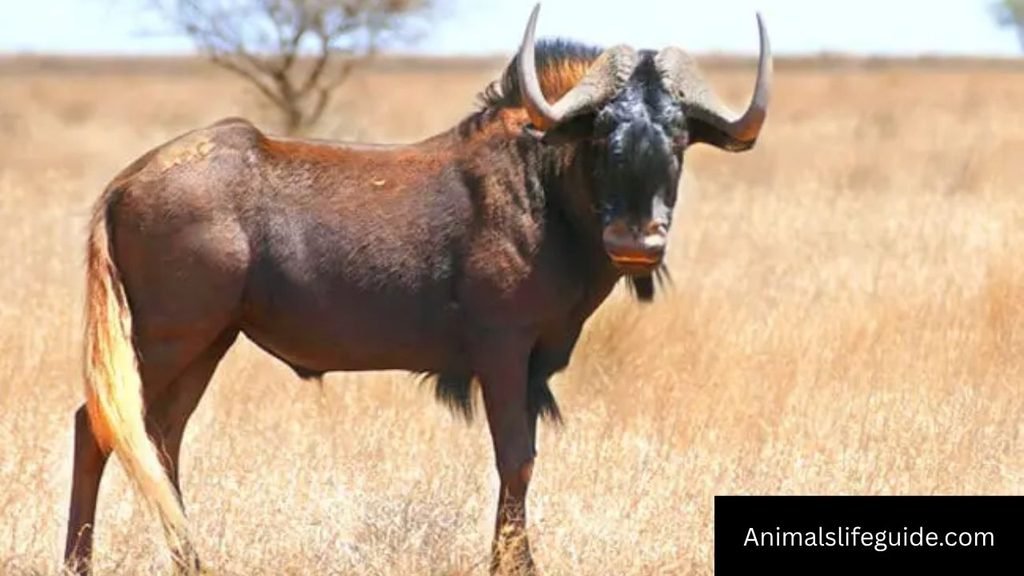
During their iconic migrations, which can involve traveling over 1,000 miles, gnus exhibit remarkable teamwork. They navigate treacherous terrains, often crossing perilous rivers filled with crocodiles — a testament to their instinctual drive for survival. Remarkably, gnus have a unique way of communicating through “snorts,” “snorts,” and other vocalizations, allowing them to maintain cohesion within their vast herds despite the chaos of the migration. This social structure and communication highlight a sophisticated level of intelligence that often goes unnoticed in these powerful animals. Moreover, the gnu plays an important role in its ecosystem. As grazers, they help maintain the balance of grasslands, preventing overgrowth and promoting biodiversity.
Bat
Scientific Name: Chiroptera
Class: Mammalia
Diet: Insectivore/Omnivore
Bats, often misunderstood creatures of the night, play a pivotal role in maintaining ecological balance. Unlike popular belief, not all bats are blood-sucking vampires; in fact, over 1,400 species exist worldwide, with the majority opting for a diet of insects, fruit, or nectar. This insectivorous behavior is vital for pest control, with a single bat capable of consuming up to 1,200 mosquito-sized insects in just one hour!
In addition to pest management, bats are incredible pollinators. They assist in the reproduction of plants such as the agave, from which tequila is derived, and numerous tropical fruits, including bananas and mangoes. These nocturnal pollinators fulfill their role when many daytime pollinators are inactive, highlighting their unique ecological niche. Furthermore, bats possess an extraordinary navigation system known as echolocation, allowing them to fly in complete darkness — a feat that has fascinated scientists and inspired technology such as sonar. This remarkable adaptability showcases both their importance in the ecosystem and the intricate balance of life on our planet.
Cow
Scientific Name: Bos taurus
Class: Mammalia
Diet: Herbivore
Cows are much more than just farm animals; they are intricate beings with fascinating social lives. These gentle giants form strong bonds within their herds, often displaying complex social behaviors. For instance, cows have been observed engaging in what can be described as friendships, often choosing to graze and rest near their closest companions. This social structure is not merely for comfort; it enhances their overall well-being and stress levels, showcasing their emotional intelligence.
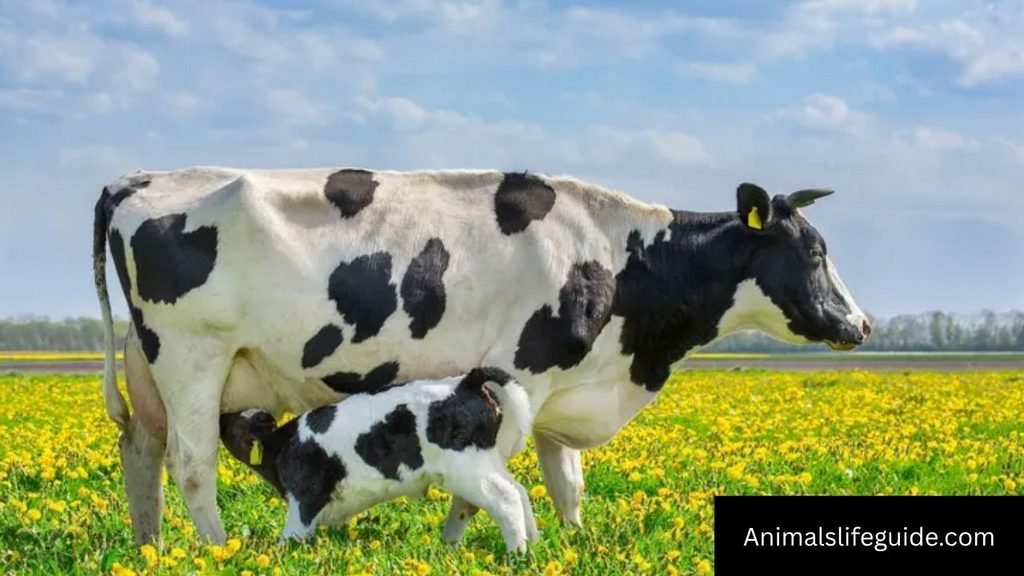
Another intriguing fact is that cows possess remarkable sensory perceptions. They have panoramic vision, allowing them to see nearly 360 degrees around them, which is a significant evolutionary advantage against predators. Their advanced hearing aids in detecting sounds that are inaudible to humans, making them highly aware of their environment. Studies even suggest that cows can recognize individual voices, indicating a deeper level of communication and connection than we often attribute to them. This heightened sensitivity not only enriches their experiences but also makes them more attuned to the dynamics of their surroundings, revealing the depth of their existence beyond mere farm animals.
Owl
Scientific Name: Strigiformes
Class: Aves
Diet: Carnivore
Owls, often shrouded in mystery and folklore, possess remarkable adaptations that set them apart in the avian world. Their incredible night vision stems from a high number of rod cells in their eyes, enabling them to see in near darkness. Unlike humans, owls can rotate their heads an astonishing 270 degrees, which compensates for their fixed eye sockets and enhances their ability to scan their environments for potential prey. This unique anatomical feature, combined with their acute hearing, makes them stealthy hunters in the twilight hours.
Intriguingly, the sound of an owl’s call varies widely across species, serving as both a means of communication and a territorial marker. Some owls produce sounds that can range from soft coos to eerie screeches, contributing to the rich tapestry of night sounds in their habitats. The distinctive facial disk of an owl plays a crucial role in funneling sound to their ears, allowing them to pinpoint the exact location of sound sources with surgical precision. This auditory mastery extends to their hunting technique; rather than relying solely on sight, they use their exceptional hearing to detect subtle movements of prey hidden beneath layers of foliage or snow.
Ant
Scientific Name: Formicidae
Class: Insecta
Diet: Omnivore
Ants are fascinating architects, notorious for their ability to build intricate colonies that can contain millions of individuals. These colonies operate like sophisticated societies, each ant performing specific roles — workers, soldiers, or reproductive members — creating a seamless network of cooperation. What’s particularly intriguing is the way some species, like leafcutter ants, cultivate fungi as their primary food source, effectively farming and nurturing a crop while simultaneously recycling nutrients back into their ecosystem.
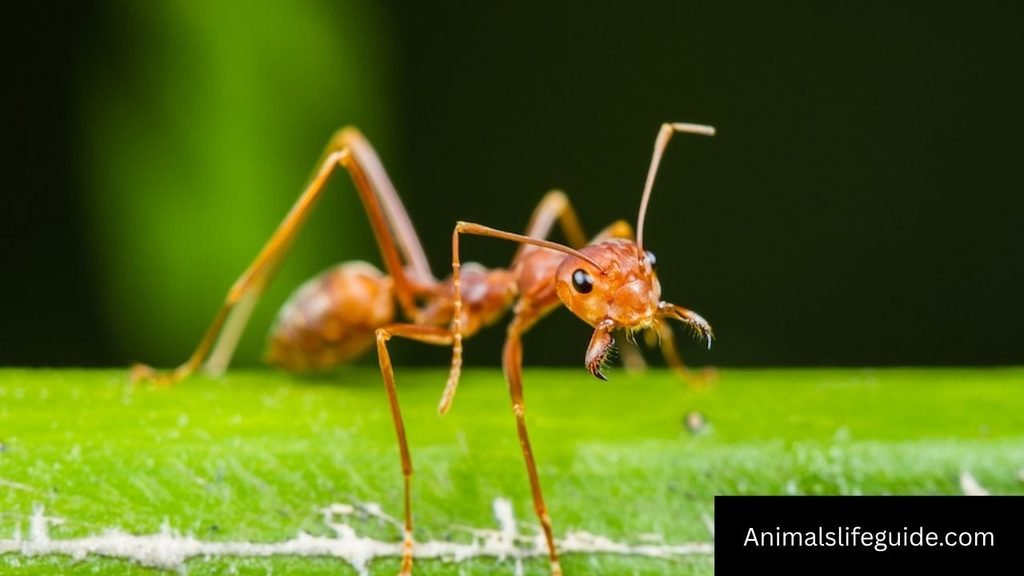
Beyond their remarkable teamwork, ants boast impressive communication skills. They use pheromones to relay information about food sources or threats, establishing trails that other ants can follow. This chemical signaling allows them to coordinate complex foraging missions, sometimes leading to the discovery of food sources miles away. Some ants exhibit a remarkable level of altruism; for instance, certain species will sacrifice themselves to protect their nest, showcasing a profound commitment to their colony’s survival. This remarkable blend of intelligence, cooperation, and adaptability makes ants not just creatures of the ground, but key players in our planet’s ecological balance.
Yak
Scientific Name: Bos grunniens
Class: Mammalia
Diet: Herbivore
Yaks are remarkable animals, primarily associated with the high-altitude regions of the Himalayas, where they thrive in oxygen-sparse environments. These sturdy creatures not only withstand bitter cold but also play a crucial role in the lives of local communities. Yak milk, rich in nutrients, is a staple in the diet of people in this region, and their long, shaggy coats provide wool that is woven into warm garments, showcasing their utility beyond mere survival.
One of the most fascinating aspects of yaks is their unique adaptations to extreme environments. Their large lungs and heart support efficient oxygen uptake, enabling them to roam effectively at elevations exceeding 14,000 feet. Interestingly, yaks are also social animals, often forming tight-knit herds that exhibit behaviors reminiscent of human familial bonds. Observing their interactions can reveal a surprisingly complex social structure, where mothers will vocally call their calves even in the vast expanses of the Tibetan plateau, reflecting a keen sense of family and communication.
Bee
Class: Insecta
Diet: Herbivore
Bees are fascinating creatures that contribute significantly to the health of our ecosystems. Did you know that a single honeybee can visit over 2,000 flowers in a day? This incredible efficiency not only aids in nectar collection but also plays a vital role in pollinating many of the fruits and vegetables we rely on for food. In fact, about one-third of the food we consume depends on bee pollination, underscoring their importance to agriculture and biodiversity.
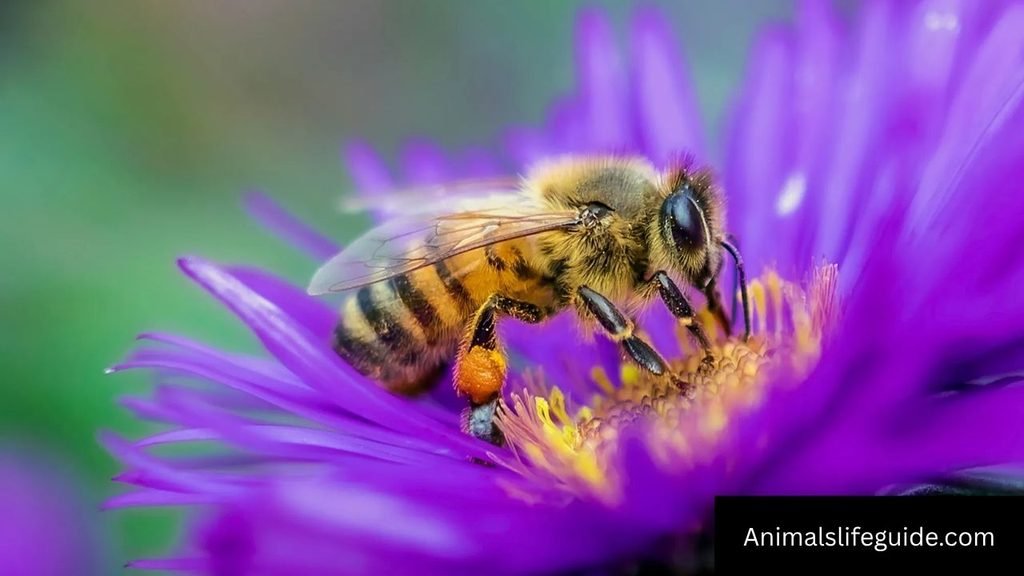
Moreover, bees have remarkable social structures and communication methods. They use a unique “waggle dance” to inform fellow bees about the distance and direction of nearby food sources. This intricate behavior not only showcases their intelligence but also highlights the complexity of their social interactions. Sadly, bee populations are declining due to habitat loss, pesticides, and climate change, making our awareness and conservation efforts essential. By protecting these small yet mighty insects, we can ensure a thriving planet for future generations.
Cod
Scientific Name: Gadus morhua
Class: Actinopterygii
Diet: Carnivore
Cod, a staple in both culinary and ecological contexts, boasts fascinating features that often go unnoticed. One striking aspect is their remarkable adaptability; while many fish species have a narrow temperature range, cod thrive in cooler waters, exhibiting a surprisingly high resilience to changes in environmental conditions. This adaptability not only aids their survival but also makes them a vital species in marine ecosystems, as they serve as both predator and prey.
Moreover, cod have an undeniable impact on human culture and history, with their contributions extending far beyond the dinner table. For centuries, cod fishing has shaped economies, especially during the Age of Exploration when it became a catalyst for transatlantic trade routes. The fish’s preservation and salting methods pioneered a new era of food storage, enabling long voyages and influencing culinary traditions across continents. Today, as concerns over overfishing loom, sustainable practices are critical for preserving this iconic fish, emphasizing the need for a collective commitment to our oceans.
Cat
Scientific Name: Felis catus
Class: Mammalia
Diet: Carnivore
Cats have long been celebrated for their mysterious behaviors and enchanting personalities. One fascinating aspect of felines is their unique communication style. Beyond meowing, cats utilize a rich array of body language, including the twitch of a tail or the position of their ears, to convey emotions. For instance, a slow blink from a cat is considered a sign of trust and affection — an intimate gesture that many cat owners cherish.

Moreover, did you know that cats can make over 100 different sounds? This vocal variety not only helps them express needs and emotions but also showcases their adaptability as companions. Interestingly, studies have revealed that cats often tailor their vocalizations specifically to their human companions, adjusting their tone and pitch to garner attention or elicit a response. This intuitive communication exemplifies the deep bond that can form between cats and their owners, highlighting their intelligence and emotional depth.
Fly
Scientific Name: Musca domestica
Class: Insecta
Diet: Omnivore
Flies are often underestimated for their impact on ecosystems, yet they play a crucial role in pollination and decomposition. For instance, certain species, like the bluebottle fly, are key players in breaking down organic matter, recycling nutrients back into the soil. Their affinity for decay might seem off-putting, but these diligent recyclers ensure a balanced ecosystem, facilitating plant growth and supporting a myriad of other organisms.
Interestingly, flies possess an extraordinary sense of smell, aided by over 1,000 scent receptors. This olfactory prowess allows them to detect food sources from considerable distances, influencing how they interact with their environment. Their rapid lifecycle — from egg to adult in mere days — also showcases nature’s clever strategy against predators and environmental hazards. This rapid development not only helps maintain the population but also ensures that even in adverse conditions, flies can thrive and continue their vital ecological functions.
Auk
Scientific Name: Alcidae
Class: Aves
Diet: Carnivore
The auk, a remarkable seabird from the Alcidae family, is often overshadowed by its more famous relatives like the puffin. One striking aspect of auks is their remarkable adaptability to harsh marine environments. Inhabiting the frigid waters of the North Atlantic, these birds excel in diving, capable of reaching depths of up to 200 feet to forage for fish and crustaceans. Their streamlined bodies and powerful wings allow them not only to dive efficiently but also to transition seamlessly between flying and swimming, showcasing a unique evolutionary trait that balances life in the air and sea.
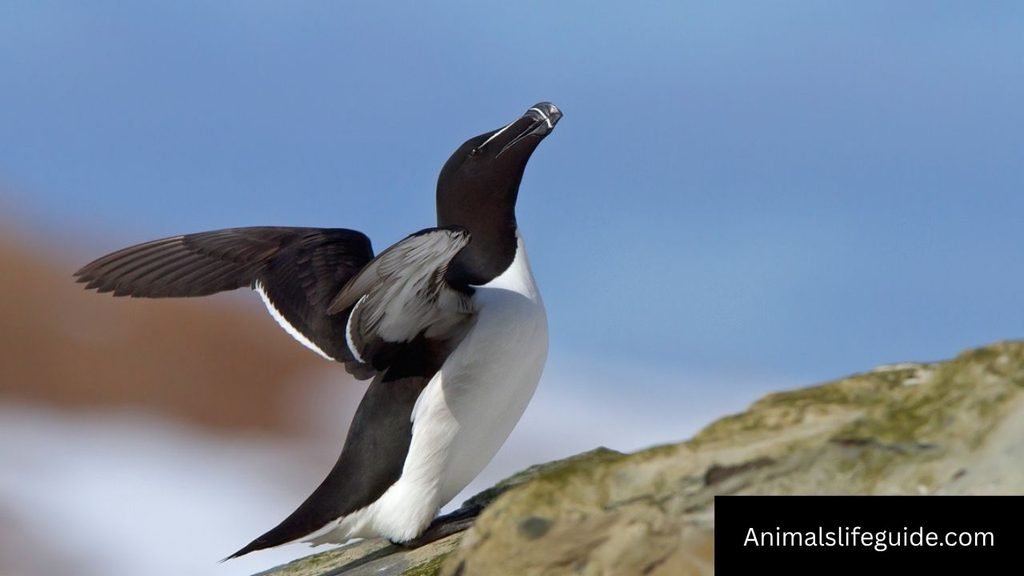
Auks are also known for their intriguing social structures. Many species, such as the common murre, engage in complex breeding behaviors, forming large colonies on sheer cliffs. This communal nesting strategy not only offers protection from predators but also fosters unique social bonds among individuals. Interestingly, auks exhibit a form of cooperative chick-rearing, where adults may share parenting duties across several nests, enhancing the survival rates of their young. This collaborative spirit reflects a sophisticated level of social intelligence within the avian world, reminding us that the animal kingdom is rich with interconnected dynamics that deserve deeper exploration.
Pig
Scientific Name: Sus scrofa domesticus
Class: Mammalia
Diet: Omnivore
Pigs are often underestimated creatures, yet their intelligence and emotional depth rival that of dogs. Studies have shown that pigs possess excellent cognitive abilities; they can learn complex tasks and display an understanding of their surroundings that is both impressive and heartwarming. For instance, they can solve mazes and even play video games, showcasing their remarkable problem-solving skills. Socially, pigs thrive in groups, forming close-knit bonds similar to those seen in primates.
Pigs possess a unique form of communication involving over 20 distinct vocalizations, each conveying a different emotion or intent. This rich vocal repertoire allows them to express a range of feelings from joy to distress, making them incredibly expressive animals. Their ability to demonstrate empathy is also noteworthy; they often comfort their companions in times of stress, reflecting a level of social understanding that challenges the conventional view of animal emotions.
Elk
Scientific Name: Cervus canadensis
Class: Mammalia
Diet: Herbivore
Elk, known for their majestic antlers and graceful movements, are more than just a stunning sight in the wild; they play a crucial role in their ecosystems. These large members of the deer family, especially prevalent in North America, contribute significantly to forest health. By grazing on grasses, shrubs, and young trees, elk help maintain the balance of vegetation, allowing diverse plant species to thrive.
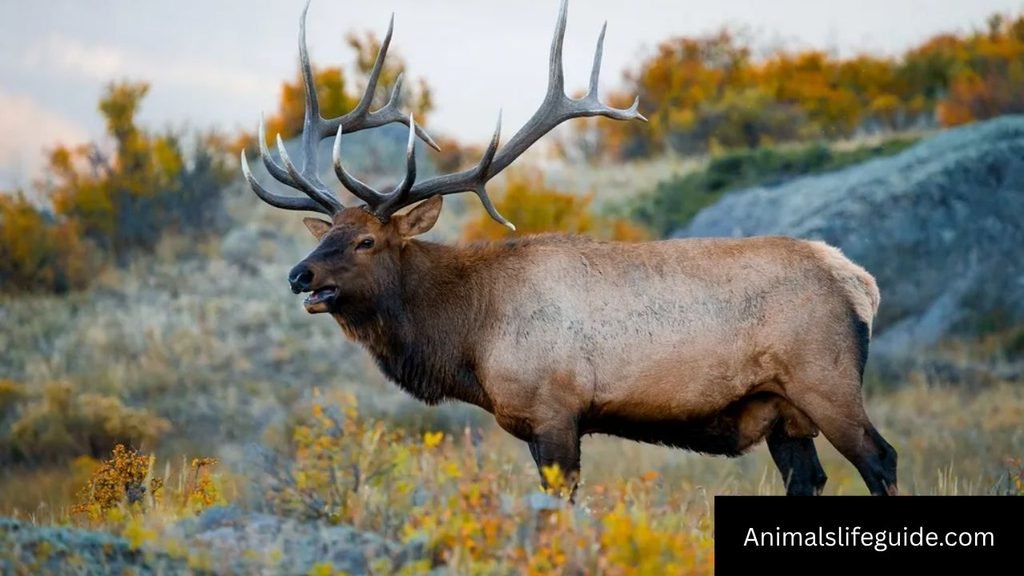
Interestingly, elk are also social creatures, often forming herds that can number in the hundreds. This social structure aids in protection from predators, yet it also presents a unique challenge during mating season. Males engage in dramatic displays of strength and vocalizations known as “bugling,” which serve not only to attract females but also to establish social hierarchies within the herd. Beyond their physical prowess, elk communicate through a range of sounds and body language, creating a rich tapestry of interactions that reflect their intelligence and adaptability in the wild.
Boa
Scientific Name: Boa constrictor
Class: Reptilia
Diet: Carnivore
The boa constrictor, often revered for its impressive size and powerful presence, is not just a striking serpent; it also plays a vital role in its ecosystem. Typically found in a range of habitats — from tropical rainforests to arid deserts — the boa is an adaptable predator. Its remarkable ability to constrict prey allows it to take down animals much larger than itself, showcasing both strength and strategy. Interestingly, these snakes rely on heat-sensing pits located along their jaw to detect warm-blooded prey, making them efficient hunters even in the dimmest light.
Behaviorally, boa constrictors exhibit fascinating social dynamics during mating. Females can emit pheromones that attract multiple males, leading to competitive mating displays. Furthermore, they exhibit a surprising level of parental care; unlike many reptiles, mothers often give birth to live young and will sometimes stay with them for a brief period to protect their hatchlings from predators. With their unique reproductive strategies and ecological roles, boas not only captivate herpetologists but also remind us of the intricate balance within nature’s tapestry.
Hen
Scientific Name: Gallus gallus domesticus
Class: Aves
Diet: Omnivore
Hens are often underestimated, yet they exhibit remarkable behaviors and characteristics that go beyond mere egg-laying. For instance, hens have a complex social hierarchy known as the “pecking order,” where they establish roles within their flock. This system isn’t just about dominance; it fosters a sense of community, as the hens interact through vocalizations and body language, communicating everything from alarm calls to mating signals. Interestingly, research shows that hens possess a level of cognitive sophistication similar to that of some primates, showing problem-solving skills and even the ability to plan for future needs.
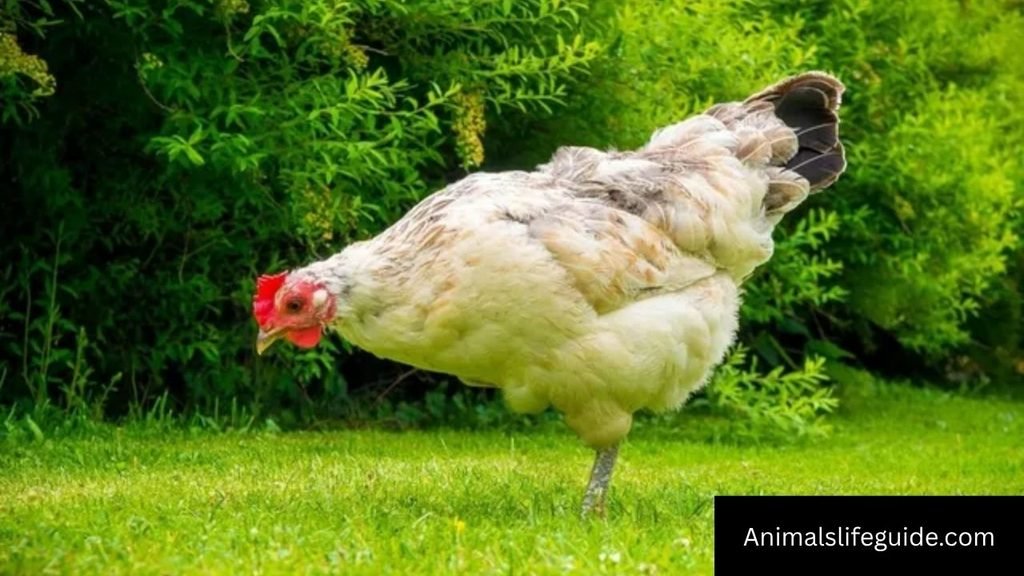
Moreover, hens are known for their diverse personalities — some may be curious explorers, while others play the role of the caretaker, nurturing their chicks even after they’ve reached adulthood. Their capacity for emotion is extraordinary; they form strong bonds with their flockmates and can experience stress and joy. In environments that prioritize their welfare, hens exhibit behaviors like dust bathing and foraging, showcasing their need for mental and physical stimulation. This deeper understanding of hen behavior not only highlights their complexity but also emphasizes the importance of humane treatment and enriched living conditions in poultry farming.
Gar
Scientific Name: Lepisosteus
Class: Actinopterygii
Diet: Carnivore
The gar, a prehistoric fish that has existed for over 100 million years, offers a fascinating glimpse into the past. Known for its elongated body and armored scales, this ancient creature reminds us that evolution can create remarkably resilient designs. Its unique adaptations, such as a specialized swim bladder that allows it to gulp air, enable the gar to thrive in low-oxygen environments where many other fish would perish.
Interestingly, gar have developed an almost stealthy hunting style; they can remain motionless for long periods, camouflaged against the aquatic backdrop, before striking with lightning speed to snatch unsuspecting prey. These ambush predators rely not only on their acute sense of sight but also their ability to detect vibrations, showcasing an intricate balance of sensory adaptations. Furthermore, the gar’s role in its ecosystem as both predator and prey highlights a delicate balance, making it an essential player in maintaining aquatic health. As more people become aware of this remarkable fish, conservation efforts are gaining momentum to protect gar habitats and ensure these living fossils continue to thrive.
Doe
Scientific Name: Cervidae
Class: Mammalia
Diet: Herbivore
Does, the female counterpart of deer, showcase remarkable adaptability across various habitats. These graceful creatures are deeply attuned to their environment, often forming strong bonds within herds while displaying a keen sense of awareness when it comes to potential threats. Interestingly, their social behavior changes throughout the seasons; during the rut, males become solitary, leaving does to nurture young fawns — an instinctive response that highlights their protective nature and ensures the survival of the next generation.
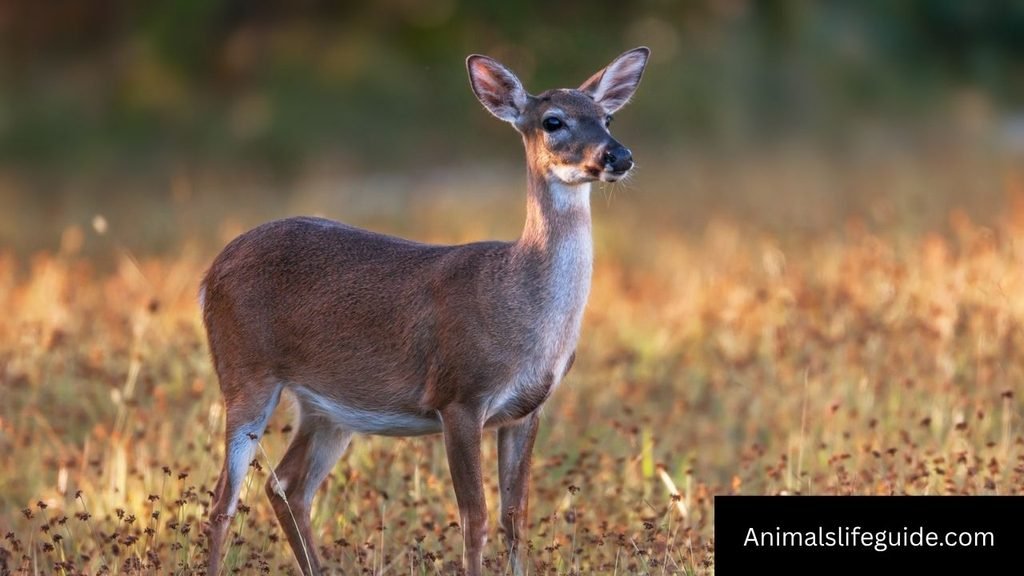
Moreover, does have an impressive digestive system that allows them to thrive on a diet primarily composed of leaves, twigs, and various types of vegetation. This unique ability to extract nutrients from fibrous plant material through a specialized stomach makes them pivotal in their ecosystems. By grazing and browsing, does help maintain plant diversity and promote the health of their habitats, ultimately benefiting countless other species that rely on these environments. Their role is not only critical for their own survival but also crucial for the broader ecological balance.
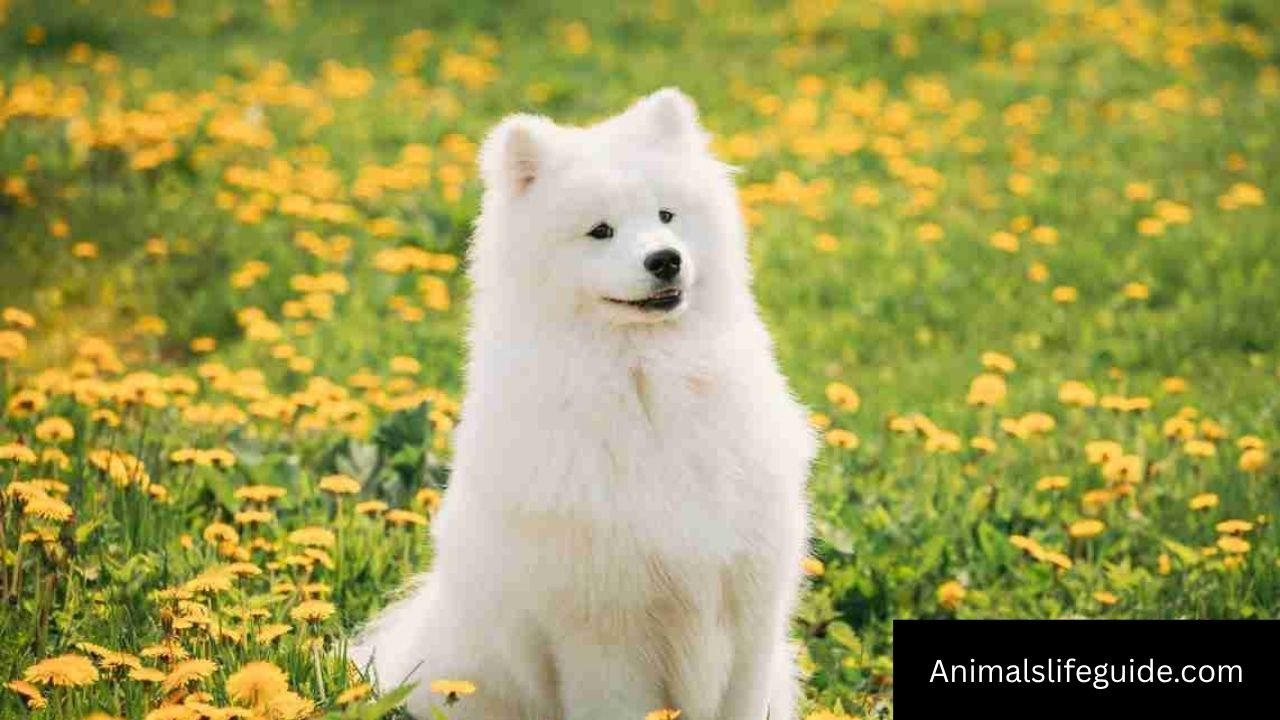
Dog
Scientific Name: Canis lupus familiaris
Class: Mammalia
Diet: Omnivore
Dogs have an extraordinary ability to perceive human emotions, a skill rooted in their history as companions to humans. Studies reveal that dogs can differentiate between happy and angry facial expressions, often responding with increased affection or playfulness to positive emotions. This emotional intelligence isn’t just endearing; it’s a testament to their evolution alongside humans, fostering a bond that transcends language.
Moreover, the unique diversity of dog breeds showcases not only physical variety but also behavioral traits adapted for different tasks. From the agile Border Collie, which excels at herding, to the gentle giant Great Dane, bred for guarding and companionship, each breed offers insights into their specialized roles in human history. This remarkable adaptability illustrates how dogs have shaped our lives, transforming from mere companions to indispensable partners in various fields, including therapy and search-and-rescue operations. As canine companions continue to enrich our world, their remarkable qualities remind us of the profound interconnection between species.
Ape
Scientific Name: Hominoidea
Class: Mammalia
Diet: Omnivore
Ape communication is surprisingly complex, showcasing a rich tapestry of vocalizations, gestures, and facial expressions. Research has unveiled that many ape species, such as chimpanzees and orangutans, use distinct sounds for specific situations, exhibiting an early form of language. Interestingly, they not only communicate with each other but also use tools to alter their environment and signify intent, demonstrating a level of cognitive ability that blurs the line between instinct and learned behavior.
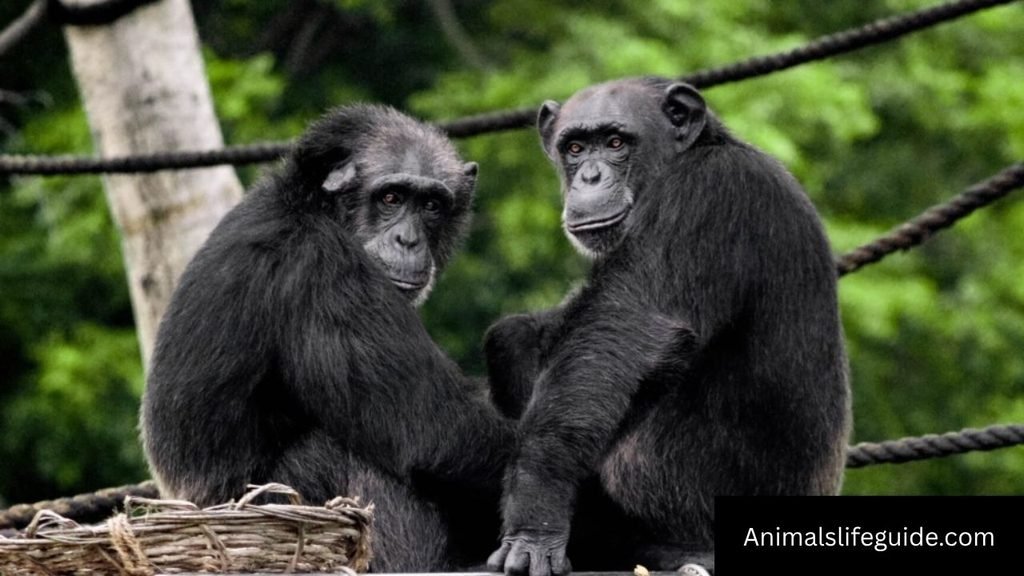
Social structures among apes are equally enthralling. For instance, bonobos are known for their matriarchal societies, where females often lead and form strong bonds, challenging traditional notions of dominance seen in other primate groups. This unique organization not only influences their social interactions but also underscores the diversity in how intelligence and community can manifest. By studying these intricate dynamics, we gain insight into evolutionary paths and the nuances of behavior that resonate beyond the animal kingdom.
Jay
Scientific Name: Garrulus glandarius
Class: Aves
Diet: Omnivore
Jays are not just strikingly beautiful; they are also incredibly intelligent birds. Belonging to the Corvidae family, which includes ravens and crows, jays exhibit complex social behaviors and problem-solving abilities. For instance, studies have shown that these birds can recognize human faces and will remember whether they’ve encountered friendly or threatening individuals, adjusting their behavior accordingly. This cognitive prowess is a clear indication of their adaptive strategies for survival and social interactions.
Jays play a crucial role in their ecosystems as seed dispersers. During autumn, they collect and store acorns, which helps in the reforestation of oak trees. Remarkably, a single jay can bury thousands of acorns in a season, making them unsung heroes of forest regeneration. This behavior not only sustains their habitat but also supports a plethora of other wildlife species that rely on these trees for food and shelter. Their penchant for hoarding highlights a fascinating intersection between instinct and environmental stewardship.
Emu
Scientific Name: Dromaius novaehollandiae
Class: Aves
Diet: Omnivore
Emus, Australia’s largest flightless birds, boast a fascinating blend of resilience and adaptability. Standing at nearly six feet tall, these remarkable creatures can sprint up to 30 miles per hour, making them one of the fastest-running birds in the world. Unlike their distant relatives, the ostriches, emus are equipped with three toes, providing them with unique agility and balance as they navigate their rugged habitats. Their powerful legs not only serve as speed boosters but also work as formidable defenses against predators.
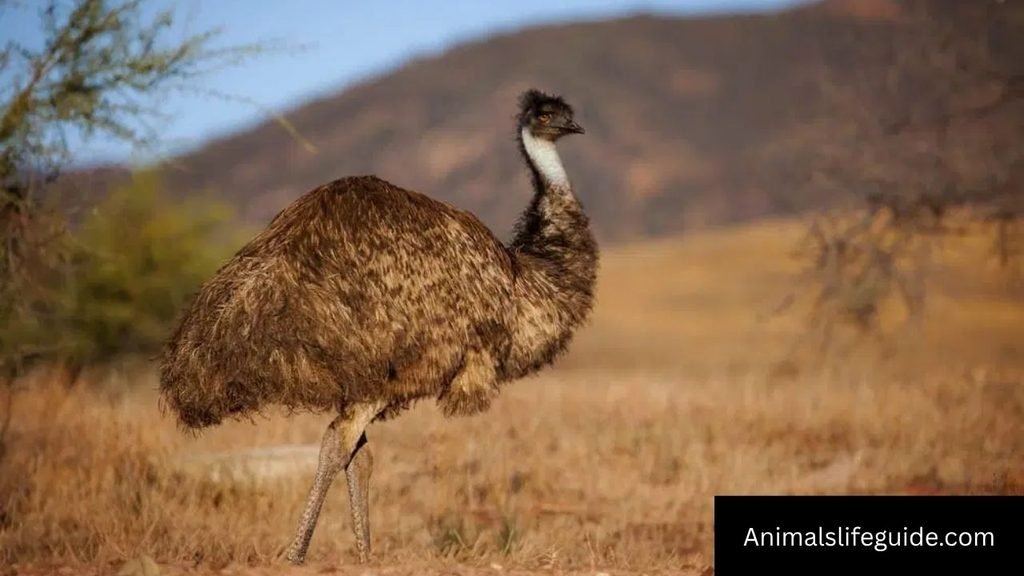
In a surprising twist to their narrative, emus are exceptional parents. Male emus assume the role of dedicated caregivers, responsible for incubating the eggs and nurturing the chicks once they hatch. This role reversal in parenting behaviors showcases a lesser-known but profound aspect of avian life: cooperative breeding. Interestingly, emus also communicate through a variety of vocalizations, including deep rumbles and booming calls that resonate through the Australian outback, effectively echoing their presence in the vast landscapes. Observing these social dynamics and adaptations in emus can offer valuable insights into the broader ecological relationships within their ecosystems.
Rat
Scientific Name: Rattus norvegicus
Class: Mammalia
Diet: Omnivore
Rats are often misunderstood creatures, overshadowed by negative stereotypes. One fascinating fact is their remarkable social intelligence; they form complex social structures, communicate through a variety of sounds, and even show empathy towards their companions. In laboratory settings, rats have demonstrated the ability to exhibit concern for distressed peers, highlighting their emotional depth and social bonds.
Moreover, these adaptable critters have an impressive memory. Studies show that rats can navigate complex mazes not just by utilizing their senses but also by recalling prior experiences and learning from them. This cognitive ability plays a crucial role in their survival, allowing them to avoid predators and optimize their foraging strategies in ever-changing environments. Far from being mere pests, rats showcase resilience and adaptability, challenging us to reconsider our perceptions of them.
Read More: Explore Top 16 Animals With Tentacles.
Final Thoughts
Exploring the realm of animals with three-letter names reveals not just the simplistic beauty of their titles but also the rich tapestry of existence they represent. Each creature, whether it’s a lively “bee” or a majestic “elk,” contributes to the intricate web of life in its own way. By delving into their stories, we’re reminded of the many ways we are interconnected with the animal kingdom. This exploration can spark interest in conservation and the protection of habitats around the world. Let’s continue to learn and advocate for the animals that share our planet, no matter how small their names may be!