Top 12 Animals That Can Change Color (With Images)
The world of Animals That Can Change Color is not just a fascinating spectacle but also a vivid lesson in survival, communication, and adaptation. This article will explore the incredible mechanisms behind color-changing abilities and highlight various species that utilize this remarkable trait. By the end, you’ll gain a deeper appreciation for these masters of camouflage and their role in the animal kingdom.
List of Animals That Can Change Color
Below is the list animals that can change color:
- Chameleon
- Stoat
- Arctic Hare
- Gray Tree Frog
- Hogfish
- Rock Ptarmigan
- Cuttlefish
- Crab Spider
- Seahorse
- Peacock Flounder
- Caribbean Reef Squid
- Octopus
Chameleon
Scientific Name: Chamaeleonidae
Class: Reptilia
Diet: Carnivore / Insectivore
Chameleons are often celebrated for their spectacular ability to change color, but this skill extends beyond mere aesthetics. While many people associate color change with camouflage, chameleons primarily utilize this fascinating ability to communicate. During mating season, males display vibrant hues to attract females, while also signaling dominance to rival males through their shifting shades. This visual language is a complex interplay of emotions and intentions, transforming the chameleon’s skin into a dynamic canvas of social interaction.
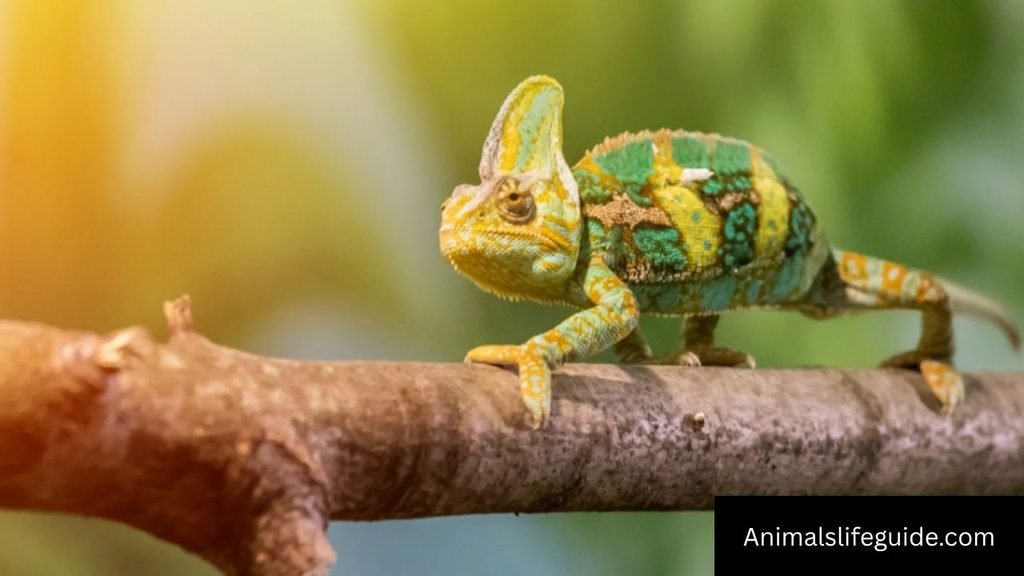
Their color transformation relies on specialized cells called chromatophores, which contain different pigments. These cells are layered beneath the surface of their skin, allowing for a myriad of color combinations depending on muscle contractions and environmental stimuli. Interestingly, chameleons can also react to their surroundings by altering their color based on temperature and light, showcasing a remarkable link between their physiology and habitat. This adaptation not only helps them evade predators but also enables them to regulate their body temperature effectively, highlighting the intricate balance between survival and social engagement in their vivid world.
Stoat
Scientific Name: Mustela erminea
Class: Mammalia
Diet: Carnivore
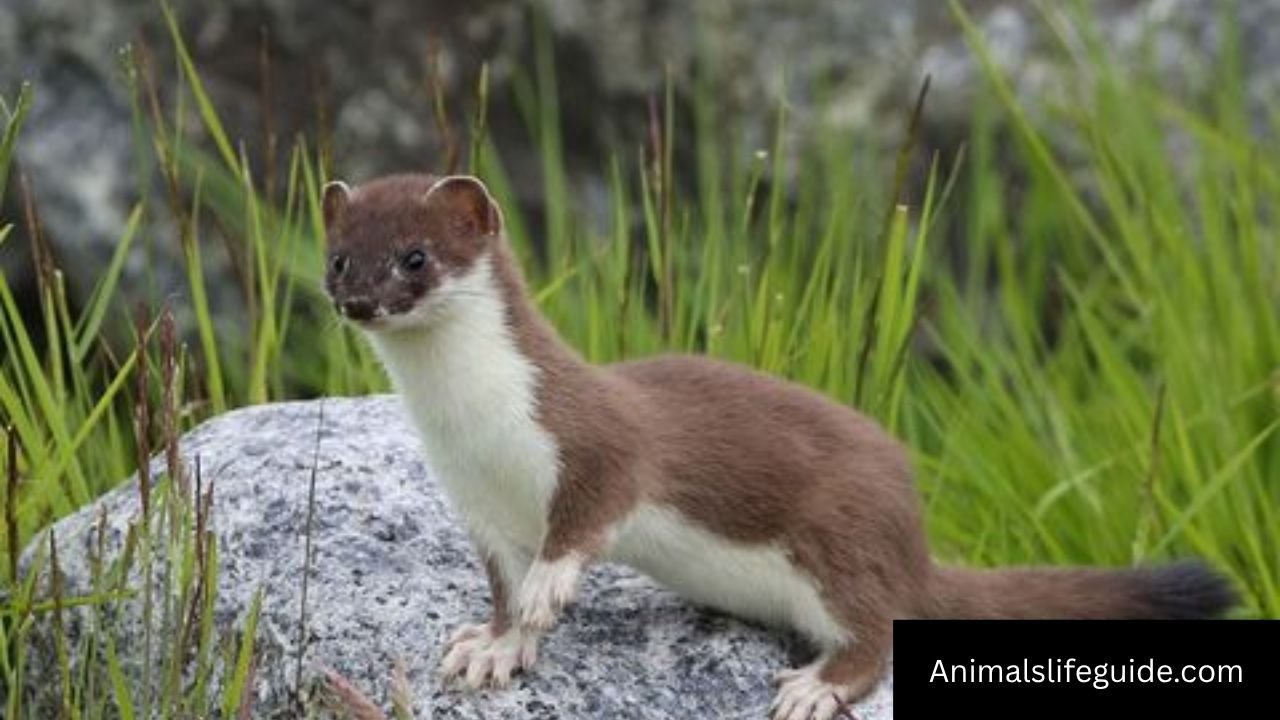
The stoat, also known as the short-tailed weasel, showcases a remarkable ability to change color with the seasons, a survival tactic that underscores nature’s ingenuity. In warmer months, its fur is a rich, chocolate-brown, allowing it to blend seamlessly into the earthy tones of its environment. However, as winter approaches, it undergoes a transformation into a striking white coat, providing camouflage against the snow — a stunning example of adaptive evolution. This seasonal metamorphosis not only enhances its stealth while hunting but also protects it from predators.
What’s particularly intriguing is the stoat’s physiological response to environmental cues, driven by changing daylight hours and temperature shifts. This molecular dance of pigment management allows the stoat to shed its brown fur and grow a new, warm white coat, showcasing nature’s artistry in action. Interestingly, despite this albinistic winter attire, stoats can also develop dark-tipped tails, a delightful touch that contrasts against the white backdrop, helping them maintain an edge in communication and identification within their species. The stoat’s color-changing ability is not merely a survival mechanism; it is a testament to the delicate balance of ecosystem interactions, reminding us of the breathtaking adaptability inherent in the animal kingdom.
Arctic Hare
Scientific Name: Lepus arcticus
Class: Mammalia
Diet: Herbivore
The Arctic hare, a marvel of nature, showcases an incredible ability to adapt its fur color with the changing seasons. In the harsh Arctic landscape, this remarkable creature shifts from a vibrant white in winter — a hue that helps it blend seamlessly into the snow — to a mottled greyish-brown in summer, allowing it to blend into the rocky tundra. This transformation isn’t just for camouflage; it also plays a crucial role in thermoregulation. The seasonal changes in fur help the hare absorb or reflect sunlight, maximizing its chances of survival in extreme temperatures.
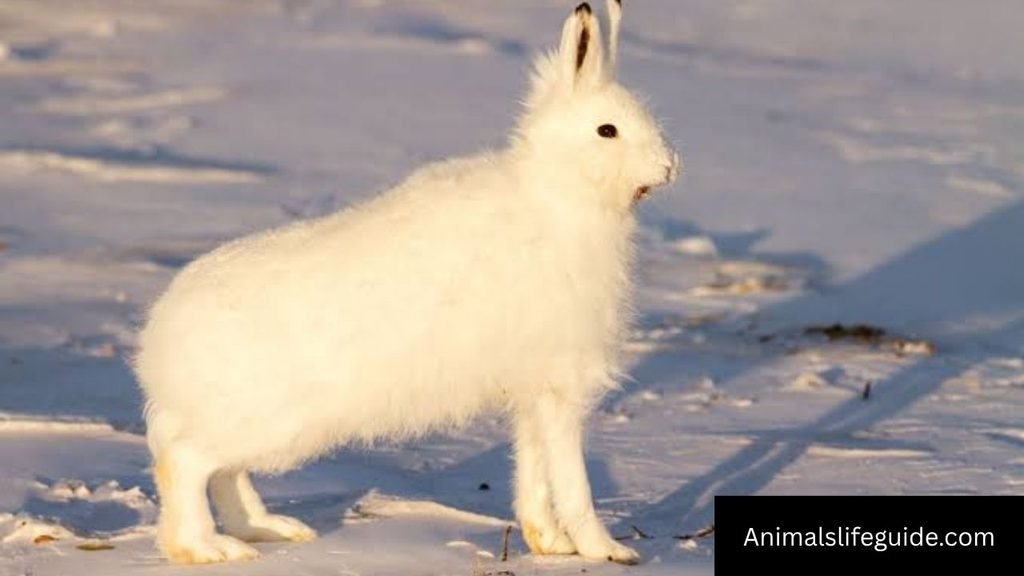
Moreover, the Arctic hare’s color change is a fascinating reflection of its environment and an excellent example of evolutionary adaptation. Unlike many other animals, the Arctic hare’s molt is triggered by changes in daylight rather than temperature, highlighting how closely these animals have adapted to the unique challenges of their habitat. This intricate relationship between the hare and its environment serves as a reminder of the delicate balance of nature, where even the smallest creature plays a pivotal role in the ecosystem. As climate change continues to impact Arctic landscapes, understanding the adaptive strategies of the Arctic hare gives us valuable insights into the resilience of wildlife in the face of rapidly changing conditions.
Readmore: Explore Top 20 Animals With The Best Sense Of Smell.
Gray Tree Frog
Scientific Name: Dryophytes versicolor
Class: Amphibia
Diet: Carnivore / Insectivore
The gray tree frog is a master of optical illusion, capable of transforming its skin color to blend seamlessly with its surroundings. This remarkable ability is not purely for camouflage; it also plays a pivotal role in thermoregulation. By altering their hue from light to dark, these frogs can absorb or reflect varying amounts of sunlight, helping them maintain an optimal body temperature. Imagine the strategic finesse required to adapt to the nuances of seasonal changes in their habitat!
Beyond their aesthetic transformations, gray tree frogs communicate through an intricate language of color changes linked to their emotional state and reproductive readiness. Males display vibrant hues during mating seasons, attracting potential partners and signaling their vitality. This color shift highlights not just physical adaptability but also a fascinating aspect of their social interactions, showcasing nature’s ingenious methods for survival and connection within the world of amphibians. Observing these tiny color-changing wonders invites us to appreciate the complexities of their lives and the delicate balance of ecosystems they inhabit.
Hogfish
Scientific Name: Lachnolaimus maximus
Class: Actinopterygii
Diet: Carnivore
The hogfish, renowned for its vibrant hues, showcases a remarkable ability to change color, enchanting divers and marine enthusiasts alike. These fish can shift between shades of bright pink, yellow, and brown, a talent primarily driven by their mood, environment, and social interactions. This dynamic camouflage not only helps them evade predators but also plays a crucial role in communication during mating displays or territorial disputes.
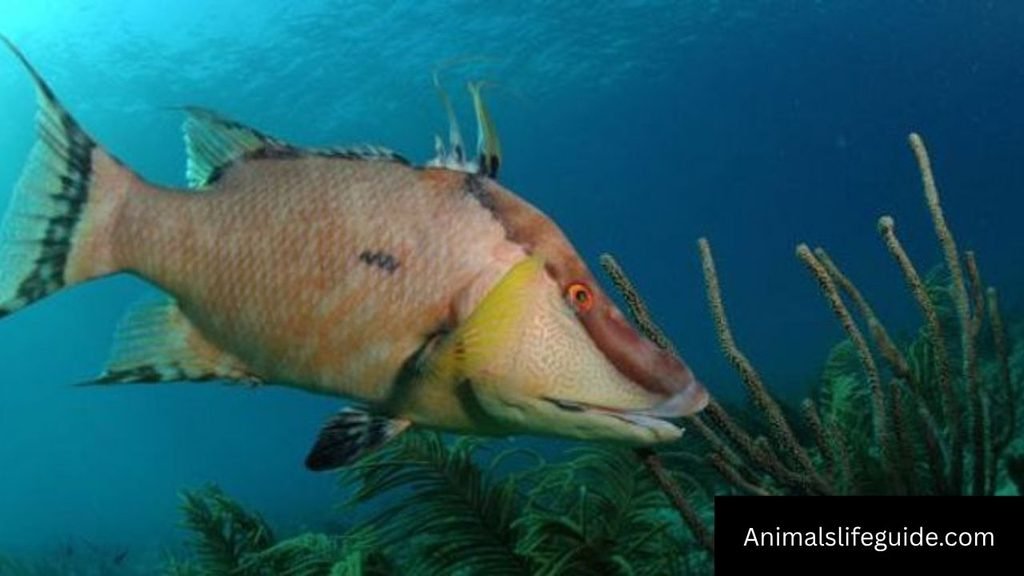
What truly sets the hogfish apart is its specialized skin cells known as chromatophores, which contain different pigments. By expanding or contracting these cells, hogfish craft intricate patterns and colors, adapting rapidly to shifting oceanic backgrounds. This fascinating phenomenon is not just a survival tactic; it reflects the hogfish’s intricate relationships within the reef ecosystem, demonstrating how even the most vibrant species rely on subtlety and adaptability in their underwater world.
Rock Ptarmigan
Scientific Name: Lagopus muta
Class: Aves
Diet: Herbivore
The rock ptarmigan, a master of disguise in the Arctic tundra, captivates nature enthusiasts not only with its stunning appearance but also with its remarkable adaptability. In summer, these birds flaunt a mottled brown plumage, blending seamlessly with the rocky terrain and surrounding foliage. However, as winter blankets their habitat in snow, they undergo a breathtaking transformation, donning pure white feathers. This seasonal camouflage serves a dual purpose: it helps evade predators and contributes to effective thermoregulation in frigid conditions.
What sets the rock ptarmigan apart from other color-changing species is its unique reliance on environmental cues, such as daylight duration and ambient temperature, to trigger this metamorphosis. Studies show that they possess specialized photoreceptors in their skin, enhancing their sensitivity to light changes — an adaptation finely tuned over millennia. The ptarmigan’s survival hinges on this incredible ability, demonstrating nature’s artistry in blending beauty with functionality, and reminding us of the profound connections between wildlife and their habitats.
Cuttlefish
Scientific Name: Sepiida
Class: Cephalopoda
Diet: Carnivore
Cuttlefish possess a mesmerizing ability to change color, a skill that goes beyond mere camouflage. These cephalopods utilize specialized cells called chromatophores, which expand and contract to produce vibrant displays in a matter of seconds. What’s truly astonishing is how cuttlefish can communicate complex emotions and intentions through these color shifts, conveying everything from mating readiness to warnings for potential predators. This color language is not just for show; it plays a critical role in their survival tactics.
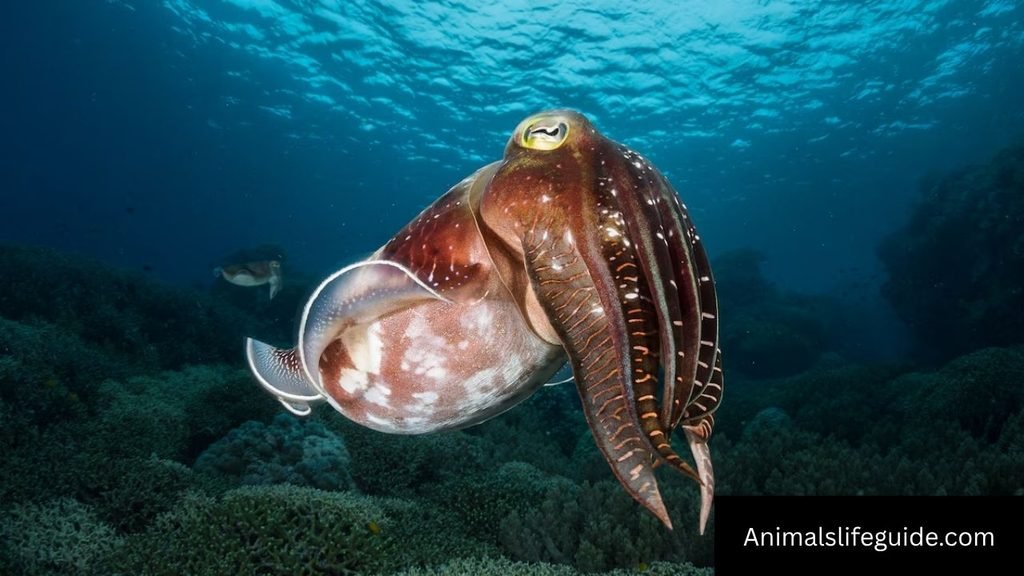
Recent studies have shown that cuttlefish also exhibit a form of color synesthesia, meaning they can interpret and respond to their environment with a sophisticated understanding of color patterns. The implications are profound: this suggests a level of cognitive function far beyond what researchers originally assumed for these mollusks. Observing a cuttlefish change its hue in response to its surroundings feels like witnessing an underwater artist at work — one that manipulates the very fabric of its being, illustrating an intimate bond with its environment. It’s a vivid reminder of the wonders of evolution and the adaptability inherent in nature.
Crab Spider
Scientific Name: Thomisidae
Class: Arachnida
Diet: Carnivore
The crab spider is a master at camouflage, seamlessly blending into its surroundings to become nearly invisible to both prey and predators. This remarkable ability isn’t just for show; it’s an evolved survival tactic that allows the spider to adapt to various environments. By shifting its coloration to match flowers or foliage, the crab spider ambushes unsuspecting insects with remarkable precision. It’s a stealthy predator that embodies the adage “the best offense is a good defense.”
What makes the crab spider particularly fascinating is its method of color change. Unlike chameleons that actively shift their hues, crab spiders rely on environmental factors and hormonal changes for transformation. This can lead to some striking contrasts, especially when a spider transitions from a vibrant yellow to a ghostly white, reflecting the colors of its surroundings. Such adaptability challenges our understanding of animal communication and perception, raising questions about how these spiders interpret their world and how color plays into the dynamics of predation and reproduction.
Seahorse
Scientific Name: Hippocampus
Class: Actinopterygii
Diet: Carnivore
The seahorse is a mesmerizing marvel of the underwater world, renowned not just for its unique shape but also for its remarkable ability to change color. This skill isn’t merely for show; it plays a crucial role in their survival. By blending into their surroundings or mimicking the hues of nearby corals and sea plants, seahorses can evade predators and increase their chances of survival. This chameleon-like behavior is facilitated by specialized cells in their skin called chromatophores, which expand and contract to reveal or hide different pigments.
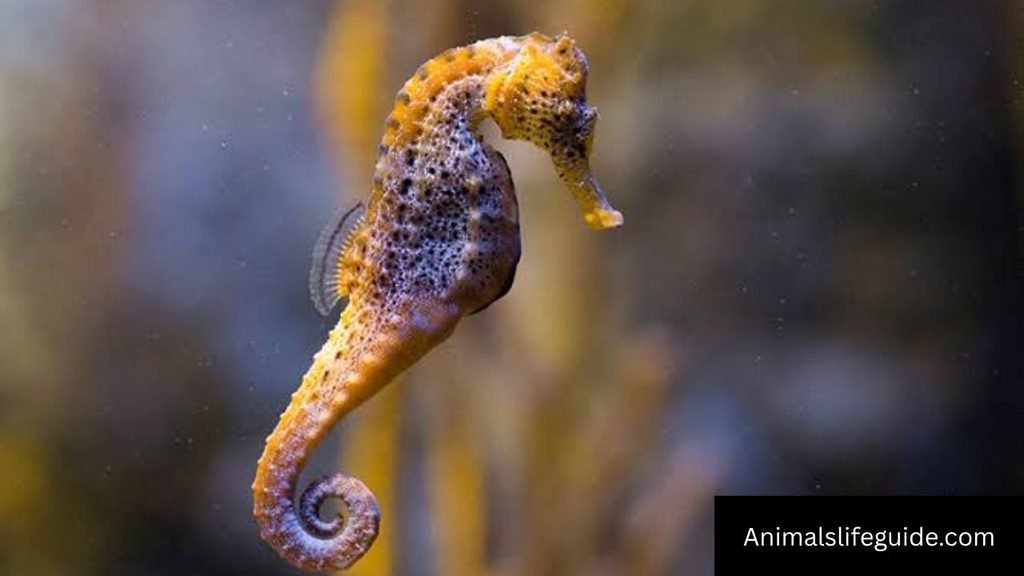
Moreover, the changing colors of seahorses can also reflect their emotional state, particularly during mating rituals. When courtship begins, male and female seahorses engage in a captivating dance, during which they change colors to communicate their readiness and attraction. This intricate form of expression showcases not only their adaptability but also the complexity of social interactions in marine life. Fascinatingly, the vibrancy of a seahorse’s colors can also indicate its health; brighter colors often signify vigor, while duller tones can indicate stress or illness. Thus, the color-changing ability of seahorses is a multifaceted adaptation, crucial for survival, communication, and showcasing resilience in the deep blue sea.
Peacock Flounder
Scientific Name: Bothus lunatus
Class: Actinopterygii
Diet: Carnivore
Among the most fascinating beings in the animal kingdom, the seahorse stands out not just for its unique appearance but also for its ability to change color. Unlike the more well-known chameleons, seahorses adopt a shimmering palette by adjusting their pigmentation and the structural qualities of their skin, allowing them to blend into their coral reef environments. This talent isn’t merely for camouflage; it serves various purposes such as communication, mood expression, and even temperature regulation.
Interestingly, a seahorse’s color change can indicate its health or readiness to mate, adding a layer of complexity to their social behaviors. Those interactions can be as vibrant as the colors they display; males and females engage in a captivating dance that culminates in a stunning display of hues. This dynamic not only enhances their bond but also strengthens their position within their habitat, turning their color-changing ability into a vital aspect of their survival strategy. Delving into the vibrant world of seahorses offers a glimpse into a life filled with secrets, dynamics, and a colorful narrative that shapes both their environment and their community.
Caribbean Reef Squid
Scientific Name: Sepioteuthis sepioidea
Class: Cephalopoda
Diet: Carnivore
The Caribbean Reef Squid is a master of camouflage, showcasing a dazzling spectrum of colors that can shift with astonishing speed. This ability is not just for hiding from predators; it plays a crucial role in communication and mating rituals. Observers have marveled at the rapid transformation of their skin, which can shift from deep purples and blues to vibrant reds and yellows, all in the blink of an eye. Such versatility is achieved through specialized cells known as chromatophores, which expand or contract to display different pigments.
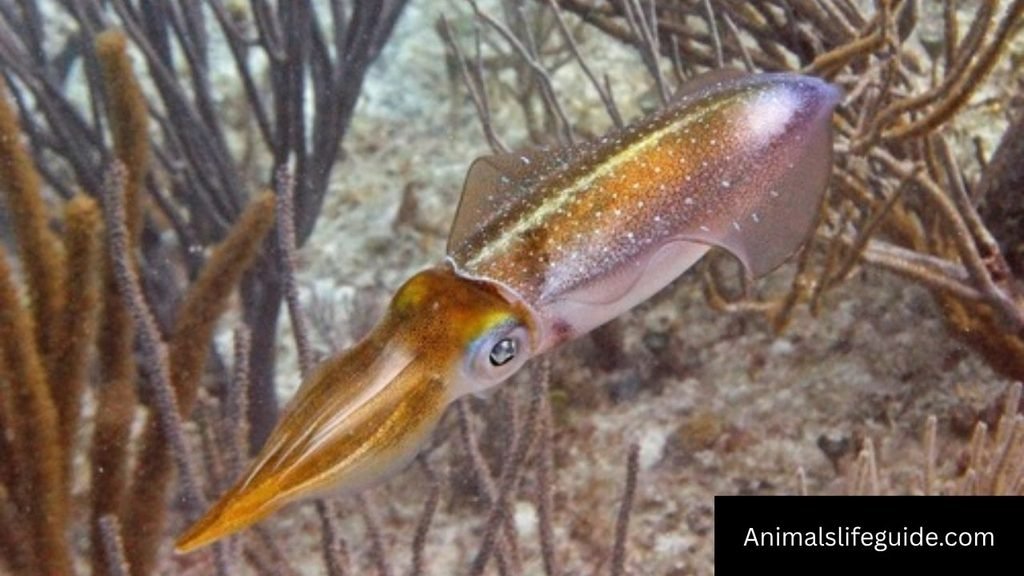
Beyond mere survival, the Caribbean Reef Squid utilizes its color-changing prowess to express emotions and intentions. For instance, during courtship, males may adopt brighter hues to attract potential mates while displaying intricate patterns that signal fitness and vigor. This dynamic interplay of color can also send messages to other squids in the vicinity, creating a vivid underwater dialogue that’s as complex as any spoken language. As our fascination with these cephalopods deepens, we’re left wondering just how much more they communicate beneath the surface, cloaked in their ever-changing brilliance.
Octopus
Class: Cephalopoda
Diet: Carnivore
Octopuses are remarkable masters of disguise, showcasing the incredible ability to change color and texture almost instantaneously. This remarkable skill is not just for evasion; it serves multiple purposes, including communication and signaling to potential mates. By manipulating specialized cells in their skin called chromatophores, they expand or contract pigments, creating a dazzling display of colors that can shift from brilliant reds to muted browns and even striking blues.
Moreover, their ability to mimic the textures of their environment enhances their camouflage, allowing them to blend seamlessly with rocky seabeds or vibrant coral reefs. Recent studies have revealed that octopuses may even alter their color patterns in response to emotional stimuli, such as excitement or aggression, hinting at a level of social interaction previously unappreciated. As researchers probe deeper into this phenomenon, it becomes evident that these color-changers are not just shapeshifters but intricate communicators in the vast underwater world. Their evolution has equipped them with tools not merely for survival, but for complex social behaviors that reflect a fascinating aspect of marine intelligence.
Readmore: Explore Top 5 Animals With Multiple Hearts.
Final Thoughts
The ability of certain animals to change color is a fascinating adaptation that plays a crucial role in their survival. From the vibrant chameleons to the elusive octopuses, these creatures showcase the incredible diversity of nature’s designs. Color change serves various purposes, including camouflage, communication, and temperature regulation, highlighting the complexity of animal behavior and physiology.
As research continues to uncover the mechanisms behind this phenomenon, we gain a deeper appreciation for the intricate relationships within ecosystems. Let us celebrate and protect these amazing animals and their habitats, ensuring their remarkable abilities continue to inspire future generations.