Top 18 Animals With Bad Memory (With Pictures)
From forgetful fish to scatterbrained mammals, the phenomenon of Animals With Bad Memory offers insight into how various species function in the wild. This article will take you on a journey through the animal kingdom, showcasing how these creatures survive despite their memory challenges. By the end, you’ll appreciate the diverse strategies animals employ to thrive, even when their memories fail them.
List of Animals With Bad Memory
Here is the list of animals that have bad memory:
- Goldfish
- Ostrich
- Jellyfish
- Koala
- Sea Sponge
- Moth
- Baboons
- Turkey
- Hamsters
- Sea Star
- Seals
- Giant Panda
- Sea Cucumber
- Sloth
- Bees
- Earthworm
- Chicken
- Giraffes
Goldfish
Scientific Name: Carassius auratus
Class: Actinopterygii
Diet: Omnivore
Goldfish, often portrayed as the epitome of forgetfulness, surprisingly offer more than just clichés. With a memory span traditionally stated to last only a few seconds, recent studies have revealed that goldfish can actually remember specific tasks and navigate mazes for several months. This challenges the long-held belief that they possess such limited cognitive abilities.
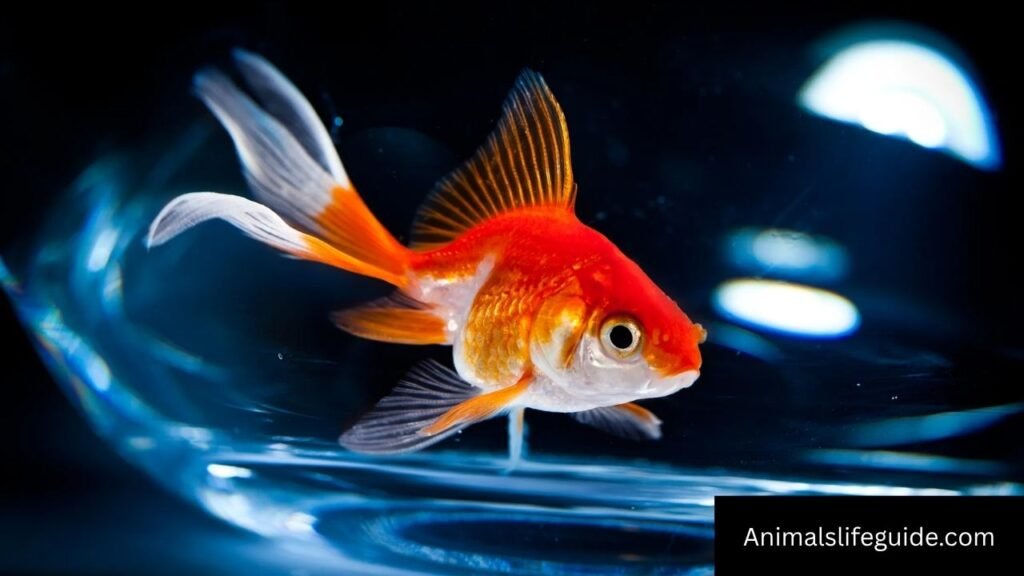
Their ability to adapt to their environment goes beyond mere survival instincts; it’s a testament to their natural intelligence. For instance, goldfish can recognize their owners and respond to cues, showcasing a level of engagement that implies a more nuanced memory than previously thought. This newfound understanding encourages us to consider the diverse cognitive landscapes within the animal kingdom, pushing us to appreciate these vibrant creatures in a new light, rather than dismissing them as mere aquatic ornaments.
Ostrich
Scientific Name: Struthio camelus
Class: Aves
Diet: Omnivore
The ostrich, the world’s largest bird, has often been inaccurately characterized by its presumed poor memory. While popular lore suggests that these flightless giants bury their heads in the sand to avoid danger, this behavior actually stems from a natural instinct to hide from predators rather than an intelligence deficit. In truth, ostriches are surprisingly alert creatures, capable of processing their environment with a keen awareness. Their large eyes and exceptional eyesight help them spot threats from a distance, allowing them to react quickly, showcasing an acute ability to adapt despite what their memory suggests.
Interestingly, ostriches can remember specific locations for food and water, yet their ability to retain detailed memories over long periods is not their strong suit. This tendency appears to be a form of evolutionary trade-off; the bird’s survival skills hinge more on immediate threat perception rather than long-term recall. In a landscape where being naturally adept at fleeing from predators is vital, an enhanced memory may not offer the same survival advantage. Hence, ostriches exemplify a fascinating balance of survival instincts, relying less on memory and more on instinctual behavior to thrive in their expansive habitats.
Jellyfish
Class: Scyphozoa
Diet: Carnivore
Jellyfish are fascinating creatures, not just because of their ethereal beauty but also due to their curious neurological makeup. Lacking a brain, jellyfish possess a simple nerve net instead, which enables them to respond to stimuli without true memory capabilities. This means they might swim away when threatened but won’t remember the encounter. Imagine moving through life with no recollection of danger — it’s both liberating and perilous!
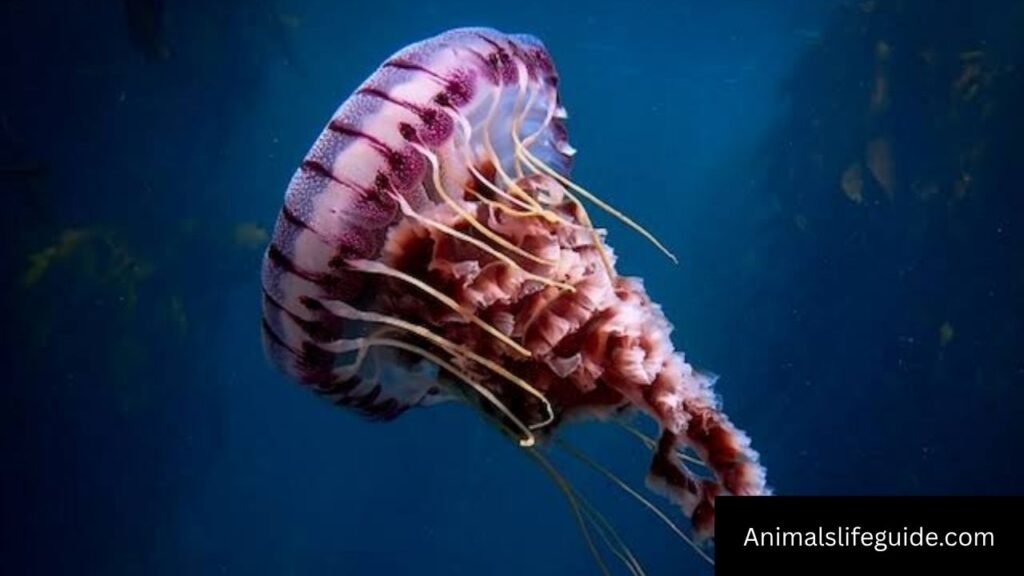
Interestingly, this lack of memory could be an evolutionary advantage. By not dwelling on past threats or experiences, jellyfish can focus on their immediate environment, allowing them to adapt and survive in a constantly changing ocean. Plus, this mentality reflects a unique survival strategy: they can thrive without the emotional baggage that other animals carry. In a world where many creatures learn from past experiences, jellyfish serve as a reminder of an alternative way of existing — one that embraces the here and now, untethered by the past.
Koala
Scientific Name: Phascolarctos cinereus
Class: Mammalia
Diet: Herbivore
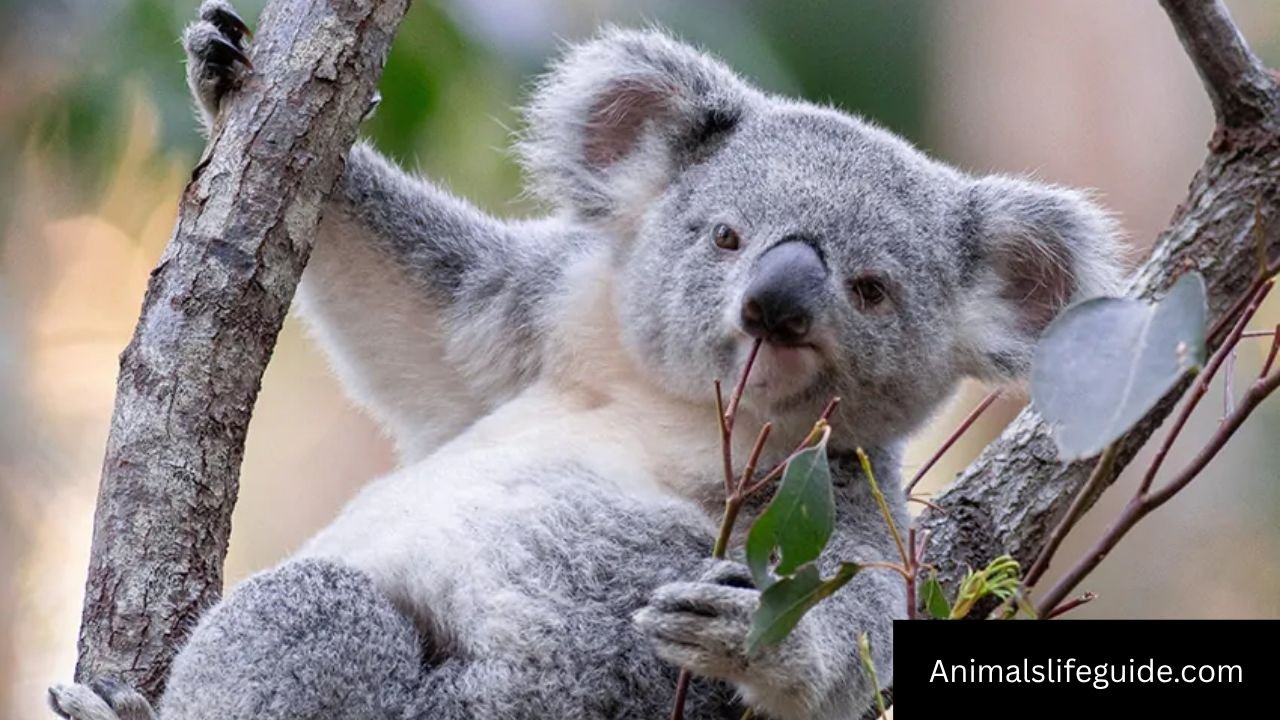
Koalas, often considered the poster children of Australian wildlife, are not just adorable tree-huggers; they also possess notoriously poor memories. This lack of recollection can have surprising implications for their survival. For instance, their dependence on eucalyptus leaves, which come in hundreds of varieties, means that forgetting where specific trees are could result in missed opportunities for vital nutrition. In their natural habitat, a koala may not locate a preferred feeding tree if it doesn’t remember its location from past foraging trips.
Interestingly, this memory deficiency might actually be an evolutionary trait that allows koalas to focus on immediate needs rather than long-term survival strategies. Living in a habitat that is relatively stable and predictable, koalas may thrive by relying more on instinct than intricate memory, conserving mental energy for essential tasks like feeding and mating. This perspective invites us to rethink how we interpret intelligence in animals, challenging the notion that a good memory always equates to success in the wild. Instead, the koala’s unique approach to survival offers a fascinating glimpse into the diverse adaptations that species develop in response to their environments.
Sea Sponge
Scientific Name: Spongia officinalis
Class: Demospongiae
Diet: Filter feeder
The sea sponge, often overlooked in discussions of marine life, showcases an intriguing relationship with memory — or the lack thereof. Unlike more complex organisms, sponges operate on a biological level that doesn’t require memory in the traditional sense. Their simple cellular structure allows them to respond to environmental stimuli without retaining information about their experiences. This offers a fascinating perspective on what “memory” truly means in the animal kingdom.
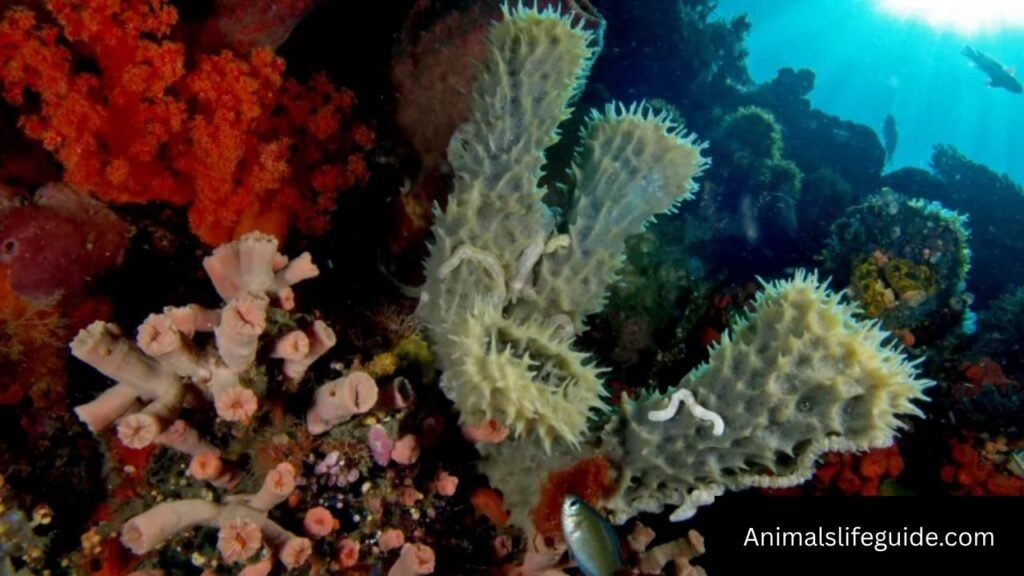
Imagine existing in the depths of the ocean, thriving in a world full of predators and pollutants, yet being utterly oblivious to past threats. Sponges filter water for nutrients and react to changes in their environment through immediate, instinctual responses, which challenges the conventional understanding of intelligence and awareness. This unique approach might seem like a disadvantage at first glance, but it highlights the efficiency of their evolutionary adaptations — allowing them to focus solely on survival rather than navigating a complex web of memories. In the grand tapestry of marine life, sponges remind us that survival comes in many forms, and sometimes, ignorance can be bliss.
Moth
Class: Insecta
Diet: Herbivore
Moths, often overshadowed by their more colorful butterfly relatives, possess a memory that is intriguingly limited. Studies suggest that these creatures can forget information within minutes. While this might seem like a disadvantage in the survival game, it could actually have adaptive benefits. By not clinging to past experiences, moths can continually explore their environments without the weight of previous failures or threats, allowing for a more dynamic foraging strategy.
Interestingly, this ephemeral memory also influences their mating behavior. Male moths, driven by instinct to locate potential partners, might engage in seemingly reckless pursuits. They flit from flower to flower, seemingly oblivious to dangers they might have encountered moments before. In a world where predators lie in wait, this short memory may enable moths to take calculated risks, optimizing their chances for reproduction in an unpredictable environment. Embracing the inevitability of forgetting, they dance through life with a refreshing sense of spontaneity, capturing the elusive shimmer of fleeting moments.
Baboons
Scientific Name: Papio
Class: Mammalia
Diet: Omnivore
Baboons are fascinating creatures, not just for their striking looks and social behaviors, but also for their surprisingly poor memory. Unlike many animals that thrive on complex cognitive tasks, baboons often struggle with recall, particularly when it comes to remembering the faces of individual group members. This seems counterintuitive, considering the importance of social dynamics in their herds. Yet, this trait allows them to live in the moment, adapting fluidly to ever-changing circumstances and hierarchies within their groups.
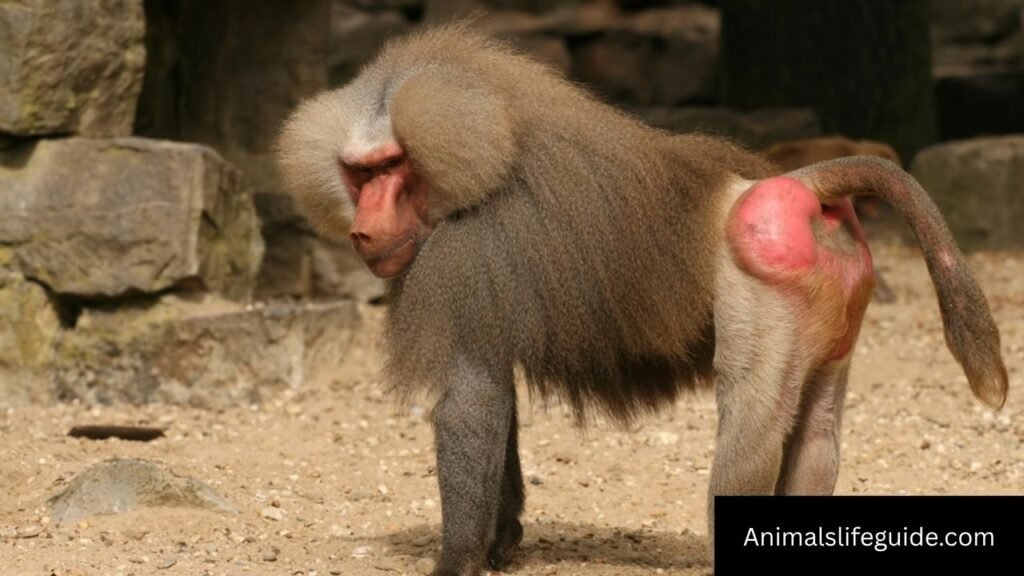
What’s more intriguing is how this memory deficiency can impact their survival strategies. Baboons are notorious for stealing food, and their forgetfulness can be a double-edged sword. While it enables them to take risks in foraging and pilfering, it also means they sometimes leave behind tantalizing food sources without a backward glance. Their ambivalence toward potential rewards reflects a unique evolutionary adaptation, prioritizing immediate gratification over long-term planning. In the wild, where threats and opportunities are ever-present, such impulsive behavior may be a crucial survival tactic in the unpredictable landscape they inhabit.
Turkey
Scientific Name: Meleagris gallopavo
Class: Aves
Diet: Omnivore
Turkeys, often thought of merely as the centerpiece of festive feasts, possess a fascinating quirk: their remarkably poor memory. This avian species, particularly the domesticated varieties, operates on a short-term memory that can be comically ineffective. For example, studies show that turkeys often forget their surroundings within a matter of minutes, creating a unique charm as they clumsily navigate their environment. This characteristic isn’t just absurd but serves as an intriguing evolutionary adaptation, allowing them to repeatedly encounter the same threats — whether from predators or potential dangers — without the weight of past trauma holding them back.
However, this forgetfulness isn’t without its downsides. It leaves turkeys vulnerable, as they easily lose track of important cues, like the presence of food or safe shelter. In a world rife with predators, this lack of memory can be a double-edged sword: while it allows them to approach new situations with naivety, it also exposes them to life-threatening risks. Moreover, in a domesticated setting, their memory lapses can lead to bizarre behaviors, such as forgetting where food is located or even falling victim to an unexpected change in their habitat. These quirks not only make turkeys endearing but also challenge our understanding of animal cognition, inviting us to reconsider what it means to be clever in the animal kingdom.
Hamsters
Scientific Name: Cricetinae
Class: Mammalia
Diet: Omnivore
Hamsters, those tiny bundles of fur that often scurry around their cages, are infamous for their notoriously poor memory. Surprisingly, this forgetfulness may not just be a hindrance but a survival strategy. In the wild, hamsters often reside in burrows where resources can fluctuate quickly. Their short-term memory allows them to focus on immediate needs, ensuring they remember the location of food caches or potential dangers without overthinking the past. This instinctual behavior makes them efficient foragers, capable of navigating through their environment without becoming overwhelmed.
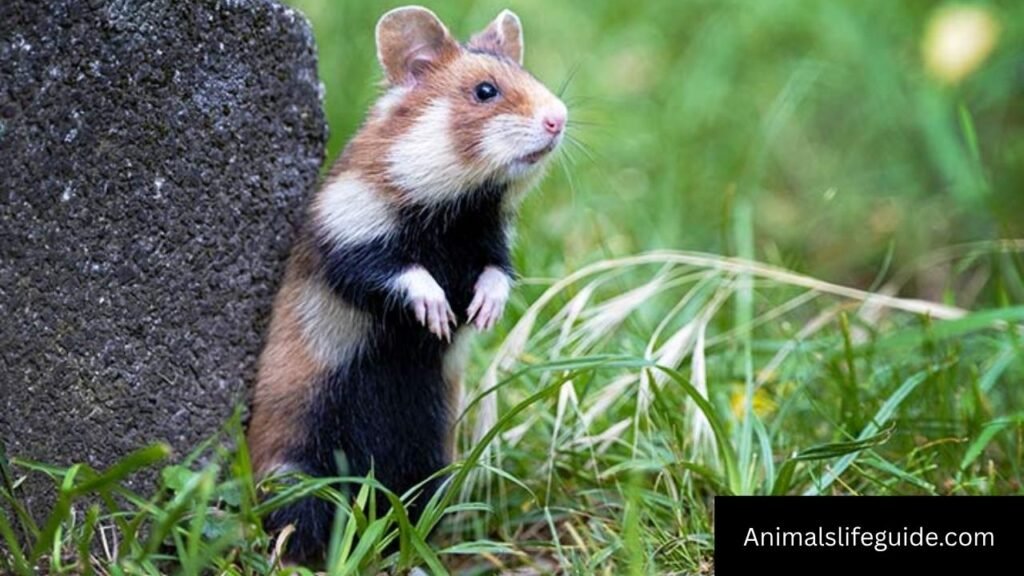
Interestingly, their forgetfulness can also lead to endearing behaviors that showcase their curious nature. For instance, a hamster might forget that it already explored a specific tunnel and venture into it repeatedly, discovering new scents and textures each time. This cyclical exploration not only fulfills their natural curiosity but also encourages mental stimulation and physical exercise — essential components for a happy, healthy hamster. Understanding this aspect of their behavior challenges the stigma surrounding their memory, revealing that even small creatures have captivating adaptations honed by their environments.
Sea Star
Scientific Name: Asterias rubens
Class: Asteroidea
Diet: Carnivore
Sea stars, often mistaken for mere simpletons of the ocean, possess a fascinating yet peculiar cognitive trait: a remarkably short memory span. Research indicates that these echinoderms may not recall past experiences or navigate their environment with the same nuance that other marine animals exhibit. Instead, their survival relies more on instinct and sensory feedback than on memory, leading one to ponder how they thrive in such a complex ecosystem.
While this might seem like a disadvantage, it raises intriguing questions about the nature of intelligence. Sea stars adapt to their surroundings through instinctual behaviors, such as using their tube feet to explore and feed rather than relying on memory to locate food. This innate approach highlights the diverse strategies animals employ to navigate their worlds, reminding us that intelligence can take many forms. So, while a sea star may struggle with recollection, it excels in other areas, showcasing the beauty of evolutionary adaptation in the vibrant tapestry of marine life.
Seals
Scientific Name: Phocidae
Class: Mammalia
Diet: Carnivore
Seals, masters of the ocean, seem to glide seamlessly through their aquatic domains, but when it comes to memory, they might have a bit of a blind spot. Research suggests that certain seal species, such as the harbor seal, exhibit surprisingly poor long-term memory, particularly when it comes to recognizing individual human faces. This limited recall poses intriguing questions about their social behaviors and interactions with both their peers and human counterparts. Imagine a seal that easily forgets the face of a kind-hearted marine biologist who has fed it daily; it’s a testament to the complex interplay between memory and survival in the wild.
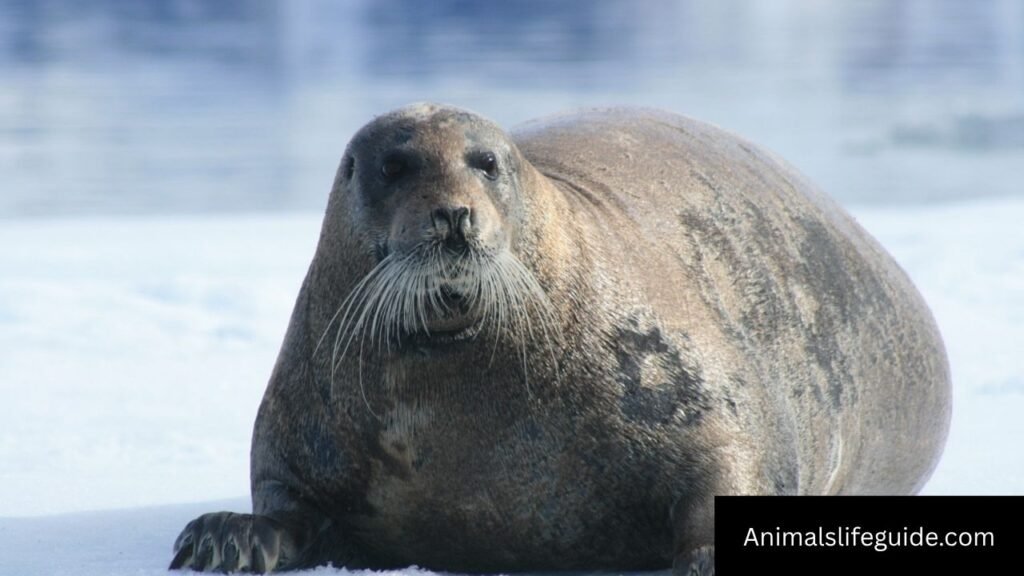
However, seals are not entirely devoid of memory. They possess strong spatial memory that aids in navigating their underwater environments and returning to preferred hunting grounds. This nuanced capacity allows them to thrive, showcasing that memory’s value isn’t always about long-term connections but is instead focused on immediate survival. The juxtaposition between their fleeting social recollections and their acute spatial awareness raises fascinating discussions about how different facets of memory can evolve based on the demands of an animal’s lifestyle, highlighting the unique adaptability of seals in an ever-changing ocean.
Giant Panda
Scientific Name: Ailuropoda melanoleuca
Class: Mammalia
Diet: Herbivore
Giant pandas, celebrated for their adorable appearance, also possess an intriguing quirk: they have a surprisingly poor memory. This trait is particularly fascinating considering their specialized diet, relying almost exclusively on bamboo. Despite living in lush forests filled with plenty of potential food sources, their limited memory can affect their ability to locate new feeding grounds or remember where they last found sustenance. In the wild, this might seem like a disadvantage, yet it highlights the resilience of their natural behaviors; pandas often adapt and change locations between feedings, ensuring they continue to survive.
Research into panda memory suggests that their cognitive abilities are tailored to their ecological needs rather than intricate navigation or problem-solving skills seen in other species. This prompts a reflection on the evolutionary trade-offs animals make — while pandas may not excel in memory, their specialized bamboo consumption allows them to thrive in habitats where food competition is minimal. Interestingly, this poor memory might even play a role in their social interactions; by frequently shifting locations, pandas reduce potential conflicts with one another, reflecting nature’s balanced design. Observing these gentle giants challenges us to reconsider our perceptions of intelligence and adaptability in the animal kingdom.
Sea Cucumber
Scientific Name: Holothuroidea
Class: Holothuroidea
Diet: Detritivore
The sea cucumber, often seen as a humble inhabitant of the ocean floor, offers a fascinating glimpse into the diversity of marine life — particularly when it comes to memory. Contrary to what many might assume about the complexity of underwater creatures, studies have revealed that sea cucumbers possess a rather underwhelming capacity for memory, suggesting that they operate more on instinct and environmental cues than learned experiences. This intriguing lack of memory might be a survival strategy, allowing them to focus on immediate threats rather than getting bogged down by past experiences.
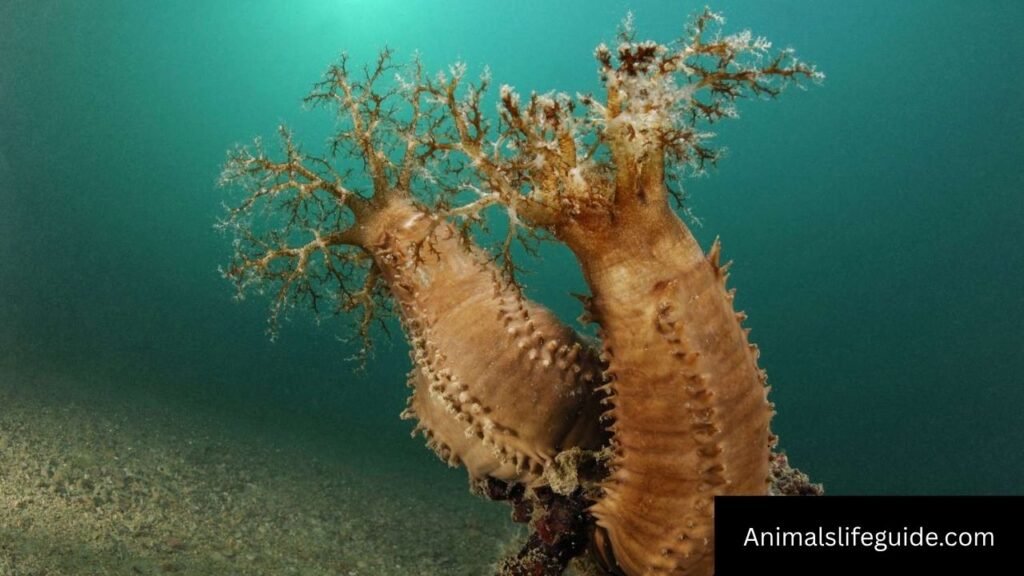
Interestingly, the sea cucumber’s memory — or lack thereof — raises questions about the evolutionary advantages of simplicity in cognitive function. In environments where food scarcity and predators are constant threats, a creature that can react quickly without the burden of recollection might just have the upper hand. This prompts us to consider how varying forms of intelligence manifest in the animal kingdom, challenging our traditional views of what it means to be “smart.” Thus, the seemingly simple sea cucumber not only contributes to marine ecosystems but also invites deeper reflections on the myriad ways life adapts to survive in the vast, unpredictable ocean.
Sloth
Class: Mammalia
Diet: Herbivore
Sloths, often celebrated for their leisurely lifestyle, have another intriguing trait: their surprisingly poor memory. Unlike many of their animal counterparts, sloths rely heavily on instinct and routine rather than memory retention. This lack of memory can be attributed to their minimalistic lifestyle, which requires them to conserve energy and remain undisturbed in their treetop habitats. As a result, they tend not to remember exact locations of food sources or potential dangers, making their world one largely defined by the present moment.
Interestingly, this flawed memory might also be a survival strategy. By living a slow-paced life, sloths can avoid drawing attention from predators and conserve precious energy. Their unique physiology allows them to thrive on a diet of low-nutrition leaves, which means they don’t have to roam far for sustenance. This helps them adapt to a world where a high-stakes memory would only complicate their already laid-back approach to existence. In this way, sloths challenge our conventional understanding of intelligence and memory, reminding us that in the wild, sometimes it’s okay to take life one slow, deliberate day at a time.
Bees
Class: Insecta
Diet: Herbivore
Bees, often celebrated for their remarkable navigation skills and complex social structures, present a surprising twist with their memory capabilities. Research indicates that honeybees may struggle to retain information about floral scents beyond a few days. This short-term memory can seem puzzling, especially considering their intricate foraging behaviors and adept communication through the waggle dance. It suggests a fascinating evolutionary trade-off: by releasing the reliance on long-term memory, bees can adapt more quickly to changing floral environments, leading to better resource utilization.
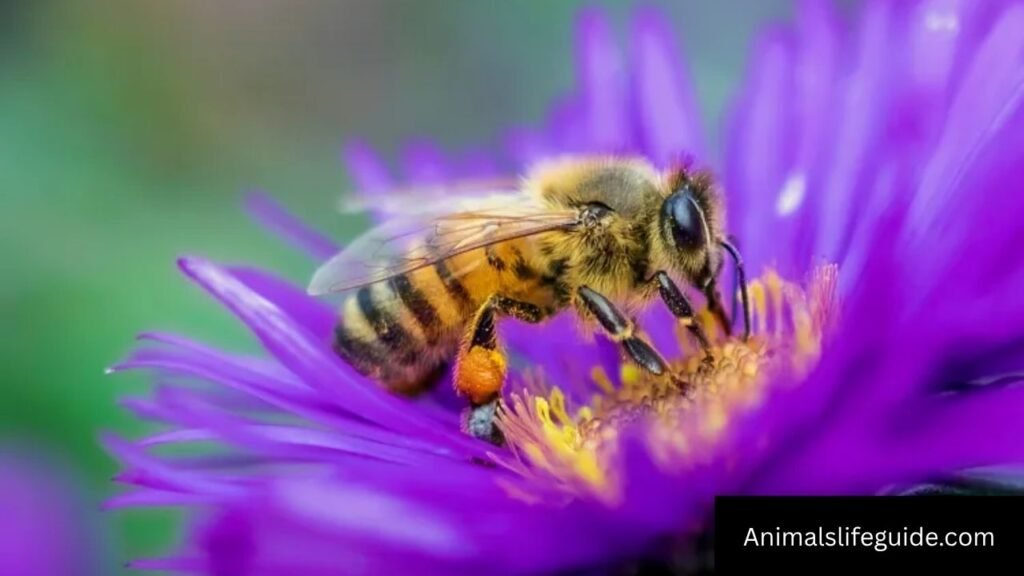
Interestingly, their limited memory might also foster a more collaborative spirit within the colony. Worker bees frequently share what they’ve learned from their foraging experiences, promoting information exchange rather than hoarding knowledge. This communal learning approach not only reinforces the hive’s efficiency but also provides an adaptive edge in a rapidly changing ecosystem. As flowers bloom and fade, the bees’ agile focus allows them to prioritize immediate needs over the past, reinforcing their role as vital pollinators in our environment.
Earthworm
Scientific Name: Lumbricus terrestris
Class: Clitellata
Diet: Detritivore
Earthworms, often overlooked for their simplicity, have an intriguing relationship with memory — or the lack thereof. These creatures possess a surprisingly limited capacity to store memories. Studies suggest that while they can learn basic tasks, like avoiding harmful stimuli, their recollections dissipate quickly, emphasizing an ephemeral nature of memory. This inability to remember might seem like a disadvantage, yet it aligns perfectly with their lifestyle.
In the murky depths of the soil, where vibrant ecosystems thrive, the earthworm’s lack of memory may offer evolutionary benefits. With predators lurking and environmental conditions rapidly changing, relying on instinct rather than memory can be crucial. By moving through the soil without the burden of past experiences, earthworms can swiftly adapt to new environments, prolonging their survival. This paradox showcases how what appears to be a flaw in memory can actually be an elegant adaptation in the intricate tapestry of life beneath our feet.
Chicken
Scientific Name: Gallus gallus domesticus
Class: Aves
Diet: Omnivore
Chickens are often underestimated when it comes to their cognitive abilities, particularly regarding memory. While it’s a common myth that they have no capacity for retention, studies reveal that these feathered creatures can remember individuals and navigate complex environments. In fact, chickens possess a neural structure that allows them to recognize up to 100 different flock members, showcasing a level of social intelligence that contradicts their perceived “bad memory.”
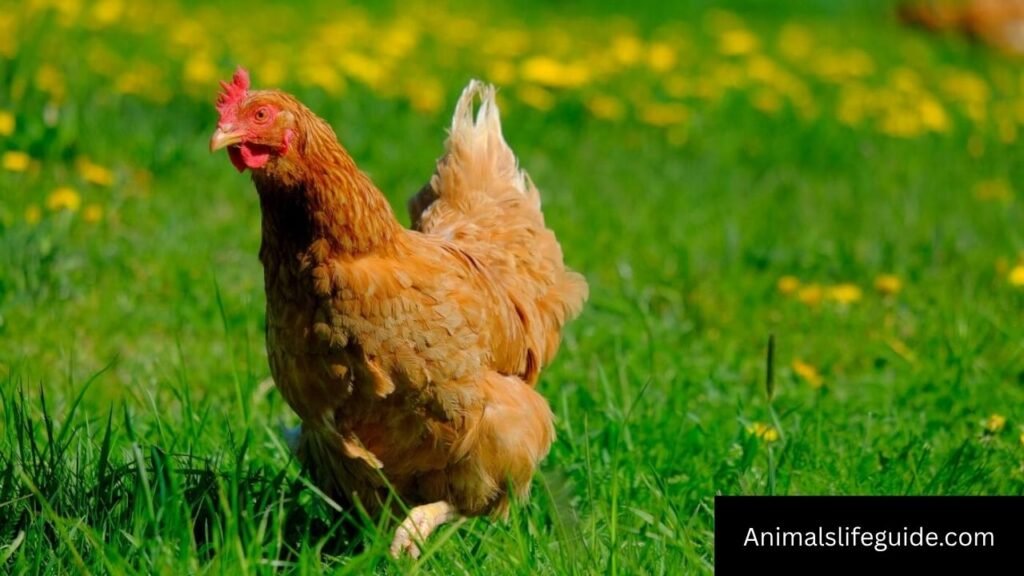
Interestingly, their memory may not be as poor as folklore suggests, but rather limited by the context in which they recall information. For instance, chickens excel at remembering the locations of food sources, especially if it’s tied to specific visual cues in their environment. However, their memories can fade or become unreliable when it comes to less prominent stimuli, like the layout of a new yard. This phenomenon highlights an adaptive strategy — they prioritize memories that are immediately relevant to their survival and well-being, which might seem like a “bad memory” to us, but is, in fact, a finely tuned survival mechanism.
Giraffes
Scientific Name: Giraffa camelopardalis
Class: Mammalia
Diet: Herbivore
Giraffes, with their towering height and iconic necks, are often admired for their grace and beauty, but what’s less known is their surprisingly poor memory. Researchers suggest that the vast landscapes they inhabit may contribute to this phenomenon; navigating such expansive territories doesn’t require the detailed memory seen in other herd animals. Instead, giraffes thrive on instinctual behavior, relying more on immediate cues than long-term memorization.
Moreover, their low-stakes social interactions seem to reinforce this memory gap. In smaller, more cohesive groups, animals like elephants form deep bonds and share complex social structures, while giraffes often engage in fleeting encounters, leading to a more carefree, less memory-intensive existence. This unique aspect raises questions about how memory and social dynamics influence survival in the animal kingdom. Understanding the giraffe’s approach to memory invites deeper reflection on the diversity of cognitive strategies in the wild, reminding us that forgetfulness can sometimes be an asset.
Readmore: Explore Top 16 Animals With Wings.
Final Words
While many animals are known for their impressive cognitive abilities, there are species that exhibit surprisingly poor memory. These animals, such as goldfish and some bird species, demonstrate that a short memory can influence their survival and behavior in unique ways. Understanding these limitations provides valuable insights into the various adaptations of different species in the animal kingdom. Furthermore, by embracing these differences, we can foster a deeper appreciation for the complexity of life on Earth. Let us continue to explore and learn more about the fascinating world of animal cognition.
FAQs
Which animal has the weakest memory?
Jellyfish are often cited as having the weakest memory in the animal kingdom. They have a simple nerve net instead of a centralized brain, which limits their cognitive functions. This lack of complex neural structures means they don’t retain memories in the way more advanced animals do. Research suggests that jellyfish can only respond to immediate stimuli rather than remember past experiences. Their survival tactics rely on instinct rather than memory, making them fascinating yet simple creatures in the aquatic world.
What animal has 0 brain cells?
The creature with essentially zero brain cells is the sea sponge. These ancient aquatic animals lack a nervous system and, consequently, a brain. Instead of neurons, they have specialized cells that help them filter water and extract nutrients. Despite their simplicity, sponges have existed for over 500 million years and play crucial roles in marine ecosystems. Interestingly, sponges can still respond to their environment in basic ways, proving that intelligence isn’t solely defined by the presence of a brain. Their ability to adapt and thrive in diverse habitats highlights the fascinating diversity of life, even among organisms without traditional nervous systems.