Top 5 Animals With Multiple Hearts (With Pictures)
Animals with multiple hearts may challenge our understanding of biology, revealing the stunning adaptations that allow them to thrive in their environments. This topic is not just intriguing but also highlights the incredible variability of life forms and their evolutionary paths. Dive into this article to explore the remarkable world of these multi-hearted animals and what makes their physiology so extraordinary.
List of Animals With Multiple Hearts
Here is the list of animals that have multiple hearts:
| Number of Animals | Names of Animals With Multiple Hearts |
| 1 | Cuttlefish |
| 2 | Octopus |
| 3 | Earthworm |
| 4 | Hagfish |
| 5 | Squid |
Cuttlefish
Scientific Name: Sepiida
Class: Cephalopoda
Diet: Carnivorous
Cuttlefish, fascinating creatures of the cephalopod family, are often overshadowed by their more well-known relatives, like octopuses and squids. Yet, these translucent beings boast a unique circulatory system that includes three hearts. Two hearts are dedicated to pumping blood to the gills, where oxygen is absorbed, while the third heart circulates the oxygen-rich blood to the rest of the body. This efficient system allows cuttlefish to be agile hunters, swiftly camouflaging themselves and darting through ocean currents in a dance of vibrant colors.
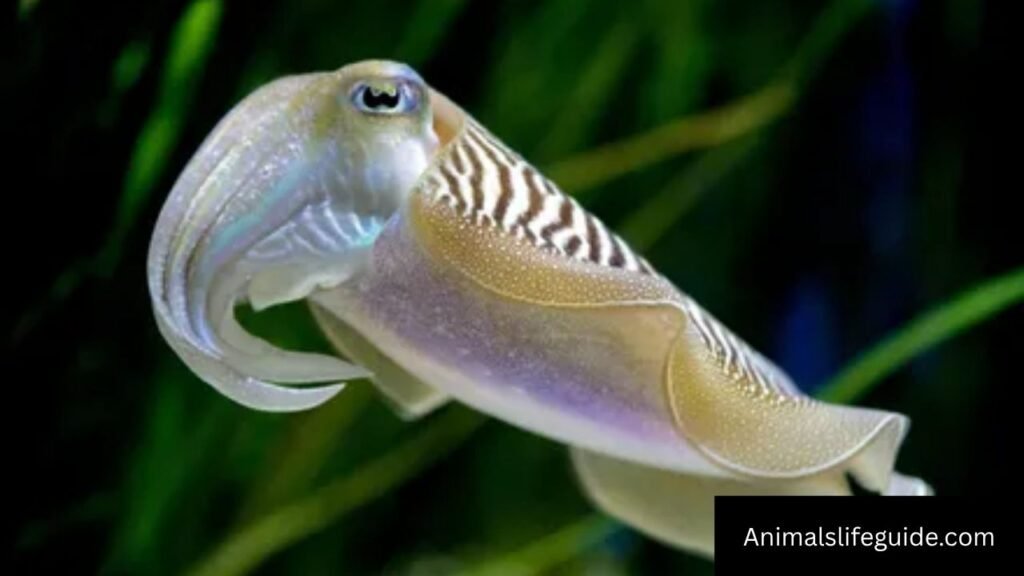
What sets cuttlefish apart isn’t just their multiple hearts but also their incredible ability to change color and texture in a heartbeat. This skill is not merely for camouflage; it serves as a means of communication, helping them convey emotions or warnings to other cuttlefish. In a world where survival often hinges on evasion and deception, the cuttlefish’s circulatory complexity mirrors its intricate behaviors. As researchers delve deeper into their biology, these remarkable creatures continue to redefine our understanding of intelligence and adaptability in the marine realm, reminding us that nature’s designs are as diverse as they are fascinating.
Octopus
Class: Cephalopoda
Diet: Carnivorous
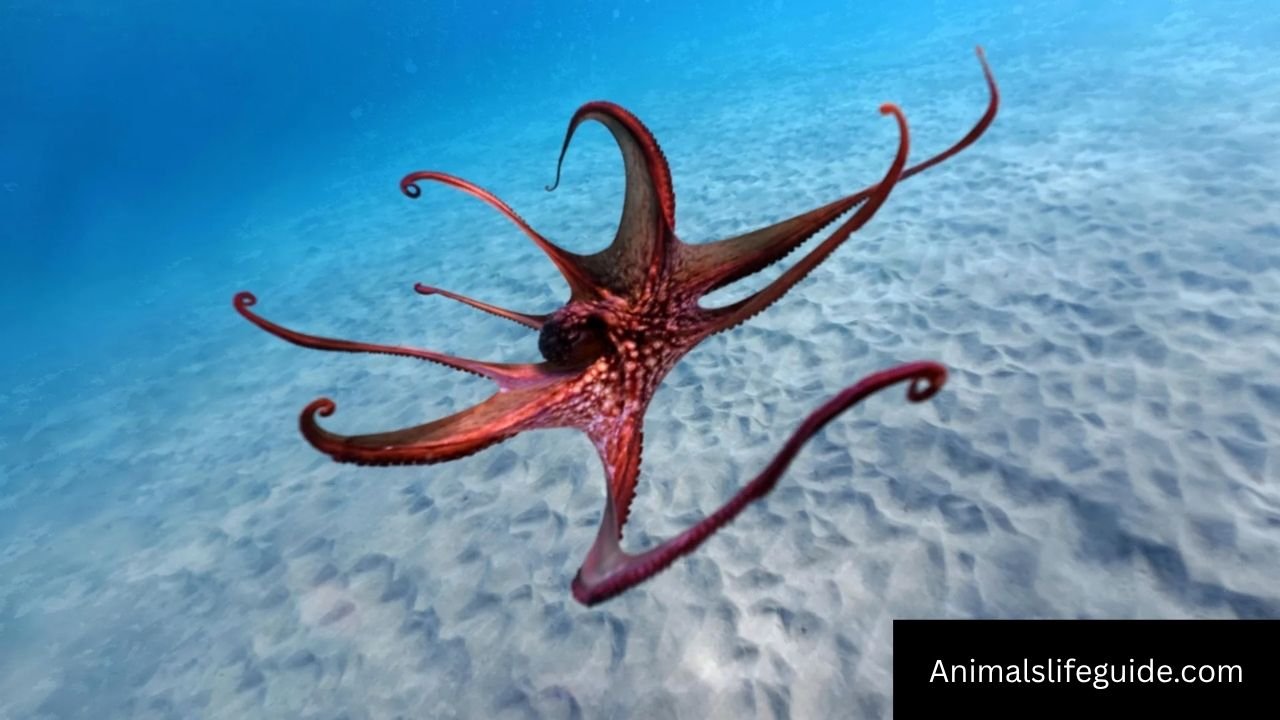
The octopus, a marvel of the ocean, truly flaunts its uniqueness through its remarkable cardiovascular system. With three hearts, this intelligent cephalopod demonstrates nature’s ingenuity. Two hearts pump blood to the gills, ensuring that the octopus gets a fresh supply of oxygen from the water. Meanwhile, the third heart circulates oxygen-rich blood to the rest of the body. However, this system comes with a quirky twist — when an octopus swims, the heart that services the body essentially takes a break, causing the creature to grow fatigued.
This fascinating adaptation speaks volumes about the octopus’s lifestyle. Unlike many marine animals that rely on constant swimming, these enigmatic beings prefer to creep along the ocean floor, showcasing their incredible ability to maneuver. With their soft bodies and nine brains (one central and one in each arm), octopuses exhibit a highly developed, complex means of communication and interaction with their environment. In essence, their unique biology reflects a lifestyle perfectly adapted to the depths of the sea, blurring the lines between intelligence and survival.
Earthworm
Scientific Name: Lumbricus terrestris
Class: Clitellata
Diet: Detritivorous
The earthworm, an often-overlooked marvel of nature, possesses a unique circulatory feature that can astound the casual observer: while they have a closed circulatory system, they don’t technically have multiple hearts in the way some animals do. Instead, they have five pairs of muscular structures known as “pseudohearts” or “aortic arches.” These structures serve to pump blood through their bodies, maintaining circulation efficiently in their segmented form. This adaptation allows earthworms to thrive in diverse environments, ensuring oxygen and nutrients rapidly reach every portion of their elongated bodies.
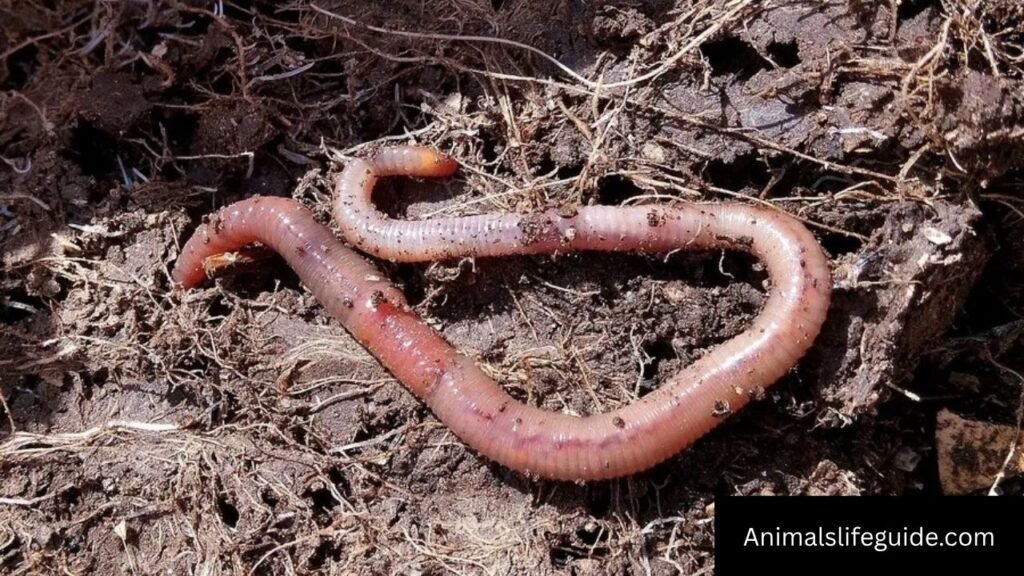
What’s more intriguing is how these “hearts” contribute to the earthworm’s extraordinary resilience in various habitats. Their ability to burrow through soil not only aerates the earth but also aids in nutrient cycling, enhancing soil fertility. As they consume organic matter and excrete nutrient-rich castings, they exemplify a vital ecological role. Observing these creatures helps us appreciate the interconnectedness of life, as even the smallest beings can possess intricate biological systems that support larger ecosystems and contribute to agricultural health.
Hagfish
Class: Myxini
Diet: Scavenger/carnivorous
The hagfish, a creature that seems almost prehistoric, possesses a remarkable biological quirk: it has multiple hearts. Specifically, hagfish have three hearts that work in tandem to circulate blood throughout their slimy, eel-like bodies. This unique adaptation allows them to thrive in the deep, dark ocean, where oxygen levels can be dramatically low. The dual advantages of redundancy and efficiency in their circulatory system make them resilient explorers of the ocean’s depths.
What’s even more remarkable is the hagfish’s ability to produce copious amounts of slime as a defense mechanism. This slime can incapacitate predators by clogging their gills, creating a clever survival strategy in a world where many creatures have sharper teeth.
Interestingly, the hagfish provides more than just a curiosity for marine biologists. Its multiple hearts exemplify how evolution can tailor adaptations to fit specific environmental challenges. While many creatures have evolved strategies to cope with low oxygen environments, few have developed such a robust alternative like the hagfish. This resilience allows them to feed on the carcasses of other marine animals, using their specialized feeding apparatus to burrow into the flesh — an ancient scavenging technique that perfectly fits their unique physiology. In a world often dominated by competition, the hagfish represents collaboration within its own systems, offering insights into the wonders of evolutionary ingenuity.
Squid
Scientific Name: Teuthida
Class: Cephalopoda
Diet: Carnivorous
The squid is a true marvel of evolution, boasting not just one, but three hearts. This extraordinary anatomical feature allows squids to thrive in their often frigid, deep-sea habitats. Two of the hearts pump blood to the gills where it is oxygenated, while the third circulates this oxygen-rich blood to the rest of the body. This efficient circulatory system enables squids to perform rapid maneuvers, an essential trait for both predation and evasion in the aquatic realm.
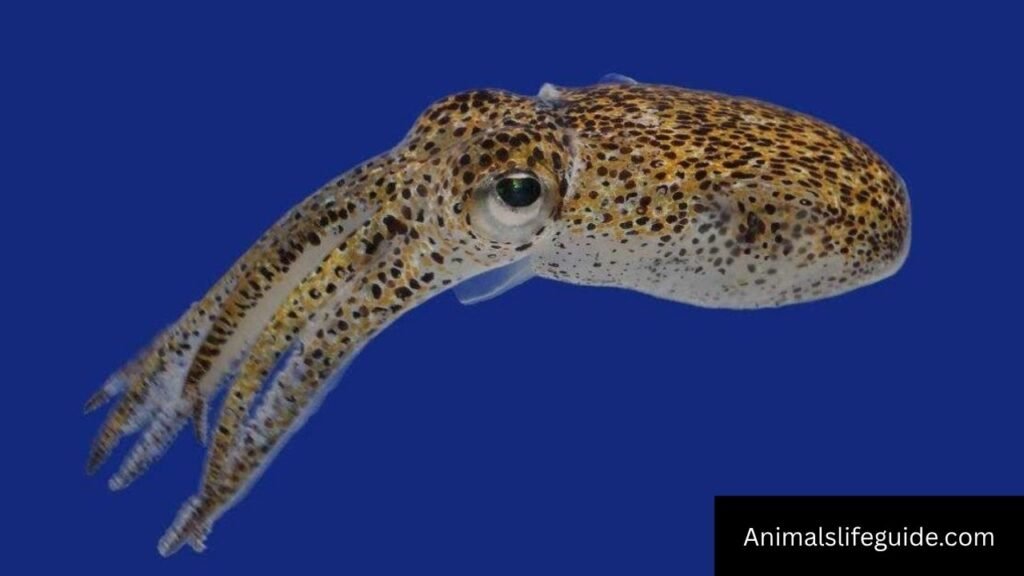
Interestingly, the blood of squids contains hemocyanin, a copper-based molecule that is more efficient than hemoglobin in cold, low-oxygen environments. This adaptation provides them with the energy to explore the ocean depths while tackling their own predators. By allowing these creatures to thrive in an array of environments, their triple-heart system exemplifies nature’s ingenuity. As we continue to study these remarkable cephalopods, we gain insights not just into their biology but also into the vast evolutionary strategies that life on Earth employs to adapt and survive.
Readmore: Explore Top 14 Animals With The Best Hearing.
Final Thoughts
Animals with multiple hearts serve as a testament to the ingenuity of nature and the various mechanisms it employs to foster life. From the multiple hearts of the octopus ensuring efficient oxygen circulation to the complex systems of other multi-hearted creatures, each adaptation tells a unique story of survival and evolution.
Appreciating these anomalies not only enriches our knowledge but also deepens our respect for the biodiversity that surrounds us. It invites us to ponder the many mysteries still hidden within ecosystems that we have yet to explore. Join us in celebrating and protecting these amazing beings that push the boundaries of what we think we know about life.