Top 20 Animals With The Best Sense Of Smell (With Pictures)
This article delves into the animals with the best sense of smell, highlighting their extraordinary adaptations and the pivotal role olfaction plays in their daily lives. Gain insights into how these species use scent in ways you might never have imagined, and discover the marvels of nature’s design.
List of Animals With The Best Sense Of Smell
Below is the list of animals that have best sense of smell:
- Pigs
- African Elephants
- Salmon
- Cows
- Honey Bees
- Sharks
- Catfish
- German Shepherd
- Star-Nosed Moles
- Polar Bears
- Olms
- Hedgehogs
- Turkey Vultures
- Silk Moths
- Horses
- Opossums
- Snakes
- Elephant Shrews
- Kiwis
- Bloodhounds
Pigs
Scientific name: Sus scrofa domesticus
Class: Mammalia
Diet: Omnivore
Pigs, often underestimated in the animal kingdom, possess one of the most remarkable senses of smell. Their olfactory capabilities are exceptional, with a staggering 1,100 scent receptors, which is significantly more than humans, who have only about 5 million. This acute sense of smell allows pigs to detect truffles buried deep in the earth, making them invaluable allies for truffle hunters. It’s fascinating to realize that these intelligent creatures are not just associated with agriculture but also play a crucial role in the culinary world.
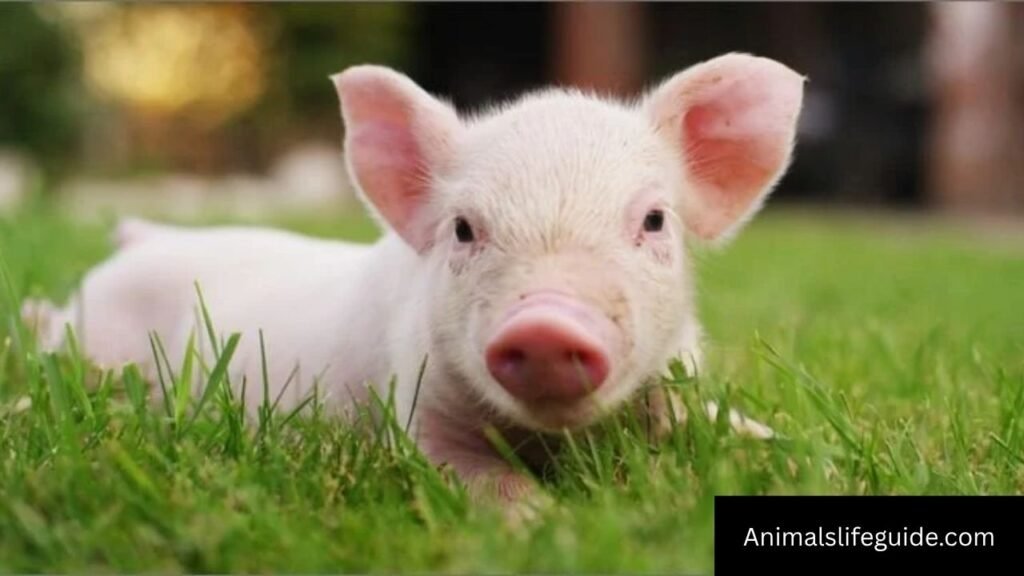
Beyond their truffle-hunting skills, pigs exhibit an incredible ability to identify various scents linked to food, predators, and even emotional cues from one another. Their keen nose navigates complex environments, helping them forage for sustenance and maintain social bonds. This adaptability highlights their cognitive prowess and emotional depth, showcasing a dimension of pigs that extends far beyond their reputation as simple farm animals. Embracing the multifaceted nature of pigs encourages a deeper appreciation for their role in ecosystems as well as in our lives.
African Elephants
Scientific name: Loxodonta africana
Class: Mammalia
Diet: Herbivore
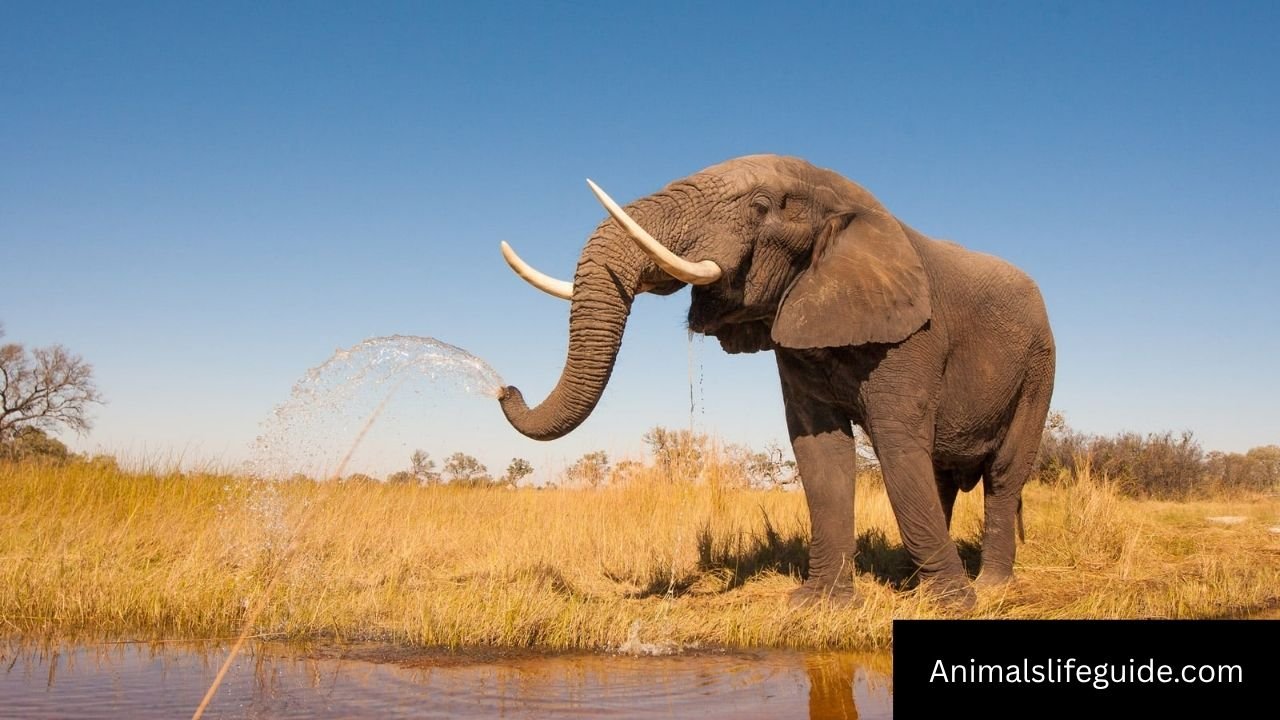
African elephants possess an extraordinary sense of smell that is truly remarkable, often regarded as the best in the animal kingdom. Their olfactory prowess allows them to detect water sources from up to 12 miles away, a crucial survival skill in their arid habitats. The elephants’ trunk, containing over 40 different muscle groups, is not just a tool for feeding; it serves as a sophisticated sensory organ equipped with an array of scent receptors far surpassing that of humans and even dogs.
What makes their olfactory abilities even more fascinating is how elephants utilize them for social interactions and communication. They can pick up on pheromones released by other elephants, enabling them to identify individuals and assess reproductive status. This enhances their social bonds and parenting strategies, influencing herd dynamics in profound ways. The blend of instinct and intelligence reflected in their sense of smell showcases how interconnected and adaptive these majestic creatures are within their ecosystems. In a world where environmental changes threaten their survival, their olfactory gifts remind us of the intricate web of life and the vital roles each species plays.
Salmon
Scientific name: Salmo spp. / Oncorhynchus spp.
Class: Actinopterygii
Diet: Omnivore
Salmon possess an extraordinary sense of smell that plays a crucial role in their life cycles, especially during spawning. They have olfactory receptors that can detect scent particles in concentrations as low as one part per trillion. This remarkable ability helps them navigate vast distances back to the very rivers where they were born, a journey that can span hundreds of miles. Their noses are finely tuned to decipher the unique chemical signatures present in their home waters, allowing them to home in on familiar scents with an accuracy that’s truly astonishing.
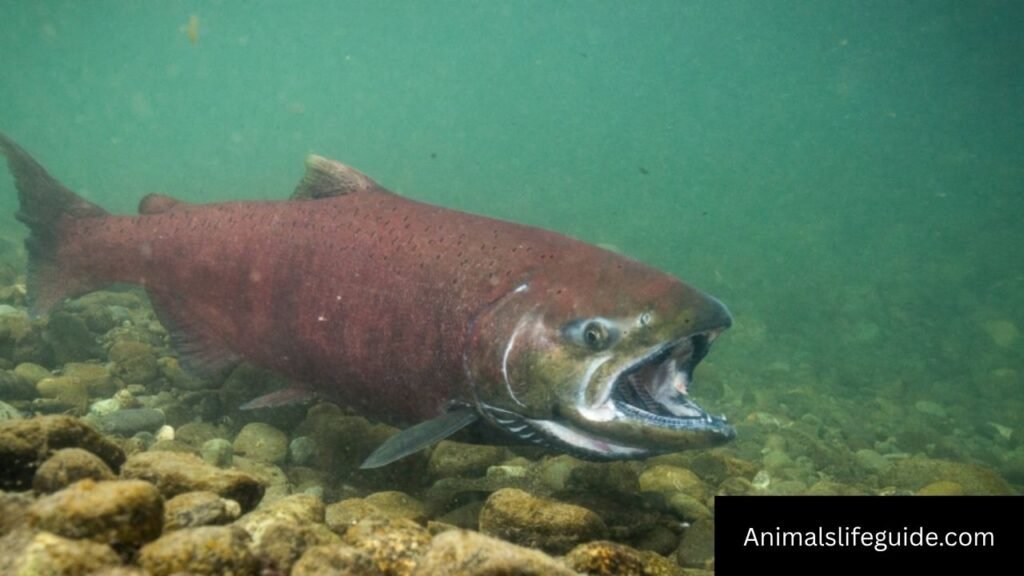
But what’s fascinating is that salmon not only rely on smell for navigation but also for survival. By detecting the scent of predators or changes in their environment, they can avoid dangers lurking beneath the surface. Moreover, the specialized olfactory cells in their noses can even pick up pheromones released by other fish, signaling when it’s time to spawn or indicating the presence of food. This intricate use of smell underscores the salmon’s adaptation to life in both freshwater and saltwater, showcasing nature’s ability to refine instinct into a finely honed survival tool.
Cows
Scientific name: Bos taurus
Class: Mammalia
Diet: Herbivore
Cows, often underestimated in the animal kingdom, boast an extraordinary sense of smell that surpasses that of humans by several magnitudes. Equipped with approximately 300 scent receptors, these gentle giants can detect a plethora of scents from miles away, allowing them to navigate their environment with remarkable acuity. Their olfactory prowess not only helps them locate food sources but also plays a crucial role in social interactions within their herds.
What’s particularly fascinating is how cows use their sense of smell for emotional communication. They can detect subtle chemical signals released by fellow herd members, allowing them to sense stress or discomfort in others. This heightened perception fosters social cohesion, enabling them to respond to the emotional needs of their companions. Therefore, in a world where environmental changes can lead to stress, a cow’s ability to smell becomes vital for maintaining herd harmony, further emphasizing their complex social behavior. Each whiff of the wind can reveal a wealth of information, making cows far more perceptive and socially aware than we often give them credit for.
Honey Bees
Scientific name: Apis
Class: Insecta
Diet: Herbivore
Honey bees possess an extraordinary sense of smell, arguably one of the most advanced in the animal kingdom. Equipped with about 170 odorant receptors, these small but mighty pollinators can detect and differentiate a cornucopia of scents. This remarkable olfactory prowess allows them to locate flowers from over three miles away, ensuring they can efficiently gather nectar and pollen to sustain their hives. Interestingly, honey bees are also capable of identifying scents associated with both danger and opportunity, which is vital for their survival.
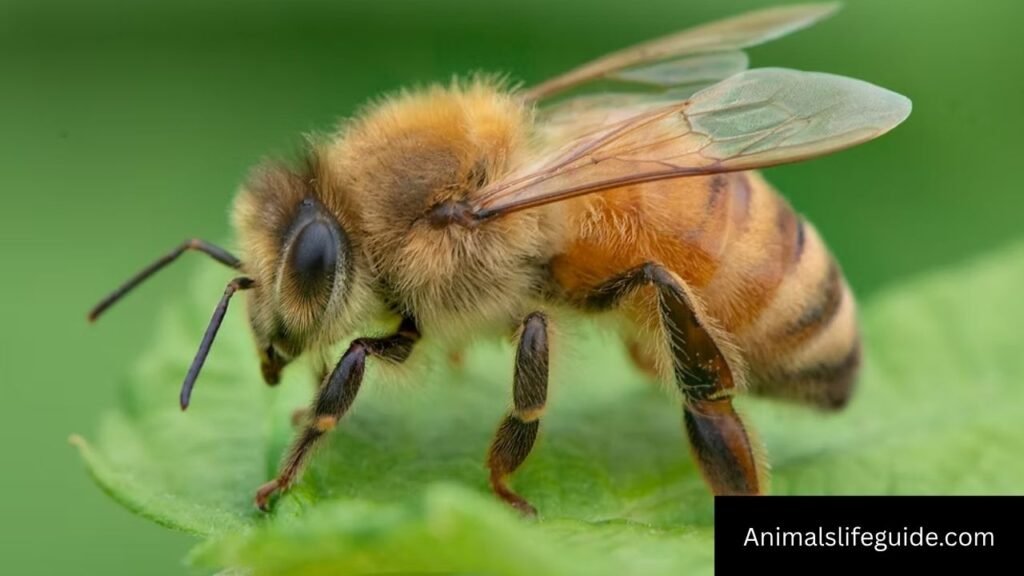
What makes their sense of smell even more enthralling is how they use it to communicate. When a forager returns to the hive, she performs a “waggle dance,” which conveys information about the location of food sources. Fellow bees can then use their keen olfactory capabilities to track down the precise flowers based on the scent notes described in the dance. This intricate interplay of scent and social behavior showcases how essential smell is not just for survival but also for cooperation and communication within the hive. In a world where we often take our own senses for granted, the honey bee’s olfactory world serves as a humbling reminder of nature’s incredible intricacies.
Sharks
Scientific name: Selachimorpha
Class: Chondrichthyes
Diet: Mostly carnivore
Sharks, often touted as the ocean’s most formidable predators, possess an astonishing sense of smell that sets them apart in the animal kingdom. Equipped with specialized sensory organs called ampullae of Lorenzini, these remarkable fish can detect minute concentrations of chemicals in the water, allowing them to sense prey from miles away. Remarkably, they can pick up on just one part of blood in 10 billion parts of seawater, showcasing their evolutionary finesse.
This acute olfactory ability is not solely about finding food; it plays a crucial role in their navigation and social interactions. Sharks can detect the scent of potential mates, for instance, which is vital for reproduction in expansive marine environments. Their sensitivity to chemical signals helps them respond to changes in their surroundings, identifying pollution or the presence of rival predators. Through these adaptations, sharks illustrate the profound intricacies of sensory evolution, revealing that life in the depths is as much about perception as it is about survival.
Catfish
Scientific name: Siluriformes
Class: Actinopterygii
Diet: Omnivore
Catfish are often underestimated in the sensory world, but these aquatic creatures possess an extraordinary sense of smell that allows them to thrive in their environments. Equipped with up to 25,000 taste buds, they can detect odors in the water from considerable distances, making them formidable foragers. While humans rely primarily on sight and hearing, catfish navigate their murky habitats largely through their olfactory capabilities, sensing food, predators, and even potential mates with remarkable precision.
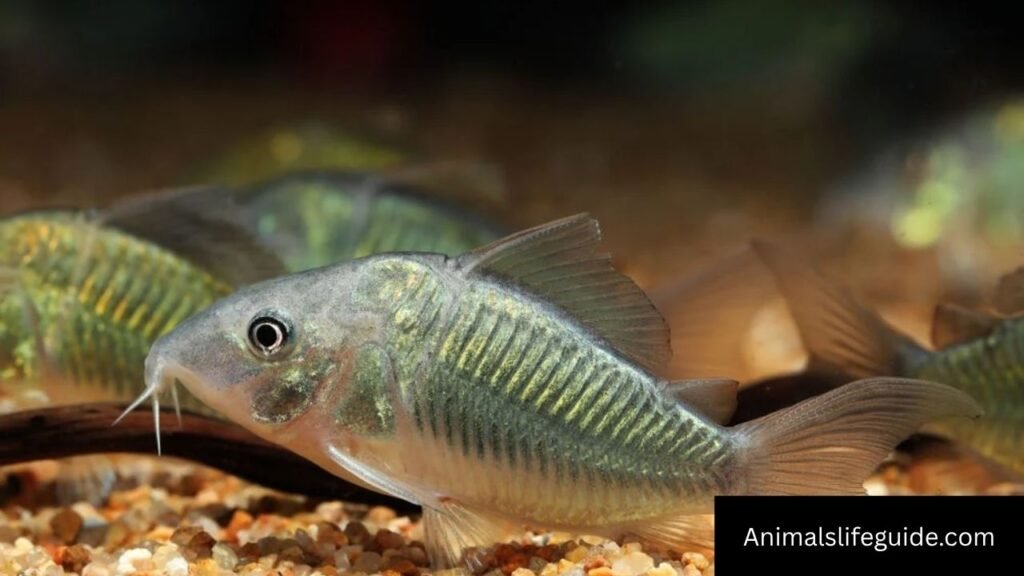
What’s particularly fascinating is how catfish utilize their smell to interpret their surroundings. They can distinguish between different types of nutrients in the water and even identify the chemical compositions of various food sources. This ability not only aids in survival but also plays a crucial role in their social interactions. For instance, during mating season, male catfish can hone in on chemical signals released by females, ensuring the continuation of their species. This remarkable sensitivity showcases the elegance of nature’s adaptations, reminding us that survival often hinges on unassuming skills that are otherwise overlooked.
German Shepherd
Scientific name: Canis lupus familiaris
Class: Mammalia
Diet: Omnivore
German Shepherds are more than just loyal companions; they boast an extraordinary sense of smell, often compared to that of bloodhounds. With up to 220 million scent receptors in their noses, these dogs are equipped to detect odors at concentrations as low as 1 part per trillion. This incredible olfactory ability allows them to excel in various roles, from search and rescue operations to sniffing out drugs and explosives.
Moreover, their keen sense of smell is not just about detection; it’s a gateway into understanding their environment in a unique way. German Shepherds can differentiate between thousands of individual scents and even identify specific emotional states in humans based on pheromones. This sensitivity makes them not only effective working animals but also extraordinarily empathetic companions. Training a German Shepherd to harness this skill can deepen the bond between dog and handler, enhancing teamwork and mutual trust while showcasing the remarkable potential of canine capabilities.
Star-Nosed Moles
Scientific name: Condylura cristata
Class: Mammalia
Diet: Carnivore
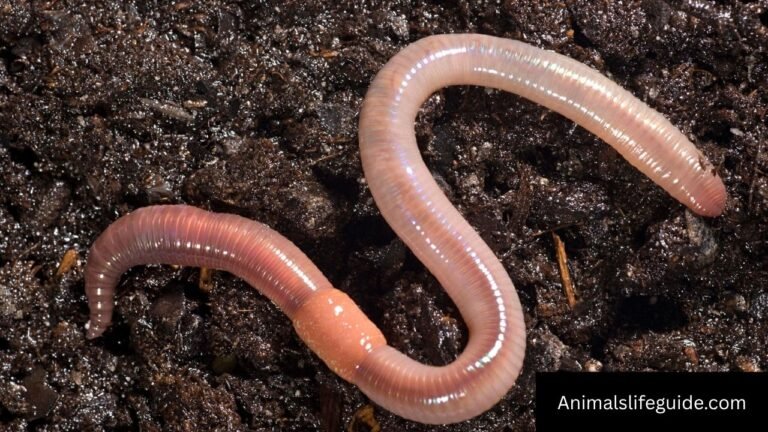
Star-nosed moles, those unique creatures burrowing beneath our feet, possess an olfactory repertoire that’s nothing short of extraordinary. With their highly sensitive snouts adorned with 22 fleshy appendages, these small mammals can detect scents with remarkable precision. In fact, their sense of smell is so advanced that they can locate their prey, such as earthworms and larvae, even through several inches of soil or mud. This adaptation is not just about survival; it showcases their evolutionary prowess in navigating dark, underground habitats where sight becomes obsolete.
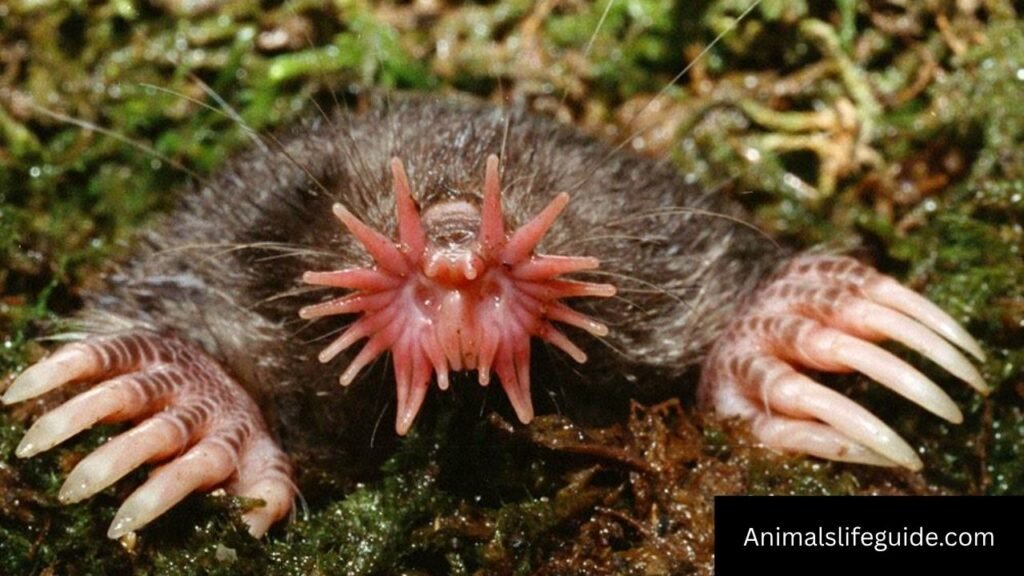
Interesting research has revealed that the star-nosed mole’s brain is wired to process sensory information from its snout more than any other part of its body, making it a sensory powerhouse. Each of the star’s tendrils is packed with touch receptors and olfactory sensory neurons, amplifying their ability to identify even the faintest chemical cues in their environment. This heightened sense of smell is crucial not only for hunting but also for social interactions within their burrows. Beyond instinct, these moles demonstrate a fascinating ability to differentiate between complex smells, allowing them to adapt to various underground challenges.
Polar Bears
Scientific name: Ursus maritimus
Class: Mammalia
Diet: Carnivore
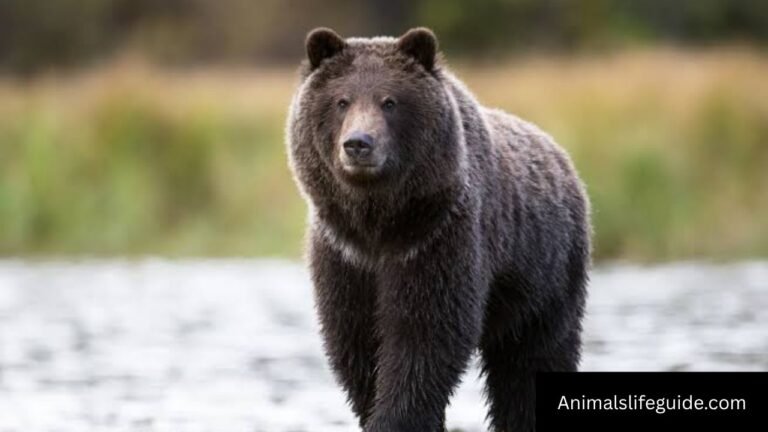
Polar bears possess an astonishing sense of smell, capable of detecting seals from nearly a mile away, even under several feet of compacted snow and ice. This extraordinary olfactory prowess is crucial for their survival in the harsh Arctic environment, allowing them to locate food sources that are often hidden from view. Their keen sense of smell is not just a matter of curiosity; it’s a finely tuned survival tool that helps them navigate the sparse landscape where prey can be unpredictable.
What’s particularly fascinating is how they utilize scent in social interactions. Beyond hunting, polar bears exhibit a remarkable ability to pick up on the pheromones and chemicals released by other bears, allowing them to communicate and even gauge reproductive status during mating season. This phenomenon reveals a complex layer of their social structure, emphasizing that their noses aren’t just for finding dinner but are also integral to the community dynamics within the icy expanse of their habitat.
Olms
Scientific name: Proteus anguinus
Class: Amphibia
Diet: Carnivore
Olms, the fascinating cave-dwelling amphibians, are often overshadowed by their more well-known relatives, but their sensory prowess is truly remarkable. With their elongated bodies and external gills, these creatures navigate the dark, watery depths of their underground habitats predominantly through smell. Unlike many animals that rely on sight, olms utilize their stellar olfactory capabilities to hunt for prey in complete darkness, showcasing a remarkable adaptation to their environment. This reliance on scent allows them to detect food, such as small invertebrates, often located several inches away — an extraordinary feat in the murky subterranean waters where visibility is non-existent.
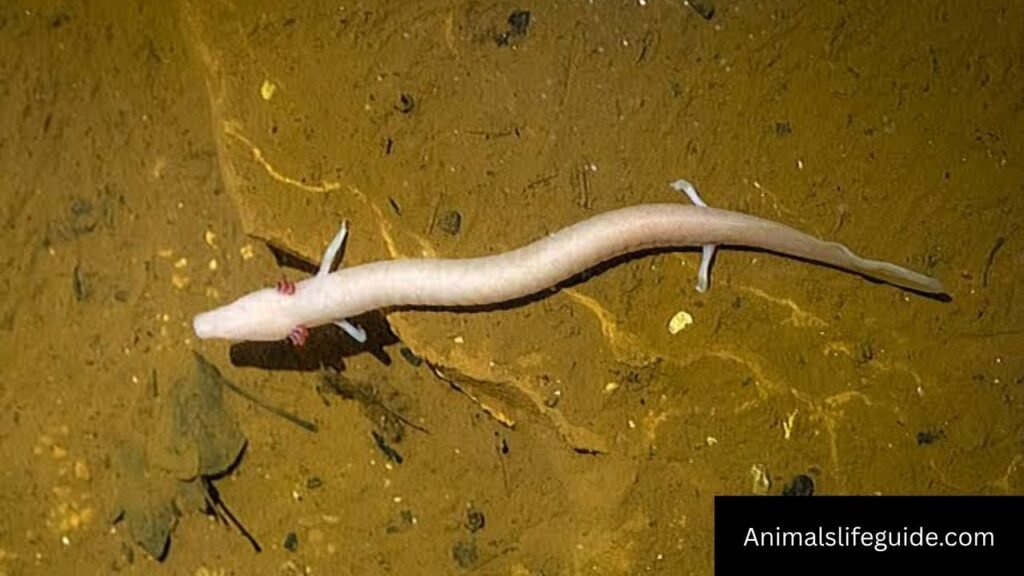
Notably, olms possess the ability to discern chemicals in the water that offer crucial information about their surroundings. Recent studies suggest that their olfactory system is finely tuned to recognize specific compounds, allowing them to locate prey but also to navigate their complex cave systems. This heightened sense of smell provides intriguing insights into how animals adapt to unique environments, illustrating the link between sensory perception and survival.
Hedgehogs
Scientific name: Erinaceidae
Class: Mammalia
Diet: Omnivore
Hedgehogs often fly under the radar when we discuss animals with remarkable senses, yet their olfactory prowess is nothing short of fascinating. Equipped with an impressive array of scent receptors, these small mammals rely heavily on their sense of smell to navigate their world. While they may not have the same elite status as bloodhounds or sharks, hedgehogs are adept at detecting food, from insects to fallen fruits, sensing them with an uncanny precision.
What sets hedgehogs apart is their unique strategy for locating resources. In a habitat filled with organic scents and decaying materials, they utilize their keen sense of smell not just for foraging, but also for communication. Scent marking plays a critical role in establishing territory and mating opportunities. When hedgehogs encounter each other, the interplay of pheromones can convey complex social information, weaving a narrative that informs them about the presence, mood, and readiness of potential mates or rivals.
Turkey Vultures
Scientific name: Cathartes aura
Class: Aves
Diet: Scavenger / Carnivore
Turkey vultures possess a remarkable sense of smell that sets them apart in the animal kingdom. Unlike many birds that rely heavily on sight, these scavengers can detect decaying food from over a mile away, thanks to their highly developed olfactory system. Their keen sense of smell enables them to locate carrion hidden beneath thick vegetation, making them indispensable in their ecosystems as nature’s cleanup crew.
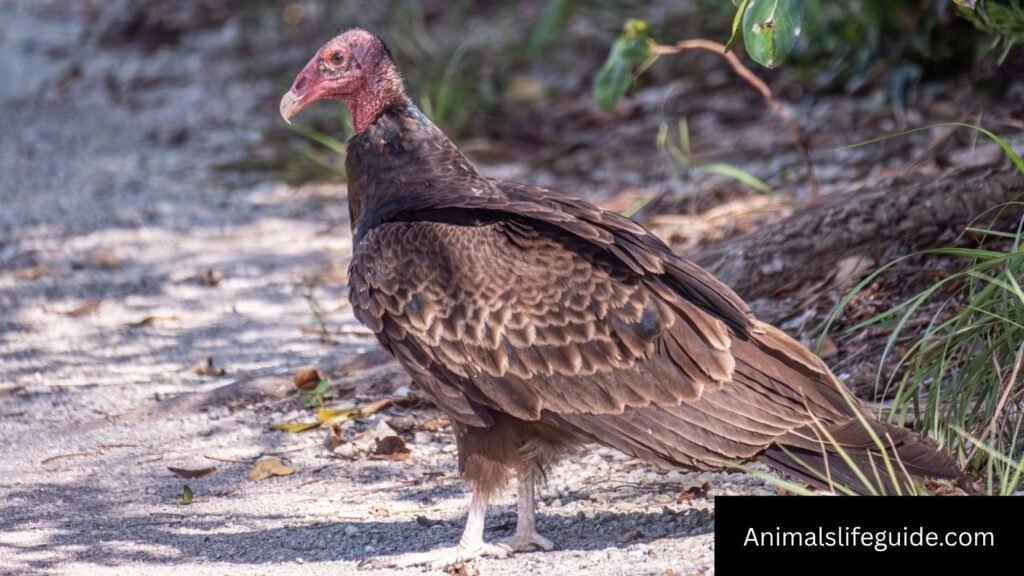
What many may not realize is that turkey vultures have evolved to prefer certain smells associated with rotting flesh, which often signifies a rich food source. This adaptation not only enhances their survival but also plays a critical role in nutrient recycling within the environment. Their unique ability to find carrion using smell alone makes them true specialists, demonstrating that when it comes to survival, sometimes the most valuable tools are the ones we can’t see. In the grand tapestry of nature, turkey vultures remind us of the intricate relationships at play and the vital roles that often go unnoticed.
Silk Moths
Scientific name: Bombyx mori
Class: Insecta
Diet: Herbivore
Silk moths are often celebrated for their stunning beauty, but it’s their remarkable sense of smell that truly sets them apart. These creatures possess an exceptional olfactory ability, primarily used for locating mates over vast distances. The male silk moth can detect pheromones released by females from as far as several miles away, thanks to specialized sensory receptors on their antennae. These receptors are finely tuned to pick up even the faintest chemical cues in the air, making the silk moth a champion of chemical communication in the animal kingdom.
Interestingly, this heightened sense of smell plays a crucial role in the silk moth’s life cycle and survival strategies. In a world where predators abound, the ability to find a mate amidst the chaos of their environment ensures not just the continuation of their species but also aids in reducing the chances of being detected by those who hunt them.
Horses
Scientific name: Equus caballus
Class: Mammalia
Diet: Herbivore
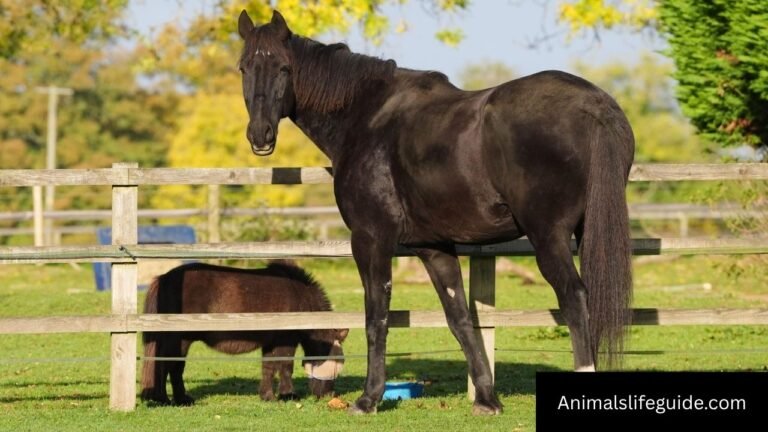
Horses possess a remarkable sense of smell that is crucial for their survival and communication. With over 200 million olfactory receptors, they can detect scents that are imperceptible to humans. This ability enables them to sense potential predators, determine the health of their environment, and even recognize other horses. Their keen olfactory skills help them identify familiar scents, forming strong social bonds and facilitating interactions within herds.

Moreover, horses use their sense of smell as an emotional barometer. They can detect subtle changes in human pheromones, allowing them to gauge a person’s mood or intentions. This unique sensitivity fosters a deep connection between horses and their handlers, making equine therapy incredibly effective for emotional healing. When you see a horse nuzzle or curiously sniff an object, it’s not just a simple act; it’s a complex interplay of instincts and emotions that underscores the importance of scent in their world.
Opossums
Scientific name: Didelphis spp.
Class: Mammalia
Diet: Omnivore
Opossums, often underestimated in the animal kingdom, possess an extraordinary sense of smell that plays a vital role in their survival. Unlike many mammals, their olfactory receptors are finely tuned to detect a diverse array of scents, allowing them to forage effectively in their often nocturnal lifestyle. This acute sense gives them a distinct advantage in locating food sources, from ripe fruits to hidden insects and carrion. Interestingly, this ability not only aids in finding nourishment but also helps them navigate their environment, identify potential predators, and even communicate with other opossums through scent markings.
What sets opossums apart is their unique adaptation to urban environments, where their keen sense of smell allows them to thrive alongside humans. They are often seen rummaging through gardens or scavenging near garbage bins, showcasing their resourcefulness. However, their olfactory prowess does more than help them sustain themselves; it also lends a certain charm to their interactions. When two opossums meet, they engage in an intricate dance of sniffing and exploring, showcasing a subtle yet complex form of communication that many may overlook.
Snakes
Scientific name: Serpentes
Class: Reptilia
Diet: Carnivore
Snakes possess an extraordinary sense of smell that sets them apart in the animal kingdom. Unlike mammals, which rely primarily on their noses, snakes utilize their forked tongues to detect scent particles in the air. When a snake flicks its tongue, it collects these particles and transfers them to the Jacobson’s organ located in the roof of its mouth. This specialized organ allows them to interpret a rich tapestry of scents, helping them track prey, navigate their environment, and even communicate with potential mates.
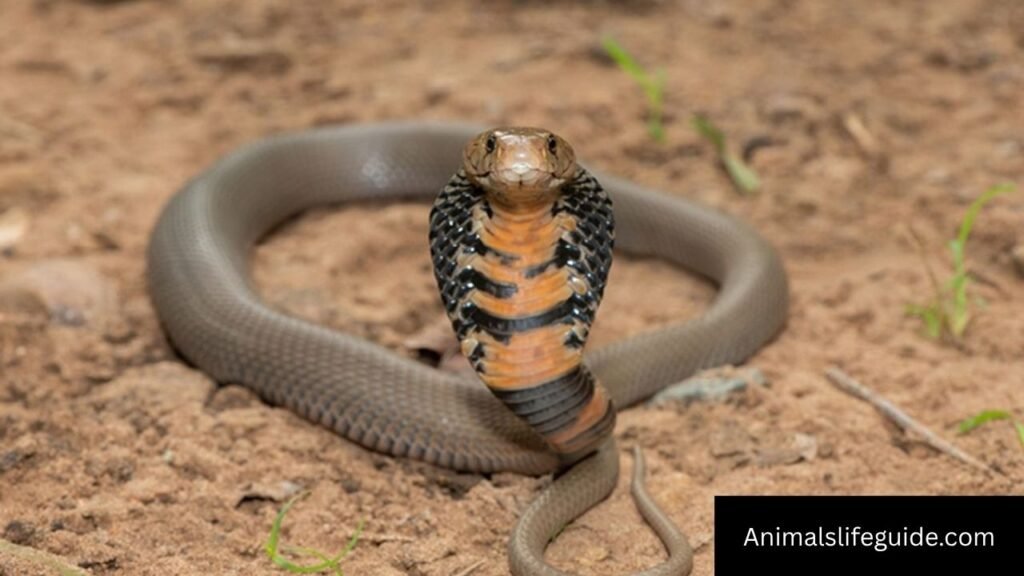
What’s fascinating is how their olfactory prowess impacts their hunting strategies. For instance, a snake can pick up the scent of a rodent from several hundred meters away, honing in on its target with pinpoint accuracy. This keen sense of smell isn’t merely about detecting food; it also plays a crucial role in avoiding predators and understanding social cues within their species. In murky water or dense foliage, where visibility is limited, a snake’s ability to “taste” the air allows it to thrive in environments where sight may fail.
Elephant Shrews
Scientific name: Macroscelidea
Class: Mammalia
Diet: Insectivore / Omnivore
Elephant shrews, despite their quirky name and resemblance to a cross between a mouse and an elephant, possess an extraordinary sense of smell that rivals many other species in the animal kingdom. These small, insectivorous mammals can detect pheromones and chemical signals in their environment, allowing them to locate food, avoid predators, and establish territories. This acute olfactory prowess is crucial for their survival in the dense grasses and shrubs of their African habitats, where sight is often limited.
What’s particularly fascinating about elephant shrews is their unique method of scent-marking, using secretions from specialized glands. This behavior not only conveys information about their reproductive status but also helps them communicate with other shrews in the area. Recent studies suggest that this keen sense of smell may also play a role in their social interactions, giving them an edge in establishing hierarchy and partnerships within their species.
Kiwis
Scientific name: Apteryx spp.
Class: Aves
Diet: Omnivore
Kiwis, the iconic flightless birds of New Zealand, are fascinating not just for their unique appearance but also for their remarkable olfactory abilities. Unlike most birds that rely primarily on vision, kiwis possess an extraordinary sense of smell that allows them to forage effectively in the dark. With nostrils located at the end of their long beaks, they can sniff out insects and worms buried beneath the soil, showcasing an adaptability that speaks to their evolutionary success in a nutrient-rich, yet competitive environment.
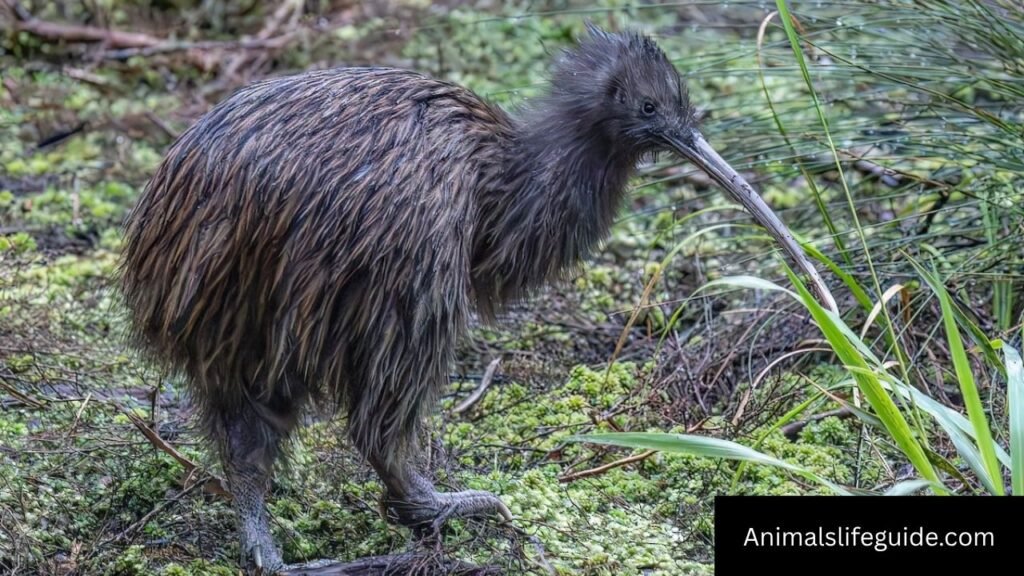
What sets kiwis apart is the sophistication of their olfactory system. Research suggests that their sense of smell rivals that of some mammals, empowering these nocturnal foragers to detect scents at great distances. This ability not only aids in finding food but also plays a crucial role in navigating their often dense, forested habitats.
Bloodhounds
Scientific name: Canis lupus familiaris
Class: Mammalia
Diet: Omnivore
Bloodhounds are renowned for their extraordinary sense of smell, often hailed as the gold standard in scent detection. With up to 300 million olfactory receptors in their noses, these dogs can detect scents at incredibly low concentrations, sometimes as diluted as one part per trillion. This remarkable ability makes them invaluable in search and rescue operations and criminal investigations, where they can track a person’s trail even days after the scent was laid down.
But what truly sets bloodhounds apart is not just the sheer number of receptors, but also their unique brain structure designed for processing complex scents. Researchers have discovered that bloodhounds can differentiate between various odors, allowing them to pinpoint specific scents even in a crowded environment. This skill extends beyond mere tracking; bloodhounds have been known to follow trails over diverse terrains, demonstrating both intelligence and a stubborn persistence that enables them to overcome obstacles in their pursuit. Whether chasing lost hikers or helping solve crimes, bloodhounds embody the incredible power of the canine sense of smell, making them one of nature’s most remarkable trackers.
Readmore: Explore Top 13 Down Syndrome Animals.
Final Thoughts
The animals with the most acute sense of smell serve as a testament to the wonders of evolution and the importance of sensory perception in the animal kingdom. Species like the shark, adept at detecting minute concentrations of blood in the ocean, and the dog, celebrated for its unmatched ability to sniff out a range of scents, remind us of the specialization that enhances survival. Their keen olfactory senses allow them to thrive in their unique environments and fulfill crucial ecological roles.
By appreciating the intricate ways in which these animals navigate their worlds, we can foster a deeper respect for biodiversity and the ongoing challenges these species face. Join in the effort to support wildlife conservation and protect the habitats that allow these amazing creatures to flourish.