Top 16 Animals With Tentacles (With Pictures)
Did you know that some of the most mesmerizing creatures on our planet rely on tentacles for survival? Animals with tentacles not only exhibit extraordinary adaptability and intelligence, but they also play vital roles in their ecosystems. In this article, we’ll explore the fascinating world of these unique beings, uncovering their incredible abilities and the ecological significance they hold. You’ll gain a deeper appreciation for their intricate lifestyles and discover why they deserve our admiration and protection.
What Are Tentacles?
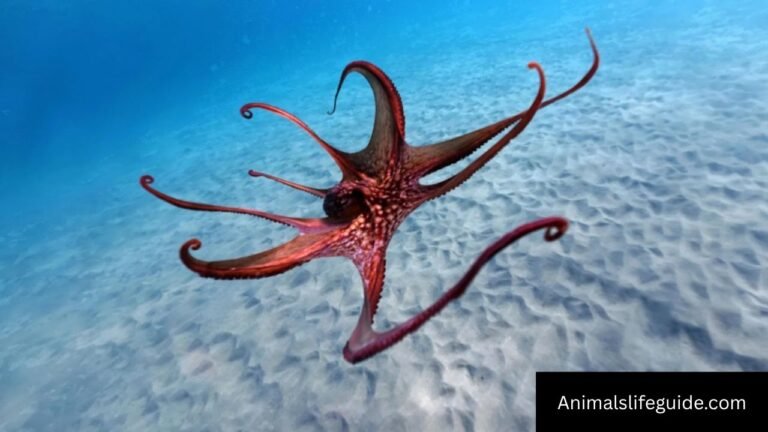
Tentacles are remarkable appendages that challenge our understanding of anatomy and motion. Unlike limbs that exhibit rigid structure and function, tentacles are often soft, flexible, and capable of intricate movements, allowing species to interact with their environments in surprising ways. Found predominantly in cephalopods like squids, tentacles perform a variety of roles — from capturing prey to facilitating complex communication. Their unique neuro-muscular structure enables fine motor control, resembling a living, intelligent extension of the animal itself.
Moreover, tentacles are not merely tools for interaction; they embody the synergy of biology and ecology. Many marine organisms utilize chemical signals detected through their tentacles to locate food or mates, showcasing a finely tuned evolutionary adaptation. In some instances, they can even display bioluminescence, creating a dazzling visual spectacle that serves both defensive and predatory purposes.
List of Animals With Tentacles
Here is the list of animals with tentacles:
- Jellyfish
- Portuguese Man O’ War
- Giant Squid
- Tentacled Snake
- Corals
- Spanish Slug
- Phoronids
- Bryozoans
- Sea Cucumbers
- Hydra
- Cuttlefish
- Sea Anemone
- Sea Snails
- Star-nosed Mole
- Chambered Nautilus
- Caecilians
Jellyfish
Class: Scyphozoa
Diet: Carnivores
Jellyfish, with their ethereal, gelatinous bodies, represent a unique intersection of beauty and danger in the ocean’s depths. These ancient creatures, dating back over 500 million years, are a testament to evolution’s creativity, featuring a simple structure that belies their complex behaviors. While not true fish, jellyfish are quintessential marine wanderers, drifting gracefully through the water with an almost ethereal quality, compelling us to reconsider our perceptions of life in the ocean’s depths.
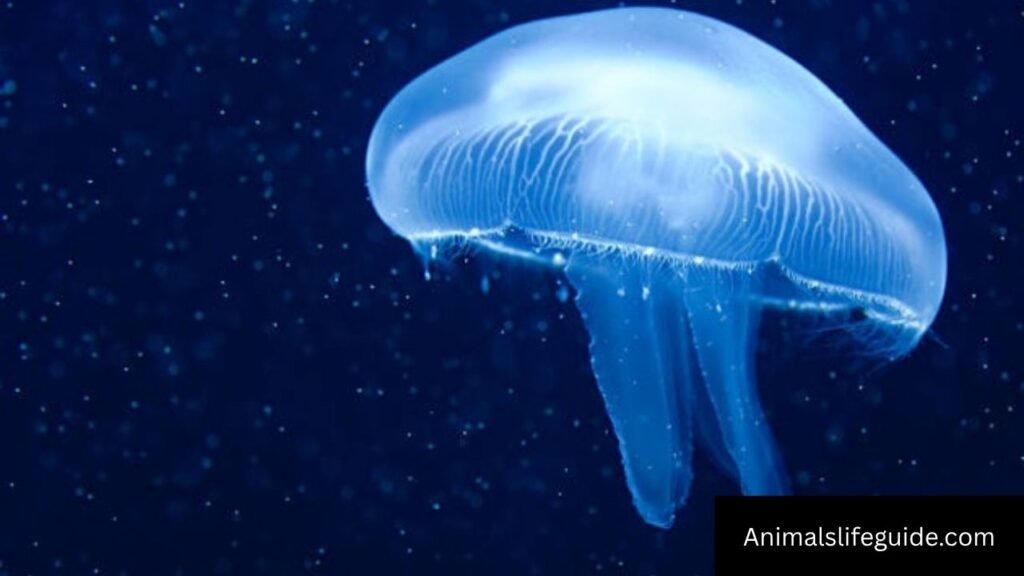
Their tentacles, often measuring several feet long, are equipped with specialized cells called cnidocytes, which release toxins to capture prey and defend against predators. However, recent studies suggest that these tentacles do more than just sting; they may also engage in a form of communication, signaling one another in intricate dances that highlight an unexpected social intelligence in these seemingly solitary creatures. As climate change alters ocean currents and temperatures, jellyfish populations are booming in certain regions, prompting us to rethink their role as indicators of ecosystem health and stability. Understanding the adaptability and resilience of jellyfish could offer crucial insights into the future of marine biodiversity as we navigate an increasingly unpredictable climate.
Portuguese Man O’ War
Scientific name: Physalia physalis
Class: Hydrozoa
Diet: Carnivores
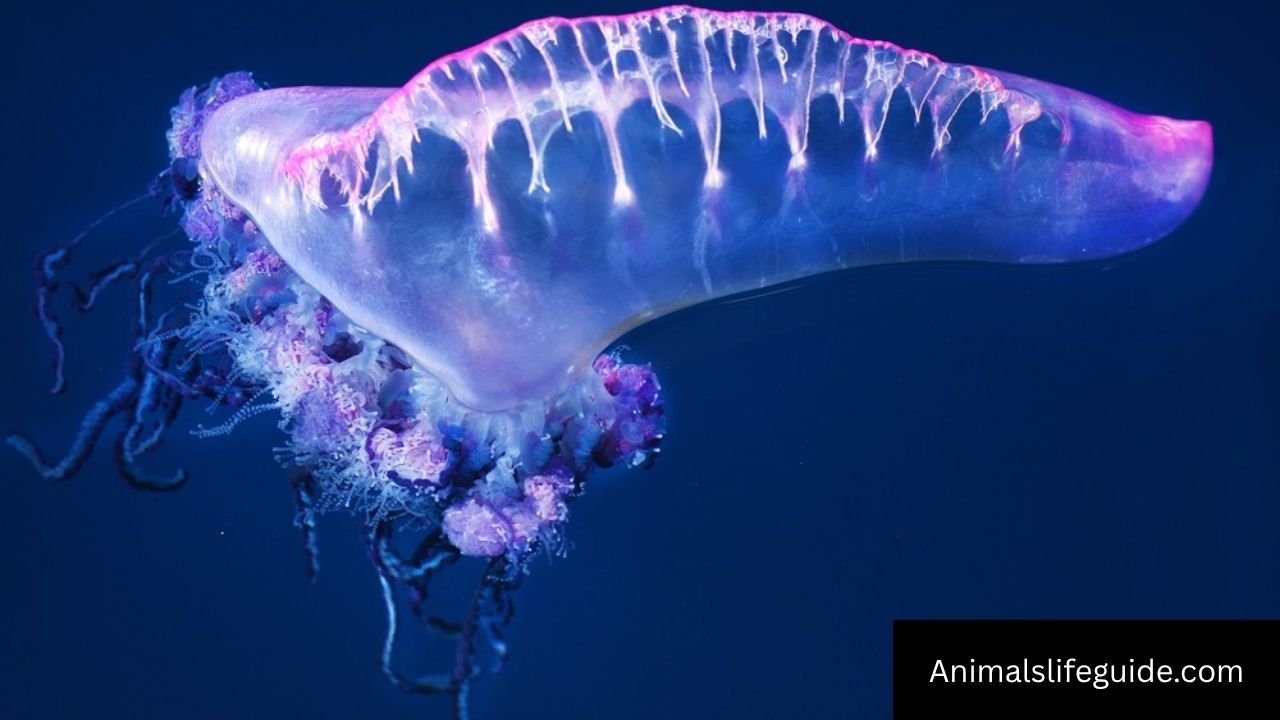
The Portuguese Man O’ War, often mistaken for a jellyfish, is a fascinating marine organism that’s actually a colonial creature composed of four distinct polyps. These specialized polyps work together to function as one, each playing a vital role — from capturing prey to floating on the water’s surface. Their long, trailing tentacles can extend up to 30 feet, delivering a painful sting that serves both as a defense mechanism and a method to ensnare unsuspecting fish, making them formidable hunters in the ocean depths.
What sets this mesmerizing creature apart is its buoyant sail, which rides the winds and helps it drift across the ocean. This unique adaptation allows the Portuguese Man O’ War to traverse vast distances, spreading its tentacles and influence across diverse marine environments. Surprisingly, the organism is not just an individual entity; it represents a microcosm of cooperation, showcasing how nature thrives through collaboration. Observing the delicate interplay of movement and the vibrant colors of this organism reminds us of the intricate beauty and complexity of life beneath the waves, urging us to appreciate the lesser-known wonders of our oceans.
Giant Squid
Scientific name: Architeuthis dux
Class: Cephalopoda
Diet: Carnivores
The giant squid, a creature of the deep, has long fueled human imagination and folklore. These enigmatic cephalopods can grow up to 43 feet long, showcasing a bewildering combination of size and agility. Their tentacles, lined with powerful suckers and embedded with tiny hooks, are not just tools for capturing prey; they represent a marvel of evolutionary design. Each appendage is sensitive to movement and chemical signals, allowing the giant squid to navigate its dark, undersea world with remarkable precision.
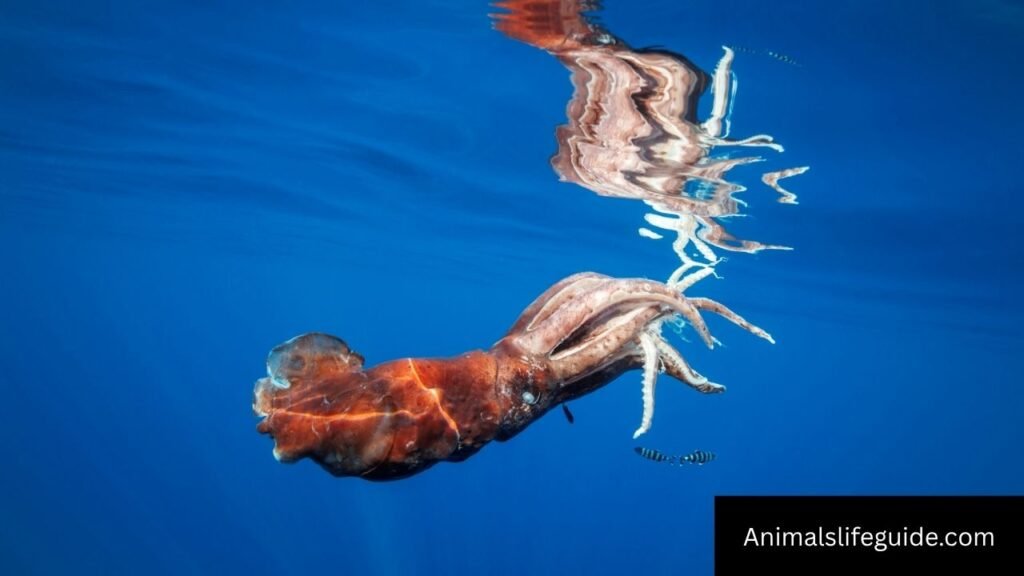
Recent scientific advancements have unveiled that these squids possess an intricate nervous system that rivals that of some vertebrates. This complexity suggests a level of intelligence previously underestimated, prompting researchers to speculate about their behavioral patterns and social structures. Dive deeper into the ocean’s abyss, and you might witness these majestic creatures engaging in a graceful ballet, using bioluminescence to communicate with one another or distract predators. As we continue to study their habits and ecology, the giant squid stands not only as a symbol of marine mystery but also as a testament to the wonders of life’s adaptability in the ocean’s depths.
Tentacled Snake
Scientific name: Erpeton tentaculatum
Class: Reptilia
Diet: Carnivores
The tentacled snake is a remarkable example of nature’s ingenuity, thriving in the murky waters of Southeast Asia. Its unique appearance — featuring elongated, flexible appendages resembling tentacles — serves a dual purpose: as both a hunting tool and a means of camouflage. When submerged, these tentacles mimic aquatic vegetation, allowing the snake to ambush unsuspecting prey such as fish and amphibians. This deft strategy highlights the animal’s adaptation to its environment, illustrating an intricate balance between form and function.
What’s truly fascinating about the tentacled snake is its hunting technique. Rather than relying on speed or venom, it utilizes its tentacles to lure in prey, showcasing a unique method of predation that blurs the line between predator and prey. The tentacles can rapidly generate a distraction, providing the snake with the element of surprise. This cunning behavior demonstrates a level of sophistication in the animal kingdom often overlooked in favor of more conventional predators. As we unravel the complexities of such species, we’re reminded that evolution is not just about survival but also about the art of deception and strategy in the natural world.
Corals
Class: Anthozoa
Diet: Carnivores
Coral reefs, often mistaken for simple plants, are intricate colonies of tiny animals called polyps, each equipped with tentacles that are both striking and functional. These tentacles, lined with stinging cells known as nematocysts, serve a dual purpose: they can capture prey and defend against predators. What’s fascinating is how these polyps work in harmony, creating vast underwater cities that can support diverse marine life. Together, they build massive limestone structures that not only provide sanctuary for fish but also contribute significantly to marine biodiversity.
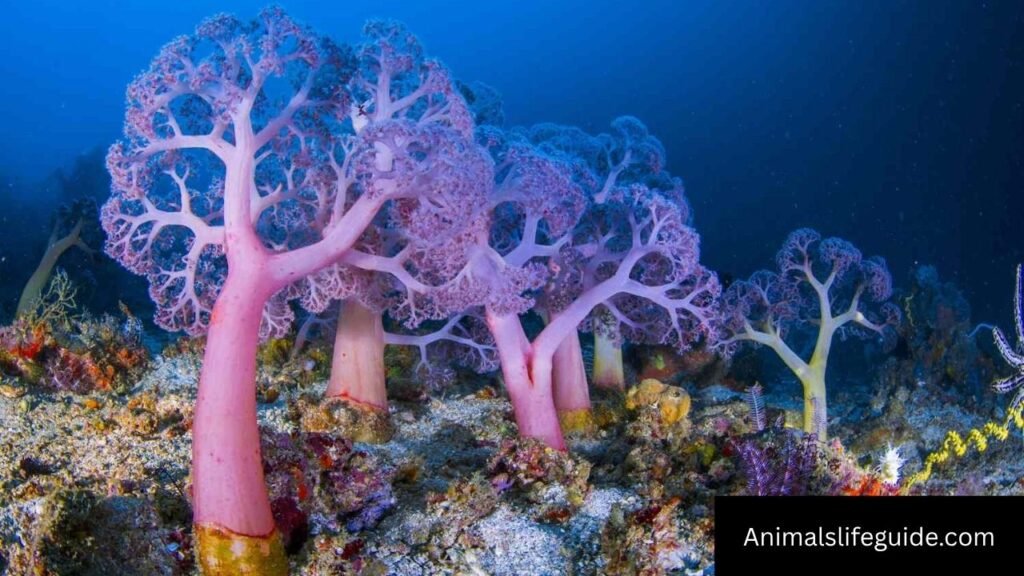
Beyond their physical presence, corals play a crucial role in the ocean’s health. They engage in a remarkable symbiotic relationship with zooxanthellae, microscopic algae that inhabit their tissues. This partnership allows corals to harness sunlight, turning them into vital producers in the marine ecosystem. As these algae photosynthesize, they provide nutrients to the corals, which in turn supply the algae with a safe home and carbon dioxide. This intricate bond highlights the interconnectedness of life beneath the waves, reminding us of the delicate balance required to sustain our oceans. Exploring the vibrant world of corals unveils a complex narrative of survival, resilience, and ecological importance that underscores the need for their conservation.
Spanish Slug
Scientific name: Arion vulgaris
Class: Gastropoda
Diet: Omnivores
The Spanish slug, often mistaken for its more glamorous marine relatives, showcases a fascinating adaptation with its unique tentacle-like structures. Unlike the traditional notion of tentacles used for grasping or locomotion, these are actually sensory organs that help the slug navigate its damp, terrestrial habitat. These structures, known as tentacular appendages, are crucial for detecting chemicals in the environment, allowing the slug to find food or evade predators.
In addition to their sensory roles, the Spanish slug’s tentacles have an intriguing biological function. They can regenerate after being damaged, a remarkable trait that underscores nature’s resilience. This regeneration not only aids the slug’s survival but also highlights broader ecological concepts about adaptability and evolution. As researchers delve deeper into the Spanish slug’s biology, it’s clear that these often-overlooked creatures play a critical role in their ecosystems, contributing to nutrient cycling and soil health through their feeding habits.
Phoronids
Scientific name: Phoronida
Class: Phoronata
Diet: Suspension feeders
Phoronids, often overshadowed by their more flamboyant marine counterparts, are fascinating creatures that offer unique insights into the evolutionary tapestry of life. These worm-like animals are encased in a tube that they construct from secreted materials, creating a tranquil abode in sandy or muddy substrates. What truly sets phoronids apart is their remarkable feeding mechanism: a crown of tentacles lined with ciliated structures that capture microscopic food particles, turning their simple existence into an intriguing dance of filtration.
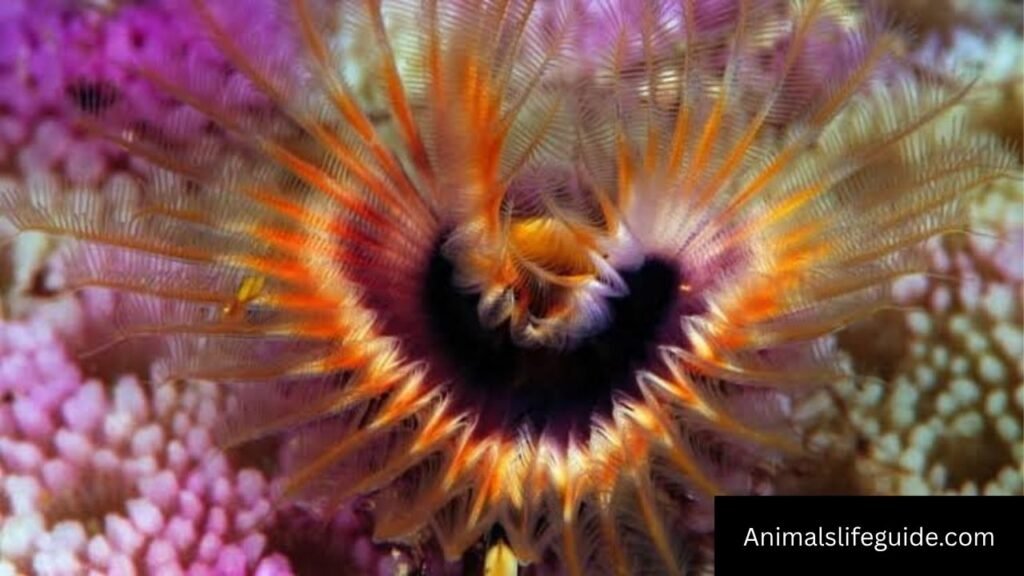
Despite their diminutive size, phoronids wield a powerful ecological influence, serving as vital contributors to marine ecosystems. They play a crucial role in nutrient cycling and sediment stabilization, showcasing how even the most unassuming organisms can foster biodiversity. Interestingly, the evolutionary lineage of phoronids suggests a link to both mollusks and annelids, raising intriguing questions about the common ancestry of marine life. As scientists continue to explore these enigmatic creatures, phoronids remind us of the complexities within the simplest of forms, challenging our perception of life beneath the waves.
Bryozoans
Scientific name: Bryozoa
Class: Gymnolaemata
Diet: Suspension feeders
Bryozoans, often overshadowed in discussions about marine biodiversity, are a fascinating group of colonial invertebrates that often resemble lacy coral. These tiny creatures form intricate colonies composed of numerous zooids, each possessing a crown of tentacles called lophophores. This distinctive feature not only serves as a feeding mechanism — filtering microscopic plankton from the water — but also plays a crucial role in their reproductive strategies, allowing for both asexual reproduction through budding and sexual reproduction.
What sets bryozoans apart is their ecological adaptability. Found in both marine and freshwater environments, these organisms can thrive in diverse habitats, from shallow coastal waters to deeper ocean floors. Their colonies can form colorful mats that serve as critical microhabitats, offering shelter and food for numerous small marine species. By doing so, bryozoans inadvertently contribute to the larger marine ecosystem, showcasing a remarkable synergy between the simplest forms of life and their complex environments.
Sea Cucumbers
Class: Holothuroidea
Diet: Detritivores
Sea cucumbers, often overlooked in discussions about marine life, are fascinating creatures that exhibit unique adaptations and behaviors. Found on ocean floors worldwide, these echinoderms play a critical role in marine ecosystems by recycling nutrients and maintaining the health of seabeds. Their soft, elongated bodies are distinct, but it’s their astonishing ability to expel internal organs that truly captivates; this self-defense mechanism can distract predators while the sea cucumber makes a hasty escape, later regenerating its lost parts.
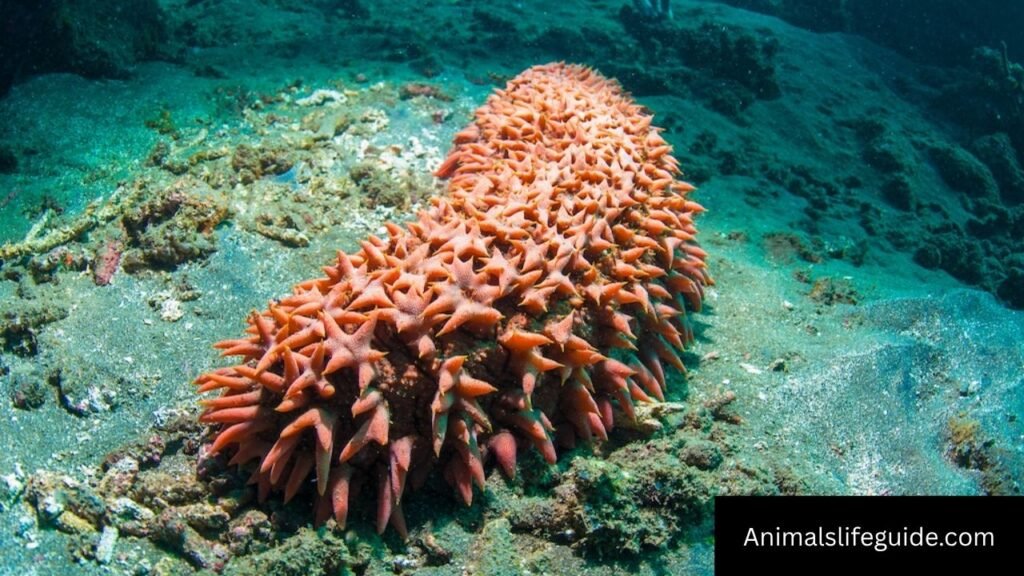
Interestingly, sea cucumbers also possess a remarkable ability to alter their body’s consistency. When threatened, they can quickly transition from a rigid state to a more gelatinous one, making it harder for predators to grip them. Their tentacle-like feeding appendages, known as tubefeet, are used not only to siphon organic matter from the sediment but also to sense their environment, showcasing a blend of tactile and chemical communication. Exploring the world of these tentacled wonders reveals more than their quirky appearances; it highlights their vital contribution to ocean health and the intricate relationships we often take for granted beneath the waves.
Hydra
Class: Hydrozoa
Diet: Carnivores
The hydra, a tiny yet formidable creature, embodies the elegance and enigma of tentacled animals. Found primarily in freshwater environments, these remarkable organisms boast an almost mythical quality with their regenerative abilities, capable of regrowing body parts indefinitely. This unique trait, attributed to their simple but efficient cellular structure, offers fascinating insights into potential advances in science and medicine, especially in regenerative medicine and longevity research.
What truly captivates about the hydra, however, is its predatory lifestyle. Armed with specialized tentacles lined with cnidocytes, or stinging cells, they deftly capture unsuspecting prey, primarily tiny aquatic animals. This predation not only raises questions about their ecological role but also opens discussions about the evolutionary adaptations that enable such efficiency. The hydra’s ability to thrive in diverse environments, from stagnant ponds to streams, showcases its resilience and highlights how even the smallest creatures can wield profound insights into the dynamics of life. As research continues, these fascinating beings may reveal secrets that transform our understanding of biology and evolution.
Cuttlefish
Scientific name: Sepiida
Class: Cephalopoda
Diet: Carnivores
Cuttlefish are fascinating cephalopods that showcase remarkable intelligence and adaptability, often blurring the line between predator and prey. Their unique ability to change color and texture in an instant not only serves as a camouflage tactic but also plays a vital role in communication. This skill allows cuttlefish to send visual signals to potential mates or warn rivals, making them some of the ocean’s most adept social performers. Imagine a vibrant aquatic Picasso shifting hues and patterns while navigating through the underwater realm!
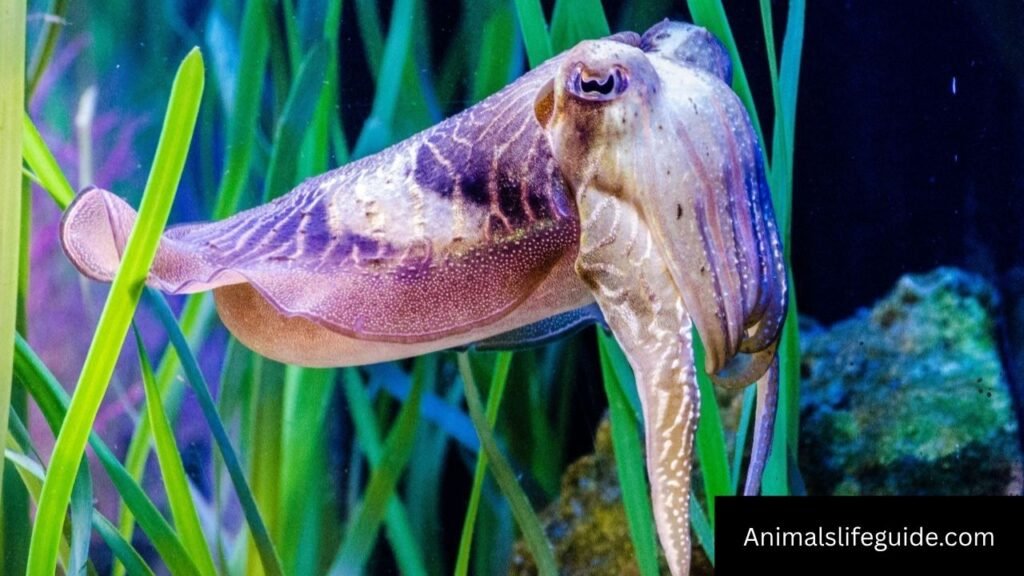
In addition to their captivating appearance, cuttlefish possess a sophisticated nervous system that rivals that of mammals, showcasing their cognitive prowess. They exhibit problem-solving skills and have been observed using tools, a rare trait among invertebrates. Their flexible bodies, armed with tentacles lined with sensitive suckers, enable them to snatch prey with lightning speed. This predatory finesse is complemented by their exceptional eyesight, which can perceive polarized light, giving them an edge in spotting elusive prey in darkened underwater environments.
Sea Anemone
Scientific name: Actiniaria
Class: Anthozoa
Diet: Carnivores
The sea anemone, with its vibrant colors and delicate, flowing tentacles, embodies a hidden elegance in the underwater world. Often mistaken for plants, these fascinating creatures are actually marine animals belonging to the cnidarian family, which includes jellyfish and corals. Their tentacles are equipped with specialized cells called nematocysts that release toxins to capture prey and deter predators, showcasing both beauty and lethal efficiency in nature’s design.
Living in symbiosis with clownfish, sea anemones offer a prime example of mutualism in the ocean. While the clownfish gains protection from predators by dwelling among the anemone’s stinging tentacles, it, in turn, cleans and nourishes its host. This intricate relationship highlights not just the adaptability of these creatures but also the intricate webs of interdependence that sustain marine ecosystems. Observing the dance between them can reveal a world of communication and survival that is as captivating as it is complex, challenging our perceptions of “predator” and “prey.”
Sea Snails
Class: Gastropoda
Diet: Herbivores / Omnivores
Sea snails, particularly those from the class Gastropoda, display a fascinating range of adaptations that make their tentacles truly unique. Sea snails often possess two types of tentacles: the longer ones serve as sensory organs, while shorter ones can help in feeding. These tentacles are not just for tactile exploration; they play a critical role in the snail’s ability to navigate through complex underwater environments. The delicate structures are covered in sensory cells that can detect chemicals in the water, effectively allowing these slow-moving creatures to understand their surroundings and locate food sources.
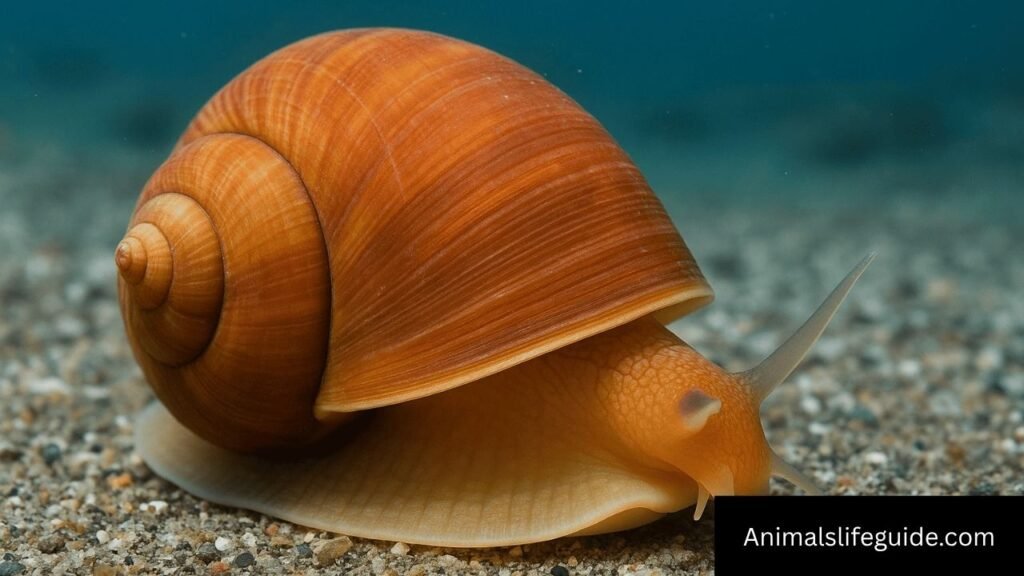
Interestingly, some sea snail species, like the cone snail, have evolved a more sophisticated arsenal. They utilize their tentacles not just for sensory perception but also for hunting. Armed with venomous harpoons, these snails can inject neurotoxins into their prey — often small fish or other marine animals — making them formidable predators. This lethal adaptation highlights a fascinating duality where tentacles can serve peaceful navigation in some species while transforming into tools of survival and predation in others, showcasing the incredible diversity of life in our oceans.
Star-nosed Mole
Scientific name: Condylura cristata
Class: Mammalia
Diet: Carnivores
The star-nosed mole, often overshadowed by more glamorous creatures, stands as a testament to nature’s ingenuity. At the heart of its unique charm are the 22 sensitive, tentacle-like appendages that adorn its snout. These not only serve a practical purpose but transform the mundane task of foraging into an intricate ballet of sensory exploration. Each tentacle is packed with thousands of sensory receptors, enabling the mole to quickly locate food in its dark, subterranean lair.
But the star-nosed mole isn’t just a master forager; it also redefines our understanding of adaptation. In a world where many creatures rely heavily on vision, this mammal has evolved to thrive in near-complete darkness. Its ability to navigate and hunt with such precision highlights the sophisticated communication between its brain and its sensory tentacles. While often dismissed as merely odd, the star-nosed mole invites us to reconsider the importance of sensory diversity in the animal kingdom and reminds us that beauty can reside in the most unexpected forms.
Chambered Nautilus
Scientific name: Nautilus pompilius
Class: Cephalopoda
Diet: Carnivores / Scavengers
The chambered nautilus, often referred to as a “living fossil,” offers a fascinating glimpse into the evolutionary past, dating back over 500 million years. Its spiral shell, divided into gas-filled chambers, serves as a buoyancy aid, allowing this cephalopod to navigate the dark depths of the ocean with remarkable grace. Unlike most of its relatives, the nautilus remains unchanged in form, a testament to the effectiveness of its adaptations in a world dominated by predators and environmental shifts.
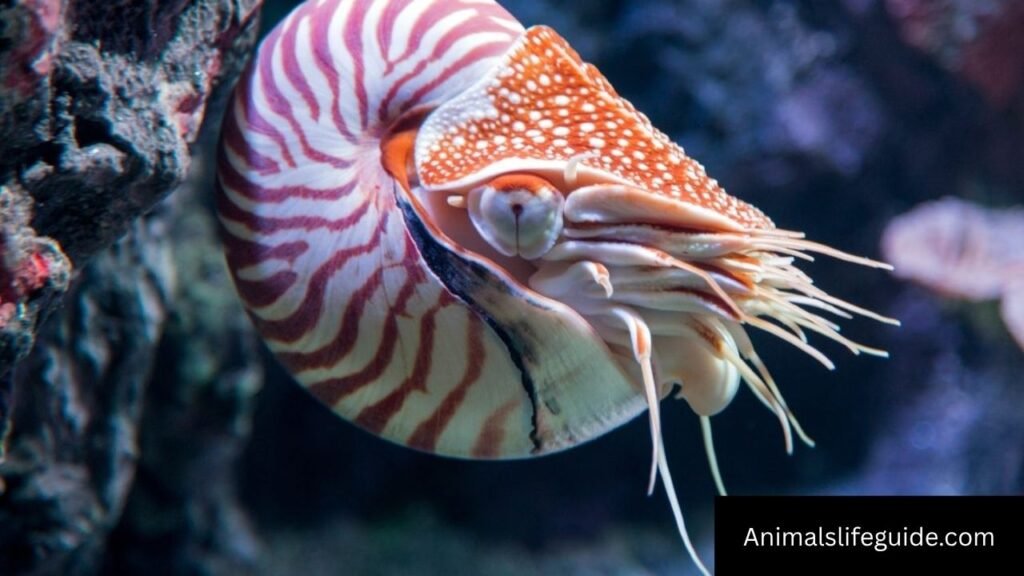
What’s truly captivating about the chambered nautilus is its unique approach to survival. Armed with over 90 specialized tentacles, it employs a form of tactile exploration rather than sight, as its eyes are more akin to light sensors than advanced visual organs. This adaptation not only enhances its foraging capabilities in the murky depths but also prompts a sense of wonder about the mysteries hiding beneath the ocean’s surface. The nautilus’s slow growth and long lifespan also contribute to its vulnerable status, making it a symbol for conservation efforts in marine ecosystems that are increasingly threatened by human activity.
Caecilians
Scientific name: Gymnophiona
Class: Amphibia
Diet: Carnivores
Caecilians, often overlooked in discussions about tentacled creatures, are a fascinating group of limbless amphibians that thrive underground or in water. These nocturnal animals may not sport traditional tentacles like squids, but their unique adaptations offer a captivating glimpse into evolutionary creativity. These enigmatic beings possess sensory tentacle-like structures between their eyes and nostrils, which help them navigate their dark, subterranean environments.
What’s particularly intriguing about caecilians is their smooth, elongated bodies, resembling a snake or a worm, which allows them to burrow effortlessly through soil or leaf litter. Their skin, often covered in mucous, aids in moisture retention — a critical adaptation for organisms living in humid, terrestrial ecosystems. Surprisingly, caecilians also exhibit a remarkable form of parental care. Some species even nurture their young in their own bodies, a phenomenon that blurs the line between external and internal gestation. This evolutionary strategy emphasizes the adaptability and resilience of life in extreme environments, showcasing a world where survival often hinges on remarkable physical and behavioral traits.
Readmore: Explore Top 18 Animals With Bad Memory.
Final Words
Animals with tentacles represent some of the most remarkable adaptations found in the animal kingdom, showcasing the extraordinary ways life can flourish in aquatic environments. From their versatile appendages that allow for both predation and communication, to their sheer beauty, these animals capture the imagination of those who study them. Moreover, they remind us of the importance of biodiversity and the intricate connections within marine ecosystems. As stewards of the planet, it is imperative that we work together to preserve these unique species and their habitats.