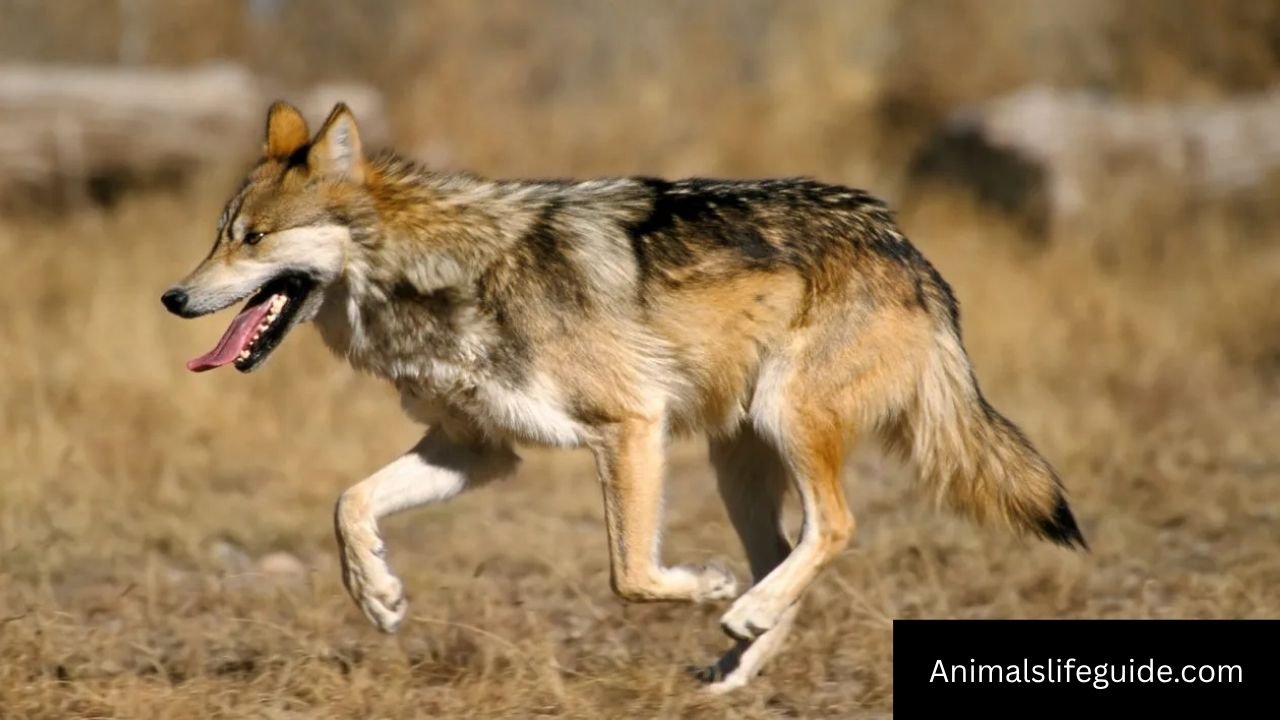
Interesting Facts: Do Wolves Purr?
In this article, we explore the intriguing question: Do wolves purr? Understanding this behavior not only deepens our knowledge of canine communication but also sheds light on the complex social dynamics within wolf packs. By the end, you’ll be equipped with fascinating insights into these majestic creatures and their unique vocalizations.
What Kind of Sounds Do Wolves Make?
Wolves are renowned for their distinctive vocalizations, which serve as a crucial aspect of their social dynamics and communication. Beyond the iconic howl, wolves produce a rich tapestry of sounds, including growls, whines, yips, and barks. Each vocalization plays a unique role: growls often signal aggression or warning, while yips can be expressions of excitement or playfulness among pack members. Interestingly, these sounds not only facilitate communication within the pack but also convey messages to rival packs, establishing territory without the need for confrontation.
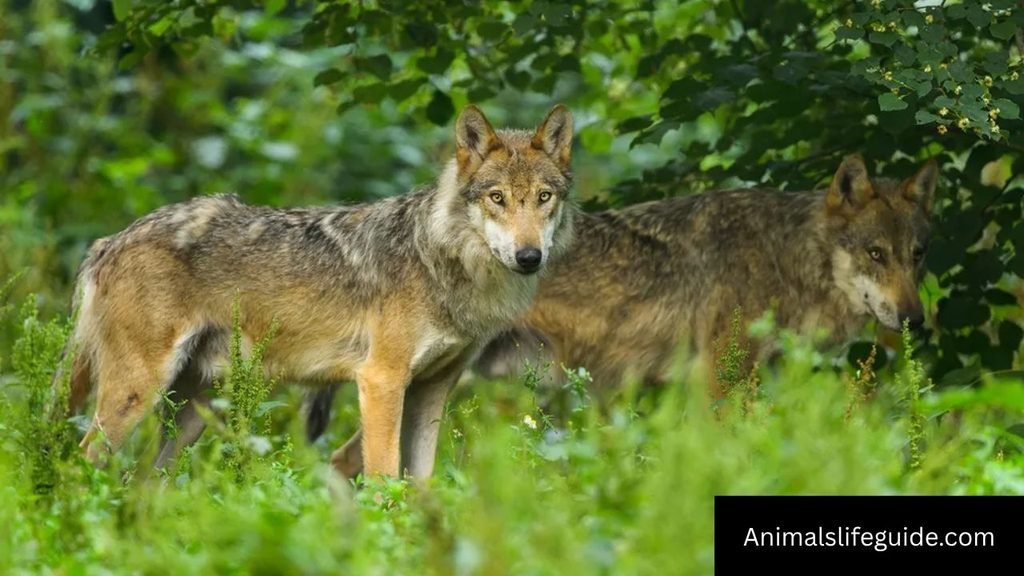
Research shows that the context of a wolf’s vocalization can impart layers of meaning. For instance, a low, drawn-out howl might be a call for the pack to regroup, while shorter, emphatic barks could indicate the presence of potential threats. The pitch and repetition of these sounds can change based on the emotional state of the wolf, offering more nuanced insights into their behavior. Observing these vocal nuances encourages us to appreciate the sophistication of wolf communication, highlighting the delicate balance within their social structures and the way they navigate their world.
Growls
A growl can be a nuanced expression of emotion, conveying everything from a playful mood to a serious warning. When a wolf growls, it often serves as an instinctual reminder of their wild heritage, a tool for asserting dominance within the pack hierarchy or establishing boundaries. This primal sound resonates not just among wolves but also alerts other species to potential danger.
Interestingly, growling isn’t always a sign of aggression. In some contexts, it can indicate camaraderie, seen during play or even while interacting with pups. Wolf growls can reflect the intricate social dynamics within a pack, revealing the complex relationships that exist in their tight-knit community. By paying attention to the subtleties of these vocalizations, we gain insight into a world shaped by instinct, emotion, and the need for connection, reminding us that these majestic creatures hold countless secrets within their vocalizations.
Whines
Wolves whine for a variety of reasons that reveal the intricacies of their social dynamics. Often perceived as a sign of submission or a call for attention, whining serves a deeper purpose in maintaining pack cohesion. When a young wolf whines, it’s not just seeking comfort; it’s also communicating its place within the pack hierarchy, signaling its needs or emotions to more dominant members. This vocalization, nuanced in its delivery, can convey everything from excitement to distress, showcasing the complexity of wolf communication.
Furthermore, whining often occurs during the transition period, such as when a pack is regrouping after a hunt or during close encounters with other wolves. In these moments, a whine can act as a social glue, reinforcing bonds among pack members and ensuring that all individuals are aligned and aware of one another’s locations and intentions. By decoding these subtle vocalizations, we gain insight into the emotional lives of wolves, highlighting their reliance on sound as a means of nurturing relationships and fostering unity within their mysterious, wild world.
Barks
Wolves bark for a variety of reasons, often serving as a vital form of communication within their social structures. Unlike dogs, whose barking can sometimes signify excitement or alarm, wolves use this vocalization to relay specific messages. For instance, a sudden bark might alert the pack to an approaching danger or to signal the presence of prey. This barking serves to unify the group, helping to maintain cohesion during hunts or territorial displays.
Moreover, the context of the bark can vary significantly. When a wolf barks in a playful manner, it may be inviting interaction with pack members, reinforcing social bonds. This nuanced form of vocalization showcases their intelligence and emphasizes the importance of social ties among wolves.
Howls
One of the primary functions of howling is communication within a pack. It serves as a vocal bridge, helping members locate each other across vast landscapes, especially in dense forests or expansive tundras where visual cues may be lost. Each howl carries a different meaning, from calls to gather the pack to expressions of loneliness or even invitations to mate during the breeding season.
Moreover, howling plays a critical role in maintaining territory. By vocalizing their presence, wolves signal to rival packs that a territory is claimed, reinforcing boundaries without the need for aggressive confrontations. This avoids unnecessary conflicts and conserves energy, which is paramount in harsh environments. Intriguingly, the unique pitch and rhythm of a wolf’s howl can also create a hauntingly beautiful soundscape that connects this apex predator to the ecosystem, weaving their calls into the very fabric of the wild.
How Do Wolves Communicate With Each Other?
Wolves are not just skilled hunters; they’re also master communicators, utilizing a sophisticated array of vocalizations, body language, and scents to convey their thoughts and emotions. The iconic howl serves multiple purposes, from rallying pack members after a hunt to marking territory and even signaling the presence of danger. Interestingly, howling is a powerful social glue; it helps to strengthen bonds within the pack, ensuring everyone is aligned and connected.
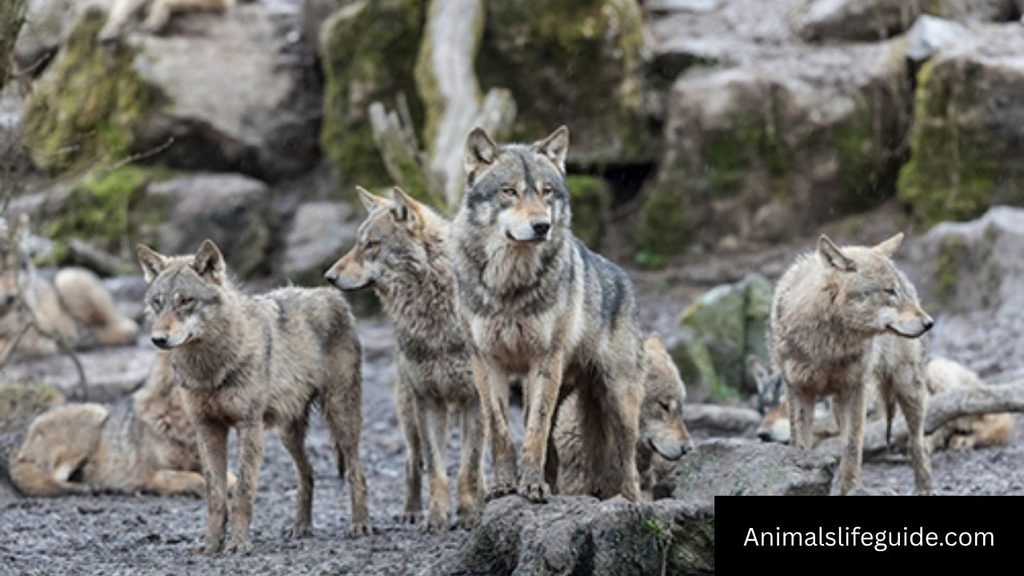
Beyond their vocal prowess, wolves rely heavily on body language. Each subtle movement, whether it’s a lowered head or a playful bow, communicates hierarchy, intentions, or even discomfort. For example, a wolf that approaches with its ears back and tail low is typically expressing submission, while a head held high and stiff posture indicates confidence or dominance. This nuanced system allows wolves to navigate complex social interactions without resorting to aggression, fostering a cohesive group dynamic.
Moreover, scent plays a significant role in their form of communication. Through snow tracking or scent-marking with urine, wolves share information about their location, reproductive status, and even their emotional state. This olfactory dialogue provides a rich tapestry of information that’s crucial for survival in the wild, showcasing a remarkable blend of instinct and intelligence that elevates their social structure to a level of profound sophistication.
What noises do wolves make when happy?
Wolves express their happiness through a variety of vocalizations that reveal their nuanced emotional states. One of the most delightful sounds is a playful, high-pitched yip, often accompanied by wagging tails and playful body language. This upbeat vocalization signals their excitement and eagerness to engage with pack members, showcasing their strong social bonds and cooperative nature.
Contented wolves emit soft, low-frequency growls that can be mistaken for a purr. This rumbling not only communicates satisfaction but also reinforces connections within the pack, fostering an environment of trust and security.
Do Wolves Purr?
While wolves are often associated with howling, their vocalizations are more nuanced than many realize. Unlike domestic cats, wolves don’t purr in the same way we expect from our feline friends. Instead, they communicate through a range of sounds including growls, whines, and chirps, each serving a distinct purpose in their social structure. A low, rhythmic “purring-like” sound can sometimes be heard, particularly among pack members, serving as a form of contentment or bonding after a hunt. This is less about the soothing vibrato we associate with cats and more about the harmony voiced within the pack.
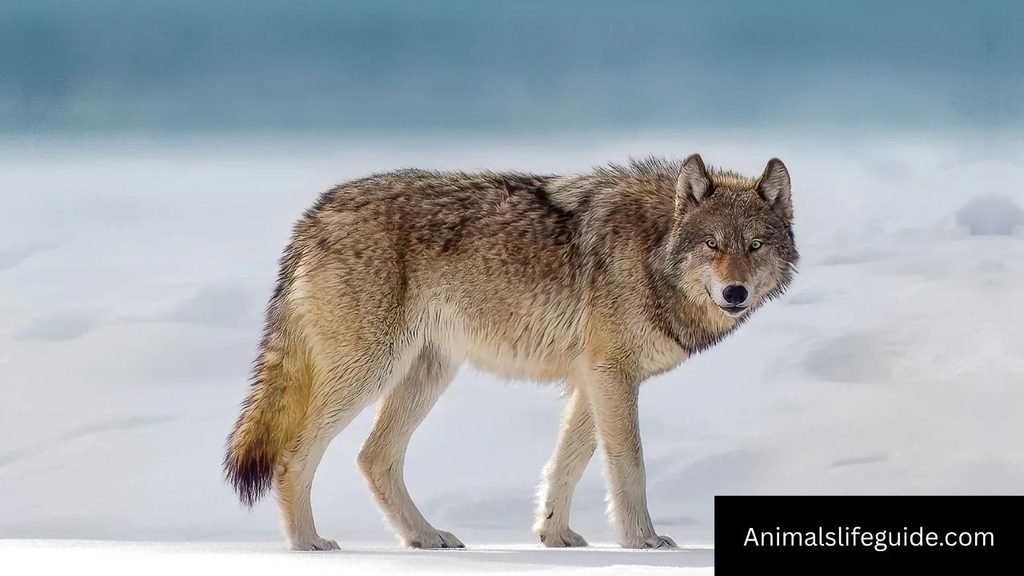
Exploring the social dynamics of wolves unveils a deeper narrative about their communication. Unlike solitary animals, wolves thrive in pack environments where vocalizations reinforce bonds and convey emotions. Their unique styles of communication highlight an essential aspect of their survival strategy, fostering cooperation and unity. So, while wolves may not purr in the traditional sense, their vocalizations encapsulate a rich tapestry of social interaction, reminding us that the sounds of the wild are as intricate as the creatures that inhabit it.
Why Do Wolves Howl At Night?
Wolves howl at night for various reasons, and understanding this behavior can reveal much about their social dynamics and survival strategies. One of the primary motivations for their nocturnal howling is communication. In the dark, sound travels farther, allowing packs to coordinate their movements, locate each other, and strengthen social bonds. This vocalization can serve as an announcement of territory or a rallying call for the members of the pack, reminding them of their communal ties under the vast, starry sky.
Moreover, howling can be a response to environmental cues. As night falls, prey species like deer and elk become more active, prompting wolves to communicate their readiness to hunt. The chorus of howls creates an eerie but enchanting symphony that echoes through the wilderness, reinforcing their presence in the ecosystem.
How Do Wolves Show Affection?
Wolves exhibit affection through a range of fascinating behaviors that highlight their complex social structures. One of the most striking forms of bonding is through grooming, where a wolf uses its tongue to clean another’s fur. This not only helps to strengthen social ties but also reinforces trust within the pack. The act of grooming can serve as a calming mechanism, a way to ease tensions and foster a sense of safety among pack members.
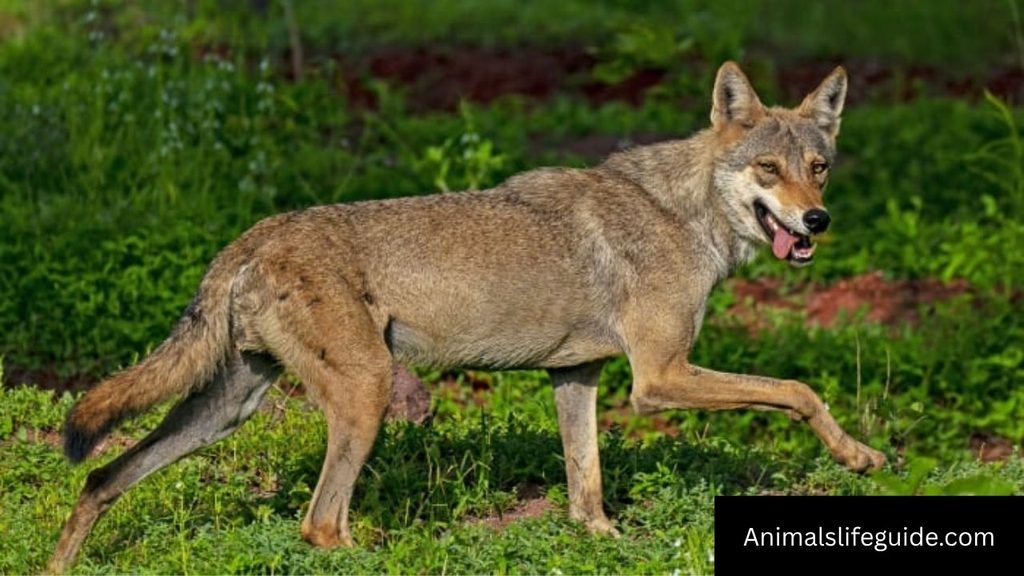
Vocalizations also play a crucial role in expressing affection. While wolves are known for their iconic howls, softer sounds, like whines and whimpers, indicate a desire for closeness and attention. These sounds often occur during playtime, where young wolves engage in spirited bouts, fostering camaraderie. The posture of a wolf can reveal its emotional state; a wolf that approaches with a lowered head and relaxed ears is often seeking connection, signaling their openness and affection.
Interestingly, wolves may also display affection by sharing food. This behavior, known as food sharing, is not just about sustenance — it’s a demonstration of loyalty and kinship. Sharing a meal reinforces the pack’s cohesion, illustrating how affection in wolves transcends simple gestures and is woven into the very fabric of their social lives.
Do Wolves Cuddle?
Wolves, often viewed as solitary hunters, actually exhibit complex social behaviors that include affectionate gestures among pack members. Contrary to the misconception of their cold, wild nature, studies reveal that wolves engage in playful interactions, grooming, and even synchronized howling, which serves to strengthen their social bonds. These displays can easily be interpreted as a form of cuddling, as wolves lean against each other for warmth and comfort during rest periods, showcasing a deep sense of trust within the pack.
Moreover, this affection isn’t limited to just family ties; wolves readily include newcomers into their social circles. When integrating new members, the pack often engages in behaviors reminiscent of cuddling, such as nuzzling and close proximity during sleep. This behavior not only fosters unity but also emphasizes the emotional intelligence of these creatures, proving that their capacity for affection extends beyond mere survival instinct.
Read More: Explore How Strong Are Kangaroos?
Conclusion
While wolves do not purr in the traditional sense like domestic cats, they communicate through a variety of vocalizations and body language that convey their emotions and intentions. These sounds range from howls to growls, each serving a unique purpose in their social interactions and survival strategies. Understanding these nuances enriches our appreciation of these remarkable animals and their complex social structures.
By recognizing the communication methods of wolves, we can foster a deeper connection to wildlife and advocate for their conservation. Let’s commit to learning more about these incredible creatures and protecting their natural habitats.