Top 21 Animals With Long Names (With Images)
Welcome to the captivating discussion on Animals With Long Names, where we’ll unravel the stories behind their lengthy titles and the important roles these species play in our ecosystems.
This exploration not only highlights the uniqueness of our planet’s fauna but also emphasizes the exciting diversity of life that often goes unnoticed. Buckle up as we unveil the majestic and oft-overlooked wonders of the animal kingdom!
List of Animals With Long Names
Below is the list of animals with long names:
- Screaming hairy armadillo
- Madagascar hissing cockroach
- Greater short-nosed fruit bat
- Black-and-white ruffed lemur
- Crowned slaty flycatchers
- White-throated needletail
- Northern hairy-nosed wombat
- Western Diamondback Rattlesnake
- Humuhumunukunukuapua’a
- Red-bellied black snake
- Yellow-bellied sea snake
- Green-and-black poison dart frog
- Black-crowned Central American squirrel monkey
- Pennsylvania wood cockroach
- Canadian swallowtail tiger butterfly
- Giant golden-crowned flying fox
- Eastern Diamondback Rattlesnake
- Southern three-banded armadillo
- Long-tailed widowbird
- Southern Titiwangsa bent-toed gecko
- Ruby-throated hummingbird
Screaming hairy armadillo
Scientific Name: Chaetophractus vellerosus
Class: Mammalia
Diet: Omnivore
The screaming hairy armadillo presents a striking contrast to the typically armored creatures of its kind. Found primarily in the dry grasslands and semi-deserts of Argentina, this unique mammal has developed an extraordinary defense mechanism: it screams. When threatened, it emits a surprising, high-pitched cry that can reach levels unsettling to potential predators. This vocalization not only serves as a warning but may also startle its adversaries, providing the armadillo with a chance to escape.
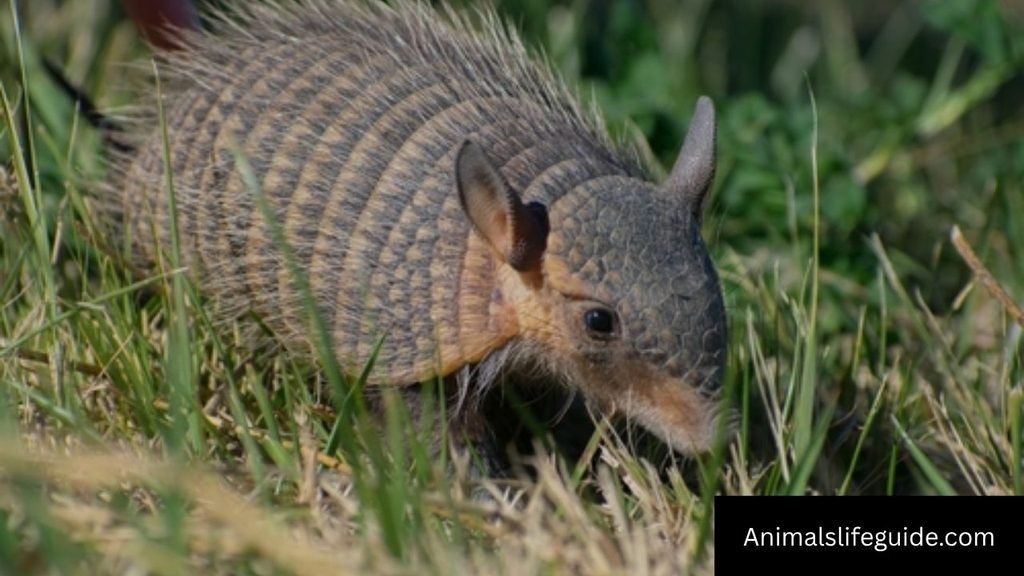
Beyond its alarming cries, the screaming hairy armadillo has intriguing adaptations that make it a master of survival. Its burrowing habits play a crucial role in its lifestyle, as it digs complex tunnels to evade the harsh elements and predators alike. Equipped with sharp claws and a formidable body, it can produce a labyrinth of burrows that act as both shelters and foraging spots. Moreover, the armadillo’s diet, primarily consisting of insects and larvae, showcases its vital role in the ecosystem as a natural pest controller, proving that this seemingly bizarre creature is not just a curious oddity but a critical player in its habitat.
Madagascar hissing cockroach
Scientific Name: Gromphadorhina portentosa
Class: Insecta
Diet: Herbivore/Detritivore
The Madagascar hissing cockroach, renowned for its distinctive hissing sound, boasts a fascinating biology that defies the typical perceptions of its species. Unlike common cockroaches, these remarkable creatures are among the largest roach species, growing up to four inches long. Their impressive size is matched by their remarkable adaptability; they thrive in the humid forests of Madagascar, where they play a crucial role in the ecosystem as decomposers. By breaking down organic matter, they aid in nutrient recycling, making them unsung heroes of their environment.
What truly sets the Madagascar hissing cockroach apart is its social behavior. Unlike many of its solitary counterparts, these roaches engage in a form of communication through their hissing. By expelling air from their abdomen, they produce a sound that can be heard up to two meters away. This hissing serves multiple purposes: attracting mates, deterring predators, and even establishing territory. Surprisingly, their lifespan can extend up to five years in captivity, revealing a long-term potential for both interest and research in their behavior and ecological value. Understanding these fascinating insects expands our appreciation for biodiversity and the complex roles even the most unassuming creatures play in our world.
Greater short-nosed fruit bat
Scientific Name: Cynopterus sphinx
Class: Mammalia
Diet: Herbivore
The Greater Short-nosed Fruit Bat, a fascinating creature found primarily in tropical forests of Southeast Asia, plays a crucial role in its ecosystem as a pollinator and seed disperser. With its unique diet mainly comprising fruits like figs, this bat helps maintain the biodiversity of its habitat by facilitating the growth of various plant species. What’s particularly remarkable is their ability to navigate through dense foliage using echolocation, which allows them to locate ripe fruits even in low light conditions.
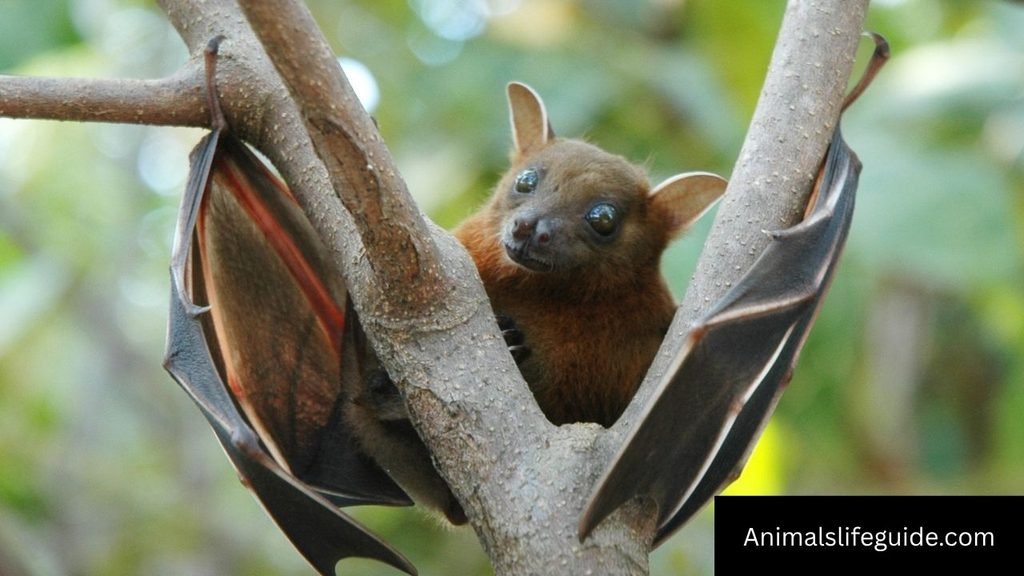
These bats are also known for their intriguing social structures; they often roost in large colonies, which not only provides safety in numbers but also fosters complex social interactions. Observations show that they engage in grooming behaviors that strengthen social bonds, highlighting their social intelligence. Furthermore, as climate change threatens their habitats, conservationists emphasize the need to protect these vital pollinators, as their decline could disrupt the delicate balance of their ecosystems. The Greater Short-nosed Fruit Bat serves as a reminder of the intricate connections within nature and the critical role each species plays in sustaining the health of our planet.
Readmore: Explore Top 30 Animals With 5 Letters.
Black-and-white ruffed lemur
Scientific Name: Varecia variegata
Class: Mammalia
Diet: Herbivore
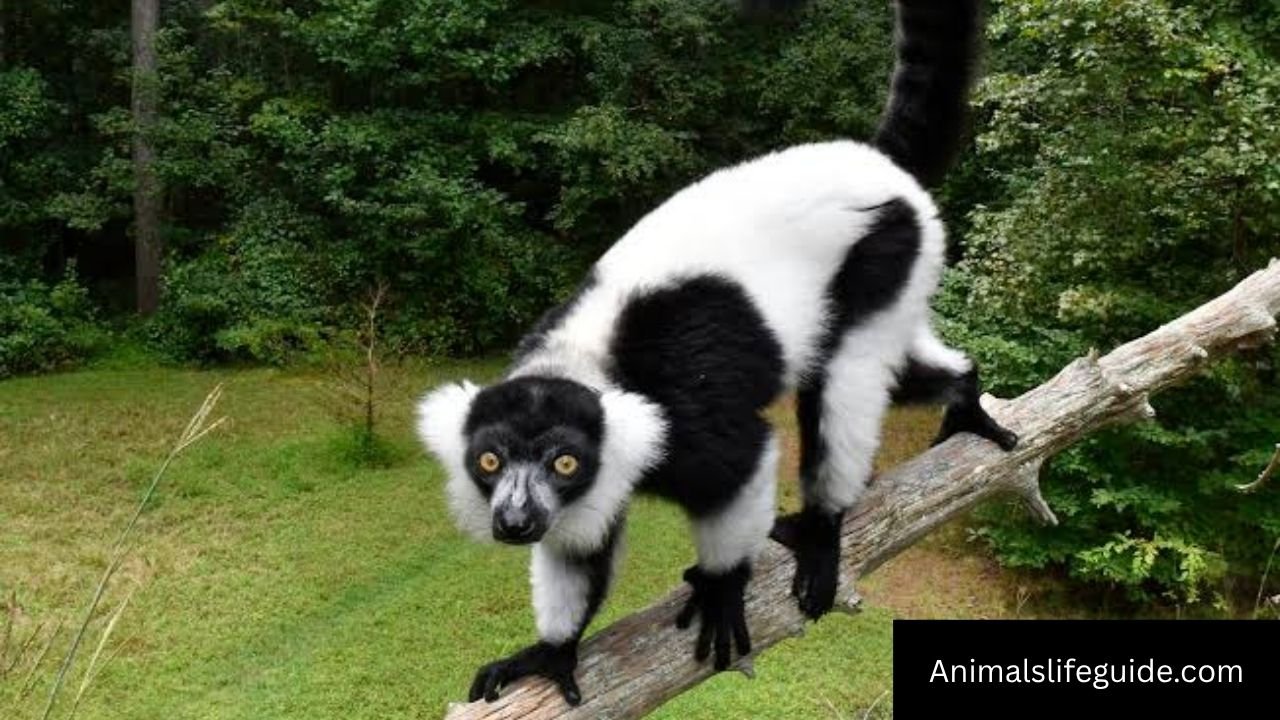
The black-and-white ruffed lemur, native to the lush rainforests of Madagascar, is a striking exemplar of biodiversity and unique adaptation. With their distinctive black and white fur and expressive, large eyes, these primates are not just visually stunning but also play a significant role in their ecosystem. As one of the few animals capable of swallowing fruit whole, they act as essential seed dispersers, helping to maintain the health of their rainforest habitat. Without their contribution, many plant species might struggle to propagate, showcasing the intricate web of life in which every species plays a part.
Socially, black-and-white ruffed lemurs exhibit fascinating behaviors that challenge traditional views of primate dynamics. Unlike many other lemur species, they live in matriarchal groups led by dominant females, which fosters a cooperative breeding environment. This unique social structure highlights the adaptability of these primates to their environment while offering fresh insights into the evolution of social systems in the animal kingdom. Their vocalizations are a testament to their intelligence, as they use various calls to communicate with one another across the dense canopy. These enchanting creatures are not just vital to their ecosystem; they also embody the complex relationships that define life in the wild.
Crowned slaty flycatchers
Scientific Name: Myiozetetes similis
Class: Aves
Diet: Omnivore
The crowned slaty flycatcher, a striking bird native to the dense forests of Central and South America, showcases a remarkable blend of adaptability and vibrant plumage. With a distinctive crown of feathers that shimmers iridescently in sunlight, these birds are not just visually stunning — they also play a vital role in their ecosystems as insectivores. Their diet primarily consists of various insects, making them essential for controlling pest populations and supporting the ecological balance.
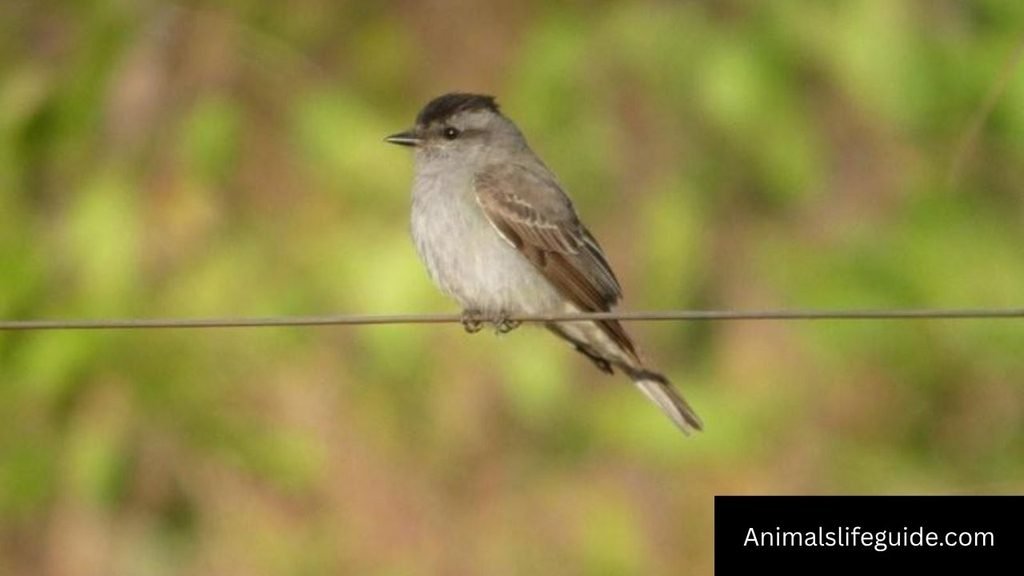
Interestingly, crowned slaty flycatchers have evolved unique vocalizations that not only facilitate communication with their mates but also establish territory during breeding seasons. Their calls are a symphony of whistles and chirps, enhancing their appeal to birdwatchers and researchers alike. Observing these birds in their natural habitat offers not just a visual treat, but a reminder of the complexities of avian social structures and the intricate relationships within their ecosystems. As these creatures face habitat loss due to deforestation, the quest to preserve their environments becomes ever more pressing, highlighting the interconnectedness of all living beings.
White-throated needletail
Scientific Name: Hirundapus caudacutus
Class: Aves
Diet: Insectivore
The white-throated needletail, known for its striking appearance and impressive aerial agility, is often dubbed the fastest bird in level flight, reaching speeds of up to 105 miles per hour. This remarkable feat not only makes it a marvel of avian evolution but also an expert in exploiting updrafts and utilizing energy-efficient flight patterns. Its sleek, elongated body and pointed wings allow it to maneuver gracefully through the densest of forests and bustling skies, a testament to its adaptability as a series of impressive habitats span across the globe, from Asia to Australia.
Captivatingly, these birds have a unique lifestyle as they seldom land on the ground, opting instead to rest while perched on high branches or cliff ledges. Their diet primarily consists of aerial insects, which they snatch mid-flight, showcasing their exceptional foraging skills. Their vocalizations are a rhapsody of whistles and twitters, contributing to their social dynamics as they communicate within flocks. This ability to thrive in such diverse environments and their engaging behaviors make the white-throated needletail not just a bird to admire for its speed, but also a symbol of adaptability and resilience in the natural world.
Northern hairy-nosed wombat
Scientific Name: Lasiorhinus krefftii
Class: Mammalia
Diet: Herbivore
The Northern hairy-nosed wombat, one of the world’s rarest marsupials, is more than just a charming creature; it symbolizes resilience in the face of extinction. Found only in a small region of Queensland, Australia, this wombat once roamed freely across vast landscapes but now clings to survival with a population of just around 250 individuals. What makes this species particularly fascinating is its unique adaptations; for instance, its toughened nose is perfectly designed for burrowing into the hard soils of its arid habitat, enabling it to access nutrients and moisture that other animals struggle to find.
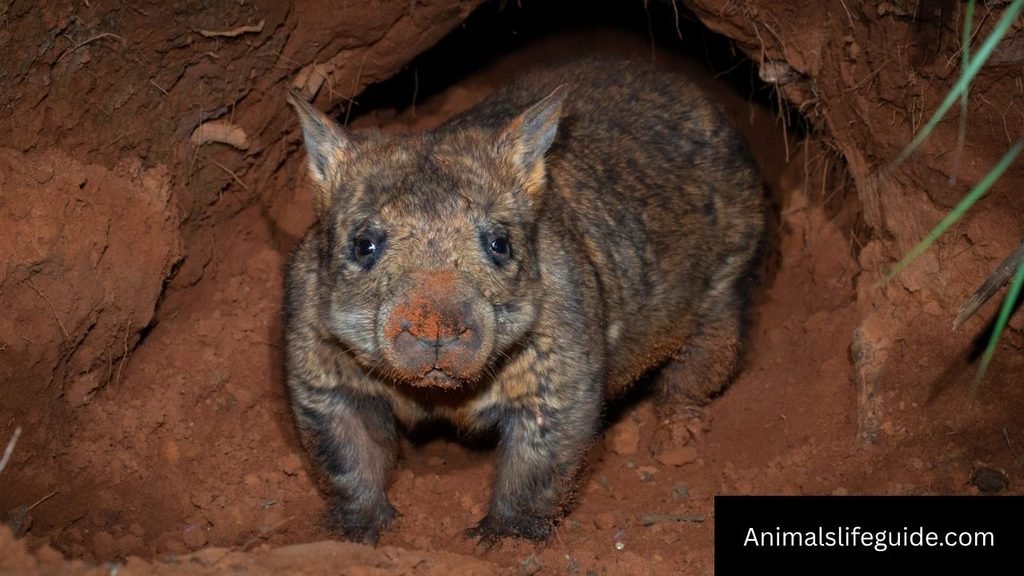
Wombats are nocturnal, spending their nights foraging for grasses and roots. Their remarkably slow metabolism warrants a diet low in energy, meaning they can take their time munching on their leafy snacks, a strategy that echoes the wombat’s overall approach to life — slow, steady, and survival-focused. Interestingly, these loveable yet elusive marsupials have a distinct form of communication, relying on scent-marking to convey vital information about territory and breeding status to others of their kind. Each encounter leaves a scented message, turning their habitat into a fragrant network of social signals that help maintain their fragile population. As conservation efforts ramp up to protect this incredible species, the Northern hairy-nosed wombat stands as a reminder of the delicate balance between nature and humanity’s responsibility to safeguard it.
Western Diamondback Rattlesnake
Scientific Name: Lasiorhinus krefftii
Class: Mammalia
Diet: Herbivore
The Western Diamondback Rattlesnake is a fascinating marvel of adaptation, known for its striking diamond-patterned skin that provides effective camouflage in its arid Southwestern habitat. This pattern not only helps it blend seamlessly with the rocky terrain but also plays a crucial role in regulating body temperature, reflecting sunlight while absorbing warmth during cooler nights. Furthermore, the snake’s rattle serves more than just as a warning; it can produce a unique sound signature that may vary based on individual age and health, intriguing researchers who study animal communication.
What’s particularly captivating is the Western Diamondback’s exceptional sensory ability. Equipped with heat-sensitive pits between its eyes and nostrils, it can detect the thermal signatures of prey, making it an adept hunter even in complete darkness. This skill, combined with its striking speed and agility, allows it to ambush small mammals, birds, and even other reptiles. Despite its fearsome reputation, this rattlesnake plays an essential role in maintaining the ecological balance by controlling rodent populations and providing food for larger predators. Understanding the intricate life of the Western Diamondback invites us to appreciate the delicate interconnections within our ecosystems.
Humuhumunukunukuapua’a
Scientific Name: Rhinecanthus aculeatus
Class: Actinopterygii
Diet: Omnivore
The humuhumunukunukuapua’a, or the Hawaiian triggerfish, is as fascinating as its name suggests. This remarkable creature, native to the coral reefs of Hawaii, measures around 10 inches long and boasts a mesmerizing array of colors, including vibrant blues and yellows that blend seamlessly with the coral around them. Its unique appearance is accompanied by a quirky personality; the fish is known for its territorial nature, often displaying bold behavior when defending its space against intruders.
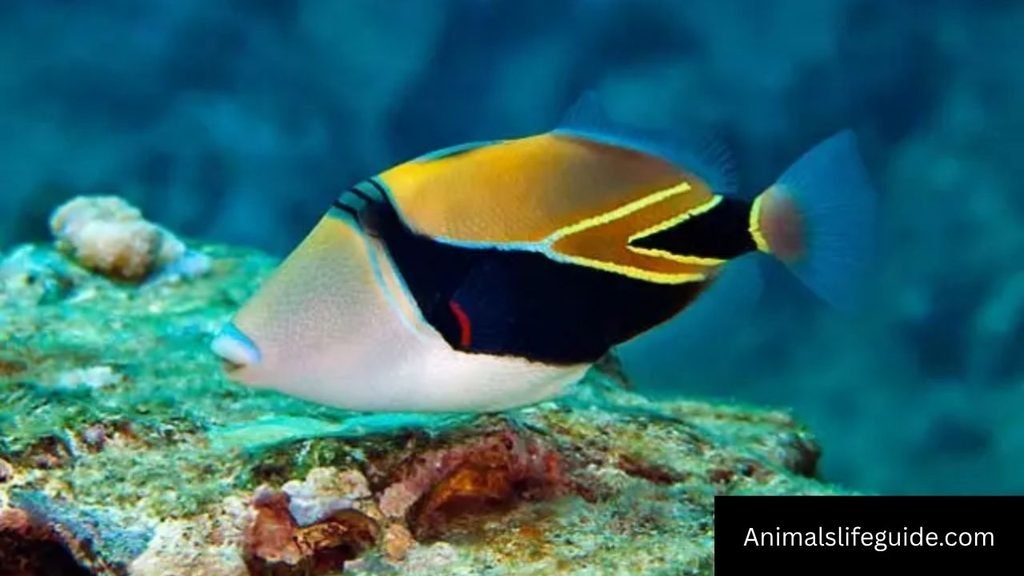
Interestingly, the humuhumunukunukuapua’a holds a significant place in Hawaiian culture. Designated as the state fish of Hawaii in 1985, it represents not just the beauty of the islands’ underwater ecosystem but also the rich heritage of the Hawaiian people. In a delightful twist, the fish’s name translates to “triggerfish with a snout like a pig,” a nod to its characteristic snout and feeding habits, as it often digs into the sandy ocean floor to unearth hidden morsels. This unique connection between culture and nature invites us to appreciate the intricate balance of life in our oceans and reminds us of the importance of conservation.
Red-bellied black snake
Scientific Name: Pseudechis porphyriacus
Class: Reptilia
Diet: Carnivore
The red-bellied black snake, native to eastern Australia, is renowned for its striking appearance and intriguing behavior. While its glossy black back serves as a warning of its venomous nature, the vibrant red or orange underbelly tells a different story — signaling potential threats to predators. Surprisingly, these snakes are not aggressive; they often prefer the art of deception, using camouflage and their elusive nature to avoid confrontations.
What’s particularly fascinating about the red-bellied black snake is its diet. Despite being a predator, its primary food source consists of frogs and small mammals. They have a unique way of hunting: the snakes rely on their excellent sense of smell, using their forked tongues to detect chemical signals in the air. Furthermore, these snakes are not just solitary creatures; they can often be spotted basking in groups, especially during the cooler months, revealing a social side that challenges the typical perception of reptiles as lone hunters. This blend of beauty, behavior, and adaptability makes the red-bellied black snake a compelling subject for enthusiasts and researchers alike.
Yellow-bellied sea snake
Scientific Name: Hydrophis platurus
Class: Reptilia
Diet: Carnivore
The yellow-bellied sea snake is not just another striking marine reptile; it’s an intriguing marvel of evolution. Found predominantly in the warm waters of the Pacific and Indian Oceans, this snake spends its entire life at sea, exhibiting remarkable adaptations for life in an aquatic environment. Notably, its flattened body allows for efficient swimming, while its distinctive yellow underside serves as a counter-shading mechanism, helping it evade predators that lurk beneath. This unique coloration is a perfect example of nature’s artistry, blending functionality with beauty.
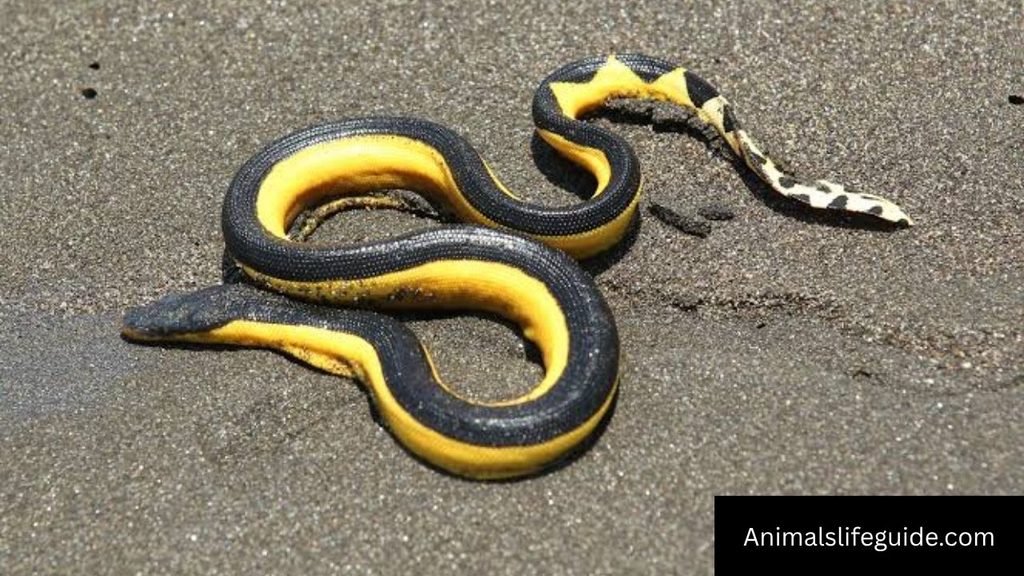
Interestingly, the yellow-bellied sea snake is not just a fierce predator but also a crucial player in the marine ecosystem. Feeding primarily on small fish and eels, it helps regulate fish populations, ensuring a balanced habitat. Despite its venomous bite, its threat to humans is minimal, as these snakes are generally non-aggressive and prefer to flee rather than fight. However, their venom is potent enough to immobilize prey swiftly, showcasing the snake’s evolutionary prowess. With their remarkable adaptability to oceanic life, yellow-bellied sea snakes epitomize the extraordinary diversity of marine wildlife, reminding us of the intricate interdependencies that thrive beneath the waves.
Green-and-black poison dart frog
Scientific Name: Dendrobates auratus
Class: Amphibia
Diet: Insectivore
The green-and-black poison dart frog, native to the tropical rainforests of Central and South America, is a stunning example of nature’s artistry. Its vibrant coloration is not just for show; these frogs have evolved bright hues to warn predators of their potent toxicity. When it comes to this natural defense mechanism, toxicity varies significantly based on their diet — specifically the presence of certain ants and other small insects. In captivity, where their diet can be controlled, these vibrant amphibians can lose their toxicity entirely, offering a fascinating glimpse into the connection between environment and evolution.
Beyond their striking appearance, these frogs play a crucial role in their ecosystem. As both predators and prey, they help maintain the balance of insect populations and provide sustenance for larger animals. Interestingly, their courtship rituals further demonstrate the complexity of their behavior; males engage in vibrant displays and calls to attract females, showcasing a level of social interaction that goes beyond mere survival. The green-and-black poison dart frog embodies a delicate interplay between beauty and danger, reminding us that nature often conceals profound truths beneath its vibrant surface.
Black-crowned Central American squirrel monkey
Scientific Name: Saimiri oerstedii
Class: Mammalia
Diet: Omnivore
The black-crowned Central American squirrel monkey is a fascinating species that operates within a vibrant social structure. Living in troops of up to 50 individuals, these monkeys have a complex hierarchy where communication plays a crucial role. They utilize an array of vocalizations, body language, and even facial expressions to convey status, intentions, or warnings, showcasing the richness of their social interactions. This adaptability highlights their intelligence and emphasizes the importance of social bonds in their daily lives.
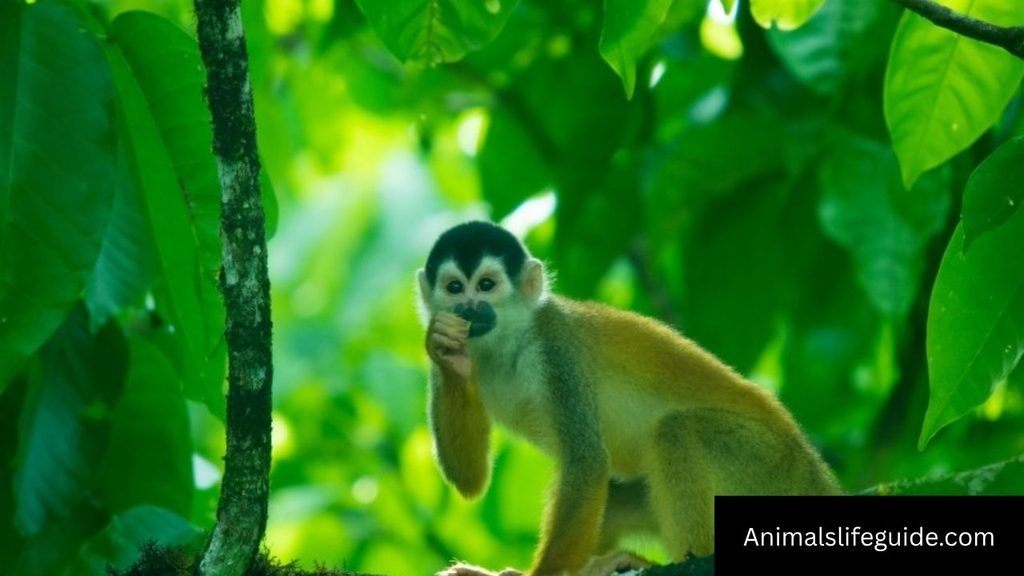
What truly sets the black-crowned squirrel monkey apart is its striking physical appearance, characterized by a crown of black fur contrasting with its bright yellow limbs and white facial markings. This colorful façade serves not only to attract mates but also aids in camouflage amidst the lush canopies of their tropical habitats. Interestingly, they are primarily frugivorous, but their diet also includes insects and smaller animals, demonstrating their flexibility as foragers. As deforestation encroaches upon their habitats, these monkeys are becoming symbols of conservation, urging us to protect their homes and the biodiversity that thrives within it. In understanding their plight, we gain greater appreciation for the delicate balance of ecosystems and our role in preserving them.
Pennsylvania wood cockroach
Scientific Name: Parcoblatta pennsylvanica
Class: Insecta
Diet: Detritivore/Omnivore
The Pennsylvania wood cockroach is a fascinating creature often overshadowed by its more notorious relatives. Unlike its urban cousins, this roach thrives in the wild, preferring damp, wooded environments where it can remain hidden among leaf litter and decaying wood. What sets it apart is its impressive ability to fly; males possess wings that allow them to take to the air, especially during mating season. This aerial agility is not merely for show — it plays a crucial role in dispersing the species and avoiding ground-based predators.
Interestingly, the Pennsylvania wood cockroach also exhibits a unique behavior that distinguishes it from many other cockroach species: it primarily feeds on decaying plant matter, aiding in nutrient recycling within its ecosystem. This diet contributes significantly to its environment, breaking down organic materials and enriching the soil. Moreover, unlike some cockroach species that invade homes, these wood cockroaches are more of a boon than a bane; their presence often indicates a healthy ecosystem. As we deepen our understanding of these resilient insects, we can appreciate their vital role in maintaining the delicate balance of their forest habitats.
Canadian swallowtail tiger butterfly
Scientific Name: Papilio canadensis
Class: Insecta
The Canadian swallowtail tiger butterfly is not just a striking visual marvel; its life cycle is a fascinating study of transformation. Emerging from a tiny egg, the caterpillar undergoes remarkable growth, adorned with vibrant green and black stripes that serve as both camouflage and a warning to predators. This caterpillar is known to feast on the high-protein leaves of various plants, particularly those in the carrot family, as it prepares for its metamorphosis — a process that underscores the beauty of change in nature.
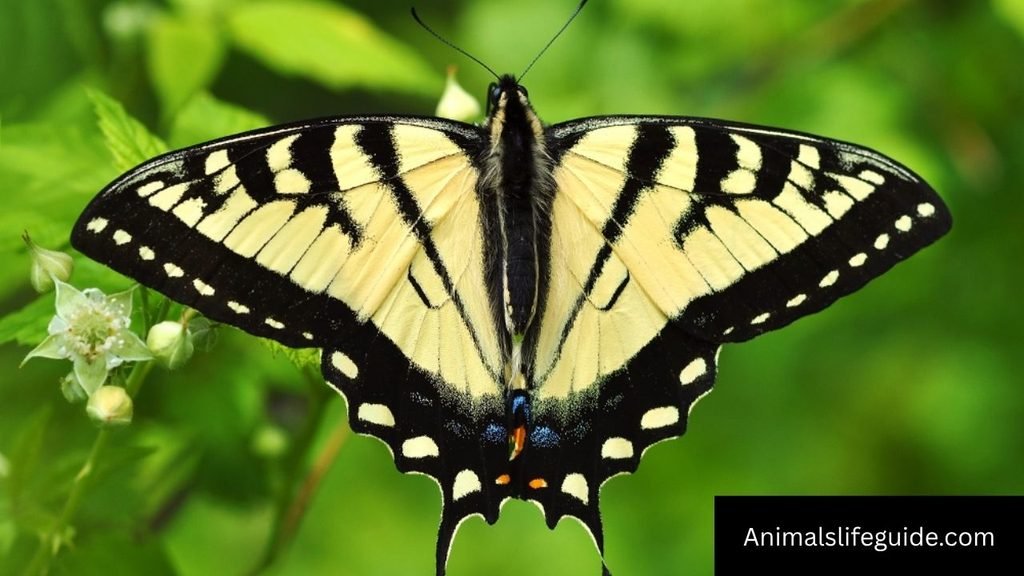
In addition to its captivating appearance, the Canadian swallowtail plays a vital ecological role. As a pollinator, it encourages the growth of many flowering plants, contributing to the health of its habitat. Interestingly, these butterflies also exhibit a unique behavior: they engage in a territorial dance, where male butterflies stake their claim to a space by fluttering gracefully around, showcasing their vibrant colors. This display not only entices potential mates but also reaffirms their presence in the ecosystem, highlighting the delicate balance of attraction and competition within the natural world.
Giant golden-crowned flying fox
Scientific Name: Acerodon jubatus
Class: Mammalia
Diet: Herbivore
The giant golden-crowned flying fox, a remarkable species of bat native to the Philippines, boasts an impressive wingspan that can stretch up to six feet. Beyond its sheer size, this bat is often a misunderstood creature, primarily because of its eerie appearance. However, it plays a critical role in its ecosystem as a pollinator and seed disperser, helping to maintain the intricate balance of rainforest habitats.
Interestingly, this nocturnal mammal has a diet primarily composed of ripe fruit, particularly figs, making it essential for the growth and regeneration of many tree species. Unfortunately, deforestation and hunting have led to its declining population, elevating the giant golden-crowned flying fox to the endangered status. Its plight serves as a poignant reminder of the fragile interconnectedness of wildlife and the urgent need for conservation efforts. By protecting these remarkable bats, we not only preserve a unique species but also safeguard the rich biodiversity of their habitat.
Eastern Diamondback Rattlesnake
Scientific Name: Crotalus adamanteus
Class: Reptilia
Diet: Carnivore
The Eastern Diamondback Rattlesnake, one of North America’s most iconic serpents, boasts impressive adaptations that make it a fascinating subject for both researchers and enthusiasts alike. Distinguished by its striking diamond-patterned scales, this snake not only excels in camouflage but also utilizes its vibrant patterns to communicate with potential rivals and mates. These markings serve a dual purpose; they attract mates while simultaneously warning off intruders, showcasing nature’s intricate balance of beauty and survival.
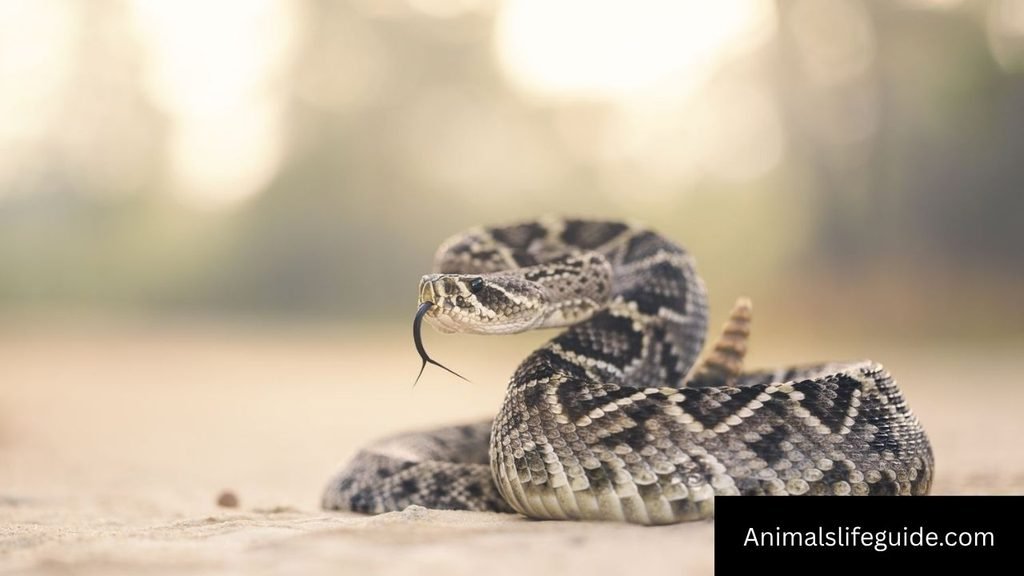
Contrary to popular belief, the Eastern Diamondback’s demeanor is often misunderstood. Instead of displaying aggression, this remarkable reptile tends to exhibit defensive behavior, preferring to retreat rather than confront threats. What’s more, they play a crucial role in their ecosystem, controlling the populations of rodents and other small mammals that can wreak havoc on local vegetation. With their slow-reproducing nature, these snakes remind us of the delicate chords that bind the web of life, emphasizing the need for conservation efforts to protect their habitats from urbanization and environmental change.
Southern three-banded armadillo
Scientific Name: Tolypeutes matacus
Class: Mammalia
Diet: Insectivore/Omnivore
The southern three-banded armadillo, an intrinsic part of its South American habitats, showcases a remarkable defensive mechanism: it can roll into a tight ball. This unique behavior not only provides protection from predators but also serves as a fascinating evolutionary adaptation, allowing it to thrive in environments where many others would falter. While most armadillos exhibit varied degrees of armor, the three-banded variety stands out with its three distinct bands that serve both mobility and defense.
Interestingly, these creatures aren’t just about their tough exteriors — they also have a surprisingly delicate side. Their diet primarily consists of insects and larvae, showcasing their role as natural pest controllers. Furthermore, their habit of digging for food helps aerate the soil, benefiting the broader ecosystem. The southern three-banded armadillo has become a symbol of resilience and adaptability, reminding us how even the smallest creatures can leave a significant impact on their environment. With such intriguing characteristics, it’s no wonder they have captivated the hearts and minds of wildlife enthusiasts and researchers alike.
Long-tailed widowbird
Scientific Name: Euplectes progne
Class: Aves
Diet: Omnivore
The long-tailed widowbird, a striking inhabitant of the African savanna, showcases the incredible role of natural selection in shaping its dramatic appearance. Males sport exceptional tail feathers that can reach lengths of over 16 inches, making them longer than their own bodies. These elongated tails are not just for show; they serve as a dazzling display during courtship, where males will perform elaborate aerial displays to attract females. This extravagant plumage is a testament to the energetic investment these birds make in their mating rituals, embodying the classic “handicap principle” of sexual selection.
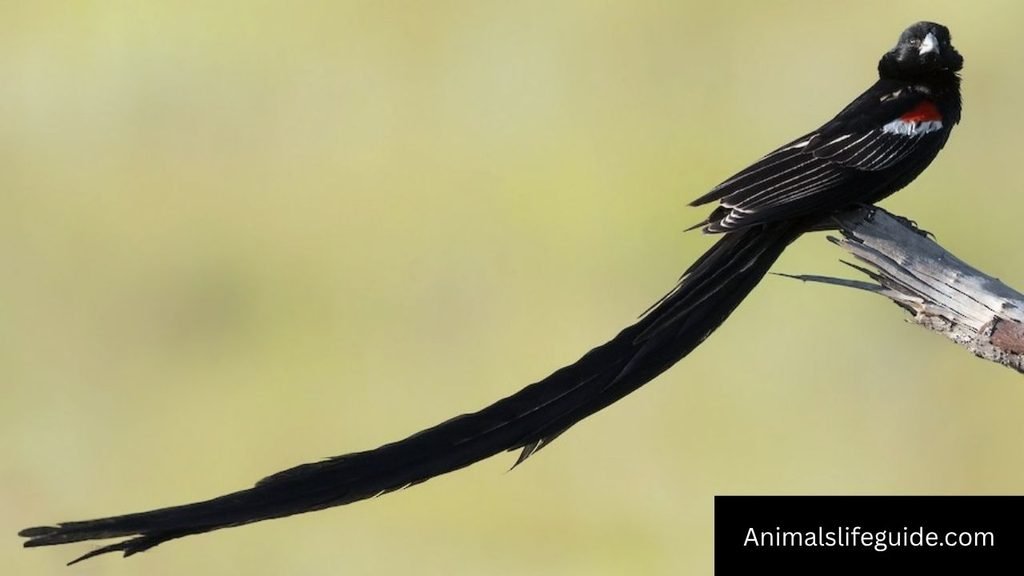
Interestingly, the widowbird’s tail length is seasonal, shedding and regrowing its feathers based on mating cycles and environmental conditions. This adaptability allows these birds to optimize their display at the right time, ensuring a balance between attracting mates and evading predators. Observations have noted that males with longer tails often gain better access to prime territories and mates, highlighting an intricate relationship between physical traits and survival. Beyond their visual allure, long-tailed widowbirds contribute significantly to the ecosystem, serving as indicators of habitat health and engaging in seed dispersal, which underscores their multifaceted role in the biodiversity of their environment.
Southern Titiwangsa bent-toed gecko
Scientific Name: Cyrtodactylus bintangrendah
Class: Reptilia
Diet: Insectivore
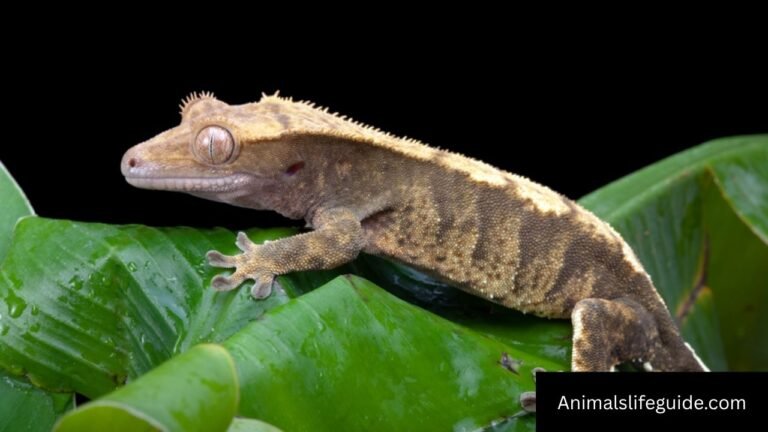
The Southern Titiwangsa bent-toed gecko, a fascinating creature native to Malaysia’s rainforests, showcases the incredible adaptations of reptiles in tropical habitats. These geckos possess unique, flattened toes that allow them to navigate the intricate tapestry of leaves and branches with remarkable agility. Their ability to camouflage against the lush foliage is not just a survival tactic; it also reveals the evolution of tactile sensitivity in their skin, enabling them to detect even the slightest vibrations in their environment.
One of the most captivating aspects of the Southern Titiwangsa bent-toed gecko is its vocalization. Unlike many other gecko species, which primarily communicate through body language, these geckos emit a series of soft, high-pitched calls, especially during mating rituals. This behavior emphasizes the importance of auditory signals in dense forest settings, where visibility is often limited. Furthermore, ongoing research into their breeding habits has unveiled that these geckos exhibit parental care, a rarity among reptiles, suggesting a more complex social structure than previously thought. Through these remarkable traits, the Southern Titiwangsa bent-toed gecko challenges our understanding of reptilian behavior and adaptation.
Ruby-throated hummingbird
Scientific Name: Archilochus colubris
Class: Aves
Diet: Omnivore
The ruby-throated hummingbird, known for its iridescent green plumage and striking ruby red throat, is a marvel of nature in more ways than one. Weighing less than a nickel, these tiny aviators are not just the smallest birds in North America, but they are also capable of amazing feats. They can flap their wings up to 80 times per second, allowing them to hover in mid-air and effortlessly maneuver through the air with remarkable agility. This incredible speed, coupled with a heart rate that can reach up to 1,200 beats per minute, enables them to dart from flower to flower, gathering nectar.
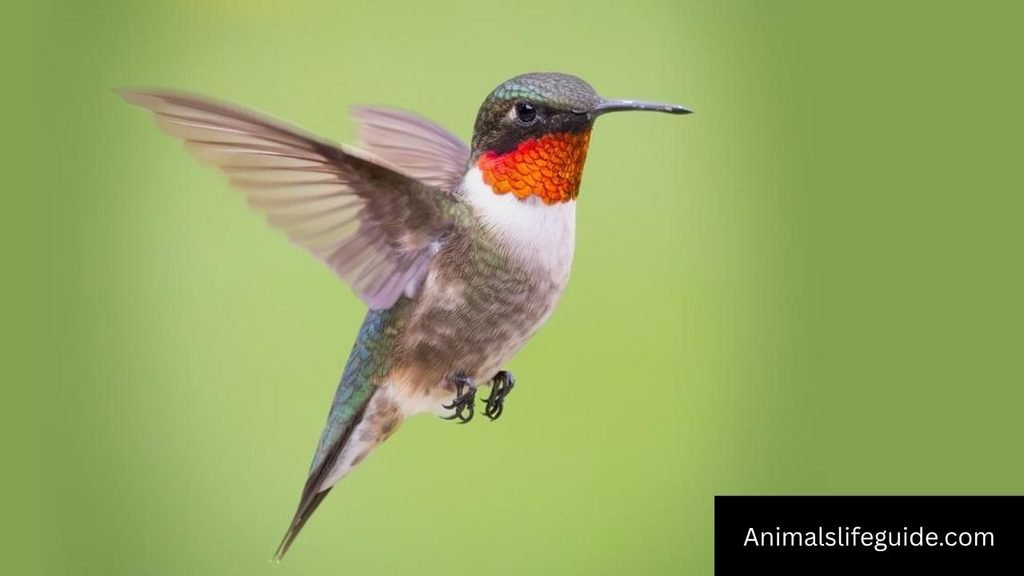
But the ruby-throated hummingbird isn’t solely defined by its size and speed; it plays a vital role in ecosystems as a pollinator. As these birds sip nectar, they inadvertently transfer pollen from flower to flower, helping plants reproduce and sustain biodiversity. Interestingly, they possess excellent memories, allowing them to keep track of which flowers they’ve visited and even remembering the timing of when they were last there. This cognitive skill enables them to optimize their foraging, ensuring they visit the freshest blooms — a testament to nature’s intricate design. The ruby-throated hummingbird is not just a fleeting glimpse of color in the garden; it’s a reminder of the delicate balance between species and the vital roles they play in our world.
Readmore: Explore Top 30 Animals With 6 Letters.
Final Thoughts
The world of animals with long names is rich and varied, showcasing the diversity of life on our planet. Each long name tells a story, representing distinct species with incredible adaptations. These animals remind us of the wonders of nature and the importance of conservation. As we continue to learn more about them, let’s celebrate their uniqueness and fight to protect their habitats.