Are Kangaroos Smart Animals?
In this exploration of the question, “Are kangaroos smart animals?” we’ll delve into the cognitive abilities of kangaroos and what they tell us about animal behavior. By the end of this article, you’ll have a clearer picture of their intelligence and a newfound respect for these unique animals.
Are Kangaroos Smart Animals?
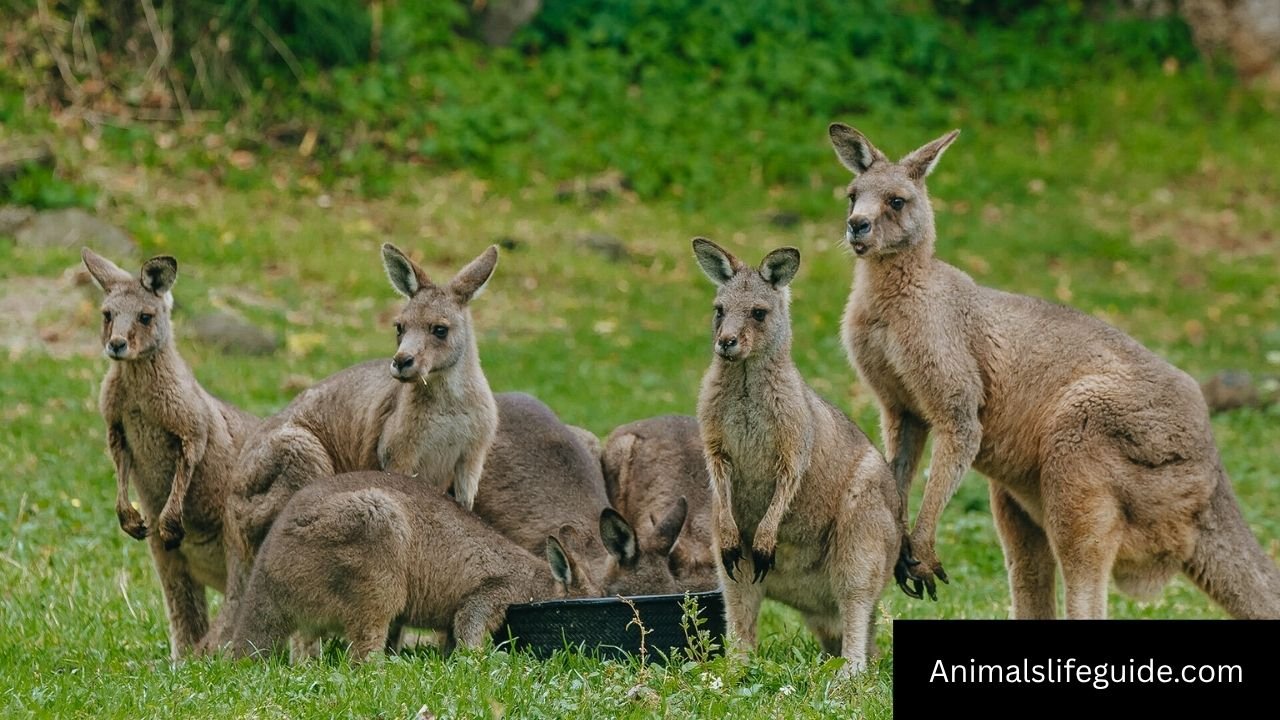
Kangaroos exhibit surprising levels of intelligence that often go unnoticed. These marsupials demonstrate complex social behaviors, communicating through body language and vocalizations. In groups, or mobs, they establish hierarchies and show affinity for close-knit relationships, indicating a social intelligence akin to that seen in primates. Observing how kangaroos solve puzzles or navigate obstacles reveals their problem-solving skills, showcasing a capability for learning and adaptation in their environments.
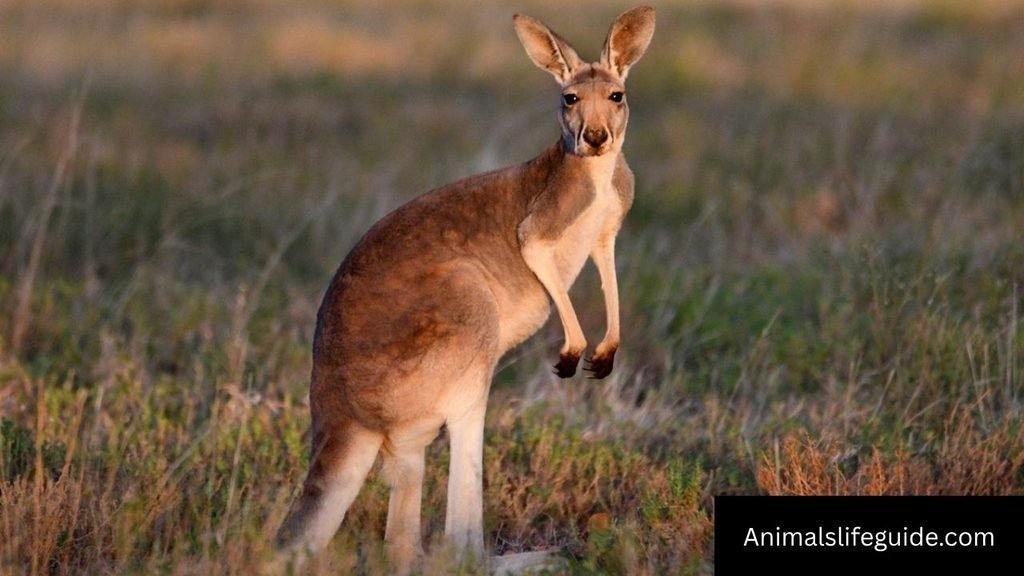
Moreover, their relationship with humans highlights another layer of their cognitive abilities. Kangaroos can learn to recognize individual humans, respond to commands, and even engage in playful interactions. This has sparked interest in studies focusing on their brain structure and how it may differ from other mammals typically associated with higher intelligence.
What Makes Kangaroos Smart Animals?
Kangaroos exhibit a remarkable level of intelligence that often goes unnoticed amidst their playful hops and iconic stature. One of their most striking cognitive abilities is problem-solving. In the wild, these marsupials demonstrate an understanding of their environment that allows them to effectively navigate complex terrains and find resources, such as food and water. Research has shown that kangaroos can learn from each other, displaying social intelligence that aids in survival. This ability to observe and adapt based on social interactions highlights their potential for learning and cultural transmission within groups.
Kangaroos possess a unique form of spatial awareness that rivals that of many mammals. Their strong memory enables them to remember locations of food sources and safe resting spots, crucial for their survival in the vast Australian landscape where resources can be sparse. Neural studies indicate that their brain structure supports advanced spatial navigation skills. This cognitive prowess, paired with their keen sense of social dynamics, positions kangaroos as not just animals of instinct but as complex beings capable of strategically managing their lives in the wild.
Outsmarting Predators With Cunning Strategies
Kangaroos have evolved remarkable strategies to outsmart their predators, showcasing both intelligence and adaptability. One of their most fascinating tactics is the use of unpredictable movements. Rather than fleeing in straight lines, kangaroos often zigzag or make sudden changes in direction, complicating the pursuit for predators like dingoes. This unpredictable pattern not only increases their chances of escape but also exhausts their pursuers, giving kangaroos the edge they need.
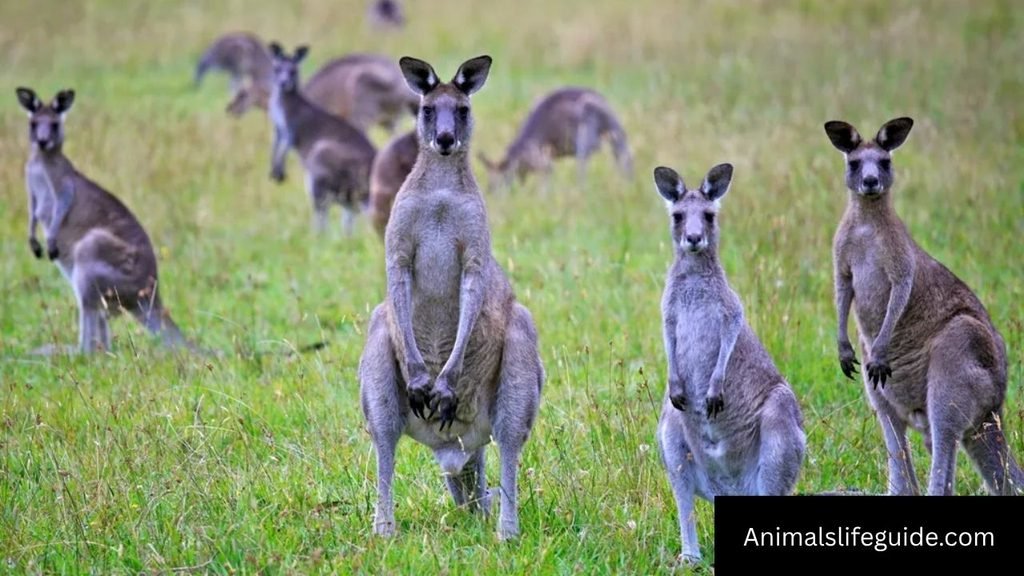
kangaroos rely on their strong social bonds to enhance their survival strategies. When alarmed, they communicate through subtle body language and vocalizations, signaling to the group about potential threats. This collective awareness allows them to stay alert and coordinate their escape, making it harder for predators to catch a lone individual. By working together, kangaroos create a strong defense, transforming their vulnerabilities into communal strengths, which highlights their impressive social intelligence in the wild.
Kangaroos Social Intelligence
Kangaroos exhibit a fascinating level of social intelligence that often goes unnoticed. Their interactions within a mob reveal sophisticated communication skills, characterized by a range of vocalizations, body language, and even facial expressions. These marsupials engage in what scientists call “ground-based social dynamics,” where they not only establish hierarchy but also display cooperative behavior, especially when foraging or caring for young. They have been observed using eye contact and subtle posturing to strengthen social bonds and navigate conflicts, underscoring their ability to read the emotions of their peers.
Moreover, recent studies suggest that kangaroos can recognize individual faces and remember past encounters, which plays a crucial role in their social structure. This means that a kangaroo’s ability to navigate relationships goes beyond mere survival; it involves a complex memory system that informs their decisions and interactions.
Kangaroos Can Actually Communicate With Humans
Kangaroos possess a surprising ability to communicate with humans, showcasing a unique blend of intuition and interaction. Researchers have found that these iconic marsupials use a series of facial expressions, vocalizations, and even body language to convey their feelings and intentions. For instance, they can often indicate their needs or desires, such as asking for food or showing discomfort, making them more attuned to human caretakers than many might expect.
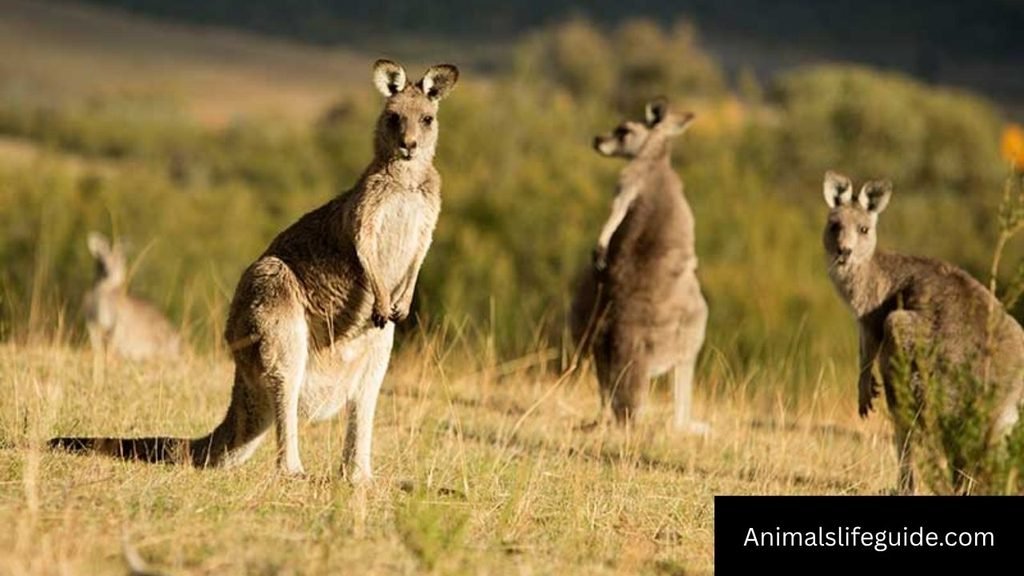
In a fascinating twist, kangaroos can even respond to human gestures and eye contact. When a person points to an object, these animals can follow the gesture, exhibiting a level of comprehension seen in some domesticated animals. This capability hints at a deeper, perhaps evolutionary, connection between humans and kangaroos, fostering an understanding that transcends typical animal behavior.
Interesting Facts About Kangaroos
Kangaroos, iconic symbols of Australia, possess some remarkable attributes that go beyond their hopping reputation. For instance, they have a unique ability to hop at speeds of up to 30 miles per hour while covering over 25 feet in a single bound. This impressive locomotion is not just a party trick; it allows them to conserve energy over long distances, making them well-suited for the expansive Australian bush. Their powerful hind legs are complemented by a muscular tail, which acts as a balancing tool, enabling agile movement across rugged terrain.
Interestingly, kangaroos are social creatures that thrive in groups, known as mobs, which can include up to 100 individuals. These mobs exhibit complex social structures, often consisting of dominant males, females, and young joeys. This social behavior isn’t merely for companionship; it helps enhance protection against predators, allowing them to detect danger more effectively. Furthermore, female kangaroos have the fascinating ability to pause their pregnancies during droughts, ensuring that their young are only born when conditions are favorable for survival. This remarkable reproductive strategy highlights the kangaroo’s adaptation to Australia’s often harsh and variable environment, showcasing their resilience and ingenuity.
Are Kangaroos Smarter Than Dogs?
When considering intelligence across species, kangaroos and dogs present fascinating contrasts. Dogs, known for their remarkable social intelligence, boast the ability to understand human commands and emotions, often forming deep bonds with their owners. Their capacity to learn and adapt is evident in their roles as service animals and companions, showcasing an impressive problem-solving ability in varied environments.
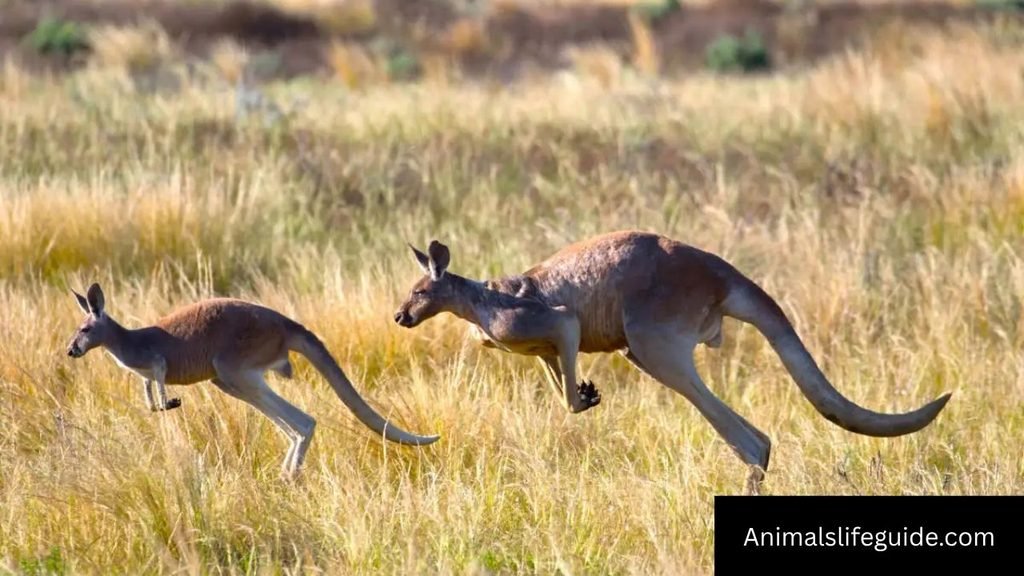
On the other hand, kangaroos exhibit a different form of intelligence rooted in their survival instincts. Their ability to navigate vast Australian landscapes and recognize predators demonstrates acute spatial awareness and environmental understanding. Moreover, recent studies suggest that kangaroos can engage in social learning, mimicking the actions of their peers to find food — a trait previously thought to be more characteristic of primates and dolphins.
While dogs excel in human interaction and emotional intelligence, kangaroos offer insights into adaptability and survival skills in the wild, showcasing the intricate tapestry of animal intelligence across species.
Readmore: Explore How Strong Are Kangaroos?
Conclusion
The evidence suggests that kangaroos are indeed smart animals, exhibiting behaviors that indicate complex thought processes and social interactions. Their ability to navigate their surroundings and communicate effectively with one another highlights a level of adaptability that is admirable in the animal kingdom.
As research into their cognitive skills expands, we are likely to uncover even more fascinating insights into their intelligence. Join in the effort to learn more about these intriguing creatures and support conservation initiatives that protect their natural habitats.