Top 15 Animals With Good Memory (With Pictures)
Did you know that elephants can recognize friends they haven’t seen in decades? This remarkable ability is just one example of the impressive memory capacity found in the animal kingdom. In this article, we’ll delve into various species that exhibit extraordinary memories, exploring how these capabilities affect their survival and social interactions.
By the end, you’ll gain insight into the fascinating world of animals with good memory and understand why these traits are more critical than we often realize.
List of Animals With Good Memory
Below is the animals that have best memory:
- Dolphins
- Ants
- Dogs
- Elephants
- Parrots
- Crows
- Chimpanzees
- Squirrels
- Bees
- Orca
- Horses
- Sea Lions
- Pigeon
- Octopuses
- Red-Footed Tortoises
Dolphins
Scientific Name: Delphinidae
Class: Mammalia
Diet: Carnivorous
Dolphins are not just remarkable for their intelligence but also for their impressive memory capabilities. Research has shown that these marine mammals can remember specific vocalizations associated with different individuals, even after years of separation. This ability to recognize and recall the identities and social connections within their pods reveals a complex social structure that thrives on long-term relationships, much like humans.
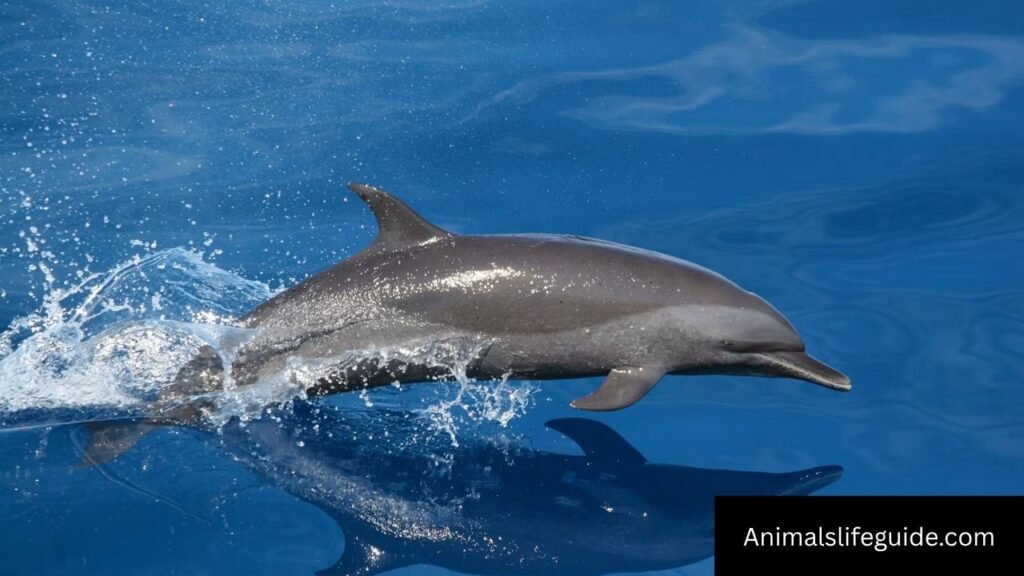
Beyond their social interactions, dolphins exhibit remarkable problem-solving skills, often relying on memory to navigate intricate environments and challenges. For instance, when foraging for food, dolphins can remember the locations of schools of fish or the strategies that led to successful catches in the past. This reliance on recall not only enhances their efficiency in hunting but also showcases their adaptability to changing circumstances in the ocean — a valuable survival trait in an unpredictable habitat. Their memory serves as a tool for fostering social bonds and navigating their world, reflecting a depth of cognitive sophistication that often goes underestimated.
Ants
Scientific Name: Formicidae
Class: Insecta
Diet: Omnivorous
Ants exhibit a remarkable form of memory that often goes unnoticed, especially considering their tiny brains. Research has shown that certain species can remember the locations of food sources and navigate complex environments, utilizing both scent trails and environmental cues. This memory isn’t just about individual survival; it plays a crucial role in the collective functioning of ant colonies. Essentially, an ant’s memory enhances the efficiency of foraging, allowing groups to work harmoniously toward shared goals.
Interestingly, ants can also demonstrate a form of social memory, recalling not only their own experiences but also those of their fellow colony members. For instance, when a scout ant discovers a rich food source, it communicates this information through pheromones, essentially “sharing” its memory with the rest of the colony. This dynamic creates a collective intelligence, enabling the colony to adapt and thrive in changing environments. Such sophisticated memory use challenges our traditional understanding of intelligence in the animal kingdom, prompting a reevaluation of how we define memory and learning in non-human creatures.
Dogs
Scientific Name: Canis lupus familiaris
Class: Mammalia
Diet: Omnivorous
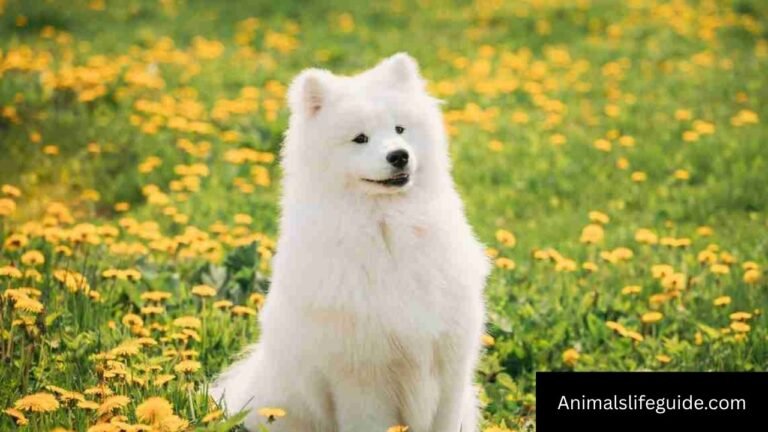
Dogs possess an astonishing memory that goes beyond simple training commands and relies heavily on their social intelligence. Studies show that dogs can remember specific locations, recognize familiar faces, and even retain the scent of their owners after extended absences. This capability is rooted in their evolutionary bond with humans, which has honed their ability to navigate social cues and environmental changes.
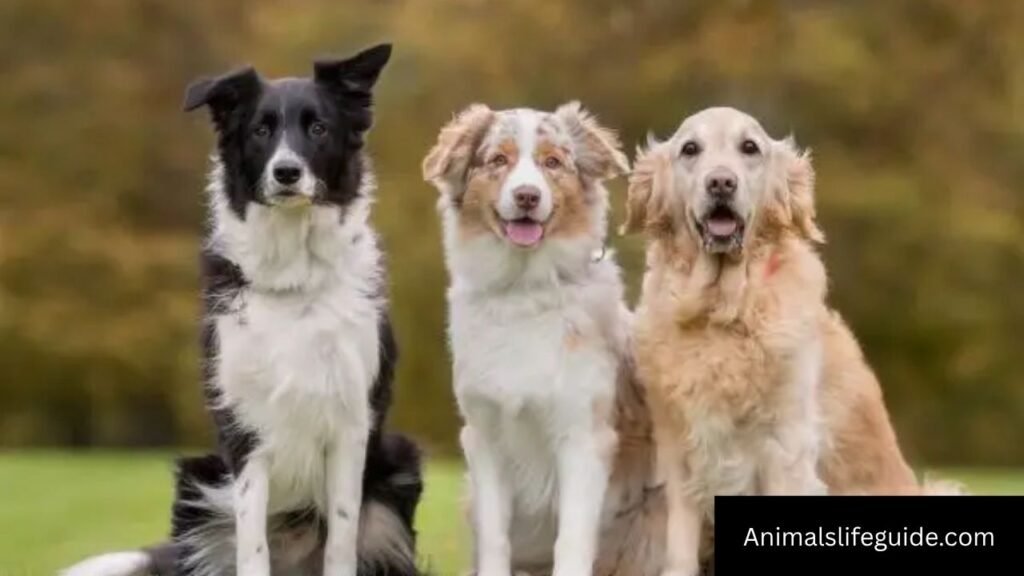
What’s particularly fascinating is how dogs use their memory to form emotional connections. They often remember positive experiences, like outings or moments of affection, leading them to react differently when they encounter reminders of those events. This emotional memory not only enhances their ability to bond with humans but also influences their behavior, sometimes leading to anticipatory excitement when they recognize cues related to playtime or mealtime. The depth of their memory, combined with their uncanny intuition, makes dogs not just companions, but also an integral part of our emotional landscape.
Readmore: Explore Top 16 Animals With Tentacles.
Elephants
Scientific Name: Elephantidae
Class: Mammalia
Diet: Herbivorous
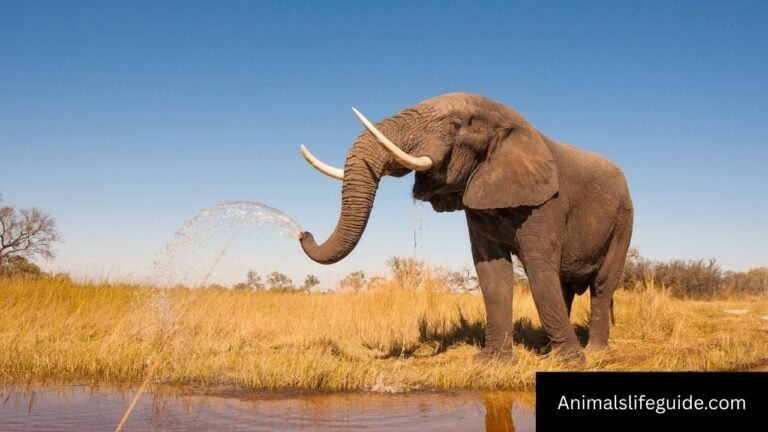
Elephants possess extraordinary memory that goes beyond mere survival; it is a sophisticated tool for social bonding and navigation. Research shows that African elephants can recall the locations of water sources and migratory routes, often leading their herds to these vital resources years after they were last visited. This impressive memory is not just individually beneficial but crucial for the entire herd, as knowledge is passed down through generations, underpinning a communal legacy that ensures survival in harsh environments.
What truly sets elephants apart is their ability to remember individual humans and other animals. They can recognize faces and associate them with emotional experiences, a trait that affects how they interact with different species. This powerful memory also illustrates their capacity for empathy; elephants can recall friends and foes, adjusting their behavior accordingly. Such nuanced social intelligence makes them not just solitary remembers but profound participants in a shared ecosystem, prompting us to rethink our understanding of animal cognition and emotional depth.
Parrots
Scientific Name: Psittaciformes
Class: Aves
Diet: Mostly herbivorous/omnivorous
Parrots are not just colorful entertainers; they are also remarkable memory champions in the animal kingdom. Their ability to mimic human speech and sounds is often attributed to a sharp auditory memory, allowing them to remember not only the words but also the context in which they heard them. This auditory recall enhances their social interactions, enabling them to engage and communicate effectively within flocks or with their human companions. Such cognitive skills indicate a sophisticated understanding of their environment, showcasing a level of intelligence that rivals some higher primates.
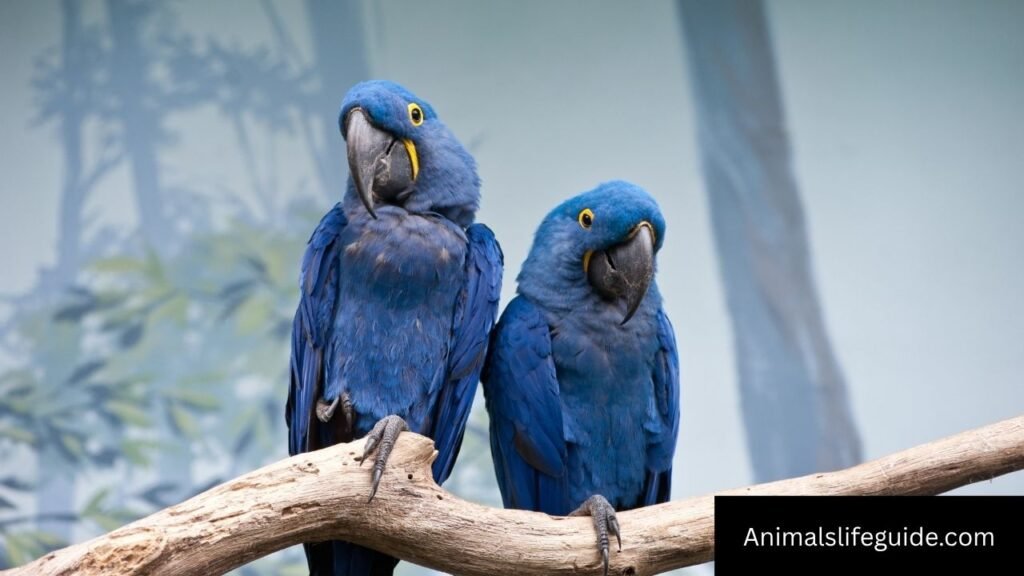
Moreover, parrots demonstrate exceptional long-term memory, capable of recalling individual experiences and associating them with specific outcomes. For instance, a parrot may remember where it found food or which behaviors earned it a treat, adapting its actions based on past successes or failures. This adaptability is not just survival-driven; it highlights their capacity for learning and problem-solving, suggesting that their rich social lives significantly contribute to their cognitive abilities. Their playful and interactive nature invites humans to form deeper connections, proving that a parrot’s memory is not merely a tool for survival but a gateway to building relationships and enriching lives.
Crows
Scientific Name: Corvus
Class: Aves
Diet: Omnivorous
Crows, often underestimated, possess an extraordinary memory that rivals that of some primates. These avian intellects are not just adept at solving complex puzzles; they remember individual human faces, often associating them with past experiences — both positive and negative. When a crow encounters a human who has provided food, it can recall that kindness, while the same is true for individuals it perceives as threats. This relational memory forms an intricate social network, allowing crows to communicate warnings about particular people or events with others in their flock.
Moreover, their memory extends beyond mere recognition. Crows can recall the locations of food caches over many months, showcasing an impressive spatial awareness. Their ability to plan for the future — storing food in anticipation of lean times — demonstrates a remarkable cognitive skill. Studies have shown that crows can even adapt their strategies based on seasonal changes, adjusting their caching methods to suit varying conditions. This adaptability not only underscores their intelligence but also highlights the intricate ties between their memory and survival in a dynamic environment.
Chimpanzees
Scientific Name: Pan troglodytes
Class: Mammalia
Diet: Omnivorous
Chimpanzees, our closest living relatives, showcase impressive memory capabilities that rival those of humans. Their ability to remember complex social relationships is crucial for maintaining the intricate dynamics of their communities. Research has shown that chimpanzees can recognize and recall faces, even after years apart, which aids them in navigating their social structures and fostering alliances.
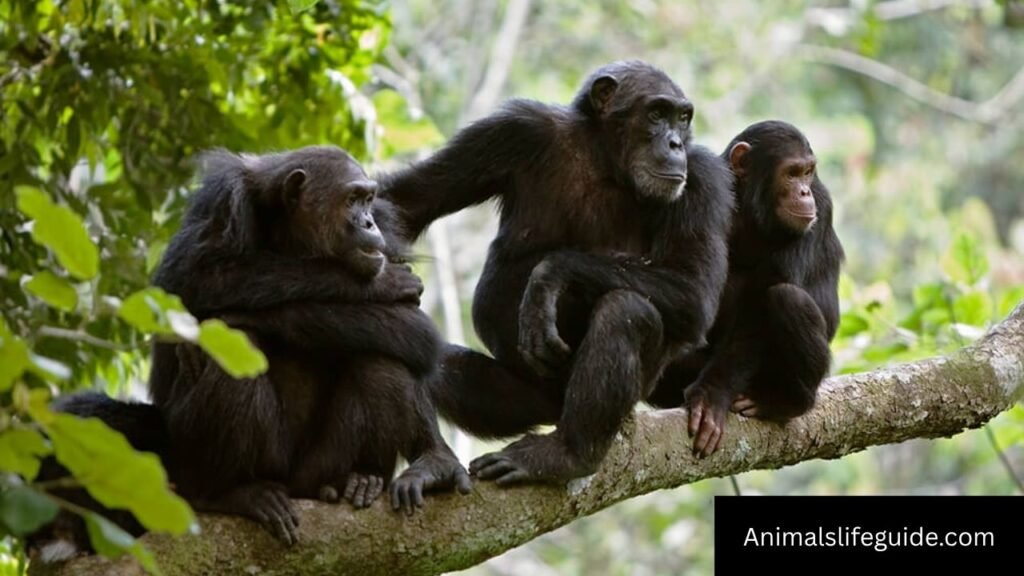
Beyond social connections, chimpanzees excel in tasks requiring spatial memory. Experiments have revealed their proficiency in remembering the locations of hidden food, enabling them to plan for future needs. This cognitive flexibility indicates not just memory retention, but also a remarkable ability to strategize, showcasing an adaptive intelligence that has evolved over millions of years. Their mental agility makes them fascinating subjects for studying the roots of memory and cognition, inviting us to rethink not only what distinguishes humans but also what connects us to the animal kingdom.
Squirrels
Scientific Name: Sciuridae
Class: Mammalia
Diet: Omnivorous
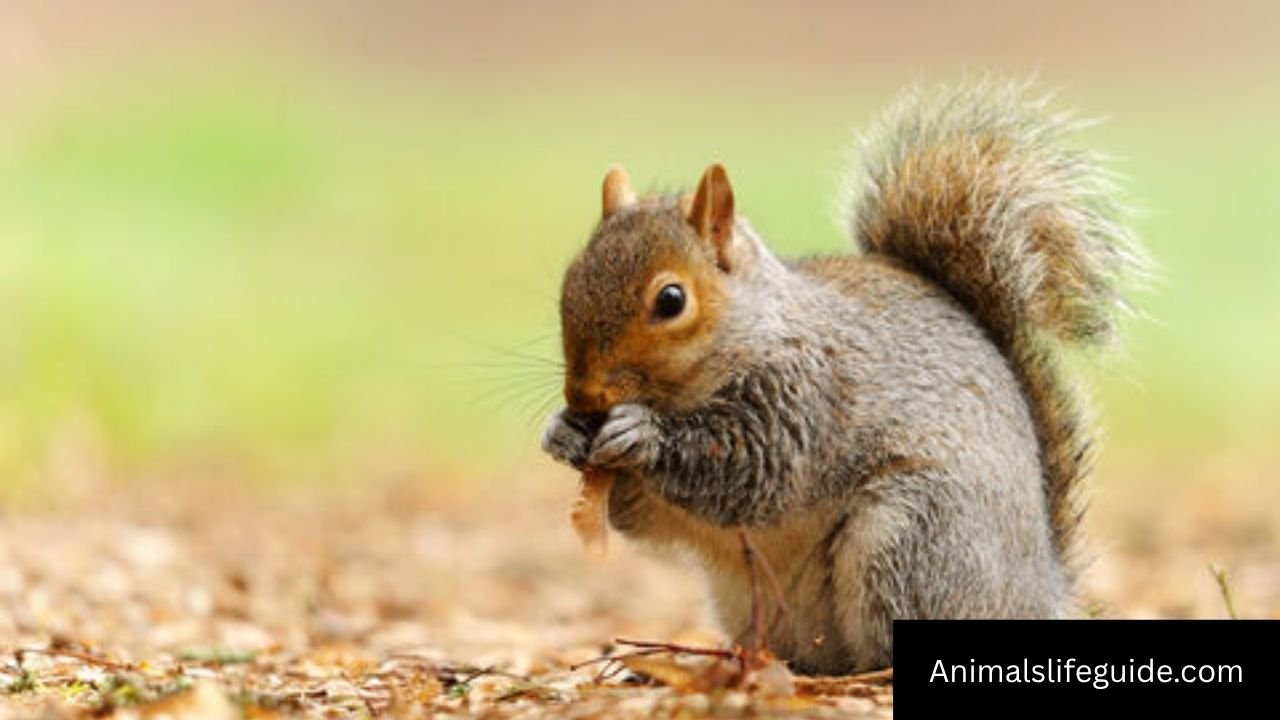
Squirrels might seem like small, unassuming creatures, but their remarkable memory plays a crucial role in their survival and success. These clever animals are natural hoarders, famously burying thousands of nuts and seeds to prepare for winter. What sets them apart is not just their ability to stash food but their impressive recollection of these hidden treasures. Research shows that squirrels utilize spatial memory — they mentally map the locations of their caches using landmarks, scents, and even the position of the sun, demonstrating a keen awareness of their environment.
Moreover, studies reveal that squirrels can recall the specific details of their hiding spots for several months, showcasing cognitive skills rivaling those of larger mammals. This memory proficiency is particularly vital as it allows them not only to retrieve food but also to outsmart potential rivals, such as other squirrels and birds. In a delightful twist of nature, these furry foragers also engage in “deceptive caching,” where they pretend to bury food in false locations to mislead others. This intricate blend of memory and strategy reveals a complex social dynamic among these seemingly simple creatures, illustrating that their intelligence is as vibrant as their bushy tails.
Bees
Scientific Name: Anthophila
Class: Insecta
Diet: Primarily nectar and pollen
Bees showcase an astonishing capacity for memory, which is vital for their survival and the intricate role they play in ecosystems. Research has demonstrated that honeybees can remember the colors, shapes, and even scents of flowers, allowing them to efficiently gather nectar and pollen. This incredible cognitive ability goes beyond mere survival; it enhances the pollination processes that are essential for global food production.
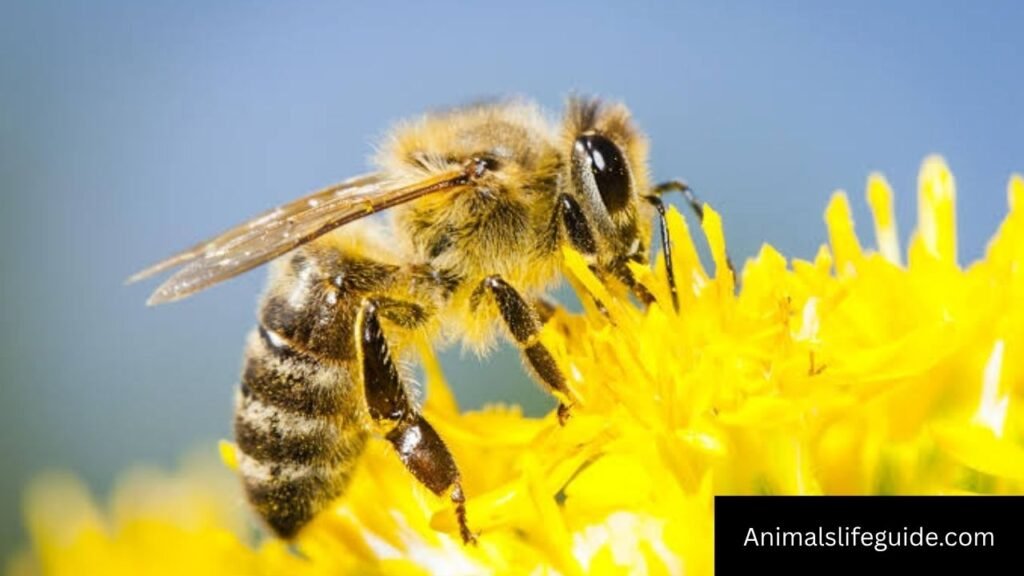
Moreover, bees can recognize human faces — a skill that was once thought to be limited to higher mammals. This unique trait suggests a more complex level of social interaction within their colonies and implies that these tiny creatures possess a sophisticated mental framework for navigation and memory retention. By associating certain stimuli with rewards, bees not only navigate their environment adeptly but also communicate vital information to fellow hive members. Their memory serves as the backbone of their social structures, enabling coordinated actions that seamlessly support their communities.
Orca
Scientific Name: Orcinus orca
Class: Mammalia
Diet: Carnivorous
Orcas, often called killer whales, boast remarkable cognitive abilities that rival those of some of the most intelligent animals on the planet. Their memory isn’t just a collection of facts; it’s a vast network of experiences and relationships. These apex predators have been observed to maintain strong familial bonds and social structures that can last a lifetime, relying on their impressive memory to navigate intricate social dynamics within pods. This aspect of orca behavior is particularly fascinating, as it suggests not only emotional depth but a sophisticated understanding of their environment and companions.
Researchers have noted that orcas can recognize the calls of their relatives even after years apart, showcasing long-term memory that aids in navigation and social connections. Their ability to recall specific vocalizations underscores a unique form of communication that serves to reinforce bonds within pods and coordinate hunting strategies. This capability highlights a greater narrative about the essential role memory plays in fostering the rich social lives of these marine mammals. In a world increasingly driven by technology, studying the memory of orcas invites us to reflect on the importance of connection, both in the animal kingdom and within our own human experiences.
Horses
Scientific Name: Equus caballus
Class: Mammalia
Diet: Herbivorous
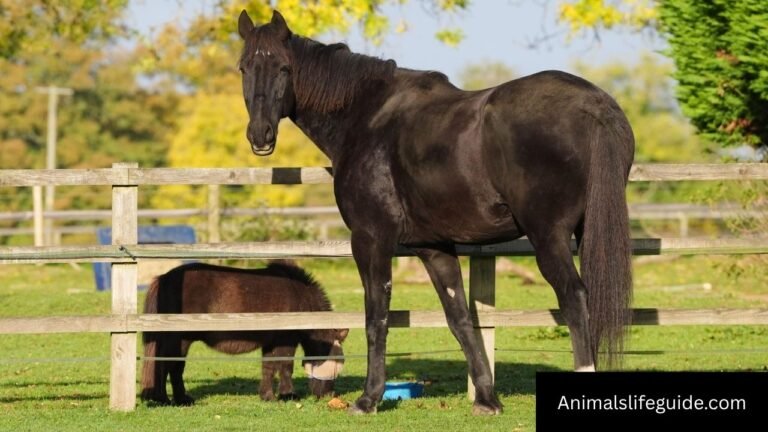
Horses are often celebrated not just for their physical prowess but also for their impressive cognitive abilities, particularly their memory. These majestic animals can retain information about their environment, recognizing familiar people, places, and even specific cues over long periods. Studies have shown that horses can remember a learned task for years, indicating a formidable intelligence that often goes unacknowledged in their day-to-day interactions with humans.
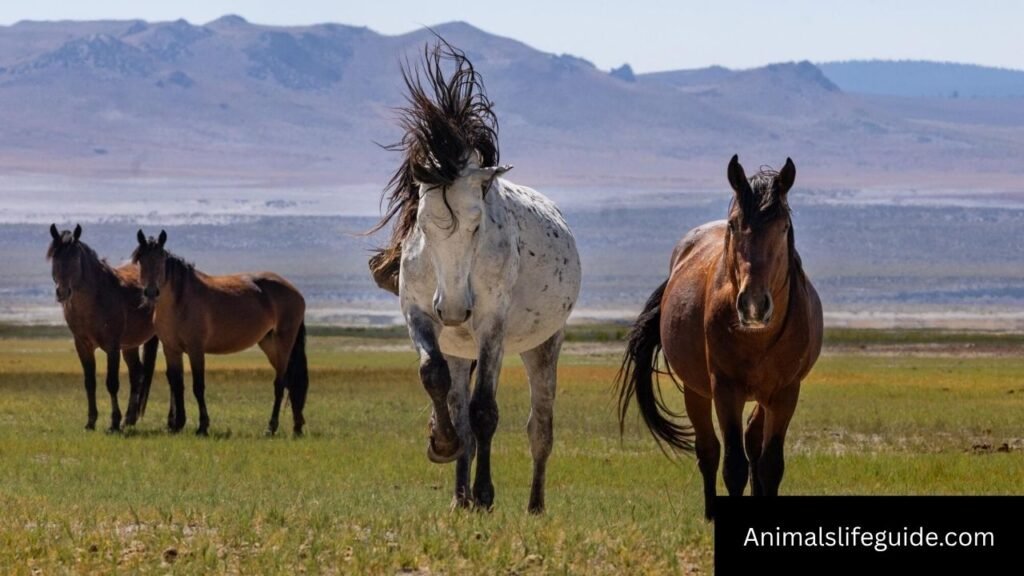
What’s intriguing is how horses use their memories to navigate complex social structures within their herds. They can identify individual horses and even remember their past interactions, forming bonds that influence their behavior and hierarchy. This social memory is crucial for establishing trust and hierarchy, as horses discern who to rely on in both cooperative and competitive scenarios. Through understanding their memory capabilities, we can enhance our training techniques, creating more meaningful connections that resonate beyond mere command and obedience.
Sea Lions
Class: Mammalia
Diet: Carnivorous
Sea lions, often celebrated for their playful antics, possess remarkable cognitive abilities, particularly in terms of memory. Studies have revealed that these marine mammals can recall specific sounds and visual cues, even after months of absence. This long-term memory not only aids them in navigating their aquatic environments but also enhances their social interactions within complex group structures.
What sets sea lions apart is their ability to learn through observation, a trait linked to their impressive memory. For instance, when a sea lion watches another successfully execute a task, it can quickly replicate the behavior, showcasing both learning and retention. This adaptability is crucial in their ever-changing ocean habitat, helping them identify food sources or avoid potential dangers. Furthermore, their ability to remember individual companions fosters social bonds that contribute to their survival and reproductive success.
Pigeon
Scientific Name: Columba livia
Class: Aves
Diet: Mainly seeds and grains
Pigeons are often underestimated in their cognitive abilities, but their memory is nothing short of remarkable. Research has shown that these birds can remember hundreds of different images, recognizing them up to two years later. This unparalleled recall allows them to navigate impressive distances, considering they can store maps of their surroundings in their minds akin to a natural GPS. Their keen sense of direction, combined with this memory, demonstrates not just survival instinct but advanced spatial awareness, making them adept at returning home from unfamiliar locations.
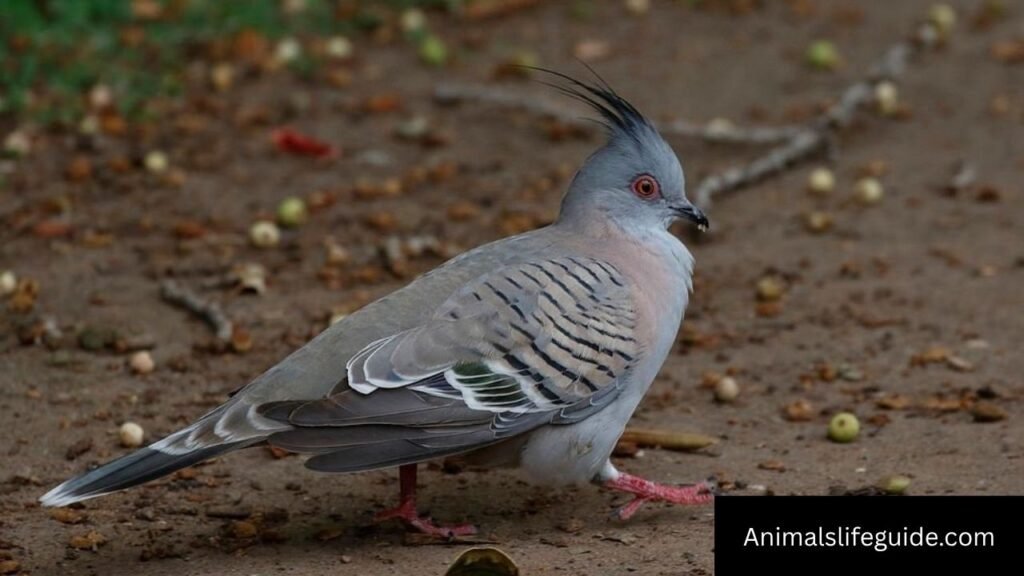
Moreover, pigeons have been observed to recognize individual human faces, a skill that highlights their social intelligence. This capability allows them to differentiate between friendly and threatening individuals, showcasing their ability to adapt to urban environments filled with potential dangers. Their unique memory techniques, bolstered by their ability to connect cues with experiences, suggest that pigeons have a rich inner life, challenging the common perception of birds as simple creatures. As we continue to study these fascinating birds, we uncover layers of complexity in their behavior, proving that even in nature’s more modest creatures, intelligence can thrive.
Octopuses
Class: Cephalopoda
Diet: Carnivorous
Octopuses are often celebrated for their enigmatic behaviors, but their memory capabilities are equally fascinating. Research reveals that these cephalopods can retain information long after an encounter, showcasing an impressive capacity for both short-term and long-term memory. In laboratory settings, octopuses have demonstrated the ability to recognize individual humans and remember specific tasks, often exhibiting problem-solving skills that rival those of mammals. Their unique neural structures, with approximately 70% of their neurons located in their arms, allow for a decentralized form of learning that enhances their adaptiveness in complex environments.
One of the most captivating aspects of octopus memory is their potential for associative learning. For instance, they can connect specific colors or patterns with food rewards, indicating a level of cognitive sophistication that goes beyond instinctual behaviors. This skill is particularly beneficial in the wild, where recognizing predators or navigating challenging terrains allows these creatures to thrive. Moreover, studies suggest that octopuses may even engage in play, an activity often associated with intelligence, further hinting at the depth of their cognitive abilities. As ocean explorers, octopuses remind us that intelligence is not solely measured by traditional definitions but can manifest in unexpected and extraordinary ways.
Red-Footed Tortoises
Scientific Name: Chelonoidis carbonarius
Class: Reptilia
Diet: Omnivorous
Red-footed tortoises, often overshadowed by their larger cousins, showcase remarkable cognitive abilities that challenge common perceptions of tortoises as simple, slow-moving creatures. These fascinating reptiles possess long-term memory skills that allow them to navigate their environment with impressive precision. Research has shown that red-footed tortoises can remember the locations of food sources and shelter for extended periods, indicating that their cognitive capabilities are far beyond mere instinctual behavior.
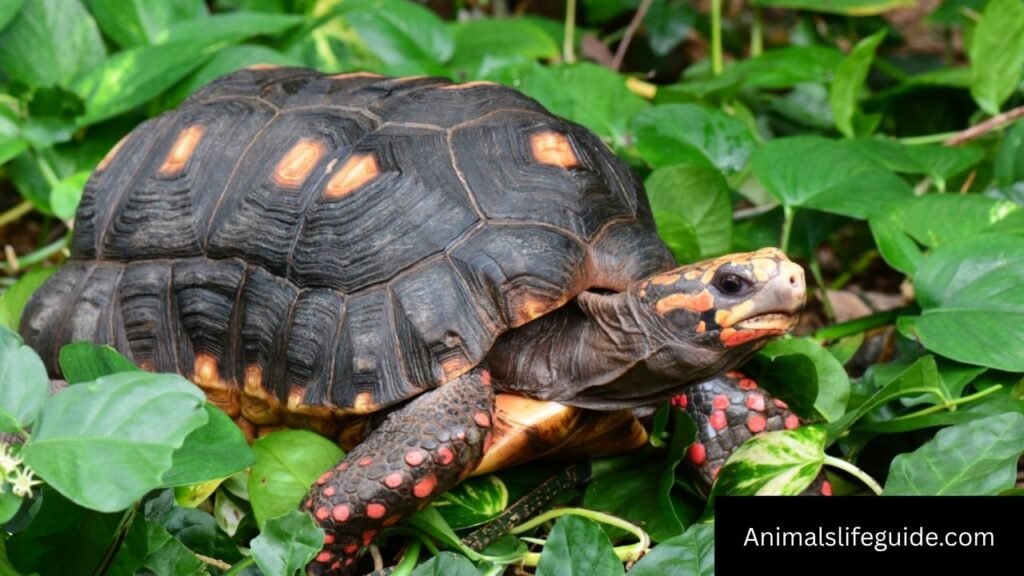
Interestingly, the learning process in red-footed tortoises is enhanced by their social interactions. While solitary by nature, they can retain information better when they observe other tortoises, demonstrating a form of social learning akin to what’s seen in more traditionally intelligent animals. This capacity to learn from peers not only enriches their experience but also suggests a more complex behavioral repertoire, reinforcing the idea that memory isn’t just a survival tool but a key aspect of their social dynamics. As these tortoises roam their habitat, their impressive memory aids in ensuring that they make the best choices for foraging and navigating the intricate ecosystems they inhabit.
Readmore: Explore Top 16 Animals With Wings.
Final Thoughts
The remarkable memory capabilities of animals, such as elephants, dolphins, and certain bird species, underscore the complexity and intelligence of the animal kingdom. These creatures not only rely on their memories for survival, such as locating food or navigating vast landscapes, but they also exhibit social bonds that are strengthened through recollection. The intricate ways in which they navigate their environments and remember relationships showcase the importance of memory across species.
By studying these animals, we not only gain insight into their lives but also learn valuable lessons about our own cognitive abilities. Let us continue to explore the fascinating world of animal memory and appreciate the unique adaptations that enrich their existence.