Top 39 African Animals With Horns (With Pictures)
From the majestic kudu to the fearsome impala, African animals with horns play essential roles in their ecosystems and cultures. Understanding these remarkable creatures not only enriches our appreciation of wildlife but also highlights the importance of conservation efforts.
In this article, we’ll explore the fascinating world of African horned animals, their unique adaptations, and the challenges they face today.
List of African Animals With Horns
Below is the list of African animals that have horns:
- Sable Antelope
- African Elephant
- Steenbok
- Greater Kudu
- Black Wildebeest
- Common Waterbuck
- Bongo
- Gemsbok
- African Buffalo
- Klipspringer
- Giant Eland
- Impala
- Scimitar-horned Oryx
- Nyala
- White Rhinoceros
- Blue Duiker
- Topi
- Roan Antelope
- Black Rhinoceros
- Springbok
- Lichtenstein’s Hartebeest
- Bushbuck
- East African Oryx
- Common Duiker
- Wildebeest
- Defassa Waterbuck
- Addax
- Southern Reedbuck
- Hartebeest
- Lesser Kudu
- Bontebok
- Oribi
- Beisa Oryx
- Mountain Reedbuck
- Kob
- Grysbok
- Tsessebe
- Eland
- Cape Grysbok
Sable Antelope
Scientific Name: Hippotragus niger
Class: Mammalia
Diet: Herbivore
The Sable Antelope stands out not just for its striking appearance, characterized by long, curved horns and a glossy black coat, but also for its remarkable adaptability to various habitats. These antelopes predominantly inhabit savannas, woodlands, and grasslands in Eastern and Southern Africa, where their agility and keen eyesight allow them to thrive amid predators. Remarkably, females can give birth as frequently as every year, but the societal structure is what makes them truly fascinating; they live in herds led by a dominant male, showcasing a unique blend of matriarchal and hierarchical dynamics.
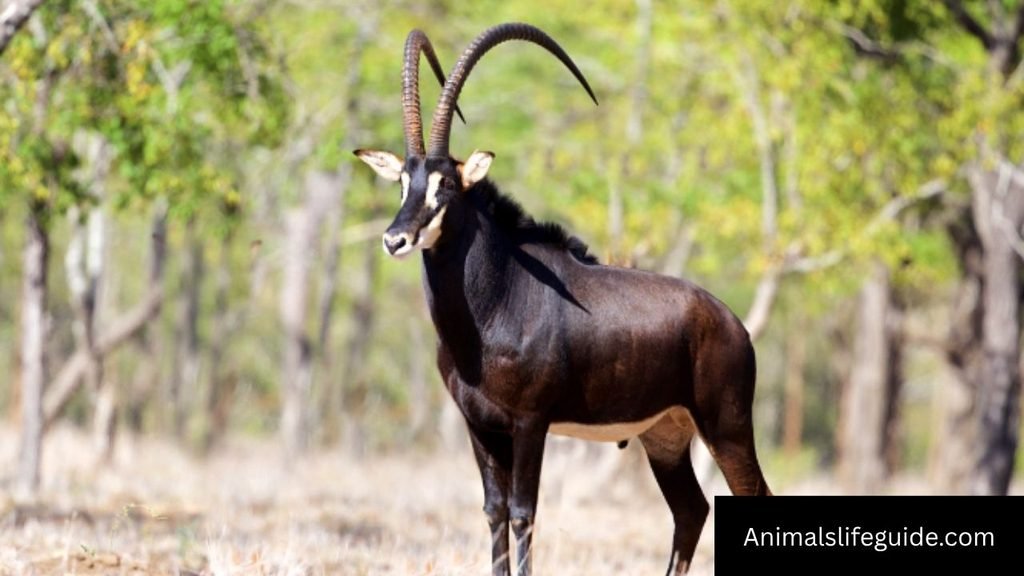
What’s particularly captivating is the Sable Antelope’s ability to withstand harsh conditions, including drought. Their grazed diet of grasses adapts seasonally, allowing them to utilize limited resources efficiently. Their distinct vocalizations and scent-marking behaviors play a crucial role in communication, not just with their herd but also in warding off rivals. By understanding the intricate social structures and survival strategies of the Sable Antelope, we gain insight into the resilience of wildlife in an ever-changing world. This elegance and resourcefulness make these creatures emblematic of the wild African landscape, reminding us of the delicate balance between nature and survival.
African Elephant
Scientific Name: Loxodonta africana
Class: Mammalia
Diet: Herbivore
The African elephant, the largest land mammal, showcases remarkable social structures. These matriarchal societies are led by the oldest female, whose extensive life experience helps the herd navigate challenges such as food scarcity or threats from predators. Interestingly, these elephants communicate through low-frequency rumbles, known as infrasound, which can travel several kilometers. This ability allows them to stay connected even when separated by vast distances, illustrating a sophisticated level of social bonding often underestimated by observers.
Moreover, African elephants possess an extraordinary memory that rivals that of many land animals. They can recall locations of water sources, migratory paths, and even the faces of fellow elephants for decades. This impressive cognitive ability is crucial for their survival, especially in arid regions where resources are scarce. Their trunks, versatile tools in their daily lives, can sense odors and even distinguish between different human languages, showcasing their unique interactions with their environment and the communities around them. Such insights into their behavior reveal not only the complexity of their lives but also the importance of conservation efforts to protect these intelligent beings.
Steenbok
Scientific Name: Raphicerus campestris
Class: Mammalia
Diet: Herbivore
The steenbok, a small antelope native to southern and eastern Africa, often goes unnoticed due to its shy nature and preference for dense bushland. What makes the steenbok particularly fascinating is its incredible ability to adapt to its environment. With a height of just about 24 inches at the shoulder, these nimble creatures can thrive in arid landscapes, thanks to their exceptional hearing and keen eyesight. Their camouflage — an elegant tawny coat — allows them to blend effortlessly into their surroundings, evading predators like leopards and hyenas.
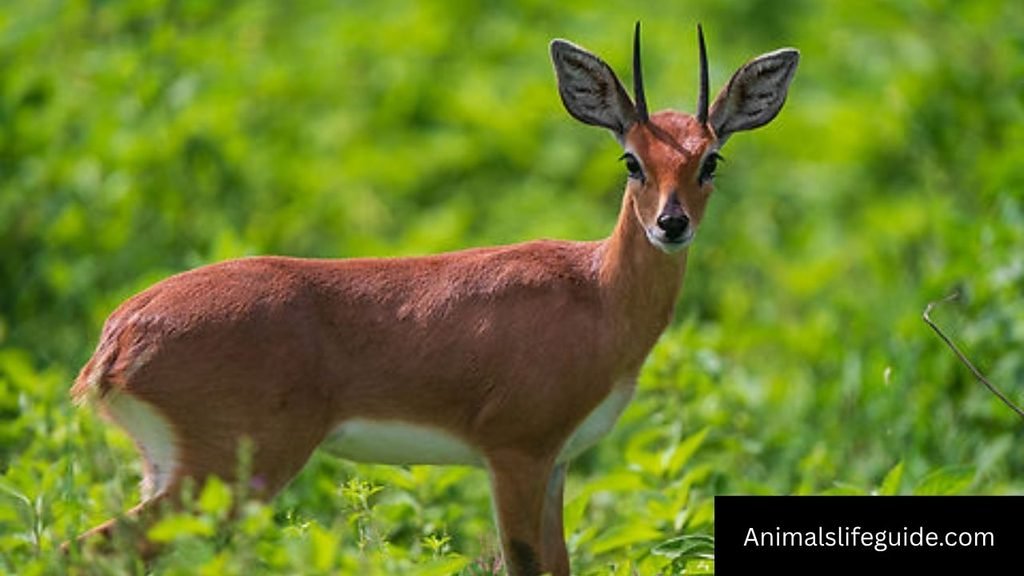
Another intriguing aspect of the steenbok is its solitary behavior. Unlike many other antelope species that prefer to roam in herds, steenboks typically lead a more solitary lifestyle, with males often defending a territory that can stretch over several acres. Their mating rituals are equally captivating; males engage in “lekking,” where they display their physical prowess to attract females. This unique behavior highlights the diverse strategies in the animal kingdom for survival and reproduction, showcasing the steenbok’s ingenuity in navigating a world filled with challenges. Observing these graceful creatures in their natural habitat offers a refreshing glimpse into the intricate web of life that persists, often unnoticed, all around us.
You can also read: Explore Top 28 Animals With Sharp Teeth.
Greater Kudu
Scientific Name: Tragelaphus strepsiceros
Class: Mammalia
Diet: Herbivore
The Greater Kudu, with its impressive spiraled horns and striking stature, is one of Africa’s most majestic antelopes. Males can weigh up to 600 pounds and stand nearly four feet tall at the shoulder, a size that both impresses and intimidates. What many may not realize is that these animals exhibit a fascinating adaptation to their environment; their unique coloration and patterns allow them to blend seamlessly into the dappled light of their savanna and woodland habitats, making them masters of camouflage.
Moreover, the Greater Kudu’s social structure is quite intriguing. While males tend to be solitary or found in small bachelor groups, females live in herds that can number up to 30, showcasing a dynamic social hierarchy that is essential for their survival. Females have acute senses, which they utilize to detect potential threats, thus acting as sentinels for their young. Their method of communication involves subtle body language and soft vocalizations, which reflects the sophistication of their social interactions. This blend of grace and survival instinct encapsulates the essence of the Greater Kudu, reminding us of the delicate balance in the ecosystem they inhabit.
Black Wildebeest
Scientific Name: Connochaetes gnou
Class: Mammalia
Diet: Herbivore
The black wildebeest, or white-tailed gnu, stands out not just for its striking appearance but also for its intriguing behaviors. Unlike their more famous counterparts, the blue wildebeest, black wildebeests have distinct, curved horns and a thick, shaggy mane. Found primarily in South Africa’s grasslands, these herbivores are social creatures that thrive in herds, which can range from a small group to a staggering 100 individuals, particularly during the mating season. This collective behavior isn’t just for protection — it’s a well-orchestrated strategy for grazing, as they rotate foraging areas to prevent overgrazing and encourage grass regeneration.
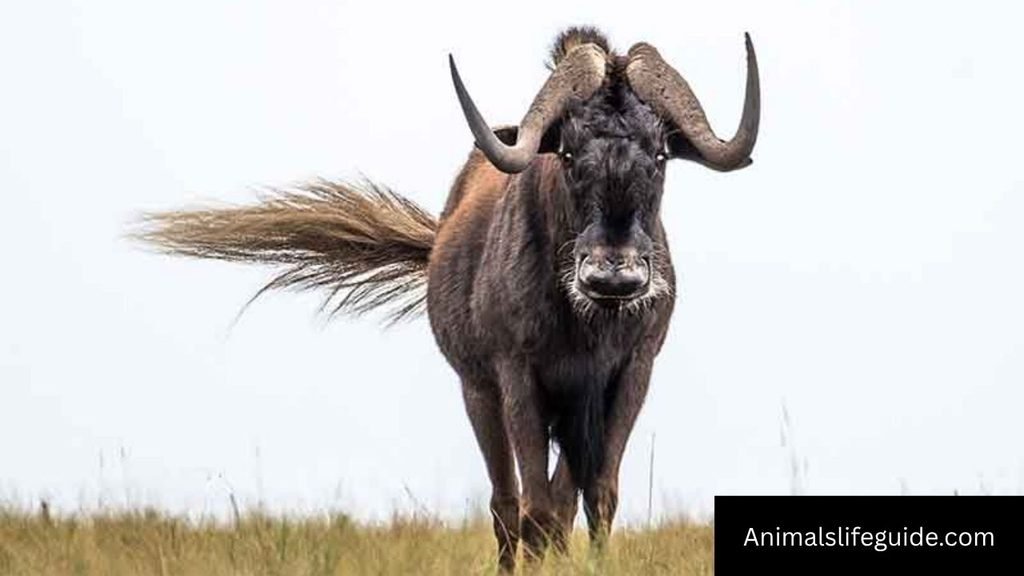
Interestingly, black wildebeests communicate through a series of unique vocalizations and postures. Their keen eyesight and sharp hearing enable them to detect predators, while the herd dynamic creates an early warning system that enhances their survival odds. Recent studies have shown that these animals display a fascinating level of motherly investment; females invest significant time and energy in teaching their young essential survival skills, showcasing a complex social structure rarely highlighted in animal behavior discussions. This interplay of survival and social dynamics not only captivates wildlife enthusiasts but also illustrates the intricate tapestry of life in the African savanna.
Common Waterbuck
Scientific Name: Kobus ellipsiprymnus
Class: Mammalia
Diet: Herbivore
The Common Waterbuck, known for its striking appearance and impressive adaptability, thrives in various wetland habitats across sub-Saharan Africa. One fascinating aspect of these robust herbivores is their unique coat, which features a distinctive, shaggy texture that not only serves as insulation but also aids in waterproofing. This adaptation lets them remain comfortable in their often-muddy environments while providing camouflage from predators lurking in the tall grasses of savannahs and reeds.
Social creatures at heart, Waterbucks often form loose herds, typically led by a dominant male. This social structure promotes a complex relationship with their surroundings, fostering a culture of vigilance where roles are often shared among the group. Interestingly, Waterbucks possess a natural defense mechanism in their secretions; they emit a musky scent that can confuse predators, offering a crucial survival advantage. Their ability to thrive even in areas facing drought highlights their resilience, making them not just survivors, but also remarkable indicators of ecosystem health in their habitats.
Bongo
Scientific Name: Tragelaphus eurycerus
Class: Mammalia
Diet: Herbivore
The bongo, an enchanting forest antelope native to the dense jungles of Africa, is a marvel of adaptation. With its striking orange-brown coat adorned with white stripes, it possesses natural camouflage that helps it evade predators in the dappled light of its habitat. Unlike many other antelopes, bongos are nocturnal, primarily active during the cooler hours of the night, which not only enhances their safety but also showcases their unique social dynamics as they often forage and travel in small herds.
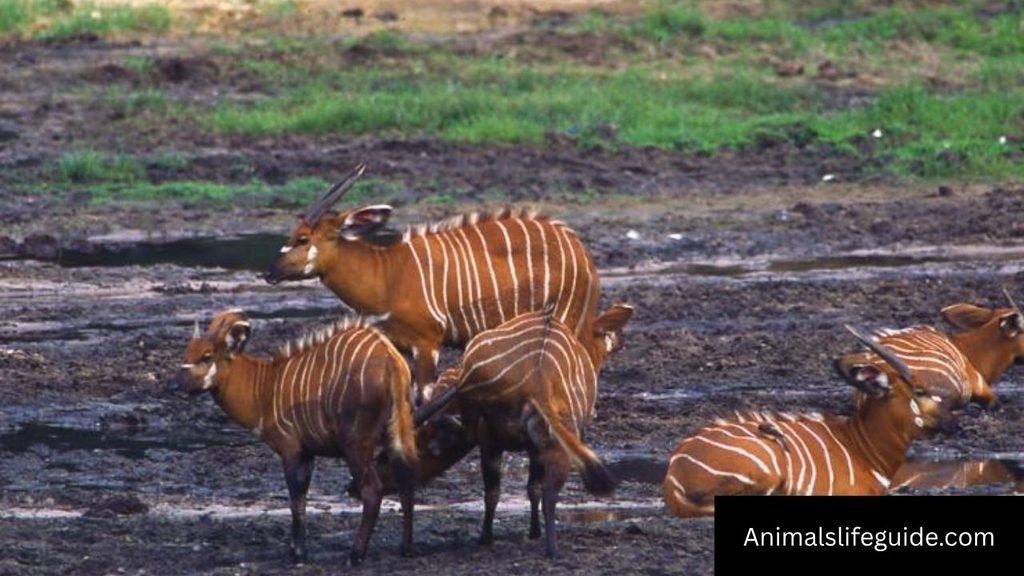
One intriguing fact about bongos is their impressive vocal repertoire. They communicate through a variety of sounds, including deep grunts and eerie bellows, which play a crucial role in their social structure, especially during mating season. Bongos have remarkable skills in navigating their forested environments. Their long, spiraled horns, which can reach up to 36 inches, are not just for show; they assist in maneuvering through thick brush while also serving a purpose in establishing dominance during disputes. Understanding the bongo’s role in its ecosystem reminds us of the delicate balance of forest life and the importance of conserving such extraordinary creatures.
Gemsbok
Scientific Name: Oryx gazella
Class: Mammalia
Diet: Herbivore
The gemsbok, known for its striking appearance and remarkable adaptability, is a magnificent antelope native to the arid landscapes of southern Africa. Their long, straight horns can reach up to 4 feet in length, serving not only as a tool for defense against predators but also as an impressive display during mating rituals. What truly sets the gemsbok apart, however, is its extraordinary ability to withstand extreme heat. These animals can go weeks without water, deriving essential moisture from the vegetation they consume, making them masters of survival in some of the harshest environments on the planet.
Interestingly, gemsboks are social creatures often seen in herds, which can enhance their protection from predators. They are also known for their incredible stamina and can run at speeds of up to 40 miles per hour, navigating the harsh terrain with finesse. Their striking coloration — light tan bodies with dark markings — serves not only a practical purpose in communication but also provides excellent camouflage amongst the dry grasses of their habitat. Observing these majestic animals in their natural setting reveals a world of nuanced behaviors and adaptations, reminding us of the intricate connections that sustain life in the wild.
African Buffalo
Scientific Name: Syncerus caffer
Class: Mammalia
Diet: Herbivore
The African buffalo, often overshadowed by its more glamorous relatives like lions and elephants, is a fascinating creature with a complex social structure. Unlike many herd animals, these buffalo exhibit strong social bonds, forming matriarchal groups led by a dominant female. This matriarch not only guides the herd to food and water sources but also plays a crucial role in protecting young calves from predators. Their close-knit family dynamics add depth to their existence, showcasing a level of emotional intelligence that’s often underestimated in wild animals.
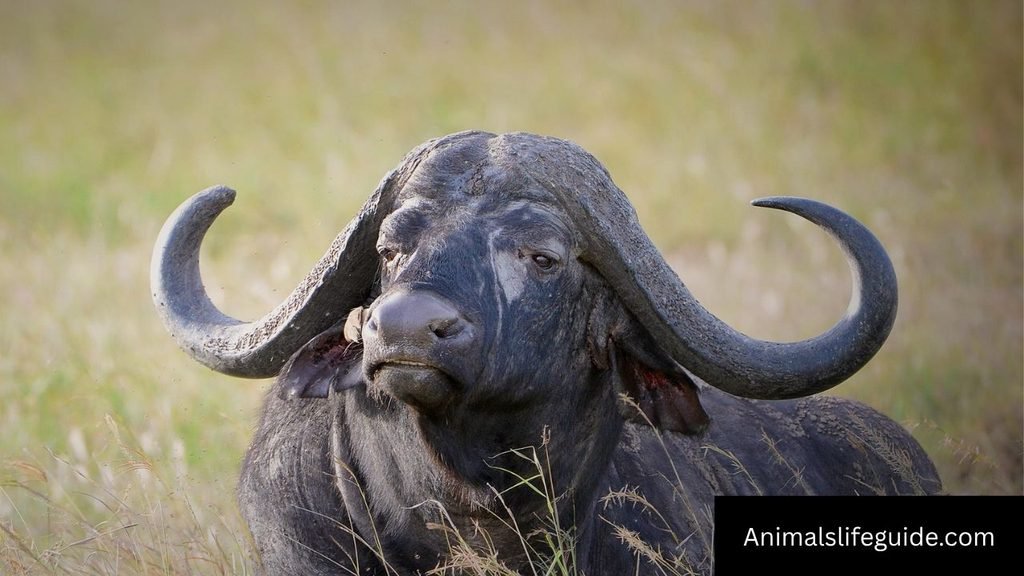
Interestingly, African buffalo have a unique way of communicating. They employ a range of vocalizations and body language, which helps reinforce social hierarchies and coordinate movements within the herd. Their impressive adaptability to various habitats, from savannas to wetlands, highlights their resilience and ability to thrive in diverse environments. Moreover, where they roam, they inadvertently shape the ecosystem; their grazing habits help maintain grassland health, ensuring a balanced habitat for numerous other species. This powerful yet humble creature illustrates how interconnected wildlife can be, further emphasizing the need for conservation efforts to protect these remarkable animals and their ecosystems.
Klipspringer
Scientific Name: Oreotragus oreotragus
Class: Mammalia
Diet: Herbivore
The klipspringer, a small antelope found in the rocky landscapes of eastern and southern Africa, showcases remarkable adaptations that set it apart from its larger cousins. Standing only about 24 inches tall at the shoulder, these agile creatures possess specially designed hooves that are uniquely suited for climbing steep, rugged terrains. Each hoof has a hard outer rim and a soft, rubbery center, allowing them to navigate precarious surfaces with extraordinary grace.
One fascinating aspect of klipspringers is their social structure. Typically found in pairs, they form strong bonds, often with a monogamous relationship that can last for years. Vigilant and alert, they communicate through a series of high-pitched whistles, ensuring that both partners remain aware of potential threats. Their keen eyesight and ability to blend into their rocky surroundings further enhance their survival, allowing them to escape predators with ease. Not only do these small antelopes capture the essence of resilience in challenging habitats, but they also remind us of the intricate connections in nature that keep ecosystems balanced.
Giant Eland
Scientific Name: Taurotragus derbianus
Class: Mammalia
Diet: Herbivore
The giant eland, the world’s largest antelope, stands out not just for its impressive size but also for its striking appearance. With males boasting a shoulder height of up to 1.5 meters and weighing around 900 pounds, these gentle giants possess a unique set of twisted horns that can reach up to 1 meter in length. Beyond their sheer size, the giant eland showcases a remarkable ability to adapt to various habitats, ranging from savannas to wooded areas across Central and West Africa. Their soft, tawny coat is adorned with white stripes, not just for aesthetics but also as a means of camouflage, helping them blend seamlessly into their surroundings to evade potential predators.
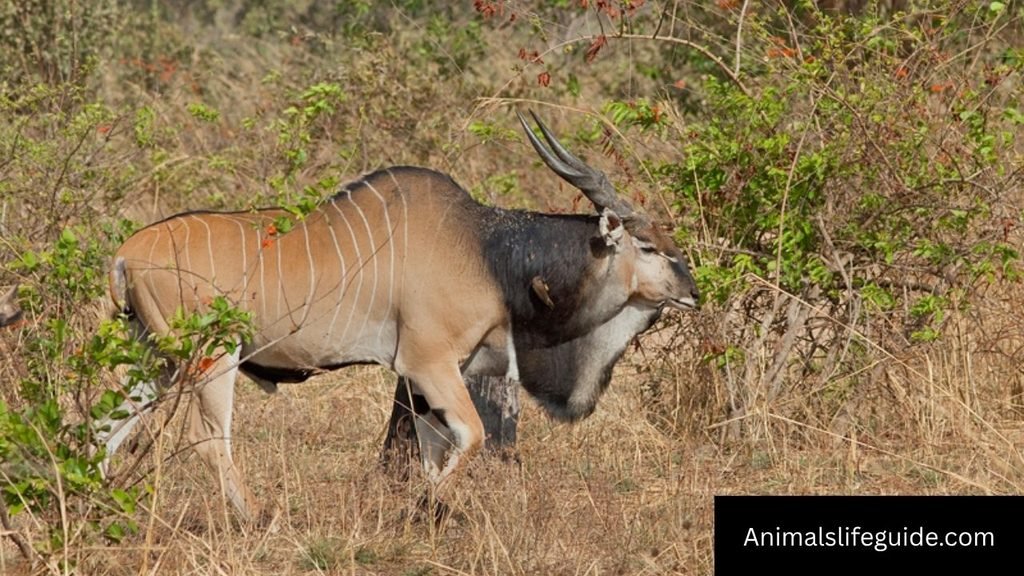
Social structures within giant eland herds are equally fascinating. These animals are known to exhibit strong matriarchal bonds, with females often forming cohesive groups, while males tend to be more solitary or engage in loose bachelor groups. Interestingly, giant elands communicate through a range of vocalizations and body language, with their deep, resonant “bellow” being a call that resonates across their vast grassland territories. These antelopes are adept at detecting changes in their environment, showcasing an acute awareness that is vital for their survival. Understanding the giant eland goes beyond its physical attributes; it unfolds a narrative of resilience and adaptation in a world where habitat loss poses significant threats.
Impala
Scientific Name: Aepyceros melampus
Class: Mammalia
Diet: Herbivore
The impala, a graceful antelope found across eastern and southern Africa, showcases an impressive ability to leap up to ten feet in the air. This extraordinary agility isn’t just for show; it serves as a critical survival tactic against predators. When startled, impalas can execute incredible bounds that allow them to navigate their open savannah habitat swiftly, often zigzagging to evade chase. Their physical prowess is complemented by keen senses, making them vigilant for danger while grazing.
Interestingly, impalas exhibit complex social structures, living in herds that can range from a few individuals to hundreds. These groups are typically segregated by sex, with males forming bachelor herds while females and young stay together. This social dynamic fosters not only competition but also cooperation; males establish dominance through various displays of strength and agility, while females maintain close bonds that enhance maternal care. This social behavior promotes a fascinating phenomenon known as the “dilution effect,” wherein the presence of numerous individuals decreases the chance of any single animal being targeted by predators.
In terms of communication, impalas are quite vocal. Their grunts and snorts convey a range of messages — from warning calls to expressing excitement during mating season. Each sound has a specific purpose, demonstrating an advanced level of social interaction. Just as intriguing is their role in the ecosystem; as grazers, impalas play a pivotal part in shaping the savannah landscape, influencing plant growth and providing sustenance for other species. Each leap and call adds to the rich tapestry of life in their native habitats, painting a picture of resilience and elegance.
Scimitar-horned Oryx
Scientific Name: Oryx dammah
Class: Mammalia
Diet: Herbivore
The scimitar-horned oryx, a striking embodiment of the Sahara’s ancient landscape, is known for its long, curved horns that resemble a scimitar — a feature that not only offers a unique aesthetic but also a practical defense mechanism against predators. These magnificent creatures once roamed the arid terrains of North Africa in large herds, displaying remarkable adaptability to extreme climates. Surprisingly, they rely less on water than many other species; they derive much of their hydration from the vegetation they consume, thriving in environments where many would struggle to survive.
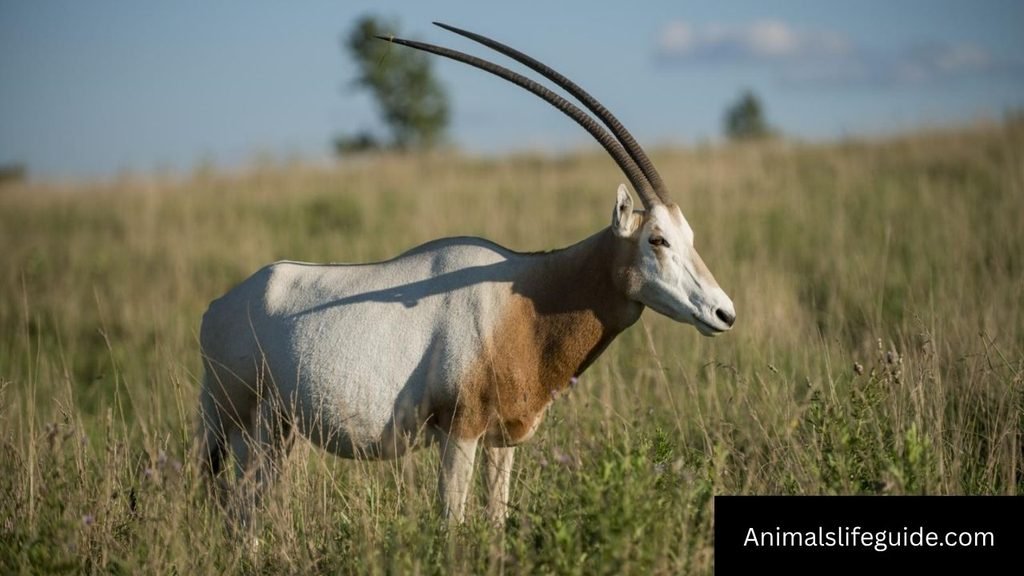
Interestingly, the scimitar-horned oryx exhibits a distinct social structure, often forming loose groups led by dominant females. This matriarchal system enhances their efficiency in navigating the harsh desert ecosystem, allowing them to find food, avoid threats, and raise their young more effectively. Although officially declared extinct in the wild in the early 2000s, conservation efforts have sparked a glimmer of hope. Reintroductions to their native habitat are underway, showcasing the resilience of nature and the power of human-driven conservation initiatives. Such efforts not only aim to revive the species but also restore the delicate balance of the ecosystems they once shaped.
Nyala
Scientific Name: Tragelaphus angasii
Class: Mammalia
Diet: Herbivore
The Nyala, a striking antelope native to Southern Africa, is known for its remarkable sexual dimorphism. Males sport a rich, brownish-gray coat adorned with white vertical stripes and spiral horns that can reach up to 34 inches in length, while females exhibit a more subdued tawny hue without horns, allowing them to blend seamlessly into their forested habitats. This adaptation not only aids in camouflage but also reflects the fascinating evolutionary strategies that animals employ for survival.
Socially, Nyala exhibit unique behaviors that enhance their group dynamics. They are typically found in small herds, often comprising females and their young, while males tend to be more solitary or form temporary bachelor groups. Interestingly, male Nyala are known to display a type of soft whistle or grunt during courtship, a behavior that strengthens bonds among females and adds a layer of communication rarely observed in other antelope species. Their foraging habit is equally intriguing; they are browsers, favoring shrubs and tall grasses, which allows them to maintain a balanced diet even in challenging environments, showcasing their adaptability.
White Rhinoceros
Scientific Name: Ceratotherium simum
Class: Mammalia
Diet: Herbivore
The white rhinoceros, despite its name, isn’t actually white; it’s derived from the Dutch word “wijde,” meaning “widely” — a nod to its broad mouth. This magnificent creature can weigh up to 2,300 kilograms, making it one of the largest land mammals, rivaling even the hippo. Interestingly, white rhinos have two distinct subspecies: the Southern white rhinoceros, which is more populous, and the critically endangered Northern white rhinoceros, of which only two females remain.
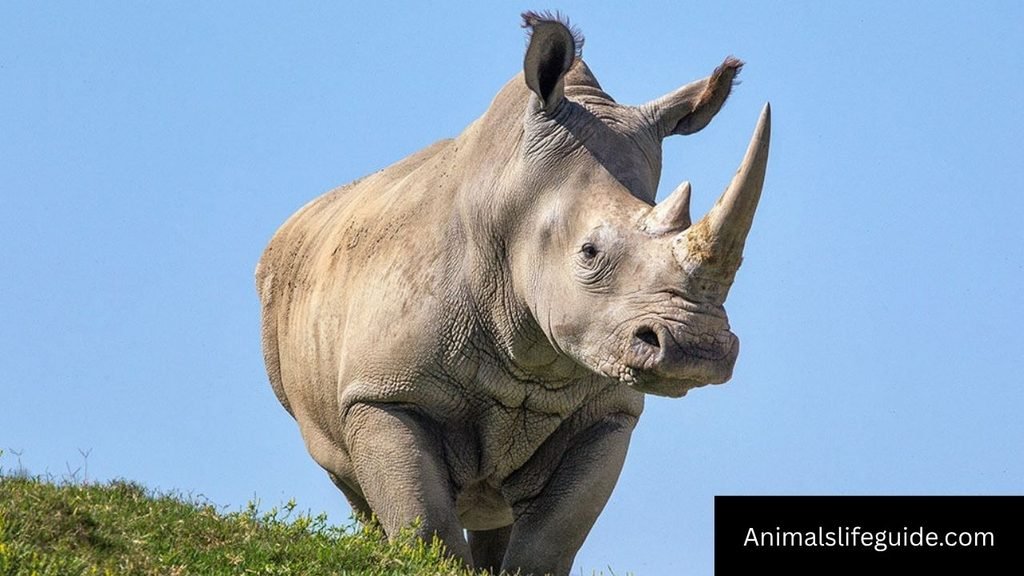
Beyond their imposing size, white rhinos play a crucial ecological role in their habitats. As mega-herbivores, they help maintain the balance of grassland ecosystems by grazing, which encourages healthier plant growth and allows smaller species to thrive. Intriguingly, their thick skin, sometimes referred to as “armor,” is not just for show; it provides protection against thorns and other environmental hazards, though it is highly sensitive to sunburn. This vulnerability contributes to their reliance on wallowing in mud, not only cooling their skin but also forming a protective layer that shields them from harsh sun exposure and pesky insects.
Blue Duiker
Scientific Name: Philantomba monticola
Class: Mammalia
Diet: Herbivore
The blue duiker, a small antelope native to the dense forests of Central and West Africa, stands out for its striking cobalt-blue hue — a feature that not only gives it its name but also serves as excellent camouflage in its shadowy habitat. These diminutive creatures weigh in at just 25 to 30 pounds, making them one of the smallest antelope species. Their agility helps them navigate the underbrush with ease, and their keen senses alert them to potential predators, allowing them to slip into the thicket almost unnoticed.
What truly sets the blue duiker apart is not just its size but its unique social structure; these antelopes are primarily solitary or found in pairs, contrasting sharply with the more herd-oriented behavior of other antelope species. Their feeding habits are fascinating as well; they primarily dine on leaves, fruits, and flowers, employing a selective strategy that minimizes competition and maximizes nutritional intake. Through a relationship with their habitat, blue duikers play a role in seed dispersal, contributing to forest regeneration and health. This ecological niche underscores the importance of preserving their rapidly disappearing rainforest environments.
Topi
Scientific Name: Damaliscus lunatus
Class: Mammalia
Diet: Herbivore
The Topi, a striking antelope native to the African savannas, is known for its remarkable agility and distinctive appearance, characterized by a sleek body and two-tone coloration — rich brown on the upper body and lighter shades on the legs and underside. These grassland dwellers possess an extraordinary adaptation: their elongated limbs and high-speed running capabilities make them one of the fastest antelopes, capable of reaching speeds up to 50 km/h (31 mph). This adaptation is essential for evading predators in their open habitat, where quick bursts of speed can mean the difference between life and death.
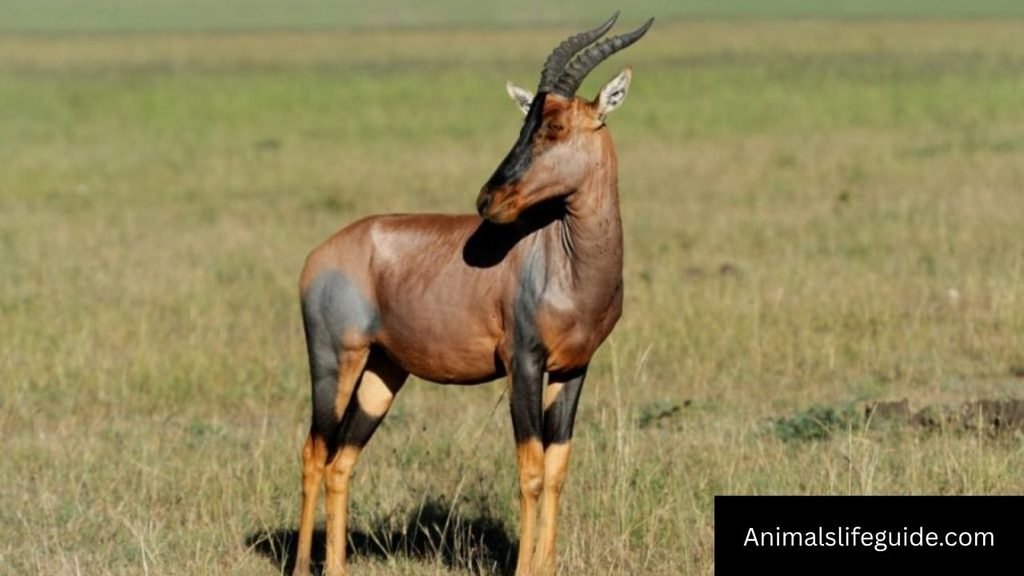
Socially, Topis exhibit fascinating behavior patterns, often seen in large herds that create complex social dynamics. Males establish and defend territories during the breeding season, using their vibrant markings to attract females and assert dominance. Interestingly, these animals also engage in a unique form of communication known as “topi snorts,” a series of vocalizations that can convey warnings of impending danger or the presence of a predator. This vocal intricacy adds another layer to their social interactions, illustrating how communication shapes not only their reproductive strategies but also their collective survival in the wild.
When observing Topis, one might also appreciate their role in the ecosystem. By grazing on abundant grasses, they help maintain the balance of their habitat, promoting plant growth and supporting various other species within their ecosystem. Their grazing behavior opens up spaces for new shoots to emerge, fostering a healthier environment for not just their kind but also for the array of wildlife that shares their savanna home. The Topi, with its unique adaptations and social structures, serves as a reminder of the intricate connections within nature, showcasing how each species plays a vital role in the tapestry of life.
Roan Antelope
Scientific Name: Hippotragus equinus
Class: Mammalia
Diet: Herbivore
The roan antelope, with its striking chestnut coat and impressive, curved horns, is a true marvel of the African savanna. Unlike many antelope species that favor open plains, the roan prefers the cover of dense grasslands and woodlands, showcasing a fascinating adaptation to its environment. This positioning allows them to utilize their keen eyesight effectively, spotting potential threats from a distance. Interestingly, these antelopes often form small herds, which not only enhances their safety in numbers but also facilitates strong social bonds and communication through various vocalizations and body language.
One of the roan antelope’s most intriguing traits is its unique defense mechanism. When threatened, instead of fleeing immediately like many prey animals, roans can stand their ground and display a defensive posture. Their impressive size and formidable horns can deter predators such as lions and hyenas, making them a formidable presence in their ecosystem. Moreover, their diet consists of various grasses, which not only shapes their foraging behavior but also highlights their importance in maintaining the ecological balance by preventing overgrowth of vegetation. Observing roan antelopes in the wild reveals a dynamic interplay of elegance, strategy, and survival, illuminating the remarkable adaptations that define these magnificent creatures.
Black Rhinoceros
Scientific Name: Diceros bicornis
Class: Mammalia
Diet: Herbivore
The Black Rhinoceros, distinguished by its hooked lip adapted for grasping leaves and twigs, plays a critical role in its habitat. Unlike its larger white counterpart, the black rhino is generally smaller and more agile, making it an expert navigator through dense brush. This ability not only helps it forage for food but also supports the ecosystem by facilitating the growth of vegetation, which in turn benefits countless other species.
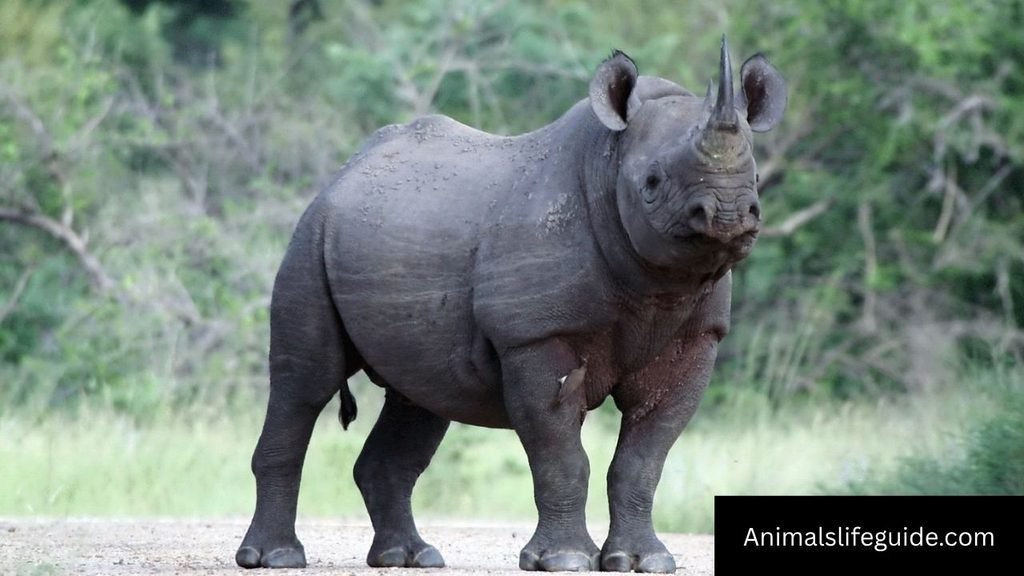
One of the most fascinating aspects of the black rhino is its complex social structure. While often perceived as solitary animals, they exhibit varying social behaviors depending on the region and environmental conditions. In some areas, females form loose groups to support rearing their young, creating a form of communal care that enhances survival rates. Their impressive sense of smell and hearing, combined with their relatively poor eyesight, makes them sensitive to their environment, allowing them to adapt quickly to threats — both natural and human-induced.
Tragically, the resilience of the black rhinoceros is under constant threat from poaching and habitat loss. Conservation efforts are not just about saving a species; they also reflect wider ecological health. As we invest in protecting these magnificent creatures, we reinforce the integrity of entire ecosystems. Thus, the fate of the black rhino resonates beyond its own survival, reminding us of our shared responsibility to preserve the delicate balance of nature.
Springbok
Scientific Name: Antidorcas marsupialis
Class: Mammalia
Diet: Herbivore
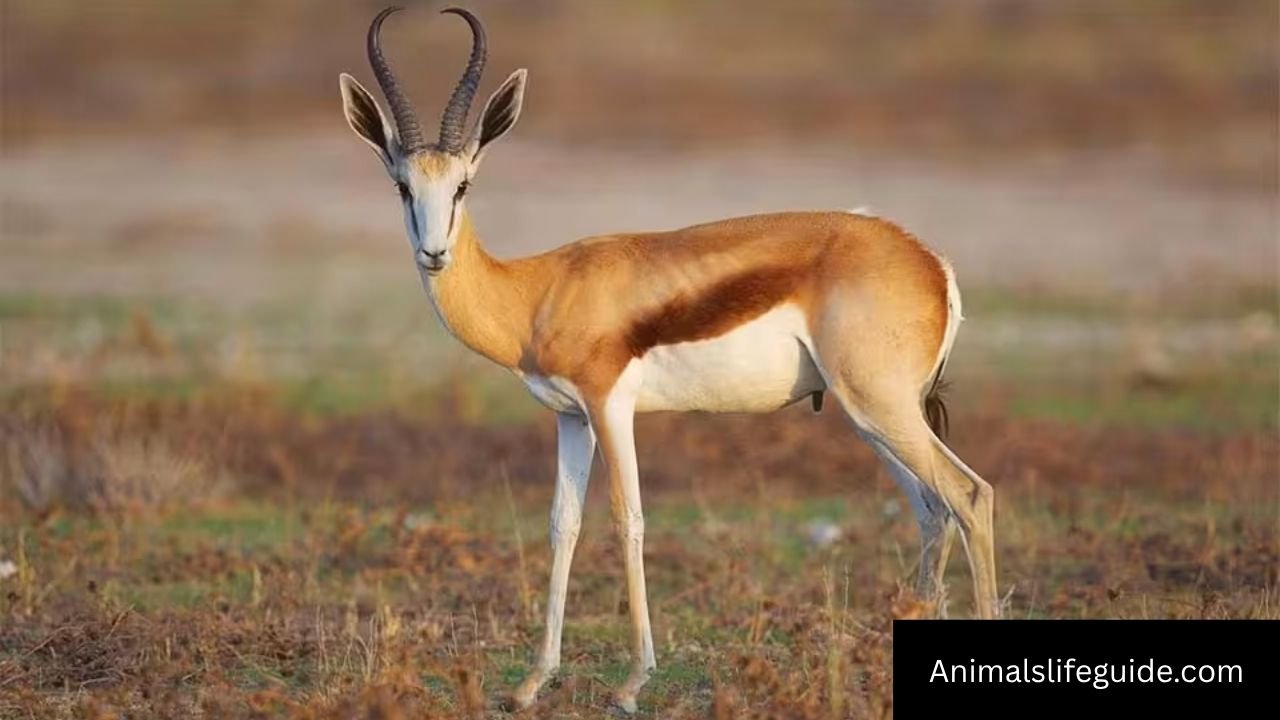
The springbok, one of South Africa’s most iconic animals, is a true marvel of adaptation. Known for its impressive agility, this antelope can leap up to ten feet high and cover distances of up to 33 feet in a single bound. This astounding ability is not just for show; it serves as a vital survival tactic, helping springboks evade predators in their arid habitats.
Interestingly, springboks possess a unique feature called “pronking,” where they perform a series of high jumps, often when they feel threatened. This behavior not only confuses predators but also signals to others in the herd that danger is present. Springboks are highly social animals, often forming large herds that can number in the hundreds. Their strong herd dynamics enhance their chances of survival; together, they can keep watch for threats and communicate more effectively. As you marvel at these elegant creatures, remember that their behaviors and adaptations are intricately woven into the fabric of their ecosystem, showcasing nature’s ingenuity in the face of survival challenges.
Lichtenstein’s Hartebeest
Scientific Name: Alcelaphus buselaphus lichtensteinii
Class: Mammalia
Diet: Herbivore
Lichtenstein’s hartebeest, a lesser-known antelope species found in parts of southern Africa, is a fascinating example of nature’s adaptability. Notably distinguished by its unique body shape and striking coloration, this antelope has evolved to thrive in various habitats, from savannas to woodlands. Their elongated face and curved horns, which can grow up to 30 inches in males, enable them to navigate through dense brush, making them well-suited for both escape and grazing.
One of the most intriguing aspects of Lichtenstein’s hartebeest is their social dynamics. These animals typically form small herds, which can vary in size depending on environmental conditions. This social structure not only provides safety in numbers against predators but also cultivates a complex communication system. Through a combination of vocalizations, body language, and even scent marking, they maintain bonds and establish territory. Despite their robust nature, these hartebeests are increasingly threatened by habitat loss and poaching, highlighting the urgent need for conservation efforts to ensure their survival in a rapidly changing world.
Bushbuck
Scientific Name: Tragelaphus scriptus
Class: Mammalia
Diet: Herbivore
The bushbuck, a medium-sized antelope residing in sub-Saharan Africa, is often overshadowed by its more well-known relatives. One striking trait of the bushbuck is its remarkable adaptability; it thrives in diverse habitats, from dense forests to open savannas. This versatility is complemented by its impressive camouflage, thanks to a unique coat pattern of reddish-brown with white spots and stripes, which helps it blend seamlessly into its surroundings.
Socially, bushbucks are rather peculiar. Unlike many antelope species that form large herds, bushbucks tend to be solitary or form small family groups. This solitary nature equips them with heightened awareness, essential for escaping predators like leopards and lions. Interestingly, bushbucks are most active at dusk and dawn, showcasing a crepuscular lifestyle that allows them to forage in relative safety during these transitional periods. Their adaptations, both in behavior and appearance, underscore the remarkable resilience and ingenuity of wildlife in navigating the challenges of their environments.
East African Oryx
Scientific Name: Oryx beisa
Class: Mammalia
Diet: Herbivore
The East African Oryx, with its striking long, straight horns and distinctive facial markings, is not just a beauty of the African savanna; it’s also a model of adaptation. Found primarily in the arid environments of Kenya and Tanzania, these remarkable antelopes thrive in some of the harshest conditions. Their ability to tolerate extreme temperatures allows them to forage during the hotter parts of the day, significantly reducing competition with other herbivores that seek shade.
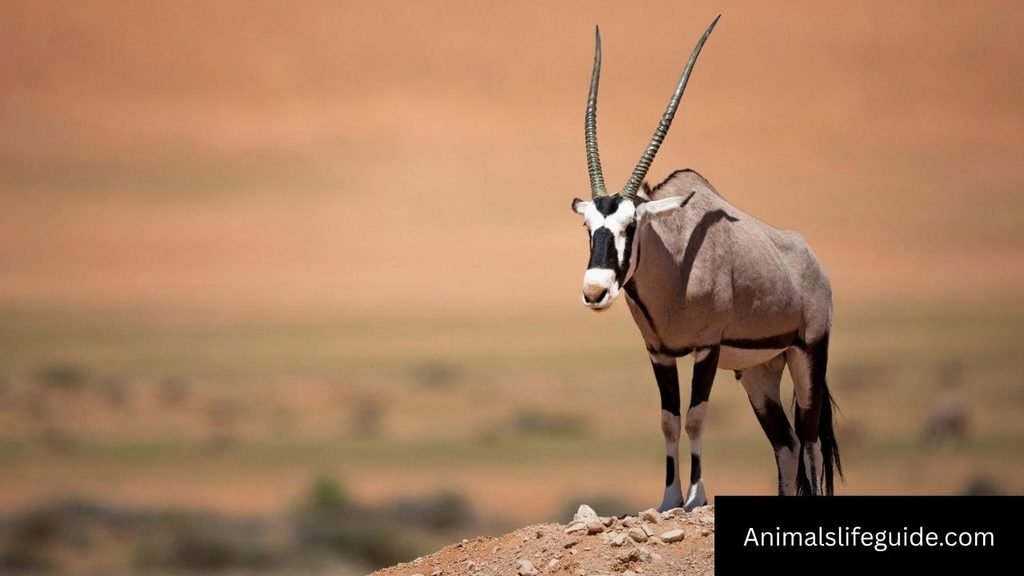
Socially, East African Oryxes exhibit intriguing behaviors, often forming small herds led by a dominant female. This matriarchal structure fosters stability and enhances communication amongst group members, crucial for evading predators like lions and leopards. Interestingly, their sheer resilience has led them to become a symbol of survival; they can survive without water for extended periods, deriving moisture from the plants they consume. Such adaptations make the East African Oryx not only an emblem of the wilderness but also a testament to the wonders of evolution and the relentless spirit of nature.
Common Duiker
Scientific Name: Sylvicapra grimmia
Class: Mammalia
Diet: Omnivore
The common duiker, a fascinating antelope found predominantly in sub-Saharan Africa, possesses a set of adaptations that make it uniquely equipped for survival in dense bush and forest environments. With a nimble body and a reddish-brown coat, this creature excels in blending into its surroundings, allowing it to evade predators effectively. Interestingly, the term “duiker” comes from the Afrikaans word for “diver,” which aptly describes how these agile animals can dart into thick brush to escape danger, showcasing their instinctual mastery of evasion.
Another remarkable aspect of the common duiker is its foraging behavior. While they primarily graze on grass, foliage, and fruits, they exhibit selective feeding habits that allow them to maintain a balanced diet. Their keen sense of smell helps them find food, even when vegetation is dense, highlighting their adaptability. These creatures have a solitary nature, often seen alone or in pairs, which not only helps them reduce competition for resources but also minimizes their risk of detection. This behavioral trait reflects a deep-rooted survival strategy, underscoring the elegance with which the common duiker navigates the complexities of its ecosystem.
Wildebeest
Scientific Name: Connochaetes spp.
Class: Mammalia
Diet: Herbivore
Wildebeest, also known as gnus, are fascinating creatures renowned for their remarkable migrations across the African savanna. Each year, around 1.5 million wildebeest participate in a grueling journey known as the Great Migration, where they travel over 1,800 miles in search of fresh grazing grounds. This phenomenon isn’t merely a quest for food; it’s a synchronized display of instinct, danger, and cooperation, as they leap into rivers infested with crocodiles, showcasing the wild struggle for survival.
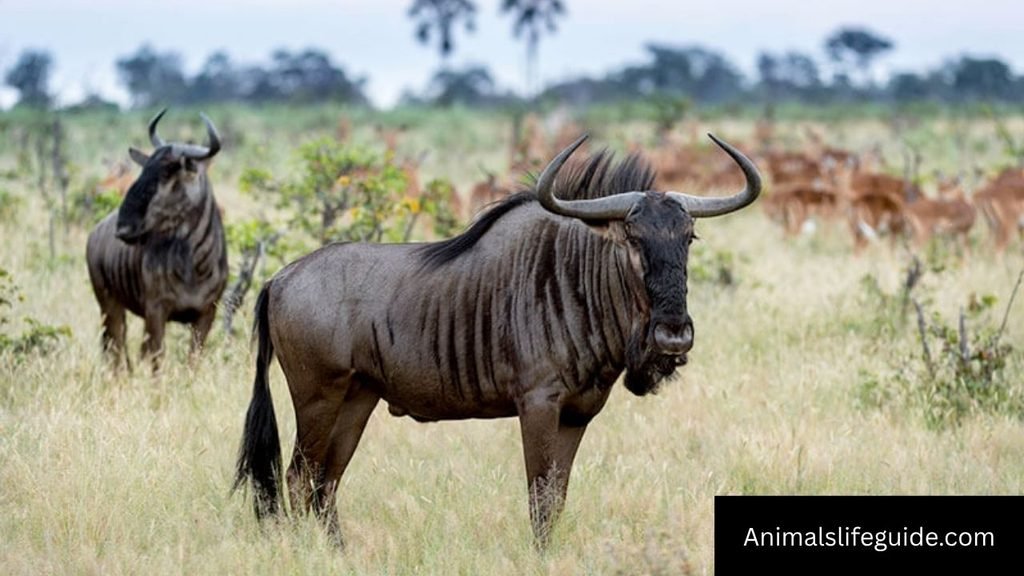
These sturdy animals are equipped with unique adaptability, allowing them to thrive in diverse environments. Their robust bodies work seamlessly with their social behavior, as they form vast herds that provide safety in numbers. Interestingly, wildebeest have a highly developed sense of smell, enabling them to detect rain from miles away, guiding them to greener pastures. This incredible ability is coupled with their signature vocalizations, which create a cacophony of grunts and snorts, playing a crucial role in communication within the herd. The wildebeest’s resilience and teamwork highlight nature’s intricate balance and remind us of the enduring spirit needed for survival in the wild.
Defassa Waterbuck
Scientific Name: Kobus ellipsiprymnus defassa
Class: Mammalia
Diet: Herbivore
The Defassa waterbuck, an imposing antelope found primarily in eastern and southern Africa, boasts a remarkable resilience to its wetland habitat. Unlike many other antelope species, the Defassa waterbuck has adapted to a semi-aquatic lifestyle, thriving near rivers and lakes. Its unique adaptation includes a dense, water-repellent coat that allows it to escape predators by submerging itself in water, a tactic that not only provides safety but also facilitates thermoregulation in the sweltering African heat.
What truly sets the Defassa waterbuck apart is its distinct coloration: the males are adorned with rich, dark brown fur, accented by a striking white ring around their rumps. This feature not only helps mates identify each other amidst dense vegetation but also plays a crucial role in social interactions within their herds. Interestingly, these animals are not just solitary grazers; they exhibit complex social structures, often forming harems that consist of several females and their young, showcasing a blend of cooperation and competition in their behavior. As they navigate the delicate ecosystems of wetlands, they contribute significantly to seed dispersal, underscoring their role as vital players in maintaining the biodiversity of their habitats.
Addax
Scientific Name: Addax nasomaculatus
Class: Mammalia
Diet: Herbivore
The addax, also known as the white antelope or screwhorn antelope, is a marvel of adaptation, thriving in some of the harshest environments on Earth. Native to the Sahara Desert, this remarkable creature can survive without drinking water for extended periods, drawing moisture from the greenery it consumes. Its striking, twisted horns, which can reach lengths of up to 1.5 meters, not only serve as a defense mechanism but also play a role in social interactions among males during mating season.
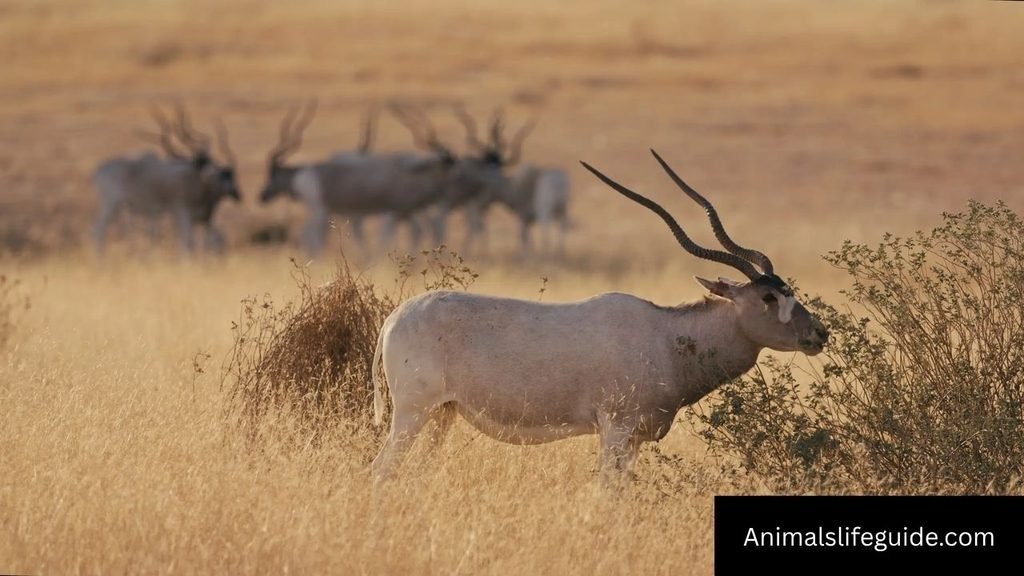
Despite their resilience, the addax is critically endangered, with fewer than 100 individuals estimated to be in the wild. Poaching, habitat loss, and competition with livestock have drastically reduced their population. Conservation efforts are in full swing, focusing on habitat protection and breeding programs, which highlight the importance of preserving this unique species. The addax’s ability to thrive in extremes serves as a powerful reminder of nature’s ingenuity and underscores the urgent need to protect these fascinating animals from extinction.
Southern Reedbuck
Scientific Name: Redunca arundinum
Class: Mammalia
Diet: Herbivore
The Southern Reedbuck, a striking yet elusive antelope, is predominantly found in the wetlands and riverine grasslands of southern Africa. These animals are masterful navigators of their dense, reed-filled habitats, using their agility to escape predators while blending seamlessly into the tall grasses. Unlike many of their peers, Reedbucks have a unique social structure; they tend to form small family units or pairs rather than larger herds, promoting a stronger bond between individuals.
One of the most captivating aspects of the Southern Reedbuck is its territorial behavior. Males establish their dominance through unique vocalizations and scent markings, often engaging in displays of physical prowess. Their cryptic coloration not only serves as camouflage but also reflects their environment — golden-brown and fawn shades allow them to vanish among the reeds, making them a challenge to spot for both predator and observer alike. This intricate relationship with their habitat highlights the delicate balance of wetland ecosystems, where every creature plays a role in the tapestry of life, reminding us of the importance of conserving these vital environments.
Hartebeest
Scientific Name: Alcelaphus buselaphus
Class: Mammalia
Diet: Herbivore
The hartebeest, a distinctive antelope found primarily in the grassy plains of East and Southern Africa, boasts an impressive blend of adaptability and eccentricity. With long legs, an elongated face, and horns that spiral dramatically, this creature not only stands out visually but also demonstrates intriguing social behavior. Unlike many other antelope species, hartebeests often form large herds, which can number into the hundreds. This social structure serves as a defense mechanism against predators, as the sheer size makes it challenging for lions and hyenas to select a solitary target.
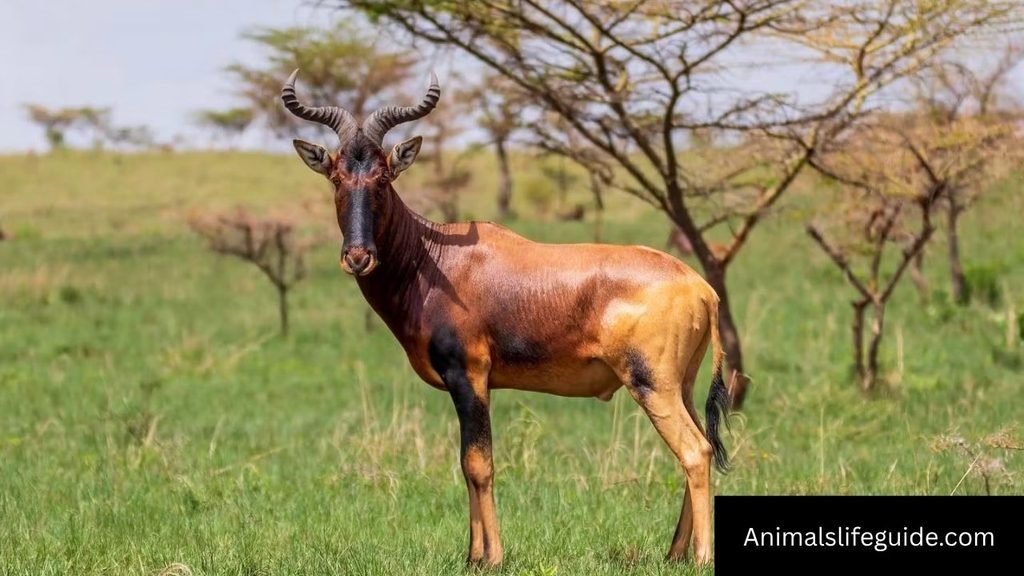
One of the most fascinating aspects of hartebeests is their incredible adaptability to various habitats, from savannas to woodlands. This resilience extends to their feeding habits; they are known to graze on grass that other herbivores often overlook. Their unique digestive system enables them to extract nutrients from coarse, fibrous grasses, allowing them to thrive in environments where competition for resources is fierce. Moreover, the hartebeest’s social interactions are characterized by complex communication, including vocalizations and visual displays, ensuring cohesion within their herds. As such, the hartebeest is not just a remarkable survivor in the wild; it’s a testament to nature’s ever-evolving strategies for survival.
Lesser Kudu
Scientific Name: Tragelaphus imberbis
Class: Mammalia
Diet: Herbivore
The lesser kudu, a member of the antelope family, is known for its striking appearance and elusive behavior. Male lesser kudus showcase spiraled horns that can reach up to three feet in length, but it’s their unique coat that truly captivates. With a velvety, bluish-gray hue adorned by white stripes and spots, these creatures blend seamlessly into the thickets and open woodlands of their East African habitat. This remarkable camouflage aids in evading predators, highlighting nature’s artistry in evolution.
What sets the lesser kudu apart is its fascinating social structure. Unlike many other antelope species, they are generally solitary or found in small groups, which reflects their shy and cautious nature. This preference for solitude not only aids in foraging for the leaves and shoots they delight in but also reduces the risk of detection by predators like lions and hyenas. Interestingly, lesser kudus are known to be excellent jumpers, capable of leaping over obstacles as high as six feet, a remarkable adaptation for navigating their hilly terrain while escaping threats.
Moreover, their diet is not just a simple act of grazing; it plays a crucial role in the ecosystem. By selectively consuming certain plants, lesser kudus help maintain the balance of the vegetation in their environment, promoting growth and biodiversity. Their presence reinforces the idea that every species, no matter how small or elusive, holds an essential place in the intricate web of life.
Bontebok
Scientific Name: Damaliscus pygargus
Class: Mammalia
Diet: Herbivore
The bontebok, a striking antelope native to South Africa, boasts a unique combination of grace and resilience. With its rich chestnut coat and white markings, it stands out in the grasslands, but its survival teeters on the brink of endangerment. Once prized for its beauty and hunted extensively, conservation efforts have dedicated significant resources to restore its population, highlighting the balance between human activity and wildlife preservation.
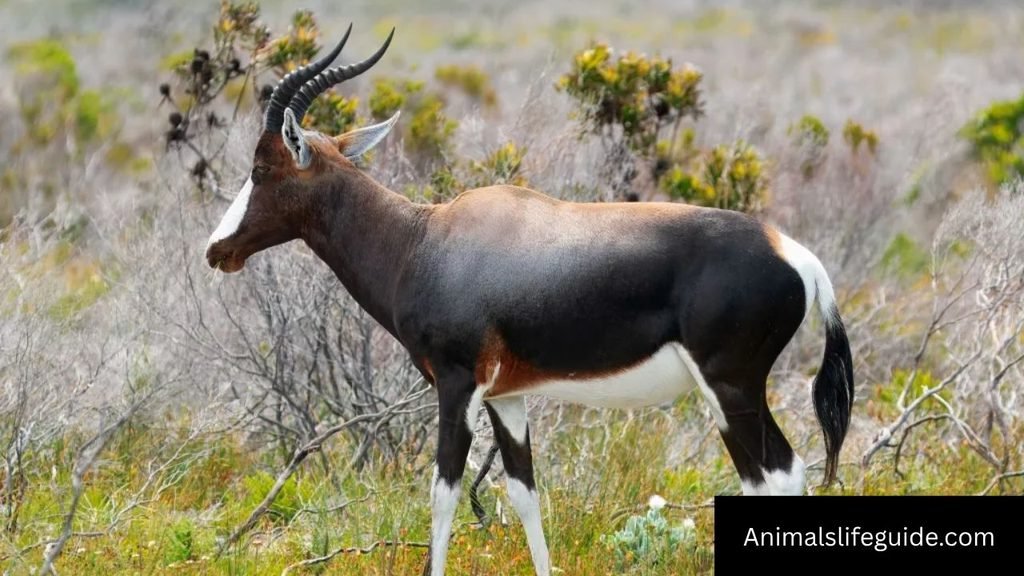
Interestingly, bonteboks exhibit social structures that favor herding, which offers protection against predators and strengthens their bonds within the group. Unlike many other antelope, they are strictly grazers, preferring to feast on short grass, which affects their habitat preferences and feeding behaviors. Observers can often witness their distinctive “bounding” escape technique, where they leap gracefully away from danger, a testament to their agility and adaptability in pursuit of survival. This unique combination of beauty, behavior, and the ongoing efforts to secure their future underscores the importance of preserving these magnificent creatures and their habitats.
Oribi
Scientific Name: Ourebia ourebi
Class: Mammalia
Diet: Herbivore
The Oribi, a small antelope native to eastern and southern Africa, stands out for its remarkable adaptability to various habitats, ranging from grasslands to savannas. With their slender bodies and graceful movements, these animals are not just visually striking; they possess an innate ability to blend seamlessly into their surroundings, employing their keen sense of sight and hearing to evade predators. What’s particularly fascinating about Oribis is their unique mating display; males perform characteristic leaps and bounds, showcasing agility and strength to attract females.
Socially, Oribis are quite different from many other antelope species. They tend to be solitary or found in small groups rather than forming large herds. This behavior enhances their chances of survival in areas where vegetation is sparse, as they can forage more efficiently. Oribis have a distinctive method of communication; they utilize subtle vocalizations and body postures to convey messages about territory and breeding status, reflecting a sophisticated social structure that is often overlooked by casual observers. Their delicate balance of shyness and playful skittishness makes them a captivating subject for those who appreciate the intricate tapestry of wildlife.
Beisa Oryx
Scientific Name: Oryx beisa
Class: Mammalia
Diet: Herbivore
The Beisa oryx, a striking antelope native to the arid regions of East Africa, boasts impressive adaptations that enable it to thrive in harsh environments. With its long, straight horns and striking black and white facial markings, the Beisa oryx is easily recognizable and serves as a living testament to nature’s artistry. One of its most remarkable features is its ability to enter a state of hyperthermia, allowing it to raise its body temperature to cope with extreme heat. Instead of relying on water, the Beisa can sustain itself by deriving moisture from the vegetation it consumes, showcasing an extraordinary evolutionary strategy for survival.
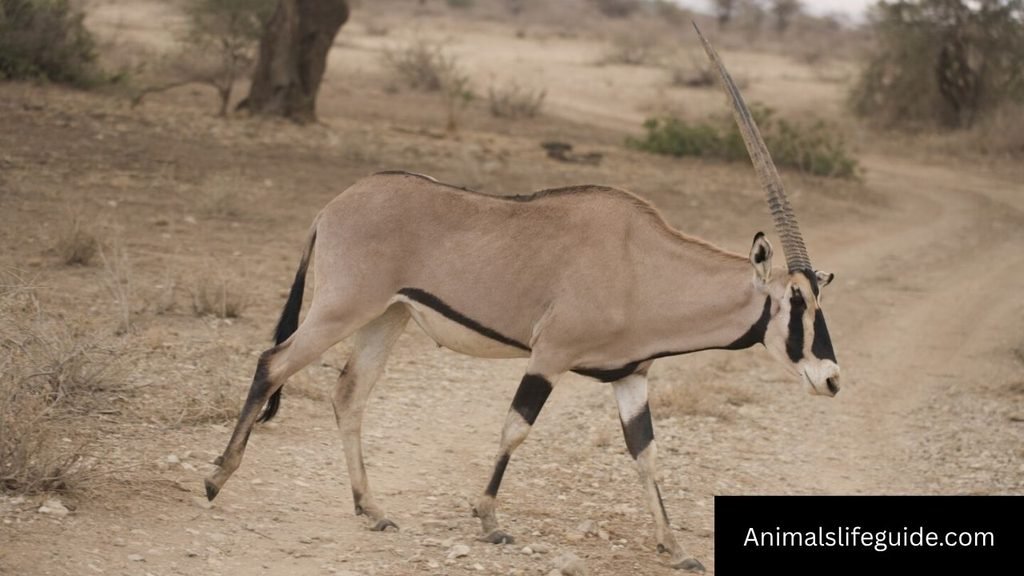
Social dynamics play an essential role in the life of the Beisa oryx. These animals are often found in small herds, which can range from a few individuals to more substantial groups during the breeding season. This social structure not only enhances their safety through collective vigilance but also fosters intricate hierarchical behaviors that are fascinating to observe. Field researchers have noted that the Beisa’s communication involves a variety of vocalizations and body postures, enabling them to maintain cohesion within their groups and alert one another to potential threats, such as predators lurking in the grasslands. This blend of adaptability and sociality highlights the intricate balance of survival tactics employed by the Beisa oryx in the face of environmental challenges.
Mountain Reedbuck
Scientific Name: Redunca fulvorufula
Class: Mammalia
Diet: Herbivore
The Mountain Reedbuck, a graceful antelope native to the mountainous regions of Southern Africa, is as fascinating in behavior as it is in appearance. Standing around 70–90 cm tall at the shoulder, this species exhibits a striking coat of reddish-brown fur that helps it blend seamlessly into the rocky terrain. Their long, slender legs allow them to navigate steep slopes with agility, while their keen eyesight and acute hearing make them adept at spotting predators from a distance. Interestingly, males are equipped with small, twisted horns that can reach up to 30 cm; they utilize these not just for defense, but also in social displays to establish dominance during rutting seasons.
One of the most captivating aspects of Mountain Reedbuck is their preference for high-altitude habitats, often found grazing on the grasslands and open slopes at elevations up to 3,000 meters. Unlike many other antelope species, they exhibit a unique form of cryptic behavior; when alarmed, they may remain motionless for extended periods, relying on their camouflage to evade detection. Their social structure is equally intriguing — typically forming small groups or pairs, these antelopes take on a semi-solitary lifestyle, especially the males, which helps reduce competition for resources in their challenging environment. This specialized existence makes the Mountain Reedbuck not only a symbol of resilience but also a reminder of the delicate balance within its mountainous ecosystem.
Kob
Scientific Name: Kobus kob
Class: Mammalia
Diet: Herbivore
Kobs are fascinating members of the antelope family, primarily found in the wetlands of East Africa. These medium-sized ungulates exhibit a striking balance of grace and agility, often seen leaping with impressive bounds to evade predators. Unlike many other antelope species, kobs are notable for their strong social structures. They typically form large herds, which can number in the hundreds, allowing them to protect one another through collective vigilance.
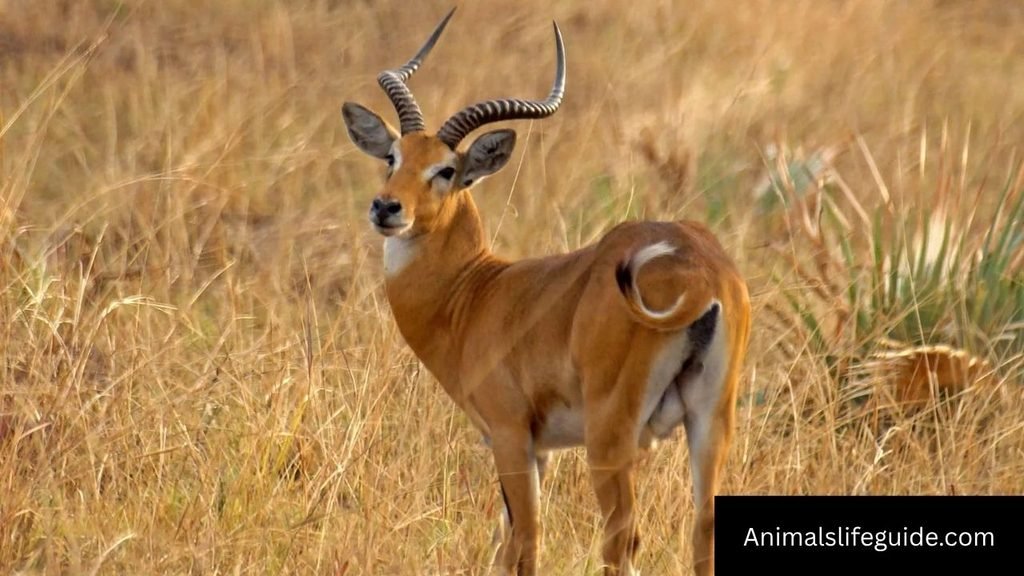
The kob’s diet primarily consists of grasses and succulent vegetation, making them essential contributors to their ecosystem. By grazing, they help maintain the balance within their habitats, which in turn supports a variety of other wildlife. Interestingly, male kobs develop prominent horns that can reach up to 80 centimeters long, and these horns are not just for show; they are crucial for establishing dominance during the breeding season. Observing these animals in their natural habitat offers a glimpse into the intricate social dynamics and survival strategies that define life in the wetlands.
Grysbok
Scientific Name: Raphicerus spp.
Class: Mammalia
Diet: Herbivore
The Grysbok, a small antelope native to southern Africa, exemplifies nature’s hidden wonders. Weighing only about 20 to 30 pounds, these elusive creatures pack a surprising amount of charm into their petite frames. Known for their shy demeanor, Grysboks are typically solitary or found in pairs, blending seamlessly with their surroundings thanks to their exceptional camouflaging abilities. With coats marked by a mixture of reddish-brown and gray, they can often be spotted in the underbrush only if you’re truly paying attention.
One fascinating aspect of Grysboks is their unique social behavior. Unlike many other antelopes, they possess no distinct male-dominance hierarchy. Instead, both genders maintain territorial markings, indicating a more egalitarian approach within their species. They also exhibit a rather clever feeding strategy; feeding mainly during cooler parts of the day, they utilize their keen eyesight to detect potential dangers while staying true to their herbivorous diet of grasses and shrubs. Observing these unassuming animals in the wild offers a reminder of the delicate balances found in nature, where simplicity often conceals remarkable complexity.
Tsessebe
Scientific Name: Damaliscus lunatus
Class: Mammalia
Diet: Herbivore
The tsessebe, a striking antelope found primarily in southern Africa, is a marvel of adaptation and agility. Distinguished by its sleek, elongated body and unique facial markings, the tsessebe is one of the fastest antelopes, capable of reaching speeds up to 70 km/h (around 43 mph). This impressive speed not only aids in escaping predators but also plays a crucial role in their social dynamics — when threatened, tsessebes display a fascinating behavior known as “stotting,” where they leap high into the air to convey their fitness, potentially deterring would-be hunters.
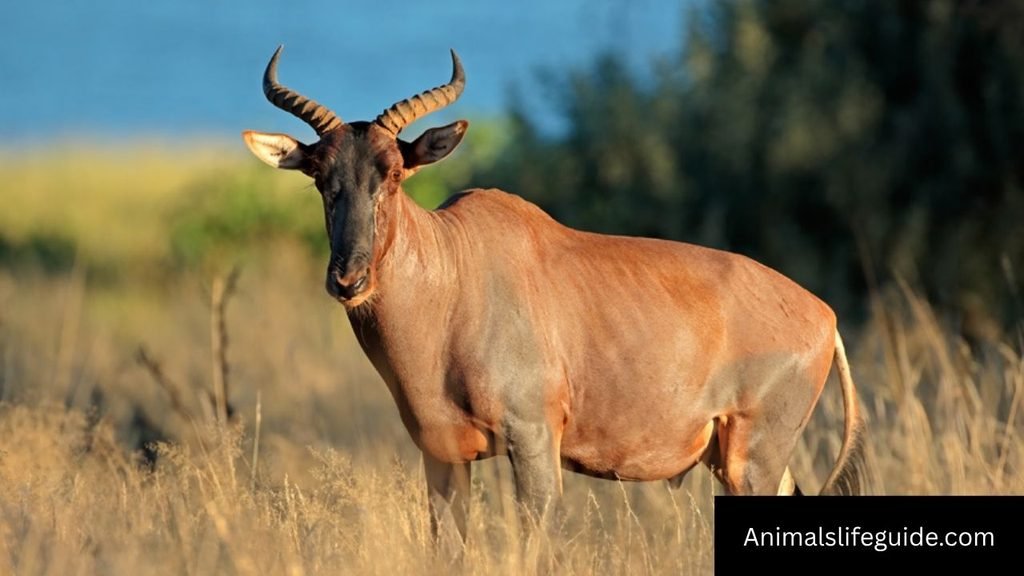
Socially, tsessebes are intriguing creatures. They form small herds, typically led by a dominant male, and exhibit strong bonds within groups, particularly mothers with calves. Interestingly, their preferred habitat includes floodplains and savannas, where they can graze on grasses. This choice of terrain not only provides ample food but also ensures easy access to water — an essential aspect of their survival in the often arid landscapes they inhabit. Tsessebes play a vital role in their ecosystem, as their grazing habits help maintain the health and balance of their environment by promoting new grass growth while managing vegetation.
Eland
Scientific Name: Taurotragus oryx
Class: Mammalia
Diet: Herbivore
Elands, the largest of the antelope family, are fascinating creatures with a remarkable set of adaptations. Native to the savannas and grasslands of Africa, these gentle giants can weigh up to 2,200 pounds and stand nearly six feet tall at the shoulder. One of their most striking features is their spiral horns, which can grow up to 3 feet long in males and curve majestically as if drawing spirals in the air. Adding to their allure, both male and female elands possess the ability to leap up to eight feet high — an astonishing feat for an animal of their size!
Unlike most antelope, elands exhibit a unique social structure that revolves around fluid herding dynamics. They form loose, temporary groups that can shift in size, allowing them to adapt to the availability of resources in their environment. Their social flexibility is complemented by an interesting characteristic: elands often graze in a manner that minimizes competition, using their keen sense of smell to locate food patches and avoid overgrazing specific areas. This not only benefits their own survival but also promotes the health of the ecosystem they inhabit, showcasing their role as both grazers and caretakers of the savanna landscape.
Cape Grysbok
Scientific Name: Raphicerus melanotis
Class: Mammalia
Diet: Herbivore
The Cape Grysbok, a fascinating little antelope native to the fynbos regions of South Africa, exemplifies nature’s knack for adaptation. Standing only about 50 centimeters tall at the shoulder, this petite herbivore is a master of camouflage, using its brown, speckled coat to blend seamlessly into the underbrush. What’s particularly intriguing about the Cape Grysbok is its solitary nature; unlike many antelopes that form herds, it prefers a more isolated existence, which helps minimize competition for resources and evade potential predators.
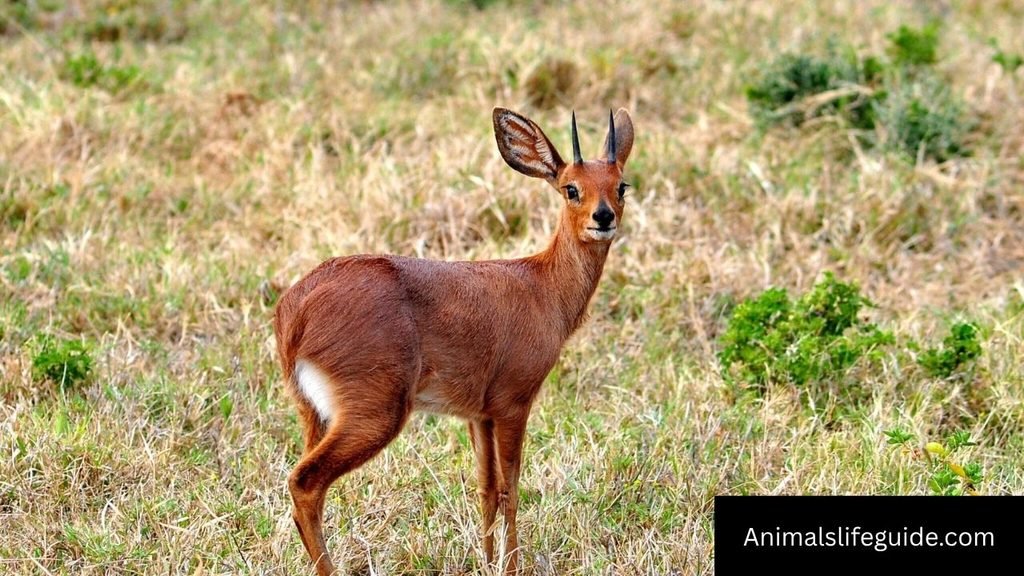
In addition to its elusive demeanor, the Cape Grysbok exhibits intriguing behavioral traits. During the breeding season, males become particularly territorial, marking their domains with scent markings and engaging in fierce fights with rivals. However, they remain shy creatures overall, relying on their exceptional hearing and keen sense of smell to alert them to dangers lurking nearby. Their diet predominantly consists of leaves, fruits, and grasses found in their unique fynbos habitat, illustrating how specialized adaptations can promote survival in specific ecosystems. Each sighting of this diminutive antelope offers a reminder of the delicate balance maintained within its environment, highlighting the need for conservation efforts to protect such unique species.
Readmore: Top 15 Animals That Eat Celery.
Final Thoughts
African animals with horns stand as remarkable examples of the natural world’s complexity and beauty. Their unique horns serve various purposes, from defense to attracting mates, highlighting the intricate relationships within the ecosystem. By understanding the importance of these animals, we can appreciate the roles they play in maintaining biodiversity across the continent. However, many of these species face significant challenges due to human activities, making it imperative for us to advocate for their protection. Together, we can support conservation initiatives that safeguard these extraordinary animals and secure their future in the wild.