Top 14 Small Terrarium Pets (With Pictures)
Small terrarium pets are the perfect solution for apartment dwellers and space-savers alike. This article delves into the intriguing world of these miniature creatures and the low-maintenance ecosystems they inhabit. You’ll learn about various species that thrive in terrariums, their care needs, and how they can add a touch of tranquility to your home.
List of Small Terrarium Pets
Below is the list of small terrarium pets in the world:
- Mourning Geckos
- Web Footed Geckos
- Tree Frogs
- Isopods
- Poison Dart Frogs
- Leopard Gecko
- Blue Death-Feigning Beetle
- Tarantulas
- Pacman Frogs
- Vampire Crab
- Scorpions
- Crested Gecko
- Millipedes
- Praying Mantis
Mourning Geckos
Scientific Name: Lepidodactylus lugubris
Class: Reptilia
Diet: Omnivorous
Mourning geckos are the perfect addition to your small terrarium, captivating not only with their unique appearance but also with their intriguing behaviors. Known for their ability to reproduce parthenogenetically, these remarkable lizards can thrive in a small environment without the need for a male companion. This adaptation makes them particularly intriguing for hobbyists, as a single female can flourish and create an oddly engaging community in your terrarium.
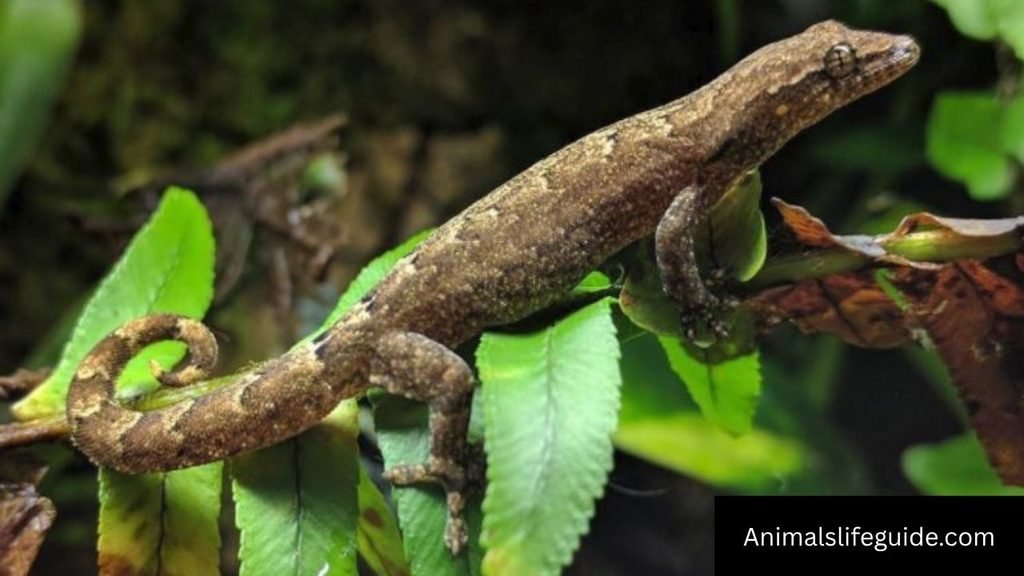
Their vibrant colors and subtle patterns add an aesthetic charm to any setup, while their relatively low maintenance needs make them an ideal pet for both beginners and seasoned enthusiasts alike. Mourning geckos are also known for their curious nature, often seen climbing on foliage and basking in warm spots, bringing life and movement to your miniature ecosystem. With their hardy instincts and fascinating social behaviors, these geckos not only serve as a pet but also as a living lesson in resilience and adaptability.
Web Footed Geckos
Scientific Name: Pachydactylus rangei
Class: Reptilia
Diet: Insectivorous
Web-footed geckos are a fascinating choice for terrarium enthusiasts, offering both unique aesthetics and captivating behaviors. These small reptiles, native to arid regions of Africa, boast webbed toes that aid in their remarkable climbing abilities, allowing them to navigate their vertical habitats with ease. Their vibrant colors and intricate patterns not only make them visually stunning but also serve as a form of camouflage in their natural surroundings.
In a terrarium setting, creating a microhabitat that mimics their native environment is essential to their well-being. Incorporating features like rocky surfaces, moist hides, and small plants can stimulate their natural behaviors, encouraging them to explore and thrive. Furthermore, their fascinating feeding habits can be a real showstopper; they often catch small insects mid-air, a spectacle that can captivate any observer. By providing the right environment and diet, web-footed geckos can become not only beautiful pets but also a window into the wonders of reptilian life.
Tree Frogs
Scientific Name: Hylidae
Class: Amphibia
Diet: Carnivorous
Tree frogs make fascinating terrarium pets, captivating enthusiasts with their striking colors and lively personalities. Their unique adaptations, such as specialized toe pads for climbing and extraordinary vocalizations, add a dynamic layer to the terrarium experience. Keeping tree frogs requires an understanding of their natural habitat, which can lead to vibrant, lush setups that mimic the wet, tropical environments they thrive in. This not only benefits the frogs but also creates a stunning focal point in any room.
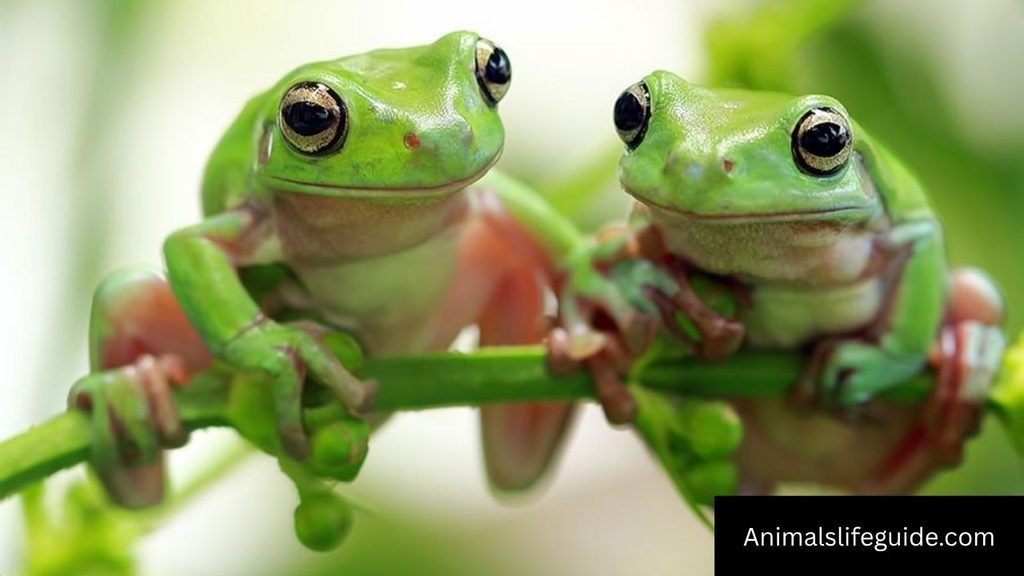
Beyond their aesthetic appeal, tree frogs can be surprisingly social creatures. Observing their interactions can offer a deeper insight into their behaviors and moods, making daily care an engaging routine. Their varied species provide a palette of choices for potential owners, from the vibrant Green Tree Frog to the industrious Red-Eyed Tree Frog, each showcasing their own quirky traits. As a bonus, introducing live plants and natural substrate enhances the ecosystem within the terrarium, inspiring a deeper connection with the environment and the delicate balance required to maintain it. Cultivating a terrarium for tree frogs is not just about housing pets; it is an invitation into the wonder of nature right in your living space.
Readmore: Explore Top 40 Animals With 4 Letters.
Isopods
Scientific Name: Armadillidium vulgare
Class: Malacostraca
Diet: Detritivorous
Isopods, often referred to as “roly-polies” or “pillbugs,” are emerging as fascinating companions in the world of terrarium pets. These little crustaceans are not just cute; they play a critical role in maintaining the health of your terrarium ecosystem. With their ability to break down organic matter, isopods act as nature’s clean-up crew, ensuring that your mini-garden remains tidy and balanced. Imagine watching them scuttle around, turning decomposing leaves into nutrient-rich soil, all while providing a captivating contrast to the lush greenery of your terrarium.
One of the most delightful aspects of keeping isopods is their variety. From the vibrant colors of the brightly patterned rubber ducky isopods to the striking hues of the orange pangolins, there’s an entire spectrum to choose from, each offering a unique aesthetic. Moreover, their low-maintenance nature paired with their intriguing behaviors — such as communal burrowing or quick retreat into their shells when startled — transforms your terrarium into a lively spectacle. Observing these tiny creatures bustles with activity will deepen your connection to nature and inspire a new appreciation for the smaller, often overlooked, members of our ecosystem.
Poison Dart Frogs
Scientific Name: Dendrobatidae spp.
Class: Amphibia
Diet: Insectivorous
Poison dart frogs are not only captivating for their vibrant colors but also for their fascinating adaptations. These tiny amphibians, native to the rainforests of Central and South America, derive their potent toxins from the diet of specific insects such as ants and termites. This remarkable relationship highlights the delicate balance of ecosystems — remove a crucial insect, and you might inadvertently diminish the frogs’ intriguing defense mechanisms. In captivity, however, these frogs lose their toxicity due to their restricted and altered diet, presenting an opportunity for pet owners to care for them without the fear usually associated with their poisonous status.
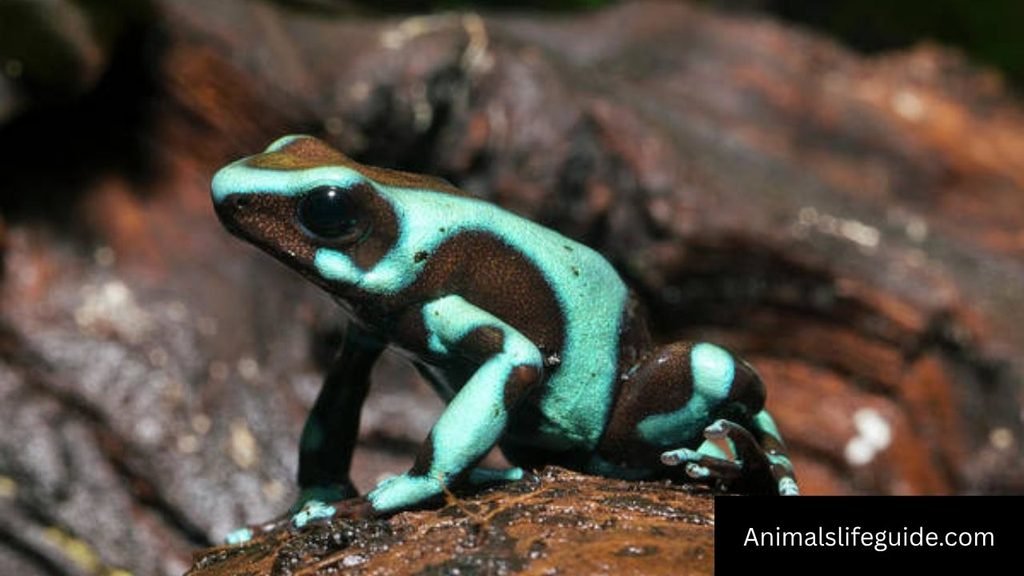
Keeping poison dart frogs as terrarium pets offers a unique chance to observe their social behaviors and territorial displays. These frogs thrive in small groups, showcasing complex interactions often overlooked in solitary species. A well-planned terrarium environment can mimic their natural habitat, featuring plants, humidity, and proper temperature control, thus encouraging natural behaviors. Not only does this contribute to their wellbeing, but it also allows enthusiasts to witness the vibrant courtship rituals that echo the colorful artistry found in their wild counterparts. As you cultivate this mini ecosystem, consider how every element — from the substrate to the humidity — plays a critical role in fostering a thriving habitat for these mesmerizing creatures.
Leopard Gecko
Scientific Name: Eublepharis macularius
Class: Reptilia
Diet: Insectivorous
Leopard geckos are not just strikingly beautiful with their vibrant yellow and black patterns; they also have fascinating behavioral traits that make them unique companions. Unlike many reptile species, these lizards are nocturnal, meaning they thrive in the evening when they exhibit playful and curious behaviors, making for an entertaining display in a terrarium setting. Their ability to shed their tails as a defense mechanism adds another layer of intrigue, as they can regenerate a new tail, albeit not as vividly colored.
They have surprisingly varied diets that can excite any terrarium enthusiast. While crickets and mealworms often dominate their diet, leopard geckos can also enjoy the occasional fruit smoothie made from pureed fruits, providing a surprising twist to their nutrition. These resilient reptiles can live for upwards of 20 years in captivity with proper care, forming long-lasting bonds with their owners. This longevity offers a unique opportunity to build a connection, often leading to endearing behaviors, like tail-waving to greet their keepers, showcasing their personality beyond that of a typical pet.
Blue Death-Feigning Beetle
Scientific Name: Asbolus verrucosus
Class: Insecta
Diet: Omnivorous/detritivorous
The Blue Death-Feigning Beetle, native to the arid regions of the Southwestern United States, is a fascinating terrarium inhabitant that captivates with its striking cobalt coloration and unique behavior. Unlike many insects, this beetle possesses the remarkable ability to play dead — a defense mechanism that both confounds predators and piques the curiosity of observers. When threatened, it will dramatically fall over, curling up its legs, which can be both an entertaining and educational experience for terrarium enthusiasts.
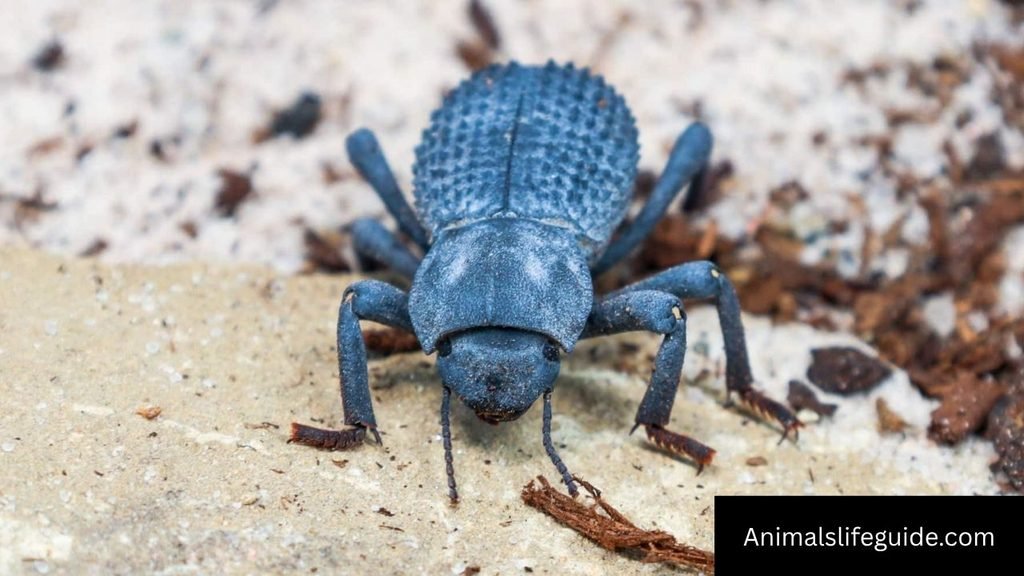
Caring for these beetles presents an engaging opportunity for hobbyists to explore the delicate balance of an ecosystem. They thrive on a diet primarily of decomposing organic matter, such as leaf litter and rotting wood, making them excellent recyclers in a terrarium setup. Their presence not only adds vibrant color but also plays a vital role in aerating the soil and breaking down waste, enhancing the health of the entire environment. Observing their habits can deepen one’s appreciation for the intricate relationships within terrarium ecosystems, reminding us of the hidden wonders that thrive beneath the surface.
Tarantulas
Scientific Name: Theraphosidae spp.
Class: Arachnida
Diet: Carnivorous
Tarantulas, often misunderstood due to their intimidating appearance, are fascinating terrarium pets that offer a unique glimpse into the world of arachnids. With over 1,000 species worldwide, these creatures exhibit a stunning variety of colors, sizes, and temperaments. For instance, the Gooty Sapphire Ornamental Tarantula, with its vivid blue hue, is a testament to the beauty found in diversity. Unlike traditional pets, tarantulas don’t require constant attention or interaction, making them ideal for those seeking low-maintenance companions.
A common misconception is that tarantulas are dangerous, but most species are far less aggressive than their reputation suggests. Many tarantulas prefer to retreat rather than confront threats, using their venom primarily for subduing prey. Moreover, their unique molting process — where they shed their exoskeletons — offers a captivating glimpse into their growth and resilience. This fascinating transformation can be as mesmerizing as watching them spin silk or hunt, making tarantulas not just pets but a source of endless curiosity for their owners.
Pacman Frogs
Scientific Name: Ceratophrys spp.
Class: Amphibia
Diet: Carnivorous
Pacman frogs, with their round bodies and vibrant colors, are not just visually striking but also fascinating in their behaviors and care requirements. These amphibians are known for their voracious appetites, with some capable of devouring prey that is almost the same size as their own bodies! This unique feeding habit highlights their opportunistic nature, and it’s essential for owners to provide a varied diet rich in protein, including insects, small rodents, and occasionally even fish.
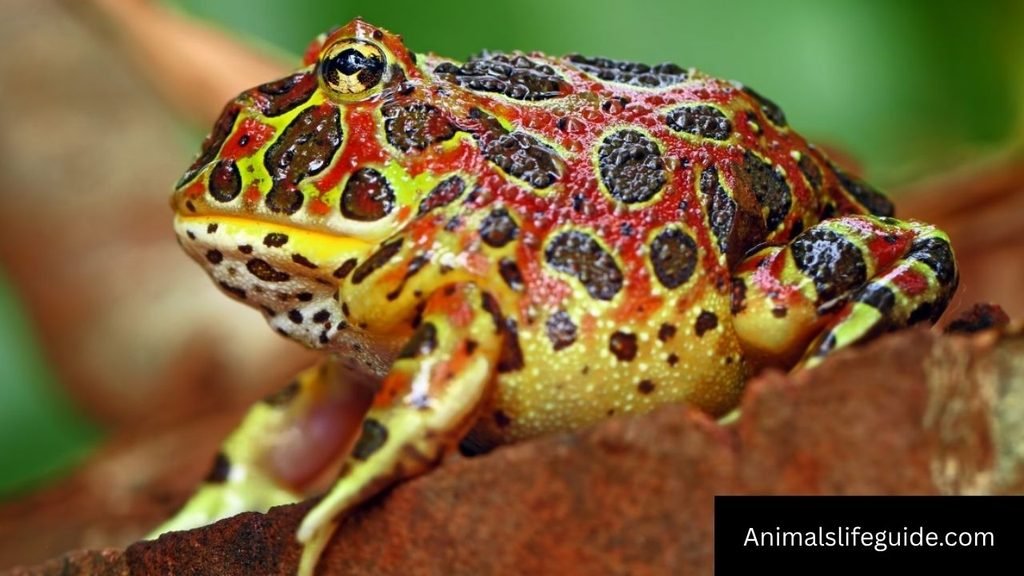
What sets Pacman frogs apart is their remarkable adaptation to their environment. Originating from the rainforests of South America, they thrive in high humidity levels, making moisture control crucial in a terrarium setting. Not just simple pets, they also exhibit interesting defensive behaviors, such as puffing up and camouflaging themselves among leaf litter when threatened. By creating a rich, naturalistic habitat complete with hiding spots, owners can enhance their frogs’ well-being while enjoying their captivating, often playful interactions. Embracing the challenge of maintaining this delicate balance can lead to a rewarding experience, deepening the bond between pet and owner.
Vampire Crab
Scientific Name: Geosesarma dennerle
Class: Malacostraca
Diet: Omnivorous
Vampire crabs, with their striking colors and unique personalities, are captivating additions to any terrarium. Hailing from the dense forests of the Asian tropics, these small, terrestrial crabs thrive in humid environments, making them perfect for a well-planned terrarium ecosystem. Unlike typical aquatic crabs, they exhibit fascinating behaviors, such as climbing and burrowing, which add a dynamic element to their habitat. Their ability to breathe air allows them to explore both land and shallow water, creating an engaging environment for observers.
These crabs are not just a pretty face; they have intriguing social behaviors as well. Often displaying territoriality, vampire crabs will establish their own spaces within the terrarium and communicate through a series of gestures and movements. This fascinating social dynamic can be a source of endless contemplation for those keen on understanding animal behavior. Furthermore, providing a mix of land and water elements encourages natural foraging habits, keeping them mentally stimulated. With a little creativity, you can design a vibrant ecosystem that mirrors their native habitat, offering insights into the delicate balance of life within your very own miniature world.
Scorpions
Scientific Name: Scorpiones spp.
Class: Arachnida
Diet: Carnivorous
Scorpions, often viewed as the ultimate symbol of the exotic pet world, are far more than just their intimidating appearance. These arachnids come in various species, with the emperor scorpion being the most popular in the pet trade. What many don’t know is that these creatures can exhibit fascinating behaviors, like communication through subtle vibrations and the use of their pincers in elaborate courtship rituals. Observing these behaviors can offer insights into their social structures, challenging the notion that scorpions are solitary and antisocial.
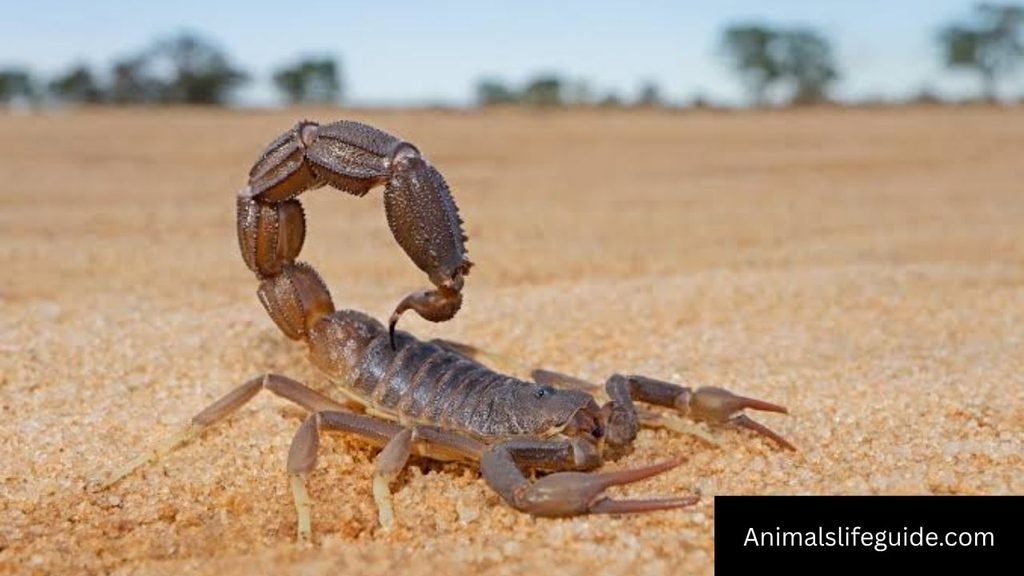
Creating a terrarium for scorpions provides a unique opportunity to mimic their natural habitat while understanding their ecological needs. A well-planned setup with a mix of sand, hiding spots, and a controlled humidity level not only keeps them healthy but also allows for a visually stunning display. Moreover, scorpions play a vital role in the ecosystem by controlling insect populations, making their presence in a terrarium not just a fascination but a meaningful addition to the environment. With the right care, these captivating creatures can live up to 8 years, rewarding devoted owners with a long-term, low-maintenance companionship that intrigues and educates.
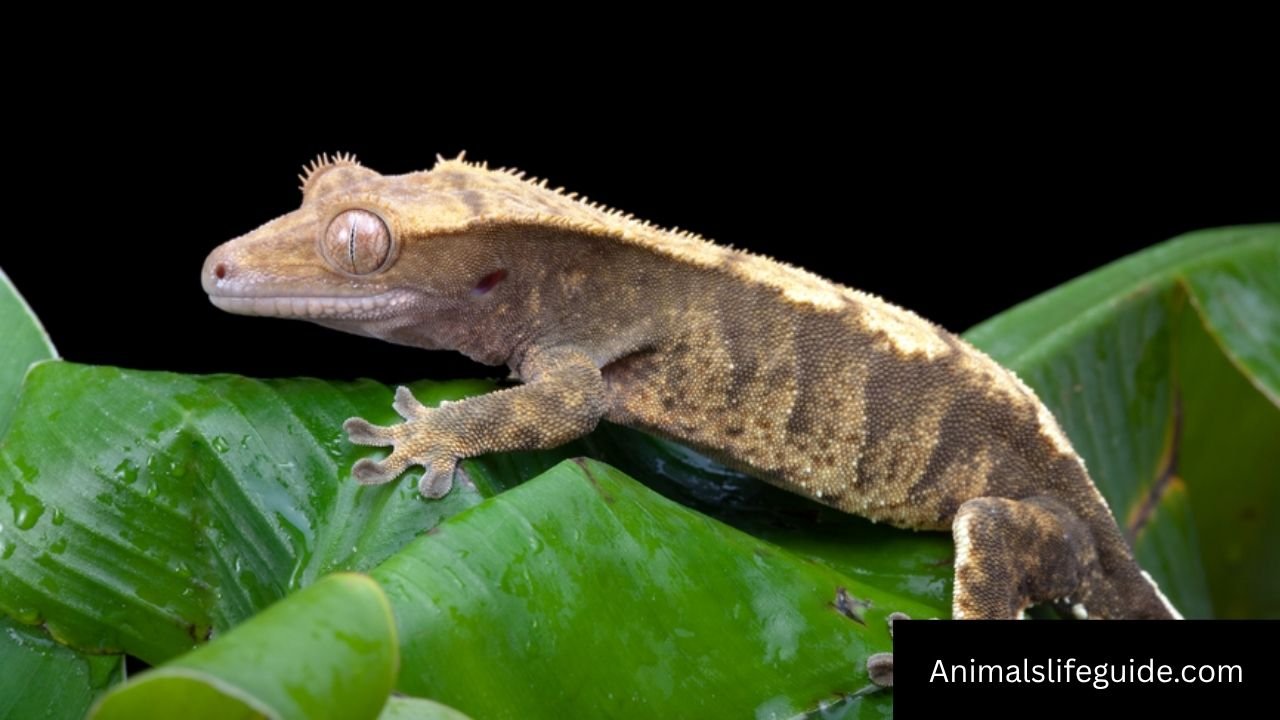
Crested Gecko
Scientific Name: Correlophus ciliatus
Class: Reptilia
Diet: Omnivorous
Crested geckos, known for their vibrant colors and expressive personalities, make fascinating terrarium pets for both beginners and experienced reptile enthusiasts. One of the most captivating aspects of these geckos is their unique ability to “drop” their tails as a defense mechanism. While this might sound alarming, it allows them to escape predators, with the tail eventually regrowing, albeit not to its original form. This adaptability symbolizes resilience, making them a compelling choice for those looking to connect with a creature that embodies survival.
In terms of care, crested geckos thrive in environments that mimic their natural habitat, lush with humidity and vegetation. They’re nocturnal, employing their large, expressive eyes to navigate their terrarium in the dark, which adds an element of intrigue for owners who might enjoy evening observations. Their diet is surprisingly straightforward; these geckos consume commercial powdered diets mixed with water, alongside occasional fruits, reducing the complexity often associated with pet care. Engaging with a crested gecko can also reveal individual personalities, as some enjoy gentle handling while others prefer to observe from a distance, showcasing a delightful spectrum of behavioral traits that invites deeper interaction.
Millipedes
Class: Diplopoda
Diet: Detritivorous
Millipedes are fascinating terrarium pets that offer a unique glimpse into the world of detritivores — organisms that play a pivotal role in breaking down organic matter. With their elongated, segmented bodies adorned with countless legs, these creatures may appear intimidating at first glance. However, they are peaceful and low-maintenance, making them ideal for beginners or those seeking a more serene pet experience. Unlike their more active counterparts, millipedes engage in a slow-paced lifestyle, allowing observers to truly appreciate their intricate movements and behaviors.
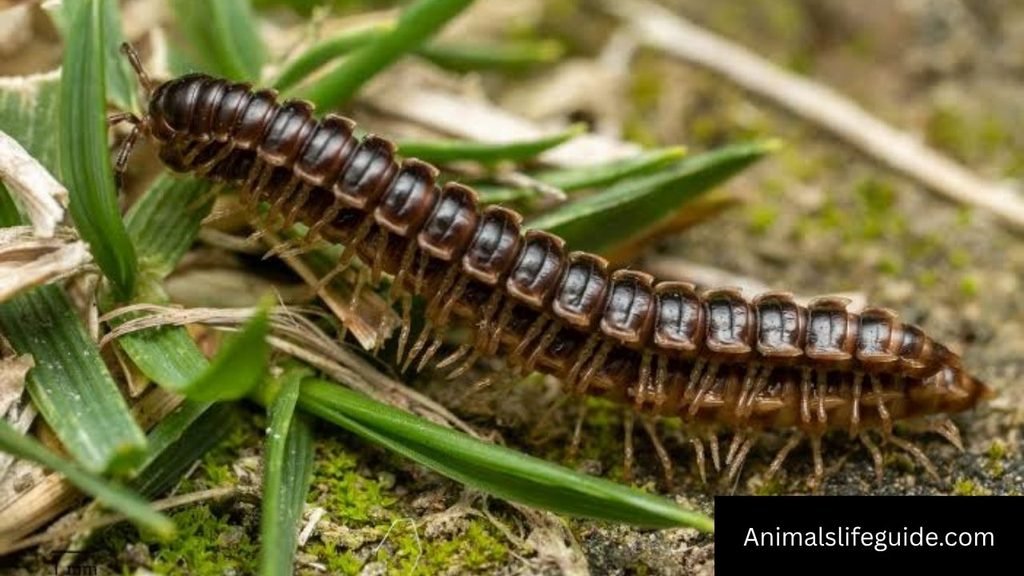
Interestingly, millipedes possess the remarkable ability to self-defense through chemical secretion. When threatened, many species release a toxic liquid that can deter predators while also serving as a fascinating topic of conversation for terrarium enthusiasts. Their diet primarily consists of decaying plant materials, which not only aids in the ecosystem but also enriches the soil within the terrarium. By choosing to keep millipedes, you’re not just acquiring a pet; you’re inviting a little slice of ecological balance into your home. Plus, their gentle nature and captivating presence can inspire a deeper appreciation for the smaller creatures that often go unnoticed in our everyday lives.
Praying Mantis
Scientific Name: Mantodea spp.
Class: Insecta
Diet: Carnivorous
Praying mantises are not just intriguing backyard visitors; they make captivating terrarium pets with their unique behaviors and striking appearance. These formidable insects exhibit a variety of colors and sizes, with species such as the Chinese mantis boasting vibrant green hues that enhance any terrarium landscape. Their large, compound eyes and triangular heads allow them to survey their surroundings with precision, making them fascinating subjects for observation. Watching a mantis as it stealthily stalks its prey offers a glimpse into the sophisticated hunting techniques these creatures employ, showcasing their role as both predator and pet.
One of the most engaging aspects of keeping praying mantises is their surprisingly interactive nature. Despite being solitary creatures, they can display distinct personalities, ranging from curious to surprisingly docile. Handling them gently can lead to unique bonding experiences, and their ability to recognize their owners adds an element of charm to your pet-keeping journey. Mantises are relatively low-maintenance, thriving in well-planted terrariums that mimic their natural habitat. This makes them not only a great choice for insect enthusiasts but also a perfect gateway pet for anyone looking to explore the world of small-scale animal care.
Readmore: Explore Top 21 Animals With Long Names.
Final Thoughts
Small terrarium pets present an exciting opportunity for pet enthusiasts and nature lovers alike to explore biodiversity on a smaller scale. Their manageable size makes them perfect for individuals living in apartments or homes with limited space, while also providing an educational experience. From setting up the environment to observing their behaviors, these pets can foster a deeper appreciation for wildlife. Plus, they are low-maintenance, making them ideal for busy lifestyles.