Top 28 Animals With Sharp Teeth (With Pictures)
In the realm of wildlife, animals with sharp teeth possess incredible adaptations that not only aid in their survival but also shape entire ecosystems. Understanding these predators can deepen our appreciation for nature’s design and the delicate balance of life. In this article, we’ll explore a variety of these fascinating creatures, revealing their hunting techniques, habitats, and the crucial roles they play in their environments.
List of Animals With Sharp Teeth
Below is the list of animals with sharp teeth:
- Snake
- Jaguar
- Orca
- Piranha
- Hyena
- Wolverine
- Barracuda
- Saber-Toothed Cat
- Lion
- Komodo Dragon
- Great White Shark
- Leopard
- Puma
- Bobcat
- Lynx
- Ocelot
- Serval
- Raccoon
- Gharial
- Gila Monster
- Moray Eel
- Tiger
- Crocodile
- Tasmanian Devil
- Alligator
- African Wild Dog
- Polar Bear
- Wolf
Snake
Scientific Name: Serpentes
Class: Reptilia
Diet: Carnivorous
Snakes exhibit a fascinating array of adaptations, with their sharp teeth playing a vital role in their survival. While many might envision the fearsome fangs of a venomous cobra or viper, it’s the intricate design of their dentition that truly captivates. Unlike mammals, snakes have a unique set of teeth that are designed for grasping and swallowing rather than chewing. Their curved, backward-facing teeth ensure that prey, once captured, cannot escape — a highly effective evolutionary strategy that has allowed them to thrive in diverse habitats worldwide.
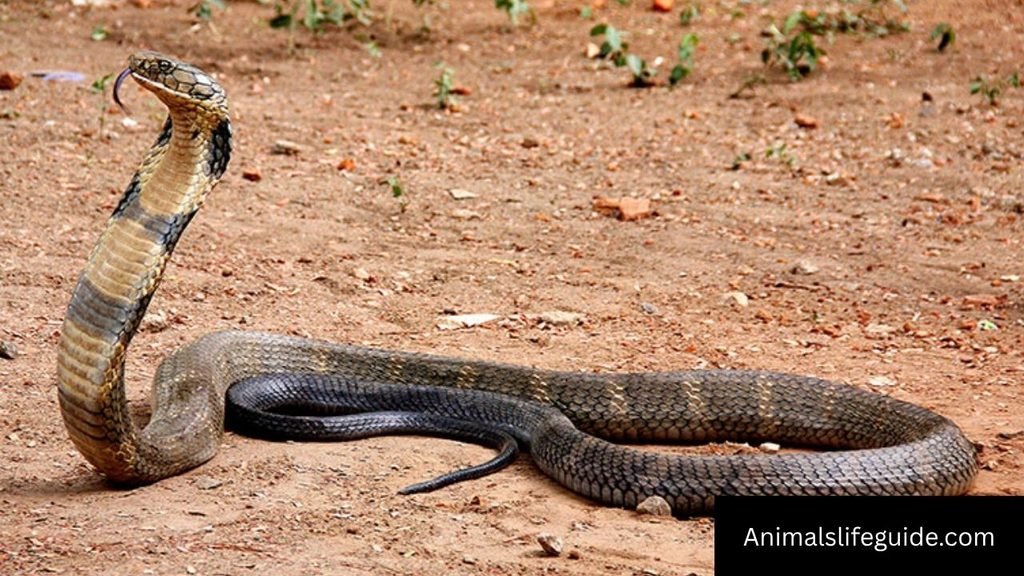
Interestingly, some species, like the infamous Eastern Diamondback rattlesnake, not only possess venomous fangs but also employ their sharp teeth for a secondary purpose: combat. During a defensive encounter, these snakes can inflict lethal bites while simultaneously using their keen sensory organs to gauge the threat level of their opponent. This duality underscores an impressive survival mechanism where sharpness meets agility. Whether clamping down on a struggling rodent or delivering a venomous bite, the role of a snake’s teeth extends far beyond mere predation, contributing to the balance of ecosystems they inhabit.
Jaguar
Scientific Name: Panthera onca
Class: Mammalia
Diet: Carnivorous
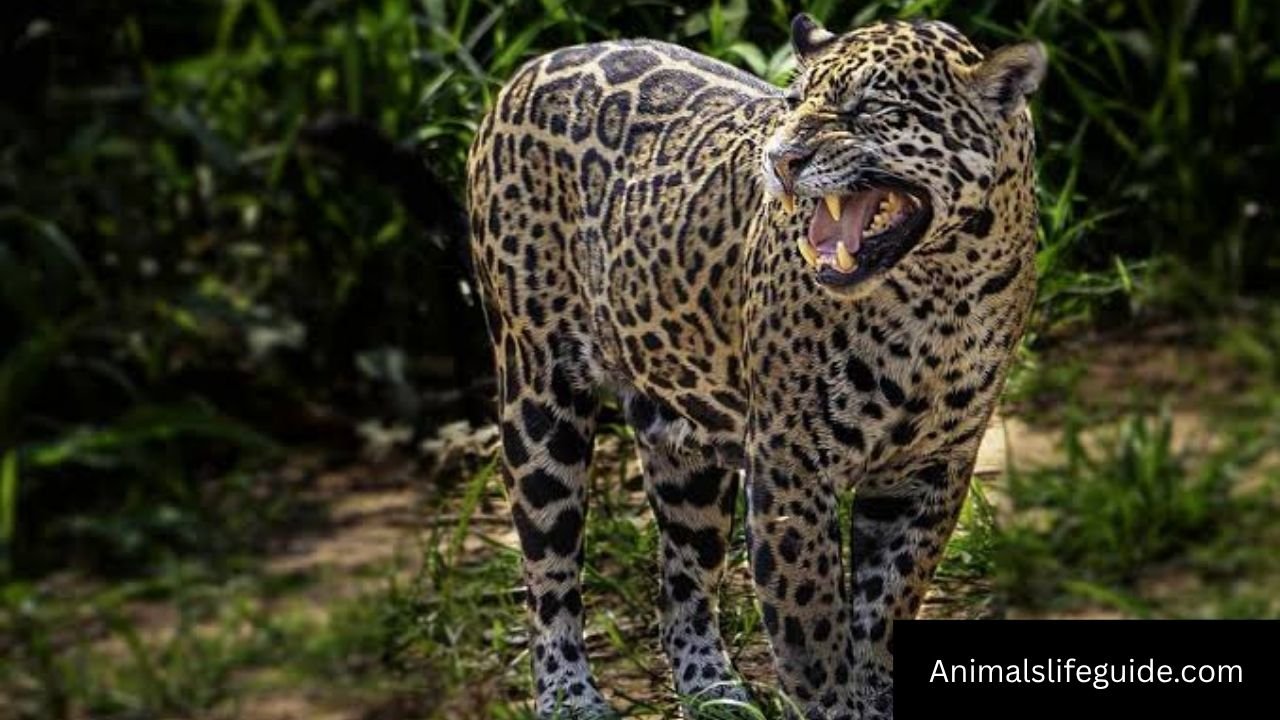
The jaguar, with its powerful jaws and sharp teeth, is a master of both stealth and savagery in the animal kingdom. Unlike many big cats, jaguars possess a unique dental advantage: their robust canines are not only designed for grasping and tearing but are also powerful enough to penetrate the shells of armored reptiles like turtles. This exceptional ability allows jaguars to tap into a diverse diet, making them formidable hunters in their lush rainforest and riverine habitats.
Beyond their physical prowess, jaguars embody a fascinating paradox. While their sharp teeth signify raw power, their hunting technique contrasts with the meerkat’s playground — it’s marked by stealth and calculated ambush rather than relentless pursuit. An intriguing aspect of their behavior is how they often drag their prey into the water, where their strong jaws can manage the arduous task of holding onto struggling victims, showcasing their blend of aquatic and terrestrial hunting skills. This adaptability speaks volumes about their evolutionary success and the critical role they play in maintaining ecological balance within their environments.
Orca
Scientific Name: Orcinus orca
Class: Mammalia
Diet: Carnivorous
The orca, or killer whale, is not just a formidable apex predator of the ocean; it also boasts one of nature’s most impressive dental arsenals. With up to 48 conical teeth, each capable of tearing through thick blubber and flesh, these teeth are perfectly adapted for their hunting techniques. Unlike many other marine mammals, orcas don’t chew their food; instead, their sharp teeth serve as efficient tools for gripping and tearing apart their prey, which includes seals, fish, and even other whales. This specialization not only showcases their evolutionary brilliance but also emphasizes their role as a key player in maintaining oceanic ecosystems.
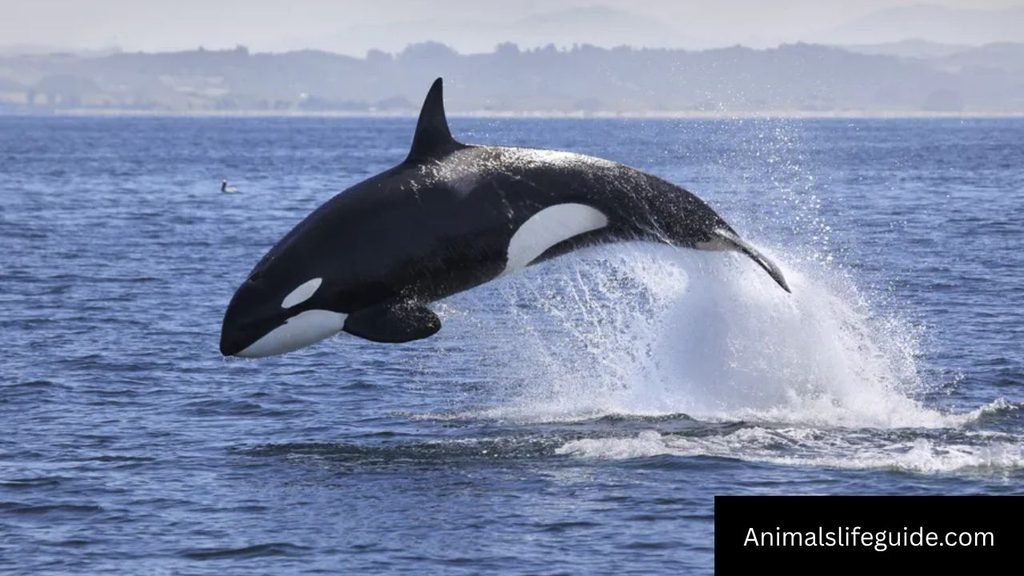
What’s fascinating is the social structure around these hunting tactics. Orcas often hunt in pods, using complex vocalizations and coordinated strategies to outmaneuver their prey. This teamwork reflects a level of intelligence and learning that goes beyond mere survival instincts. Each pod has its unique hunting styles and preferred prey, creating a rich tapestry of culture that adds depth to their sharp-toothed persona. The culture of hunting, combined with their physical prowess, makes orcas not just efficient predators, but also intricate social beings worthy of admiration and study.
Readmore: Explore Top 14 Small Terrarium Pets.
Piranha
Scientific Name: Pygocentrus nattereri
Class: Actinopterygii
Diet: Omnivorous
The piranha, often feared for its razor-sharp teeth, embodies both fascination and misunderstanding. With their triangular, serrated dentition, these fish have evolved to be efficient predators in the murky waters of South America. While popular culture tends to exaggerate their ferocity, piranhas are more than bloodthirsty hunters; they play a critical role in their ecosystem. Their sharp teeth aid in feeding on a variety of foods, including insects, plants, and even the carcasses of larger animals, contributing to nutrient cycling in their habitats.
Interestingly, piranhas exhibit social behavior that stands in stark contrast to their fierce reputation. They often gather in schools, showcasing a collective strength that enhances their hunting efficiency and offers protection against larger predators. This social dynamic highlights a level of cooperation and intelligence that many people overlook, turning the narrative of mindless killers into a story of survival and adaptation.
Hyena
Scientific Name: Crocuta crocuta
Class: Mammalia
Diet: Carnivorous
Hyenas, often misunderstood and unfairly maligned, possess a unique dental arsenal that sets them apart in the animal kingdom. Their teeth are not just sharp; they are evolutionary marvels designed for both strength and precision. The hyper-carnivorous diet of hyenas, primarily consisting of meat, requires these formidable canines to crack through bones and tear apart tough hides, showcasing their role as nature’s cleanup crew. With jaws capable of exerting immense pressure, hyenas are equipped to devour every part of a carcass, leaving little waste and contributing significantly to their ecosystem.
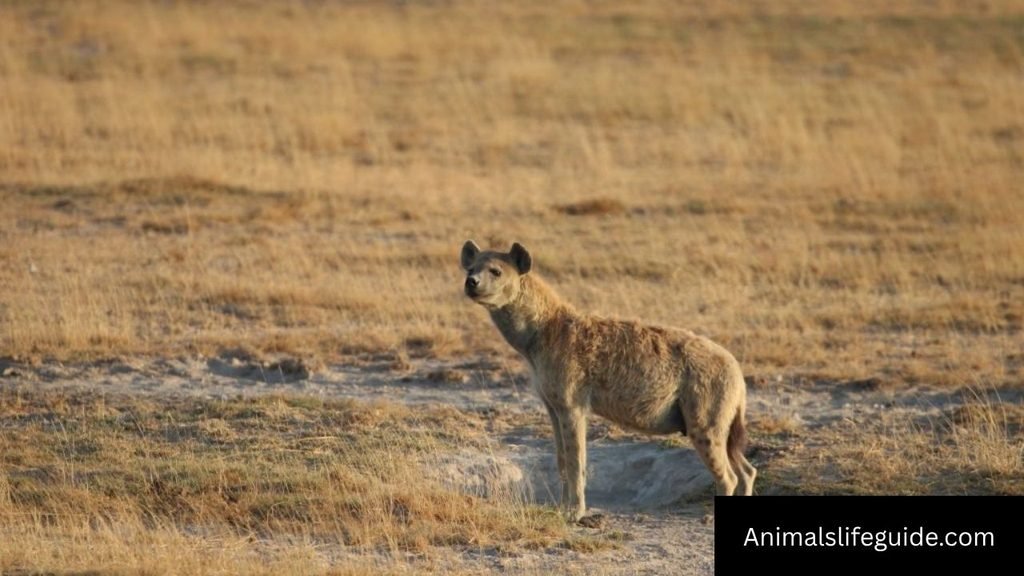
Beyond their impressive dentition, hyenas also display remarkable social structures that enhance their hunting prowess. Living in clans, they employ intricate teamwork during hunts, relying not only on their sharp teeth but also on vocal communication and strategic planning. This social intelligence adds layers to their reputation, presenting them as not just scavengers but skilled hunters capable of outsmarting larger predators like lions. The hyena’s fascinating blend of physical attributes and behavioral complexity invites us to reconsider their place in the animal hierarchy and appreciate their crucial role in maintaining ecological balance.
Wolverine
Scientific Name: Gulo gulo
Class: Mammalia
Diet: Carnivorous/omnivorous
Wolverines, often painted as the lone wolves of the animal kingdom, possess a set of teeth that tells a story of survival and resilience. Their sharp, sturdy canines are not just tools for tearing into flesh; they symbolize their role as tenacious scavengers and predators capable of taking down prey much larger than themselves. This ferocity helps them thrive in some of the harshest environments on Earth, from the icy tundras of the Arctic to dense coniferous forests.
What makes their dental arsenal particularly fascinating is its adaptability. While many animals rely on sheer size or speed, wolverines combine these sharp teeth with incredible stamina and strength, allowing them to exploit resources that others can’t. Their ability to gnaw through bone is a testament to their tenacity, enabling them to access nutrient-rich marrow during the winter months when food is scarce. This unique trait not only highlights their survival skills but also cements their place in the ecological balance — showcasing nature’s brilliance in crafting specialized adaptations for survival.
Barracuda
Scientific Name: Sphyraena barracuda
Class: Actinopterygii
Diet: Carnivorous
The barracuda, with its elongated body and fierce demeanor, is a striking example of predatory evolution within marine ecosystems. Known for its razor-sharp teeth that bear a striking resemblance to daggers, this fish exemplifies nature’s design for efficiency in hunting. The barracuda’s impressive speed, reaching up to 25 miles per hour, enhances its predatory prowess, allowing it to ambush unsuspecting prey with lethal precision. Its teeth, designed for gripping rather than chewing, help it secure slippery fish in a matter of seconds.
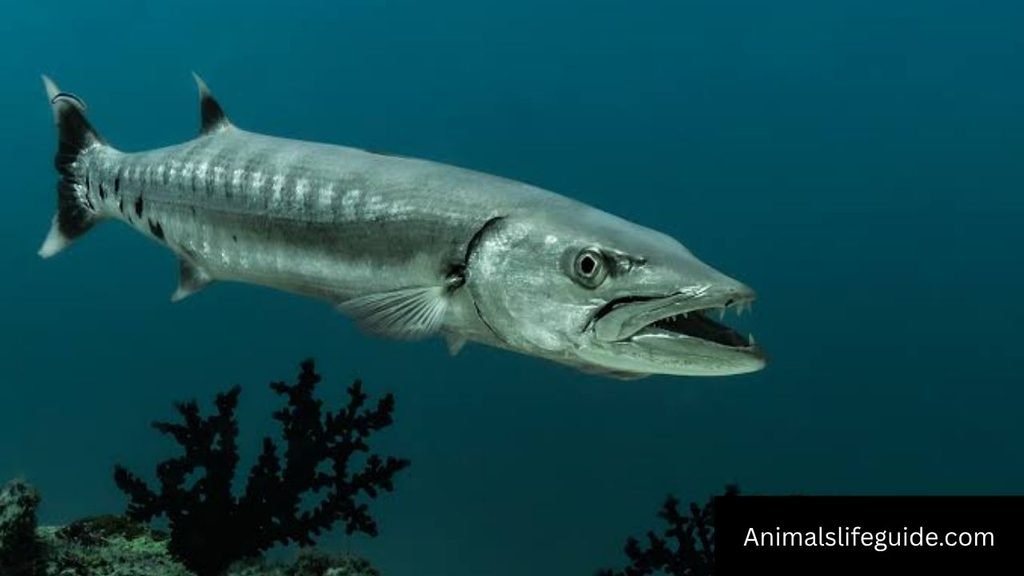
Interestingly, barracudas possess a unique social structure; they often hunt in loose groups, a behavior that has sparked debates among marine biologists about the advantages of collective hunting strategies. Observations reveal that these fish can communicate non-verbally, coordinating their movements to maximize their success. This aspect of their behavior highlights the complexity of marine life, opening avenues for further exploration into how social dynamics influence survival tactics in aquatic environments. The barracuda stands not only as a formidable predator but also as a fascinating subject for studying evolution and social behavior in the ocean’s depths.
Saber-Toothed Cat
Scientific Name: Smilodon spp.
Class: Mammalia
Diet: Carnivorous
The saber-toothed cat, often romanticized in pop culture, was more than just a fierce predator with oversized canines. These iconic teeth, which could grow to over 7 inches long, were designed for precision rather than brute force, allowing these majestic creatures to deliver swift, fatal bites to their prey. Surprisingly, their remarkable dental tools were not just for hunting; they likely played a role in social interactions, helping to establish dominance or facilitate mating displays within their species.
Unlike modern big cats, saber-toothed cats had a robust body structure, adaptable to various environments. This versatility allowed them to thrive in diverse habitats, from the icy landscapes of North America to the temperate zones of Europe. Their extinction, often attributed to climate change and a decline in large prey, offers a stark reminder of how vulnerable even the mightiest predators can be in the face of environmental shifts.
Lion
Scientific Name: Panthera leo
Class: Mammalia
Diet: Carnivorous
Lions, known as the kings of the jungle, possess a formidable set of teeth that play a crucial role in their survival. Their sharp, powerful canines can exceed four inches in length, designed not just for tearing flesh but also for delivering a decisive bite to their prey. This striking feature isn’t merely for show; it’s a vital adaptation that enables lions to efficiently hunt large herbivores in the savannas of Africa. When a lioness hunts in a pride, her teeth serve as tools of both precision and strength, ensuring that a kill is made swiftly and effectively.
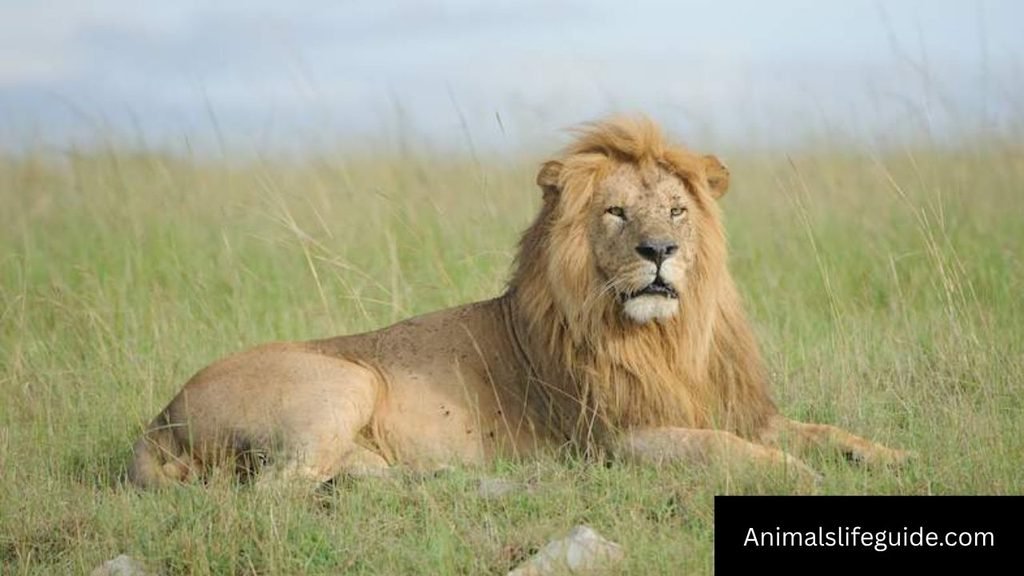
What’s fascinating is the social aspect of a lion’s hunting strategy, where their teeth become symbols of power and cooperation. The pride relies on its members to take down prey that is often much larger than any individual lion. The unity in hunting showcases not just physical prowess but also the strategic use of their sharp teeth in tandem with one another. Moreover, the tooth wear patterns seen in older lions can tell a story of their lives — the battles they’ve fought and the territories they’ve claimed, reflecting a history written in their very anatomy. The lion’s sharp teeth are more than tools for survival; they embody the essence of their role as both hunters and social animals.
Komodo Dragon
Scientific Name: Varanus komodoensis
Class: Reptilia
Diet: Carnivorous
The Komodo dragon, a colossal lizard native to the islands of Indonesia, wields a mouthful of sharp teeth that are as fearsome as they are fascinating. Unlike the smooth-edged teeth of many predators, the serrated, knife-like teeth of the Komodo are designed for ripping through flesh, making it a masterful scavenger as well as a formidable hunter. This adaptation allows it not only to capture live prey but also to feast on carrion, which forms a significant part of its diet.
What sets the Komodo dragon apart is not just its size or its impressive dental arsenal but also its unique method of hunting. Rather than ambushing prey with sheer speed, it relies on stealth and patience, often stalking its target until it’s close enough to strike. Once it sinks its teeth into its victim, a cocktail of venomous saliva enters the wound, influencing blood clotting and inducing shock. This strategic combination of brute strength and biological craftsmanship reveals the sophisticated survival strategies developed by these ancient reptiles over millennia. In the world of predators, the Komodo dragon is a testament to nature’s ingenuity in forging a creature perfectly adapted to its environment.
Great White Shark
Scientific Name: Carcharodon carcharias
Class: Chondrichthyes
Diet: Carnivorous
The great white shark, often synonymous with oceanic fear, wields an astonishing arsenal of sharp teeth that serve multiple roles in its predatory lifestyle. Each tooth is uniquely designed, with serrated edges that allow it to slice through flesh and bone with incredible efficiency. Contrary to popular belief, these formidable teeth aren’t set in stone; they are part of a dynamic system, as the shark constantly sheds and replaces its teeth throughout its life, ensuring a perpetual array of lethal tools ready for action.
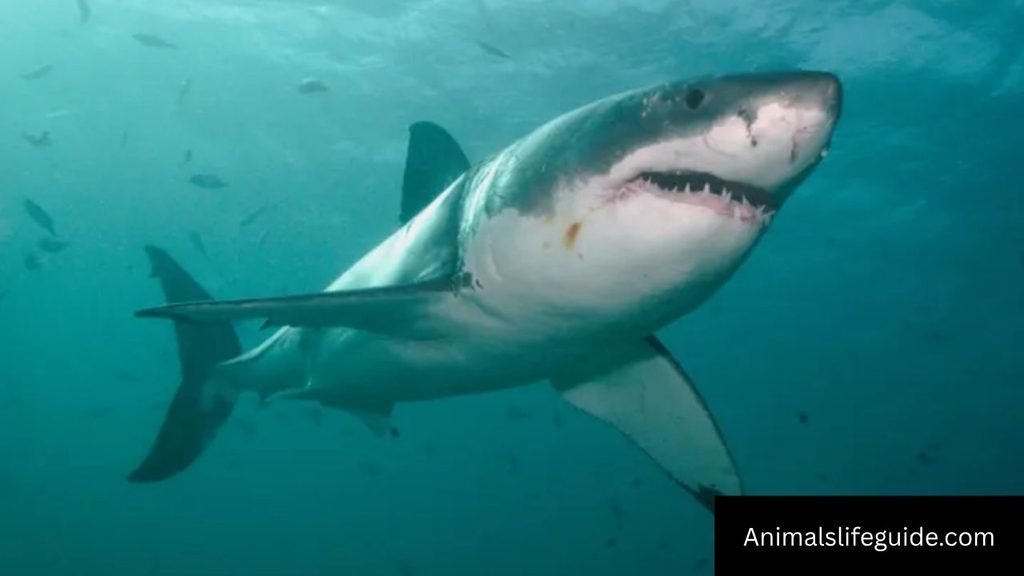
Beyond their terrifying appearance, great white sharks employ a fascinating hunting strategy called “breaching.” By launching themselves out of the water in a burst of speed, they surprise unsuspecting seals or fish, delivering a single, powerful bite that can incapacitate their prey instantly. This dramatic feeding method not only showcases the shark’s strength but also highlights the crucial role their sharp teeth play in maintaining balance in the marine ecosystem. Such precision highlights not just their efficiency as hunters, but also the intricate relationship between predator and prey, where every bite has a purpose in the relentless cycle of life beneath the waves.
Leopard
Scientific Name: Panthera pardus
Class: Mammalia
Diet: Carnivorous
With their keen senses and muscular build, leopards are fascinating examples of evolution’s artistry, particularly evident in their powerful jaws and sharp teeth. These big cats possess elongated canine teeth that can measure up to two inches long, enabling them to exert a lethal bite on their prey. Unlike some predators that rely solely on strength, leopards use agility and stealth to approach their targets, ultimately relying on those formidable teeth to deliver a swift, precise kill. This has made them one of the most adaptable hunters in various habitats, from dense forests to rugged mountains.
Moreover, leopards’ teeth tell a gripping story about their lifestyle. They often utilize their sharp teeth not just for hunting, but also for climbing and dragging large carcasses up into trees, a behavior that protects their meals from scavengers. This adaptability underscores their role as solitary apex predators, highlighting the balance they maintain in their ecosystems. As the world changes, leopards continue to demonstrate an impressive resilience, showcasing the intricate connection between their formidable anatomy and survival strategies in the wild.
Puma
Scientific Name: Puma concolor
Class: Mammalia
Diet: Carnivorous
The puma, often shrouded in mystery and admiration, possesses a remarkable dental arsenal that enhances its predatory prowess. With sharp, retractable canines measuring up to 2 inches long, these solitary hunters are perfectly equipped for gripping and holding onto their prey, which can include everything from deer to small rodents. Unlike many animals that rely solely on brute strength, pumas showcase precision and stealth, allowing them to approach their targets with a feline grace that belies their powerful jaws.
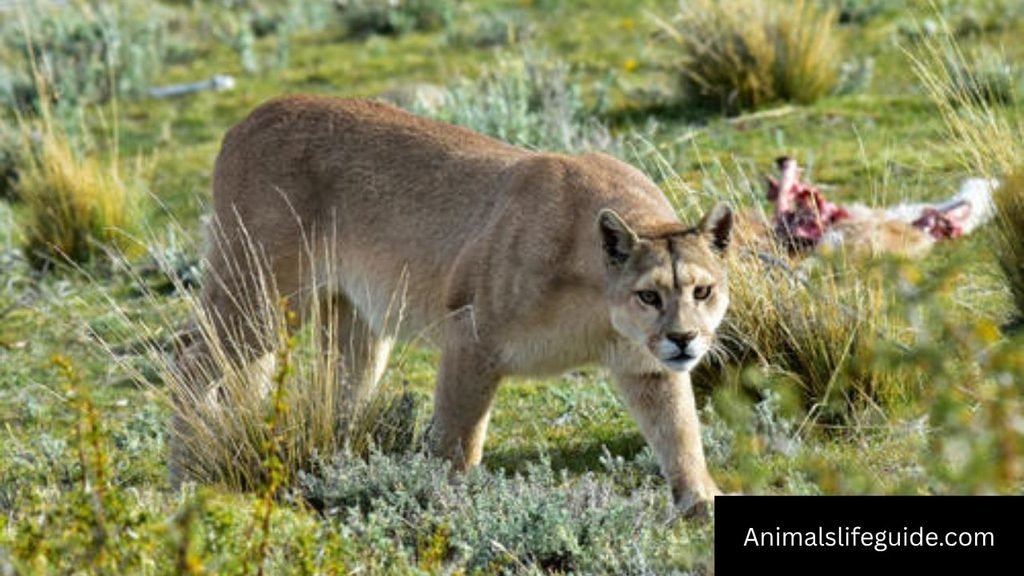
What is particularly fascinating is the puma’s ability to adapt its hunting techniques based on its environment. In densely forested areas, they often utilize their sharp teeth to tackle larger, more formidable prey, while in open terrains, agility and maneuverability become paramount. Their teeth are not merely tools of survival; they also reflect their adaptability in diverse habitats, playing a crucial role in their success as apex predators. Observing a puma in action reveals a complex relationship between its biology and behavior, inviting a deeper appreciation of these extraordinary creatures.
Bobcat
Scientific Name: Lynx rufus
Class: Mammalia
Diet: Carnivorous
Bobcats, the elusive felines of North America, are often overshadowed by their larger cousins, yet their sharp teeth reveal a fierce predatory prowess. Their dental structure is finely tuned for their role as stealthy hunters, with elongated canines designed to deliver a swift, fatal bite to their prey. This not only ensures a quick kill but also minimizes the risk of injury during the hunt. Unlike larger cats, bobcats often prey on smaller animals, such as rabbits and rodents, relying on their agility and sharp teeth to extract maximum sustenance from these agile creatures.
Interestingly, the size and arrangement of a bobcat’s teeth reflect both its hunting style and dietary adaptability. These cats have a unique ability to thrive in diverse environments, from dense forests to arid deserts, which has led to a varied diet. Their sharp molars help them process the tough hides and bones of their prey, demonstrating a remarkable adaptability that extends beyond mere survival. When one examines a bobcat’s teeth, it’s clear that evolution has finely crafted them to fit the wild tapestry of their habitat, blending utility with the art of predation. Each bite not only sustains life but also plays a critical role in maintaining the ecological balance within their territory.
Lynx
Class: Mammalia
Diet: Carnivorous
The lynx, a captivating feline known for its tufted ears and strikingly soft fur, wields sharp teeth that are integral to its survival in the wild. These carnivorous creatures primarily feast on small mammals, including hares and rodents, using their impressive dentition to deliver swift, lethal bites. Their elongated canines vary in size depending on the locality, showcasing evolutionary adaptations that enable them to efficiently tackle different prey types — be it snowshoe hares in the Arctic or voles in more temperate regions.

What sets the lynx apart is not just the sharpness of its teeth, but the precision with which it uses them. Equipped with powerful jaws, these cats are expert in their hunting techniques, employing a clever blend of stalking and ambushing. This adaptability is crucial, especially in areas where prey can be scarce during harsh winters. Furthermore, the lynx’s keen sense of hearing, paired with its ability to remain nearly silent as it prowls, presents a fascinating synergy of sensory acuity and lethal efficiency, making it a master predator in its environment. Each bite is not merely a means to an end; it’s a testament to the intricate web of life and survival in the ecosystems they inhabit.
Ocelot
Scientific Name: Leopardus pardalis
Class: Mammalia
Diet: Carnivorous
The ocelot, often described as a miniature jaguar, possesses a formidable set of sharp teeth that play a crucial role in its predatory lifestyle. With canine teeth that can exceed an inch in length, these sleek cats are perfectly adapted for a diet consisting mainly of small mammals, birds, and rodents. Unlike their larger feline relatives, ocelots often employ a stealthy ambush technique, relying not just on their sharp teeth but also on their acute senses and agilitiy. This unique combination allows them to pounce suddenly on unsuspecting prey, delivering a quick and lethal bite.
Beyond their role as predators, ocelots embody elegance and mystique, often roaming the dense forests and grasslands of South and Central America. Their teeth, while primarily tools for survival, also symbolically represent the fragile balance of their ecosystem — serving as both hunters and victims within the rich tapestry of wildlife. Yet, despite their prowess, ocelots face threats from habitat loss and poaching, making their survival precarious. Understanding their intricate relationship with both their environment and prey invites a deeper appreciation for these incredible felines and emphasizes the importance of conservation efforts that extend beyond mere observation.
Serval
Scientific Name: Leptailurus serval
Class: Mammalia
Diet: Carnivorous
The serval, a sleek and agile wild cat native to Africa, boasts an impressive set of sharp teeth well-adapted for its hunting lifestyle. With a diet primarily consisting of small mammals, birds, and even amphibians, the serval employs its keen sense of hearing to locate prey hidden in tall grasses. Its long legs and incredible leaping ability allow it to spring up to ten feet in the air, using its specialized dentition to deliver a swift and fatal bite.
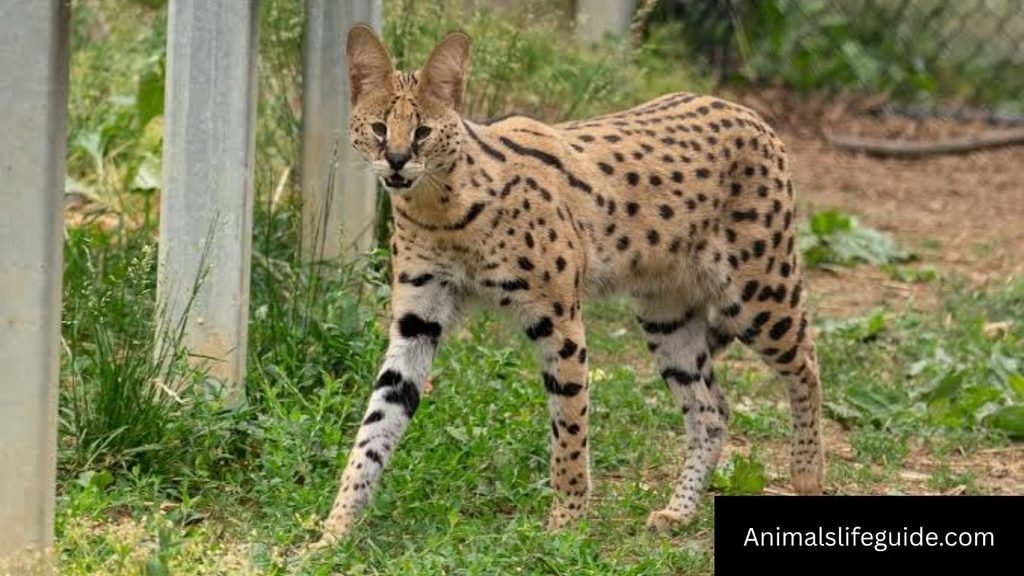
These sharp teeth are not only crucial for capturing and consuming prey but also play a role in the serval’s unique social behaviors. Unlike many solitary felines, servals exhibit playful and social interactions, especially among siblings. Their sharp canines become almost tools of communication during these playful bouts, as they engage in mock fights and gentle play, honing their skills for real hunts. Each tooth, honed by nature’s design, serves a dual purpose — ensuring survival while fostering social bonds in the heart of the African savanna.
Raccoon
Scientific Name: Procyon lotor
Class: Mammalia
Diet: Omnivorous
Raccoons, often seen as urban night marauders, boast an impressive set of sharp teeth that plays a crucial role in their adaptability. With 40 sharp teeth designed for an omnivorous diet, they possess the perfect tools for cracking open nuts, tearing through tough fruits, and even foraging for insects and small rodents. This dental prowess allows them to thrive in diverse environments, from forests to city parks, where their opportunistic feeding habits set them apart from other mammals.
What’s fascinating about raccoons is not just their impressive dental kit but their dexterous front paws, which enhance their foraging abilities. Known for their cleverness, raccoons often use their teeth in conjunction with their agile hands to manipulate objects, open containers, and explore new food sources. This dual combination of teeth and dexterity showcases their evolutionary success as resourceful scavengers, capable of thriving in a landscape increasingly shaped by human activity. Observing a raccoon navigating its nocturnal world invites us to appreciate the intricate balance of nature and adaptability found in species often dismissed as mere pests.
Gharial
Scientific Name: Gavialis gangeticus
Class: Reptilia
Diet: Carnivorous
The gharial, with its elongated snout resembling a dagger, is a unique spectacle among reptiles. This fish-eating crocodilian uses its razor-sharp teeth, designed specifically for grasping slippery prey, rather than for tearing flesh. As it navigates the rivers of the Indian subcontinent, the gharial can be seen skillfully maneuvering underwater, showcasing agility that belies its size. Unlike other crocodiles, which rely on brute force, the gharial embodies a refined approach to hunting, emphasizing precision over power.
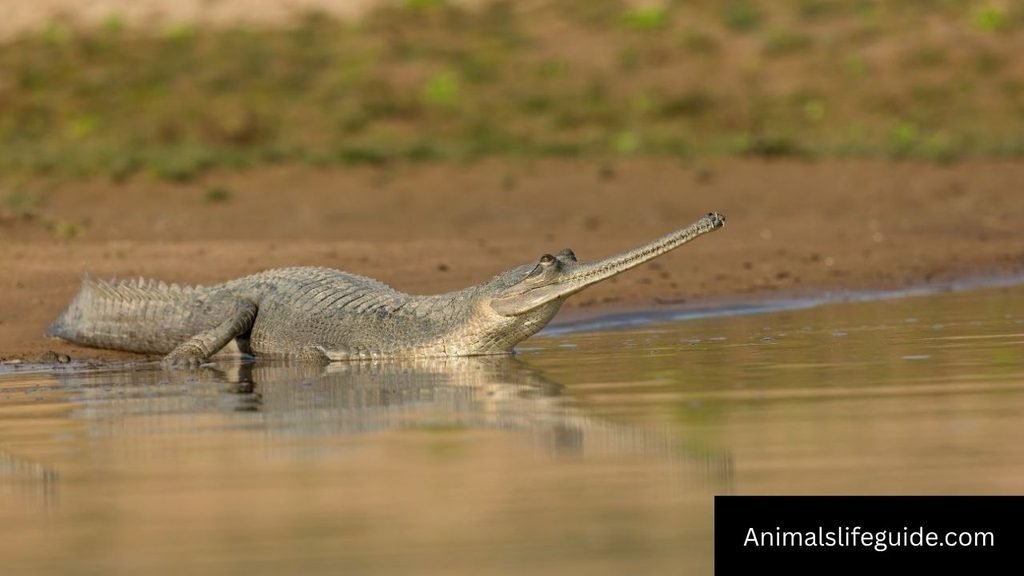
Moreover, the gharial serves as an ecological indicator, reflecting the health of its aquatic habitat. Its decline, attributed to habitat loss and pollution, parallels the degradation of river ecosystems, emphasizing the need for conservation efforts. Engaging with this fascinating creature inspires a deeper awareness of our responsibility to protect the delicate balance of nature. Observing the gharial’s specialized adaptations invites us to appreciate the intricate relationships within the animal kingdom, where each species plays a critical role in its environment.
Gila Monster
Scientific Name: Heloderma suspectum
Class: Reptilia
Diet: Carnivorous
The Gila monster, often overshadowed by more glamorous reptiles, boasts a unique evolutionary adaptation: its sharp, powerful teeth. Unlike venomous snakes that deliver toxins through fangs, this desert-dwelling lizard uses its teeth to deliver a potent venom when it bites, primarily to subdue prey like small mammals and birds. Interestingly, the Gila monster’s bite is a slow, deliberate process, which allows it to effectively mix its saliva with the venom as it chews, a tactic that transforms its feeding strategy into a deadly dance of patience.
Beyond its striking appearance — clad in a striking mosaic of orange and black — the Gila monster plays a crucial role in its ecosystem. Its ability to consume large amounts of food at once enables it to survive long periods without eating, which is essential in the arid environments it inhabits. This unique feeding behavior not only maintains its own health but also helps regulate prey populations, providing a vital ecological balance. For those fascinated by evolutionary biology, the Gila monster stands as a testament to the diverse adaptations that allow life to flourish even in the harshest of conditions.
Moray Eel
Scientific Name: Muraenidae spp.
Class: Actinopterygii
Diet: Carnivorous
Moray eels, with their sinuous bodies and hauntingly beautiful faces, evoke both fascination and trepidation as they slither through the underwater realm. Their sharp teeth are not merely for show; they serve a vital role in the art of predation. Unlike typical fish that rely on a quick gulp to catch prey, moray eels have evolved a unique method of hunting. Their sharp, backward-facing teeth enable them to seize slippery fish and invertebrates while preventing escape. This specialized dental structure is emblematic of their adaptation to a life spent in nooks and crannies of coral reefs and rocky crevices.
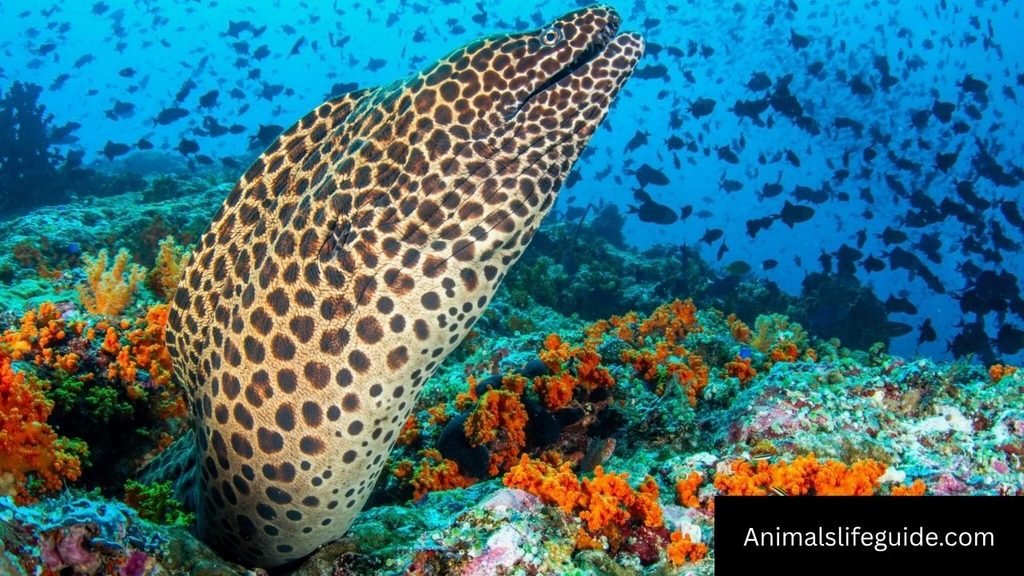
Intriguingly, moray eels also exhibit a gruesome yet fascinating behavior called “pharyngeal jaws.” These secondary jaws, which extend from the eel’s throat, quickly grab prey that the primary jaws have failed to secure. This remarkable evolutionary trait underscores their position as apex predators within their habitats. While they may look menacing, morays play an essential ecological role by controlling the population of smaller marine species. Their teeth, sharp as daggers, contribute not only to their survival but also to the delicate balance of reef ecosystems.
Tiger
Scientific Name: Panthera tigris
Class: Mammalia
Diet: Carnivorous
The tiger, with its formidable set of sharp teeth, is not just an apex predator; it is a masterpiece of evolution. Unlike many other big cats, tigers possess canines that can exceed three inches in length, enabling them to deliver powerful bites capable of puncturing through the tough hides of their prey. This is not merely a weapon; it’s a key to survival in their natural habitat, allowing them to tackle formidable animals like deer and wild boar with calculated precision.
What’s fascinating is how tigers demonstrate the psychological side of their hunting prowess. They often stalk their prey silently for a considerable distance, using their keen sense of hearing and exceptional eyesight. When the moment is right, they launch a calculated ambush, using those sharp teeth not just for killing but to immobilize their target almost instantly. This strategic hunting approach showcases a blend of physical capability and cognitive brilliance, illustrating that their sharp teeth are just one part of a well-honed, predatory toolkit.
Even in their interactions with each other, those teeth play a crucial role beyond aggression. Tigers use their powerful jaws to groom themselves, reinforcing social bonds and asserting dominance within their territories. This complex behavior highlights a lesser-known aspect of their life — sharp teeth are not only tools for survival but also instruments of communication and social cohesion in the wild.
Crocodile
Scientific Name: Crocodylidae spp.
Class: Reptilia
Diet: Carnivorous
Crocodiles are not just fearsome predators but fascinating evolutionary marvels. Their teeth, sharp as daggers, are designed not merely for tearing flesh but also for gripping and holding onto their prey. Unlike many animals that continuously shed and replace their teeth, crocodiles can lose up to 100 teeth in a lifetime, often replacing them within days. This relentless cycle ensures their dental arsenal remains lethal, enhancing their effectiveness as apex predators in both freshwater and saltwater habitats.
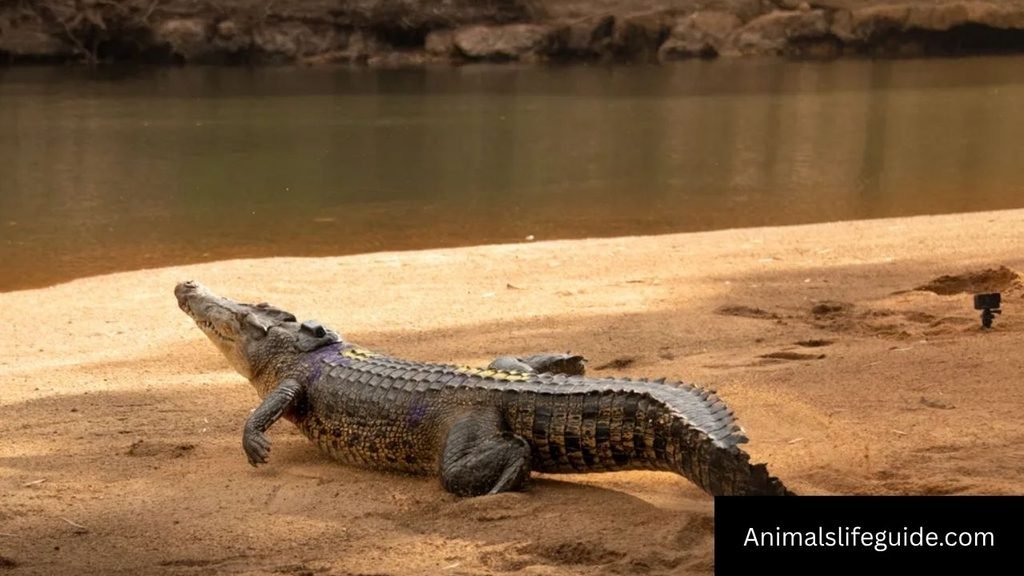
What truly sets crocodiles apart, however, is the intricate relationship between their teeth and hunting strategy. They employ a unique ambush technique, using stealth and patience to strike with lightning speed. Their powerful jaws can exert a bite force of nearly a ton, allowing them to capture and consume prey much larger than themselves. Moreover, the structure of their teeth, designed to grip rather than chew, highlights a radical approach to feeding — swallowed whole or torn apart, their meals reflect a primal survival instinct honed over millions of years. This remarkable adaptation showcases not just the crocodile’s physical prowess but its adaptability in a constantly changing environment, reminding us that in the wild, sharp teeth are just one piece of a larger survival puzzle.
Tasmanian Devil
Scientific Name: Sarcophilus harrisii
Class: Mammalia
Diet: Carnivorous/scavenging
The Tasmanian devil, with its powerful jaws and sharp teeth, is a marvel of evolution. These marsupials display an impressive bite force, allowing them to crush bone and consume every morsel of their prey. This ability transforms them into nature’s clean-up crew, playing a crucial role in their ecosystem by scavenging carcasses that might otherwise spread disease.
Despite their fierce reputation, Tasmanian devils are surprisingly social creatures, often observed engaging in communal feeding sessions. These gatherings highlight their complex social dynamics, showcasing behaviors like vocalizations and displays of dominance. Yet, this iconic animal faces significant threats, particularly from the transmissible facial tumor disease, which has drastically reduced their populations. Protecting this unique species not only aids in biodiversity but also ensures that the ecological balance they help maintain is preserved for future generations.
Alligator
Class: Reptilia
Diet: Carnivorous
The alligator, often feared and revered, possesses a formidable set of sharp teeth that play a crucial role in its survival. These toothy marvels are not just tools for hunting; they are also vital for communication and establishing dominance within their social hierarchy. Interestingly, alligators can lose and regrow teeth throughout their lives, with some individuals shedding over 2,000 teeth as they age. This remarkable adaptability ensures their predatory prowess remains intact, allowing them to thrive in diverse environments.
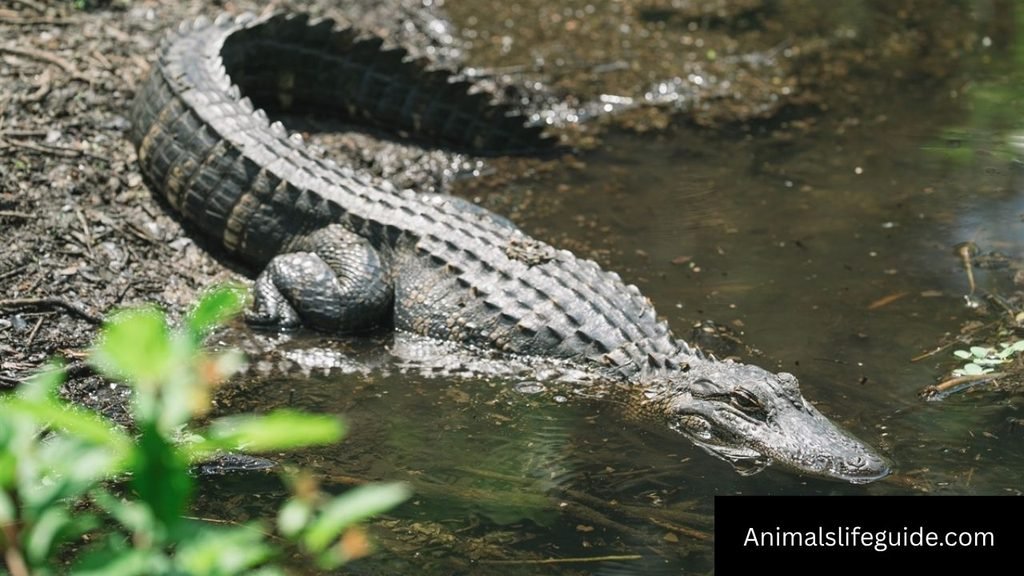
Beyond their intimidating appearance, alligator teeth have evolved to suit a specialized diet. Their conical shape is designed primarily for gripping and tearing rather than chewing, which allows these reptiles to efficiently consume prey whole. This anatomical feature underscores the alligator’s role as a keystone predator, maintaining the ecological balance of their habitats. In the murky waters where they lurk, their stealth and dental armament create a perfect storm, as unsuspecting fish and small mammals become unwitting victims of their swift ambushes. The sharp teeth are not merely instruments of destruction; they symbolize the resilience and adaptability of a species that has survived for millions of years in an ever-changing world.
African Wild Dog
Scientific Name: Lycaon pictus
Class: Mammalia
Diet: Carnivorous
The African wild dog, or painted wolf, is one of nature’s most fascinating predators, wielding a unique combination of charismatic appearance and efficient hunting strategy. With its large, sharp teeth — perfectly adapted for gripping and tearing flesh — this social hunter relies heavily on its pack to outmaneuver and catch prey. Unlike many solitary hunters, the African wild dog thrives in cooperative packs, using intricate strategies not only to encircle prey but also to communicate seamlessly through a series of vocalizations and body language.
What sets these canines apart is their remarkable social structure and the deep bonds they build within their groups. They exhibit a rare level of altruism in the animal kingdom, often sharing food with weaker members, such as pups and injured individuals. This behavior highlights a compelling relationship between teeth and teamwork, as their sharp canines not only signify their role as hunters but also underscore their communal spirit. Witnessing an African wild dog pack in action provides a vivid reminder of the complexities of life in the wild, revealing how sharp teeth can symbolize both the thrill of the hunt and the compassion of community.
Polar Bear
Scientific Name: Ursus maritimus
Class: Mammalia
Diet: Carnivorous
The polar bear, a magnificent apex predator of the Arctic, possesses teeth that are remarkably well-adapted to its frigid habitat and unique diet. With canines measuring up to 2 inches in length, these formidable teeth are not just for display; they serve a vital purpose in hunting seals, their primary prey. When a polar bear lunges through ice to snag a seal, its sharp teeth facilitate quick, powerful bites that can break through blubber and hide, showcasing nature’s design tailored for survival in harsh climates.

Beyond their hunting prowess, polar bear teeth also offer a window into their adaptation strategies. Unlike many carnivores that rely on sheer strength, these bears exhibit a cunning approach to their environment, using their teeth to tear apart and consume every part of their catch, minimizing waste.
Wolf
Scientific Name: Canis lupus
Class: Mammalia
Diet: Carnivorous
Wolves are fascinating creatures not just for their social structures but for their remarkable dental adaptations. Their sharp teeth, designed for gripping and tearing, play a crucial role in their survival. With incisors that can slice through flesh and molars that grind bone, wolves embody the ultimate apex predator efficiency. Their impressive bite force, which can exceed that of many large mammals, underscores their position as skilled hunters, allowing them to take down prey much larger than themselves.
Yet, their teeth also tell a story of family dynamics. In a pack, wolves often share meals, using their powerful jaws to break down large carcasses, fostering bonds among members. This collaborative eating strategy highlights the social side of their predatory lifestyle, emphasizing how their dental prowess extends beyond survival to nurture the pack. It’s a reminder that evolution shapes not just physical traits but social behaviors, creating an intricate web of life driven by cooperation and mutual reliance.
Readmore: Explore Top 26 Animals With 3 Letters.
Final Thoughts
Animals with sharp teeth are fascinating creatures that play pivotal roles in their ecosystems as both predators and scavengers. From the sleek jaws of a great white shark to the powerful fangs of a jaguar, these adaptations showcase nature’s ingenuity in survival and hunting. Their sharp teeth not only enable them to capture and consume prey but also contribute to the delicate balance of their habitats.
Understanding these animals helps us appreciate the complex relationships within ecosystems and the importance of conservation efforts. Let’s continue to respect and protect these remarkable species for future generations to enjoy.