Top 16 Animals With Wings (With Pictures)
Did you know that not all animals with wings can fly? While birds often take the spotlight, the diverse world of winged creatures includes fascinating species that glide, hover, and even swim! In this article, we’ll explore the captivating adaptations and behaviors of animals with wings, highlighting their importance in ecosystems and our daily lives. Get ready to uncover the surprising roles these creatures play in nature, from pollination to pest control.
List of Animals With Wings
Here is the list of animals that have wings:
- Beetles
- Bees
- Eagle
- Ostriches
- Bats
- Falcon
- Dragonfly
- Swan
- Owl
- Butterflies
- Hummingbird
- Penguins
- Wasp
- Flamingo
- Termites
- Peacock
Beetles
Scientific Name: Coleoptera
Class: Insecta
Diet: Omnivore
While often overlooked in the discussion of winged creatures, beetles are fascinating examples of the diversity and adaptability found in the animal kingdom. With over 350,000 species, beetles possess a unique set of adaptations that allow them to thrive in diverse environments. Their hardened forewings, known as elytra, serve not only to protect their delicate hind wings but also play a crucial role in their survival, acting as armor against predators and harsh conditions. The intricate patterns and colors of their elytra can range from bright metallic hues to drab earth tones, helping with camouflage and mate attraction.
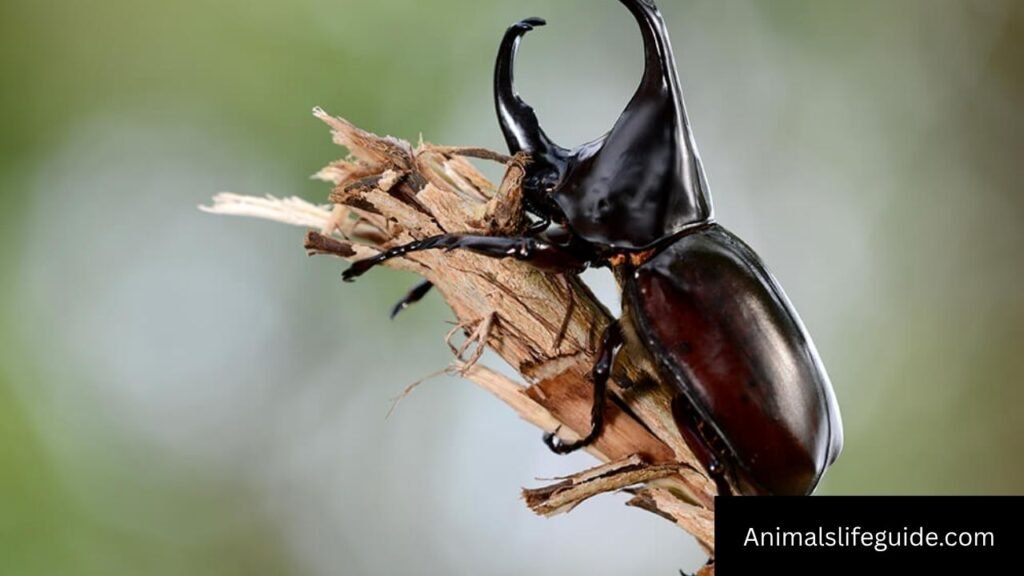
But beetles do more than just add color to the ecosystem; they are indispensable players in various ecological roles. For instance, dung beetles contribute to nutrient cycling by burying and breaking down animal waste, which enriches the soil and promotes healthy plant growth. This process of recycling nutrients not only supports agricultural productivity but also enhances the habitat for countless other organisms. As we delve deeper into the world of these winged creatures, it’s clear that their overlooked contribution is vital to maintaining ecological balance and fostering biodiversity in a rapidly changing world.
Bees
Scientific Name: Anthophila
Class: Insecta
Diet: Herbivore
Bees, often overshadowed by their more glamorous avian counterparts, are extraordinary creatures with a pivotal role in our ecosystem. These tiny aviators are not just pollinators; they are ecological powerhouses, responsible for the fertilization of many plants that produce fruits, vegetables, and nuts essential to our diet. A single bee can visit up to 2,000 flowers in a day, showcasing an unparalleled dedication to the environment. Their wings, delicately constructed yet incredibly efficient, allow them to navigate complex landscapes while gathering nectar and pollen.
Moreover, bees communicate through a fascinating “waggle dance,” a complex series of movements that convey information about the direction and distance of food sources. This form of non-verbal communication challenges our traditional understanding of animal interaction, suggesting that intelligence isn’t solely a human trait. With their ability to adapt to changing environments and their social structures, bees reflect a remarkable resilience in the face of global challenges, including climate change. As we deepen our appreciation for these winged wonders, it becomes clear that protecting them is not just about conserving a species but preserving the intricate web of life interconnected with human existence.
Eagle
Class: Aves
Diet: Carnivore
The eagle, often celebrated as a symbol of freedom and power, possesses extraordinary adaptations that set it apart in the avian world. With a wingspan that can reach over seven feet, these birds are not just majestic aerial hunters; they are skilled navigators, capable of soaring to heights exceeding 10,000 feet. This incredible altitude allows them to scan vast areas for prey, giving them a vantage point that few other creatures can match. Their keen eyesight, estimated to be four to eight times sharper than that of a human, enables them to detect movement from over two miles away — a strategic advantage that underscores their prowess as top-tier predators.
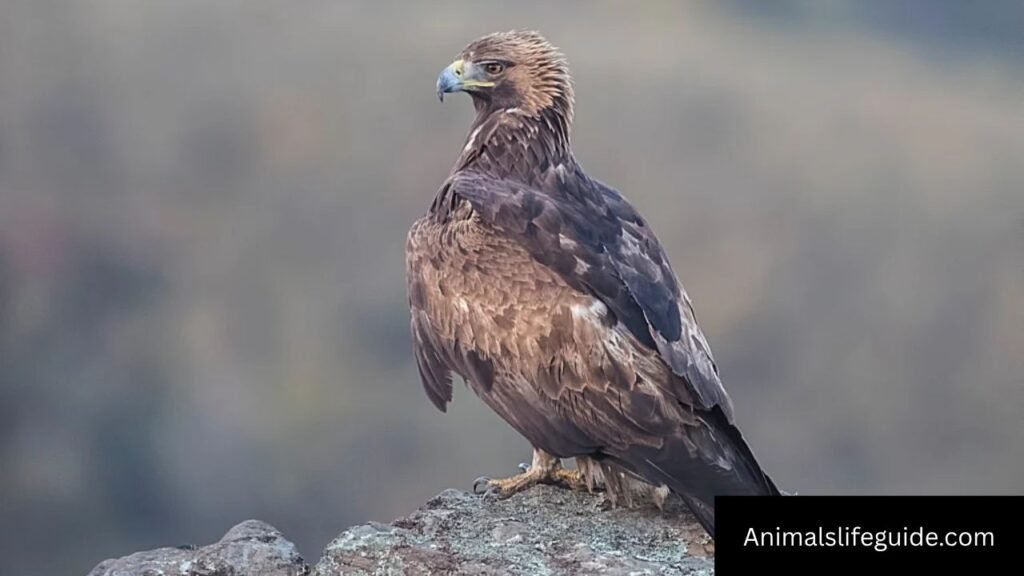
Furthermore, eagles are not merely solitary creatures; many species exhibit fascinating social behaviors. For instance, they often engage in elaborate courtship displays, where they soar high into the sky, performing acrobatic dives and climbs that mesmerize onlookers. This aerial ballet not only strengthens pair bonds but also showcases the strength and agility of potential mates. The commitment to family is equally profound, as eagles return to the same nests year after year, often refurbishing them to accommodate growing offspring. This deep connection to their young illustrates a sense of loyalty that transcends mere survival, highlighting the intricate familial ties within the avian realm.
Readmore: Explore Top 18 Animals With Bad Memory.
Ostriches
Scientific Name: Struthio camelus
Class: Aves
Diet: Omnivore
While ostriches are famously flightless, their large wings play a crucial role in their survival and social dynamics. These massive birds can reach heights of up to 9 feet and weigh over 300 pounds, making them the heaviest living birds on Earth. Their wings, though not designed for flight, serve multiple purposes: they help in balance and steering while running at remarkable speeds, often exceeding 40 miles per hour. During courtship rituals, male ostriches fan out their impressive wings, showcasing their vitality and attracting potential mates.
Beyond their physical prowess, ostriches offer fascinating insights into evolutionary adaptations. Their inability to fly is a result of a unique combination of environment and evolutionary necessity, highlighting how species can thrive in various niches. This flightlessness has endowed them with powerful legs built for sprinting rather than soaring, a trait that impressively illustrates the delicate dance between necessity and capability in the animal kingdom. Observing ostriches in their natural habitat sheds light on how these remarkable creatures have carved out a distinctive place in the ecosystem, thriving as ground dwellers amidst the vast African savannah.
Bats
Scientific Name: Chiroptera
Class: Mammalia
Diet: Omnivore
Bats are often misunderstood, frequently lumped together with the eerie and unsettling aspects of night. Yet, these fascinating creatures play a crucial role in our ecosystems, serving as natural pest controllers and pollinators. With over 1,400 species worldwide, bats exhibit a stunning diversity in size and behavior — ranging from the tiny bumblebee bat, which weighs less than a penny, to the formidable flying fox with a wingspan that can exceed six feet.
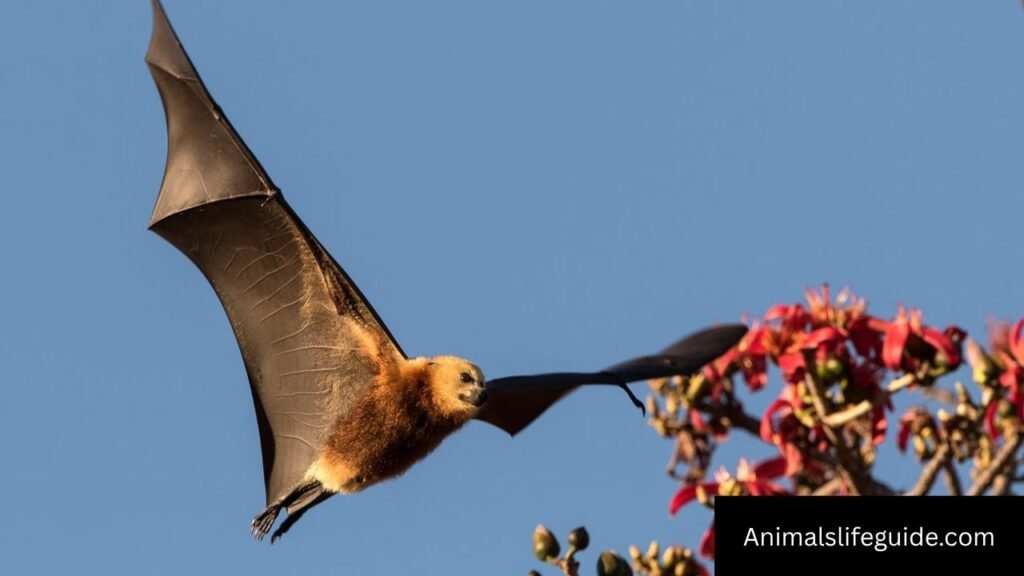
Their unique echolocation abilities allow bats to navigate and hunt in complete darkness, showcasing an incredible adaptation to their nocturnal lifestyle. This biological sonar system not only highlights their sophistication but also emphasizes their role in the food web, as they consume vast quantities of insects, including agricultural pests. Furthermore, some bat species are vital for pollination, aiding in the reproduction of plants like the agave, essential for making tequila.
Falcon
Class: Aves
Diet: Carnivore
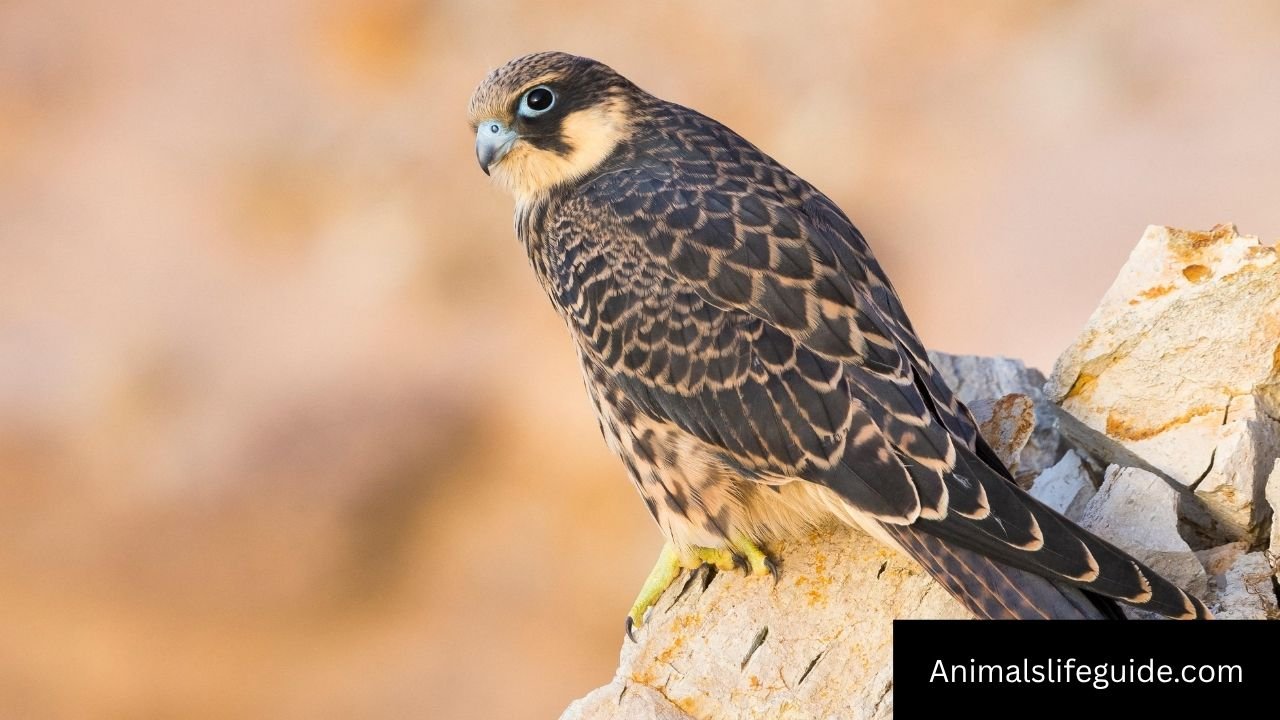
Falcons, renowned for their remarkable speed and agility, are true marvels of the avian world. These raptors can dive at speeds exceeding 240 miles per hour, making the peregrine falcon the fastest animal on the planet. This incredible velocity is not just about sheer power; it’s a perfected technique. During their stoop, or high-speed dive, falcons tuck in their wings to minimize air resistance, demonstrating an evolutionary mastery that fascinates both scientists and birdwatchers alike.
In addition to their impressive speed, falcons possess exceptional vision — up to eight times more acute than that of humans. This acute sight enables them to spot potential prey from great distances, a skill that adds a thrilling element to their hunting style. Interestingly, falcons have specialized structures in their eyes called foveae, allowing them to focus on multiple objects simultaneously. This attribute not only aids in hunting but also emphasizes the intricacies of their predatory lifestyle, showcasing the delicate balance of nature where survival often depends on a single swift strike.
You can also read: Explore Top 39 African Animals With Horns.
Dragonfly
Scientific Name: Anisoptera
Class: Insecta
Diet: Carnivore
Dragonflies are captivating creatures that often go unnoticed in the hustle of everyday life. With their iridescent wings and agile flight, they are not just exquisite examples of nature’s craftsmanship, but also vital players in their ecosystems. Surprisingly, their wings can beat at astonishing speeds, allowing them to hover, dart, or even fly backward, showcasing a level of maneuverability that many other animals can only dream of.
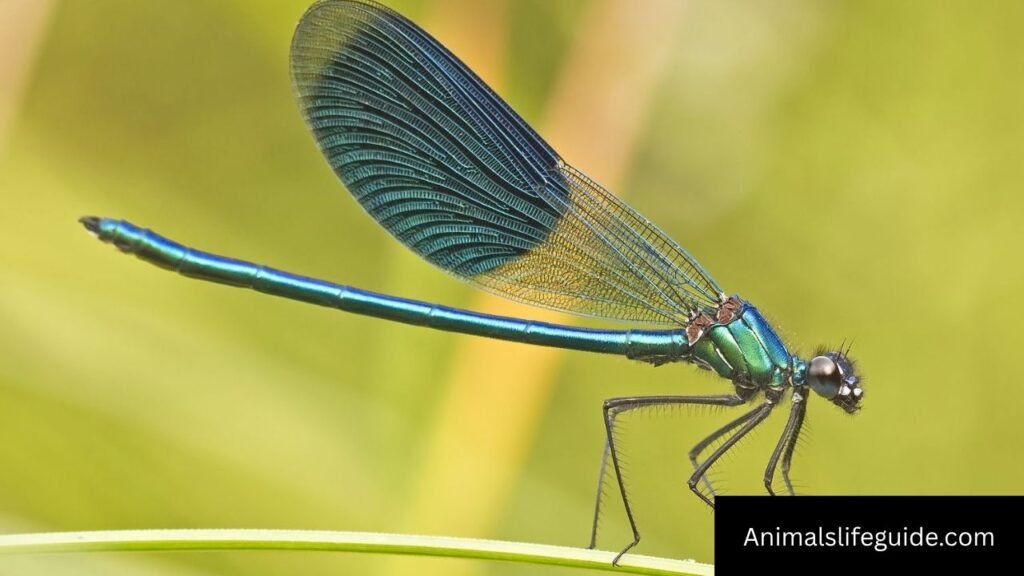
What’s particularly fascinating about dragonflies is their life cycle, which unfolds dramatically over two distinct phases: aquatic nymph and aerial adult. During the nymph stage, they reside in water, preying on smaller insects, fish, and even other nymphs, playing a crucial role in the aquatic food chain. Once they transition to adulthood, they become formidable aerial hunters, capable of consuming vast quantities of mosquitoes and other pests, giving them a well-deserved reputation as natural pest control agents.
Swan
Class: Aves
Diet: Herbivore
Swans embody elegance, but their existence transcends mere beauty. These majestic birds symbolize love and partnership, often forming lifelong bonds with their mates. The sight of two swans gliding across a serene lake can evoke a deep appreciation for natural harmony, reminding us of the power of connection in the animal kingdom.
Beyond their romantic associations, swans are also remarkable in their adaptability. Found in diverse habitats from lakes to rivers, they have developed unique feeding strategies, using their long necks to forage for submerged plants. This adaptability preserves ecosystems, as swans play a vital role in maintaining aquatic vegetation balance.
Owl
Scientific Name: Strigiformes
Class: Aves
Diet: Carnivore
Owls, often embodying the essence of mystery with their silent flight and nocturnal habits, are fascinating creatures that challenge our perceptions of the avian world. Unlike many birds, their unique feather structure allows them to glide nearly soundlessly through the night, an adaptation that would astonish anyone who’s ever heard the rustle of feathers. This stealthy prowess not only enhances their predatory skills but also reflects an intricate evolution fine-tuned for hunting in the dark.
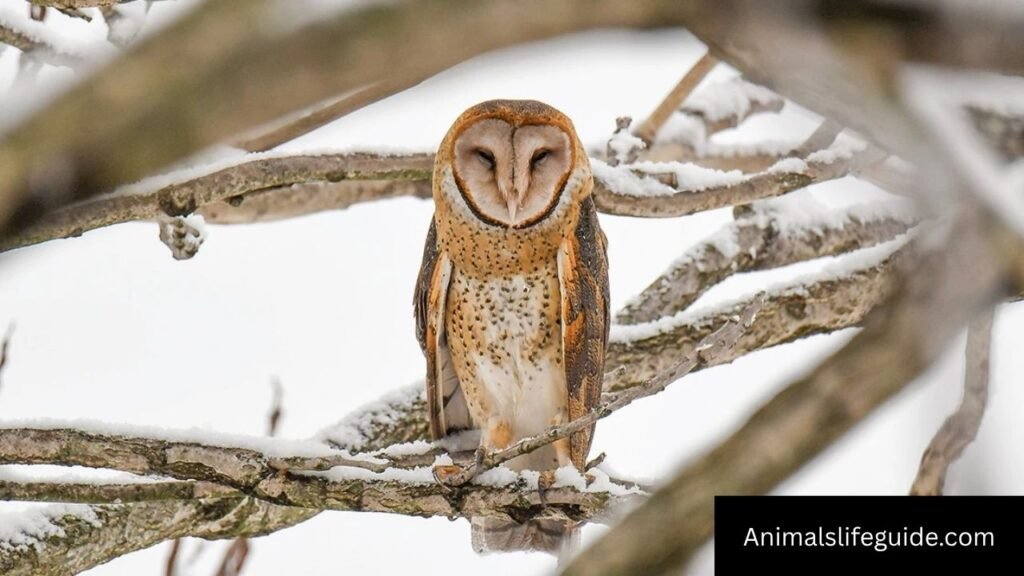
Beyond their impressive hunting abilities, owls possess an exceptional form of eyesight. They are equipped with large, forward-facing eyes that grant them excellent depth perception and night vision. Interestingly, their eyes are so large that they cannot move them; instead, they swivel their heads up to 270 degrees, providing a near-full panoramic view of their surroundings. This anatomical marvel not only aids in hunting but also captivates anyone lucky enough to witness an owl in action.
Also read: Explore Top 12 Animals That Can Change Color.
Butterflies
Class: Insecta
Diet: Herbivore
In the enchanting world of butterflies, beauty takes center stage not just in their vibrant colors but also in their remarkable life cycle. From the moment an egg hatches into a hungry caterpillar, this transformation emphasizes resilience and adaptation. As they navigate the complexities of growth, they consume vast amounts of leaves, highlighting an extraordinary relationship with their ecosystems — each species plays a vital role in pollination, reinforcing the delicate balance of nature.
Beyond their visual splendor, butterflies possess intricate behaviors that underscore their intelligence. They engage in complex mating dances and exhibit territorial disputes, showcasing a surprising level of social interaction. Some species have fascinating survival strategies, like mimicry and camouflage, allowing them to evade predators while simultaneously teaching us about evolution and environmental dynamics.
Moreover, butterflies possess a fascinating ability to migrate over vast distances, with some species traveling thousands of miles. Their epic journeys not only exemplify endurance but also highlight the fragility of their environments, making them poignant symbols in the fight against climate change.
Hummingbird
Scientific Name: Trochilidae
Class: Aves
Diet: Omnivore
Hummingbirds, often viewed as mere jewels darting through the air, possess remarkable agility and awe-inspiring biology that belies their small size. These avian wonders can beat their wings up to 80 times per second, allowing them to hover in one spot, a feat that even seasoned aviators admire. This unique ability to maintain a stationary position in mid-air not only aids in sipping nectar from flowers but also makes them nimble predators, catching small insects with darting precision.
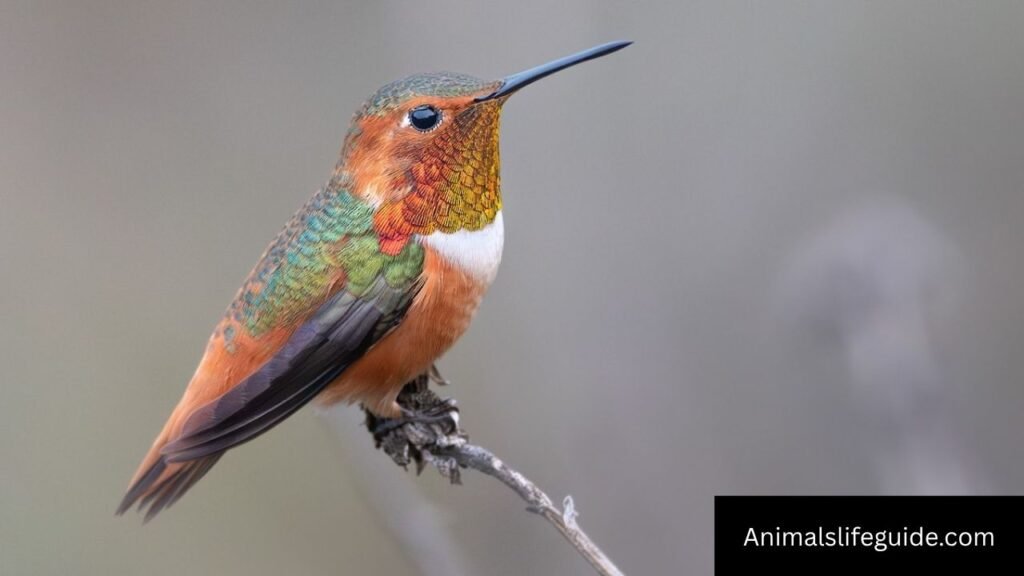
Beyond their dazzling flight, hummingbirds are vital pollinators, playing a crucial role in the sustainability of many ecosystems. Their relationship with flowers is a beautiful symbiosis — while they satisfy their energy needs by sipping nectar, they inadvertently transfer pollen, assisting in plant reproduction. This silent partnership highlights an intricate balance within nature, where even the smallest creatures can leave a significant impact.
Penguins
Scientific Name: Sphenisciformes
Class: Aves
Diet: Carnivore
While penguins are often celebrated for their waddling charm and sleek, tuxedo-like appearance, they are also a poignant reminder of adaptation and survival in extreme environments. Unlike their winged cousins, penguins don’t take to the sky. Instead, their wings have evolved into powerful flippers, enabling them to navigate the icy waters with exceptional agility. This transformation allows them to reach depths of over 500 meters in search of fish, illustrating nature’s remarkable ability to repurpose traits for survival.
The social dynamics within penguin colonies also offer fascinating insights into animal behavior. Emperor penguins, for example, are known for their deeply cooperative breeding strategies. Males endure the harsh Antarctic winter, clutching an egg on their feet as they endure freezing temperatures, while females embark on long foraging trips. This shared responsibility highlights a unique form of partnership in the animal kingdom, showcasing how collective effort can overcome the challenges of their frigid habitat. Ultimately, penguins are more than just flightless birds; they embody resilience, teamwork, and the wonders of evolutionary adaptation.
Readmore: Explore Top 12 Animals That Crawl.
Wasp
Class: Insecta
Diet: Omnivore
The wasp, often overshadowed by its more beloved counterparts like butterflies and bees, possesses a complexity that fascinates both scientists and nature enthusiasts alike. Unlike bees, wasps are not just pollinators; they play an integral role in the ecosystem as formidable predators. Their slender, agile bodies are equipped with powerful mandibles, allowing them to hunt down pests that threaten garden plants, making them unsung heroes in biological pest control.
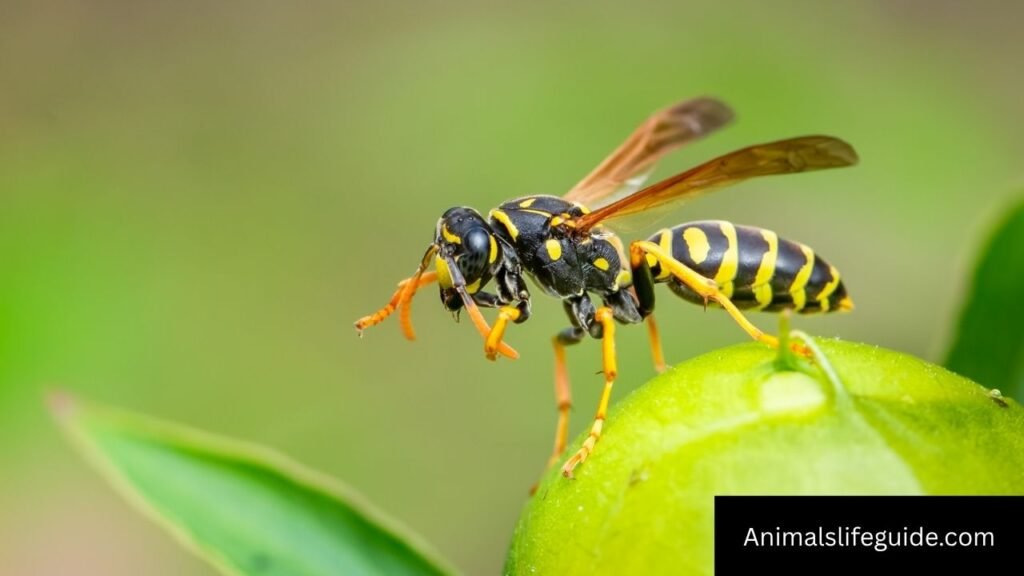
Beyond their ecological contributions, wasps are masters of social structure. Many species exhibit intricate social behaviors, forming colonies with a strict hierarchy. The queen, worker wasps, and drones all have specific roles that ensure the survival of their communities. This social dynamic offers intriguing parallels to human societies, prompting us to rethink our assumptions about these often-misunderstood creatures.
Flamingo
Scientific Name: Phoenicopterus
Class: Aves
Diet: Omnivore
Flamingos are more than just a vibrant splash of pink against serene waters; they are fascinating creatures that epitomize elegance and adaptability. Their striking color, derived primarily from carotenoid pigments in the algae and crustaceans they consume, is not just a visual delight but also a signal of health and genetic fitness. Interestingly, flamingos are born gray, gradually transforming into their iconic hues as they mature, offering a beautiful metaphor for growth and change in the natural world.
Beyond their appearance, flamingos exhibit intriguing social behaviors. They thrive in colonies, engaging in synchronized movements that enhance their courtship displays and strengthen community bonds. These rituals, often full of flair, serve a crucial role in attracting mates and maintaining group cohesion, highlighting their intelligence and social complexity. Moreover, their unique feeding habits — filtering water through specialized bills to extract tiny organisms — demonstrate an unmatched adaptability to their environments.
Termites
Scientific Name: Isoptera
Class: Insecta
Diet: Herbivore
Termites, often overlooked in discussions of winged animals, possess a unique mastery of the skies when they take flight. Their wings, delicate yet sturdy, are primarily used during the nuptial flight, where swarms ascend in an impressive display to disperse and establish new colonies. This moment is not just a mating ritual; it’s a critical stage for genetic diversity and survival as they venture into the air to find suitable nesting sites.
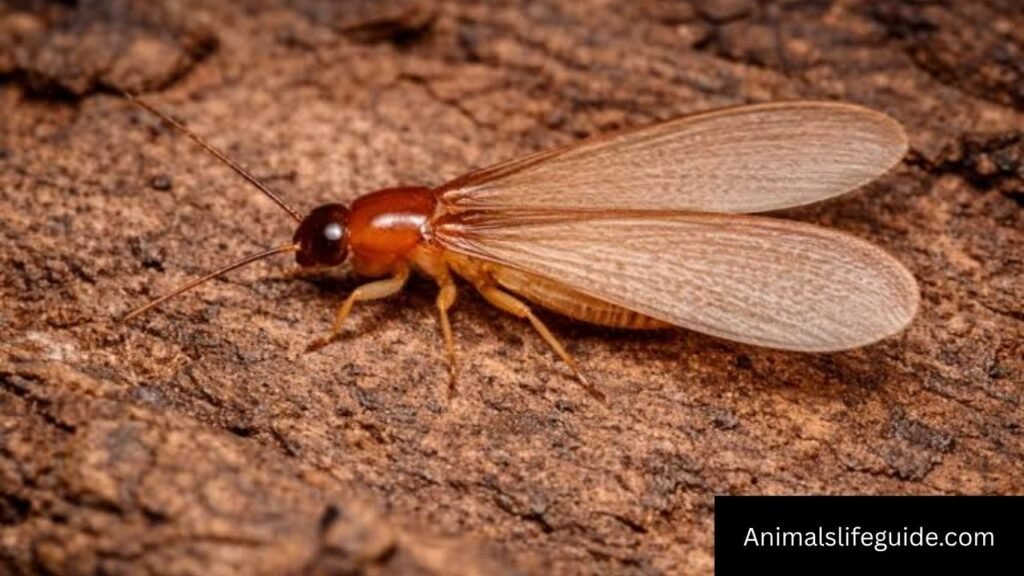
Interestingly, these tiny architects of nature play a monumental role in ecosystems despite their often negative reputation as pests. Their ability to break down cellulose aids in nutrient cycling, enriching the soil and supporting plant life. The sight of swarming termites during their flight serves as a reminder of the interconnectedness of life, as they attract various predators and contribute to the food web. In viewing termites from this perspective, one begins to appreciate their evolution not merely as nuisances, but as vital components of their environments, showcasing the delicate balance that sustains life on our planet.
You can also read: Top 15 Animals With Good Memory.
Peacock
Class: Aves
Diet: Omnivore
Peacocks, with their dazzling plumage, are more than just a visual spectacle; they are emblematic of the intricate dance between beauty and survival in the animal kingdom. Their iridescent feathers, which can change color depending on the angle of light, serve as an essential tool in courtship rituals. Males fan out their tail feathers, creating a mesmerizing display that highlights their health and genetic fitness. This display not only attracts females but also deters rival males, illustrating how aesthetics play a pivotal role in natural selection.
Beneath this stunning exterior lies a complex social structure, where peacocks communicate through a variety of calls and physical gestures. Often underestimated, their vocalizations range from deep, resonant calls to sharp alarms that echo through their habitats. Peacocks are intelligent and social creatures, thriving in small family groups or flocks, which fosters a strong community bond. This social dynamic enhances their survival, as they are more adept at spotting predators when foraging together.
Final Thoughts
Animals with wings have fascinated humans for centuries, showcasing the remarkable diversity and adaptability of life on our planet. From the majestic eagle soaring high in the sky to the vibrant butterfly dancing among flowers, these creatures exhibit stunning beauty and incredible functionality. Wings enable them not only to traverse vast distances but also to contribute significantly to ecosystems as pollinators and scavengers.
As we learn more about these winged wonders, it’s essential to consider their conservation and the impact of human activity on their habitats. Let us take action to protect these extraordinary animals and preserve the natural world for future generations.
FAQs
What animals have wings but are not birds?
Several animals have wings but aren’t classified as birds. The most notable examples are bats, which are the only mammals capable of sustained flight. Their wings are actually elongated fingers covered by a thin membrane, allowing for remarkable agility in the air. Insects also boast wings, with many species like butterflies, dragonflies, and bees taking to the skies. Their wings are typically made of a chitinous material and come in various shapes and sizes, adapted for different flying styles.
What has wings but don’t fly?
Most notably, flightless birds like ostriches and emus are prime examples. They’ve evolved in ways that make flying unnecessary for their survival. Instead, they rely on their strength and speed to navigate their environments.