Top 12 Animals That Crawl (With Pictures)
Animals That Crawl play vital roles in our environment, yet they often go unnoticed. This article will take you on a journey through various species, revealing their incredible adaptations and the important functions they serve in nature. By the end, you’ll appreciate the unseen laborers that contribute to a well-balanced ecosystem.
List of Animals That Crawl
Below is the list of animals that crawl:
- Snake
- Crocodile
- Lizard
- Turtle
- Snail
- Caterpillar
- Scorpion
- Spider
- Crab
- Earthworm
- Ants
- Leech
Snake
Scientific name: Serpentes
Class: Reptilia
Diet: Carnivorous
The elegance of snakes lies not just in their sinuous bodies but in their remarkable adaptations to vast ecosystems. With over 4,000 species, they range from the common garter snake hiding in our backyards to the elusive python lurking in tropical forests. This diversity illustrates their incredible evolutionary journey, having developed advanced hunting techniques and camouflage strategies tailored to their environments. Their specialized scales allow for seamless movement, enabling them to traverse varied terrain — from sandy deserts to dense underbrush — where other predators might struggle.
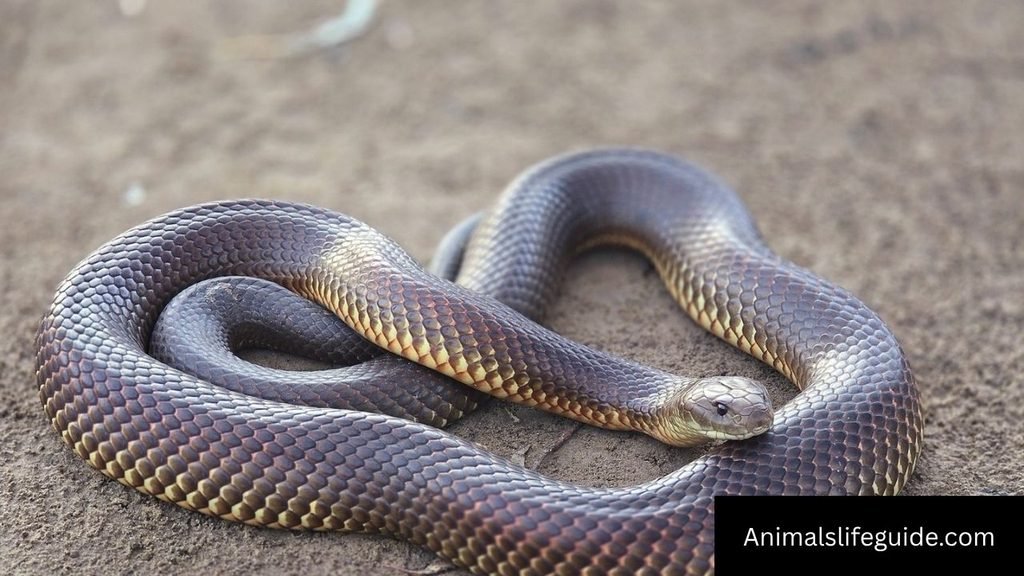
One fascinating aspect of snakes is their ability to ‘hear’ through vibrations in the ground rather than through traditional ear structures. This adaptation makes them highly efficient hunters, able to detect prey even when it lies hidden beneath foliage. Additionally, the strategic use of heat-sensing pits by some species, like the rattlesnake, transforms their predation technique into a remarkable blend of biology and survival instinct.
Crocodile
Scientific name: Crocodylia
Class: Reptilia
Diet: Carnivorous
Crocodiles are a mesmerizing embodiment of primal strength and ancient lineage, having roamed the Earth for over 200 million years. These formidable reptiles are not just fearsome predators in water; their mobility on land is equally remarkable. With powerful limbs and a unique sprawling gait, they can traverse various terrains, showcasing their adaptability. While their primary habitat is often thought to be swamps and rivers, crocs can also be spotted basking on riverbanks, blending seamlessly into their surroundings.
Beyond their physical prowess, crocodiles exhibit a fascinating social structure. In the breeding season, females display remarkable maternal instincts, constructing intricate nests and guarding their young with fierce dedication. This nurturing side contrasts sharply with their reputation as lethal hunters, revealing a more complex emotional range than one might expect from such formidable creatures.
Lizard
Scientific name: Lacertilia
Class: Reptilia
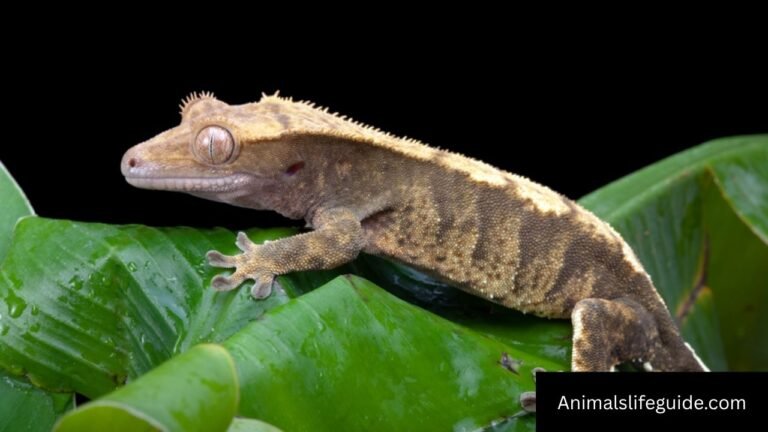
Lizards, often seen basking on sunlit rocks or skittering across warm surfaces, are remarkable survivors, possessing traits that make them adapt seamlessly to their environments. With over 6,000 species, these reptiles boast an astonishing diversity in appearance and behavior. Some lizards, like the vibrant chameleons, can change colors not just for camouflage but also to communicate with one another, showcasing a complex social life that contrasts their solitary nature.
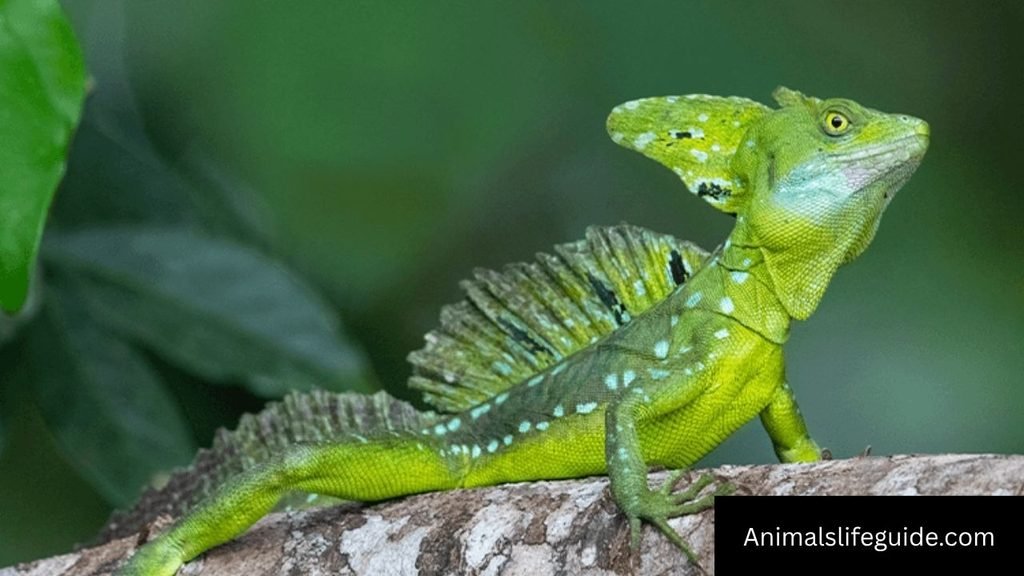
Their method of locomotion sets lizards apart; while many are adept at climbing and darting, others, such as the snake-like legless lizards, glide through their habitats with surprising agility. This adaptability extends to their diets as well, ranging from insects to fruits, highlighting the ecological roles they play in controlling pest populations and aiding in pollination.
Turtle
Scientific name: Testudines
Class: Reptilia
Turtles are fascinating creatures that embody resilience and adaptability. With their unique anatomy — a hard shell that serves as a shield — these reptiles illustrate an evolutionary success story that dates back over 200 million years. Unlike most animals that rely on speed or acute senses, turtles thrive in a world where patience and deliberate movement reign supreme. Watching them navigate their environments, whether on land or in water, is a reminder of the beauty of taking life at a slower pace.
Their behavior also reveals an intricate world of social interactions and survival strategies. For instance, sea turtles, despite being solitary during their lives, exhibit strong navigational abilities, returning to the same beaches where they hatched to lay eggs. This astonishing sense of direction, alongside their reliance on coastal ecosystems, highlights the delicate balance they maintain with their habitats. On land, tortoises, which are terrestrially adapted turtles, engage in intriguing activities like burrowing to regulate temperature and seek moisture, showcasing their intelligence and resourcefulness in challenging environments.
Snail
Class: Gastropoda
Diet: Mostly herbivorous
Snails, often overlooked in gardens and backyards, are fascinating creatures that embody resilience and adaptability. With their coiled shells, they not only serve as protective homes but also as a testament to nature’s architectural brilliance. These gastropods navigate the world through a unique muscle movement called “creeping,” which allows them to travel across diverse terrains — no matter how uneven or slippery. What’s particularly interesting is their ability to produce mucus, which not only aids in locomotion but also helps them thrive in harsh environments by preventing desiccation.
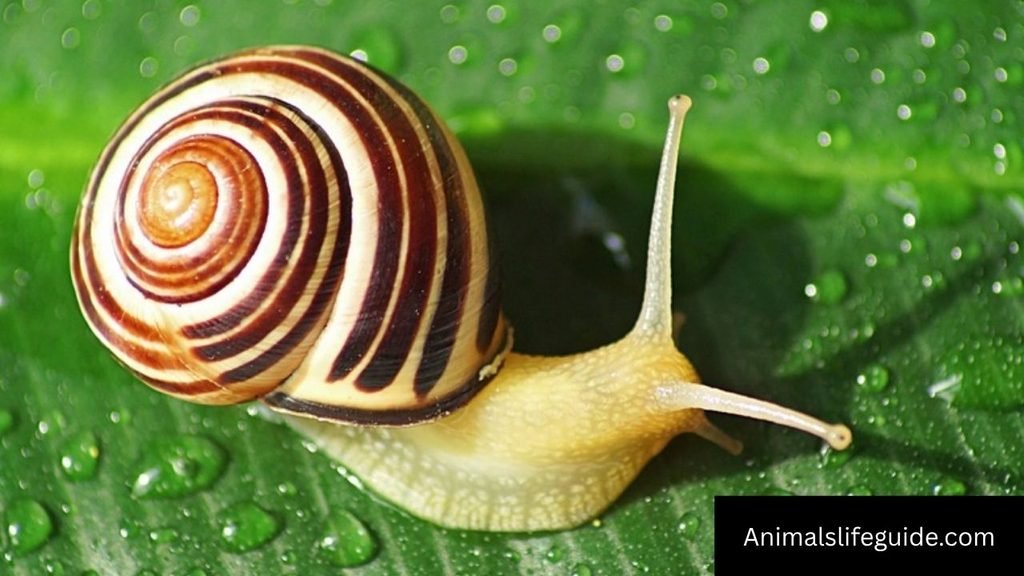
Beyond their slow-paced existence, snails have an intriguing social life dictated by chemical communication. They leave behind a trail of pheromones, creating a veritable GPS network for fellow snails. This unique method fosters interaction, whether for mating or forming communities. Moreover, some species are known to exhibit a surprising range of intelligence, from navigating mazes to recognizing different surfaces — challenges that reveal their cognitive capabilities. These underappreciated mollusks remind us that even the smallest creatures play an essential role in our ecosystems, contributing to soil health and plant growth in their quiet, unassuming way.
Caterpillar
Class: Insecta
Diet: Mostly herbivorous
Caterpillars, the larval stage of butterflies and moths, are nature’s remarkable engineers of transformation. Each one is a feast for the senses, adorned with vibrant colors and intricate patterns that often signal their toxicity to predators. But beneath their mesmerizing appearance lies a world of hidden complexity. As they inch along branches and leaves, they not only consume voraciously to store energy for their metamorphosis, but they also play crucial roles in the ecosystem, aiding in pollination and serving as a food source for other animals.
One fascinating aspect of caterpillars is their extraordinary ability to adapt and survive. Some species mimic twigs or leaves, while others develop defensive mechanisms such as spines or the release of noxious chemicals when threatened. This camouflage not only protects them from predators but also enhances their role in the food web, creating a delicate balance in their habitats.
Scorpion
Scientific name: Scorpiones
Class: Arachnida
Diet: Carnivorous
Scorpions, often shrouded in mystery and fear, are fascinating creatures that have prowled the earth for nearly 400 million years, predating dinosaurs. Their unique anatomy is a marvel of evolution; the pincers, or chelae, not only serve as tools for hunting but also play a significant role in communication and mating rituals.
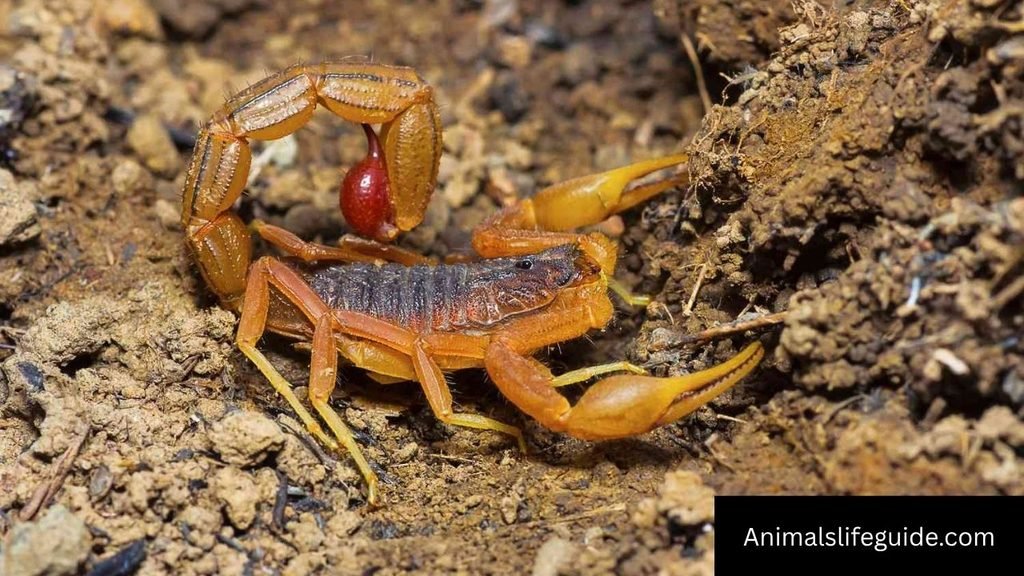
As nocturnal hunters, scorpions rely on their sensitivity to vibrations and light to navigate their dark environments, showcasing an advanced form of perception that allows them to thrive in diverse habitats — from arid deserts to lush forests. Some species can even survive extreme conditions, including extended periods without food or water, making them masters of resilience.
Spider
Scientific name: Araneae
Class: Arachnida
Diet: Carnivorous
Spiders, often misunderstood, are remarkable creatures that embody both beauty and intrigue in the animal kingdom. With over 48,000 species worldwide, they exhibit an array of colors, shapes, and sizes, each adapting to its environment in extraordinary ways. While many associate spiders primarily with fear or distaste, their unique hunting techniques reveal a world of complexity — some use silk to create elaborate webs, while others are agile hunters, leaping with precision to capture prey.
One of the most fascinating aspects of spiders is their intricate mating rituals. Male spiders often perform elaborate courtship dances, displaying vibrant colors and unique movements to attract females. This delicate balance of attraction and danger highlights their role in the ecosystem, as they help control insect populations while also navigating the precarious world of reproduction. Furthermore, the silk produced by these arachnids is a marvel of nature, being stronger than steel and utilized not just for web-building but for wrapping prey and even constructing makeshift parachutes to travel through the air.
Crab
Scientific name: Brachyura
Class: Malacostraca
Diet: Omnivorous
Crabs are fascinating creatures that transcend the simple notion of just being crustaceans. With over 6,800 species found in diverse environments — from the depths of the ocean to sandy beaches — they offer a glimpse into evolutionary adaptability. Their unique exoskeletons not only provide protection but also allow for incredible mobility on land and in water. Some species, like the coconut crab, have even evolved to climb trees, showcasing their versatility and skill.
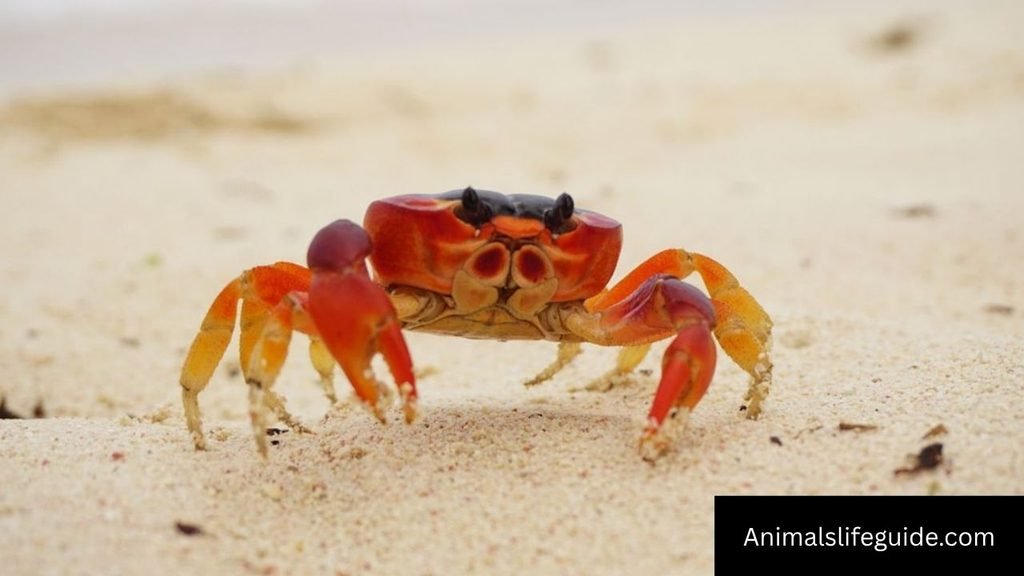
Beyond their physical attributes, crabs play essential roles in their ecosystems. As scavengers, they help recycle nutrients, breaking down organic matter and promoting a healthier environment. Many species also demonstrate intriguing social behaviors, such as the famed fiddler crab whose oversized claw serves both as a communication tool and a cumbersome yet effective display during mating rituals. Understanding these complex interactions invites us to appreciate their place in the animal kingdom, reminding us that even the smallest creatures can have significant impacts on the world around them.
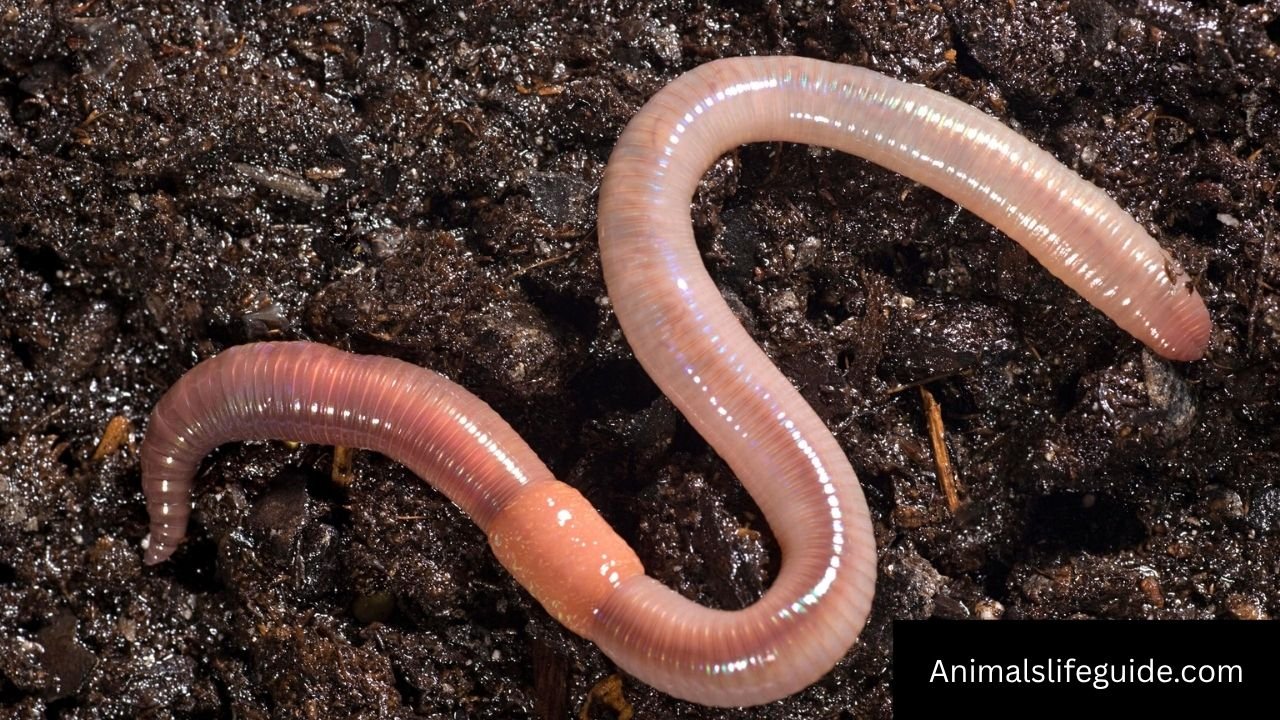
Earthworm
Scientific name: Lumbricina
Class: Clitellata
Diet: Detritivorous
Earthworms, often seen as humble creatures, are vital engineers of our ecosystems. Their burrowing habits aerate the soil, allowing water and nutrients to penetrate deep, fostering healthy plant growth. This natural tilling process can enhance crop yields, making them unsung heroes in agriculture. Moreover, their digestive systems break down organic matter efficiently, turning decaying leaves and debris into nutrient-rich castings that enrich the soil.
Interestingly, earthworms possess a remarkable ability to regenerate. If injured, they can lose segments of their bodies and still survive, with some species even capable of re-growing a part of their lost tail. This regenerative capability intrigues scientists, probing deeper into the mechanisms that might offer insights for human medicine. With around 7,000 species worldwide, these creatures vary vastly in size and habitat, showcasing the adaptability of life. Their presence is an indicator of soil health; the more diverse and abundant the earthworm population, the healthier the ecosystem. In a world increasingly impacted by climate change, protecting these vital organisms is essential for sustainable agriculture and environmental health.
Ants
Scientific Name: Formicidae
Class: Insecta
Diet: Omnivore
Ants, often overlooked in the vast kingdom of insects, are marvels of social organization and resilience. With over 12,000 known species, these tiny architects create intricate colonies, some housing millions of individuals. Each ant plays a specific role, from workers tirelessly foraging for food to soldiers protecting their homes. This division of labor is reminiscent of sophisticated societies, where cooperation and communication are key to survival.
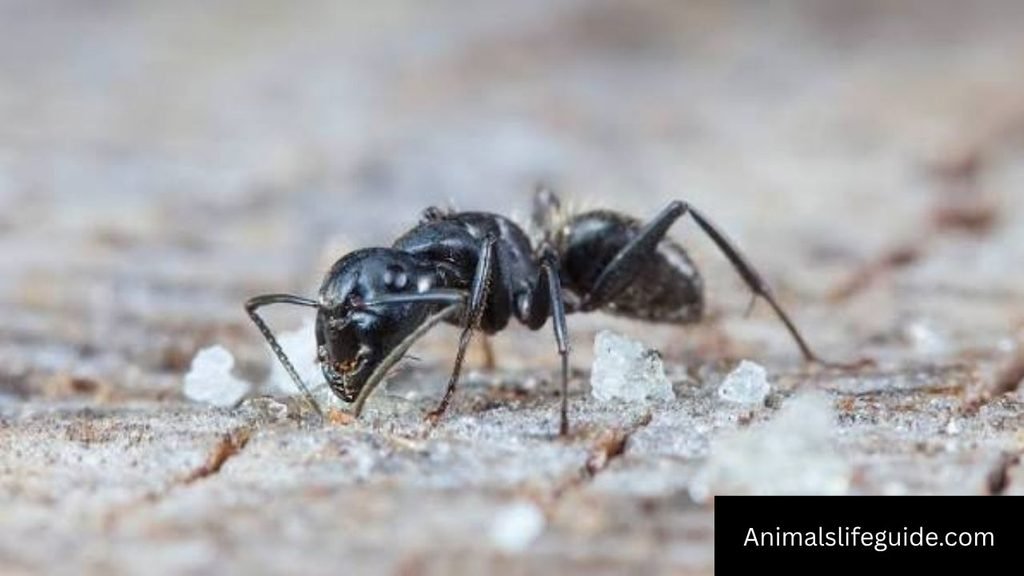
What sets ants apart is their impressive ability to communicate through pheromones, chemical signals that convey messages about food sources, threats, and even potential mates. This olfactory language allows them to coordinate efforts and adapt quickly to changes in their environment. Furthermore, the farming of aphids for honeydew and the cultivation of fungi in leafcutter ant colonies highlight their unique behaviors that showcase intelligence previously attributed to larger animals. In many ways, ants lead a complex life that challenges our perceptions of intelligence in the animal kingdom.
Leech
Scientific Name: Hirudinea
Class: Clitellata
Diet: Carnivore
Leeches, often maligned for their parasitic habits, possess a fascinating versatility that belies their slimy reputation. While most people associate them with bloodsucking, many leech species are actually detritivores or predators, playing a crucial role in their ecosystems by consuming decaying organic matter or hunting down small invertebrates. This ecological niche helps to maintain the balance of aquatic environments, showcasing leeches as essential contributors to biodiversity rather than mere pests.
Interestingly, leeches have outstanding regenerative abilities, capable of regrowing lost segments of their bodies. This remarkable trait not only highlights their resilience but also raises intriguing questions in scientific research regarding tissue regeneration and healing — paving the way for potential advancements in medicine. Their ability to stretch up to five times their original length enables leeches to explore crevices and access food resources that other creatures might overlook, further emphasizing their adaptability. Through their unique biology and ecological importance, leeches remind us that even the most unassuming animals can offer profound insights into the complexities of nature.
Readmore: Explore Top 14 Animals With The Best Hearing.
Final Thoughts
The world of crawling animals is both fascinating and diverse, showcasing a remarkable range of adaptations that allow these creatures to thrive in various environments. From the industrious ants marching in perfect formation to the graceful movements of snakes gliding across the ground, each species plays a vital role in its ecosystem. Understanding the behaviors and habitats of these animals not only enhances our appreciation for nature but also underscores the importance of conservation efforts to protect their habitats.
As we continue to explore and learn about crawling animals, we inspire a greater respect for the intricate webs of life on our planet. Let us take action to preserve these unique creatures and the environments they inhabit.