Top 40 Animals With 4 Letters (With Pictures)
In this article, we’re diving into the fascinating world of animals with 4 letters in their names. From pets that snuggle on your couch to exotic creatures that roam the wild, understanding these animals helps us appreciate biodiversity and the uniqueness of our planet. Get ready to expand your knowledge and discover some new furry, feathery, or scaly friends!
List of Animals With 4 Letters
Below is the list of animals with four letters:
- Lynx
- Clam
- Hawk
- Mule
- Pika
- Wasp
- Sole
- Crow
- Ibex
- Frog
- Dace
- Bear
- Kiwi
- Mole
- Tuna
- Rhea
- Flea
- Seal
- Tang
- Wolf
- Toad
- Carp
- Orca
- Deer
- Tick
- Pike
- Wren
- Crab
- Ibis
- Vole
- Duck
- Hare
- Moth
- Puma
- Swan
- Lion
- Newt
- Bass
- Worm
- Gull
Lynx
Scientific Name: Lynx lynx
Class: Mammalia
Diet: Carnivorous
The lynx, an elusive feline belonging to the Lynx genus, is fascinating not only for its striking appearance but also for its unique adaptations. With its tufted ears and short tail, the lynx is perfectly suited for life in snowy habitats, where its large, furry paws act like snowshoes, allowing it to tread effortlessly across deep drifts. This unique physical trait not only aids in hunting but also provides an advantage in evading predators, making it a master of stealth in its forested domain.
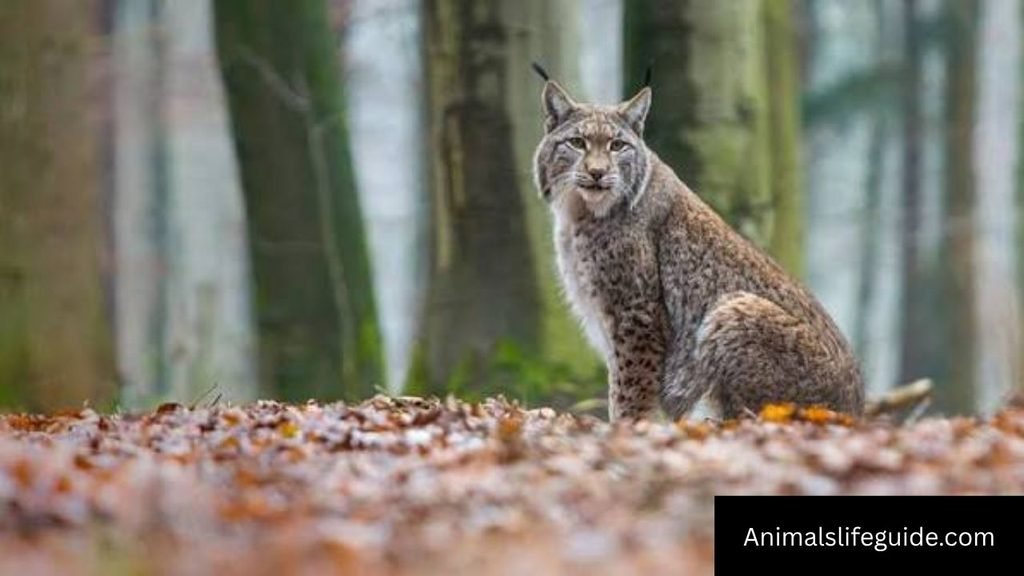
Socially, lynxes are intriguing creatures that balance solitary and social behaviors. During the breeding season, males and females come together, but outside this period, they thrive in solitude. Interestingly, their vocalizations range from screams to growls, showcasing a complex line of communication often unnoticed by those who might regard them as mere reclusive hunters. They also play a critical role in their ecosystem, controlling the populations of small mammals, particularly hares, and thereby contributing to the delicate balance of their environment. Understanding these intricacies helps deepen our appreciation of the lynx, a true symbol of the wild’s resilience and beauty.
Clam
Scientific Name: Mercenaria mercenaria
Class: Bivalvia
Diet: Filter-feeding; plankton
Clams, often overlooked in the vast tapestry of marine life, boast unique adaptations that highlight nature’s ingenuity. These bivalves possess a remarkable ability to filter water, cleansing up to 20 liters a day. This natural filtration system not only helps keep their environments clean but also plays a crucial role in maintaining healthy ecosystems, underscoring their importance beyond mere cuisine.
Digging deeper into their biology, clams exhibit fascinating reproductive strategies. Some species are hermaphroditic, meaning they possess both male and female reproductive organs, allowing them to adapt to varying population dynamics. Many clams have a larval stage that can float in the water column for weeks, increasing their chances of finding suitable habitats to settle. This adaptability is a testament to their resilience, proving that even the most unassuming creatures possess intricate life strategies that ensure their survival in changing marine environments.
Hawk
Class: Aves
Diet: Carnivorous
Hawks are remarkable raptors known for their keen eyesight and exceptional hunting skills. They can spot prey from miles away, thanks to eyes that contain up to three times more cone cells than humans. This incredible adaptation allows them to perceive a broader spectrum of colors and detect even the slightest movements — an advantage during the hunt. Unlike many birds, hawks experience a unique form of vision called “foveation,” enabling them to focus on multiple objects simultaneously, making them formidable hunters.
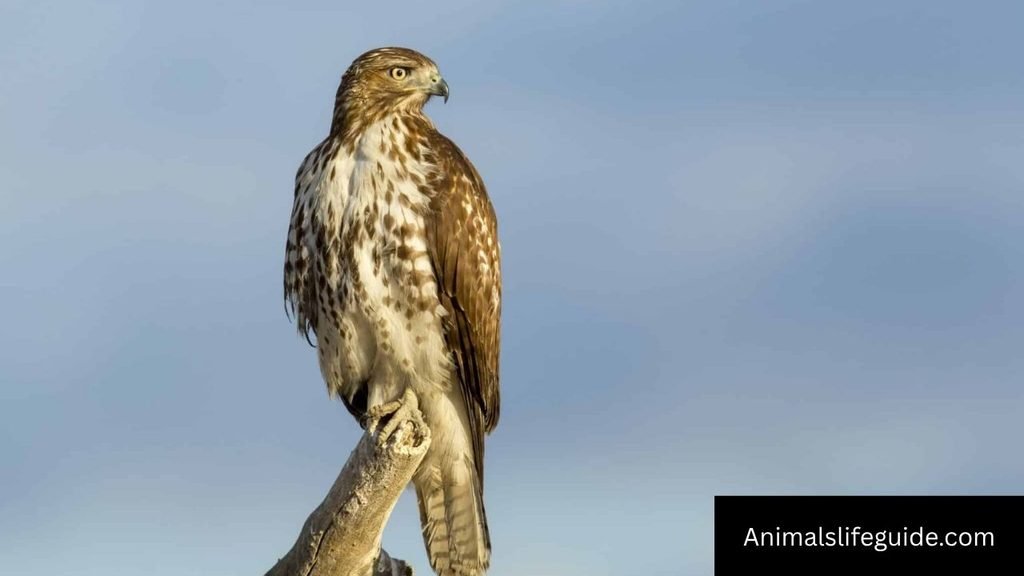
Another interesting aspect of hawks is their diverse vocalizations, which play crucial roles in their social interactions and territorial displays. Each species has its distinct call, ranging from sharp screams to melodious whistles. Interestingly, these vocalizations are not just for communication; they also serve as a means of establishing dominance and reinforcing pair bonds during mating seasons. Moreover, hawks exhibit different hunting techniques, from soaring high on thermals to surprises from tree branches, showcasing their adaptability to various environments. These attributes not only make them one of nature’s top predators but also highlight the intricate balance of the ecosystems they inhabit.
You Can Also Read: Explore Top 26 Animals With 3 Letters.
Mule
Scientific Name: Equus mulus
Class: Mammalia
Diet: Herbivorous
Mules, the hybrid offspring of a male donkey and a female horse, showcase a unique blend of traits from both parents. One of their most fascinating qualities is their remarkable strength and endurance, often outperforming horses in hard labor tasks like hauling loads or carrying heavy packs. This resilience is attributed to their donkey heritage, which provides them with a more efficient metabolism and superior stamina, making them ideal for farming and transportation in challenging terrains.
Interestingly, mules inherit a mix of temperaments as well. While donkeys are generally known for their cautious and sometimes stubborn demeanor, horses can exhibit a more spirited nature. Mules often strike a balance between these traits — intelligent and inquisitive, but also level-headed and gentle. This combination makes them not only reliable working animals but also excellent companions in both rural and leisure contexts.
Furthermore, mules are famously sterile due to their unique chromosomal composition, possessing 63 chromosomes, whereas horses have 64 and donkeys have 62. Despite their inability to reproduce, mules have long been valued throughout history for their versatility and resilience, from ancient civilizations to modern-day farms. Their longevity, often living well into their thirties, adds to their allure, making them an enduring symbol of strength and adaptability in the animal kingdom.
Pika
Scientific Name: Ochotona princeps
Class: Mammalia
Diet: Herbivorous
The pika, a small mammal resembling a cross between a rabbit and a mouse, is a fascinating creature that inhabits mountain ranges across North America and Asia. These adorable animals are known for their distinctive, high-pitched calls, which they use to communicate with one another amidst rocky terrains. While they may seem insignificant, pikas play a crucial role in their ecosystem; their foraging habits help maintain plant diversity by dispersing seeds and cultivating alpine meadows.
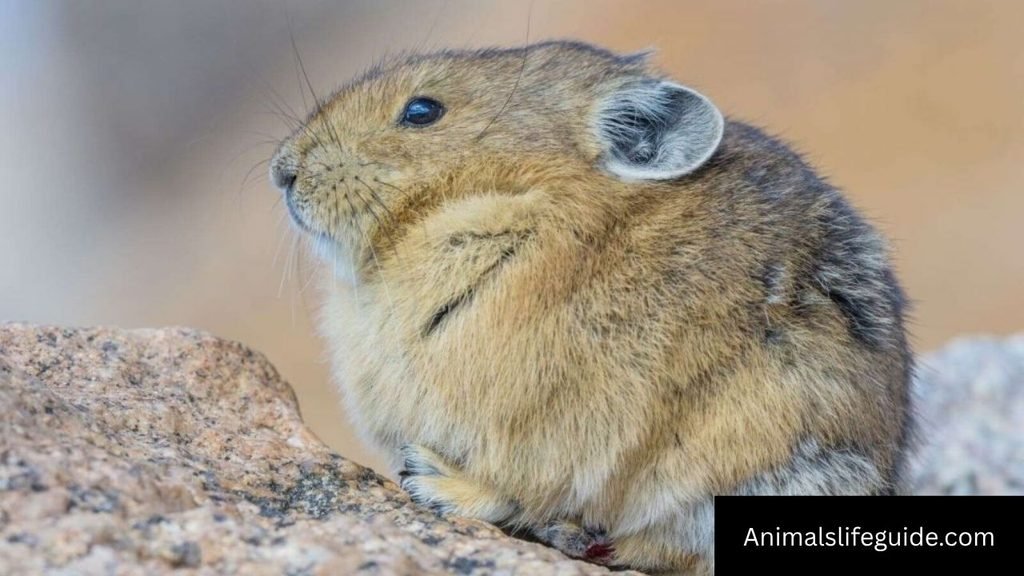
However, pikas face significant challenges due to climate change. As temperatures rise, their habitats are shrinking, pushing them to higher altitudes where survival becomes increasingly difficult. This struggle has made them a focus of scientific studies aimed at understanding the impacts of global warming on wildlife. Interestingly, pikas are known for their unique behavior of storing food in crevices to survive harsh winters — a strategy that not only showcases their intelligence but also highlights their adaptability in a rapidly changing environment. As these charming creatures continue to navigate their shifting landscapes, they serve as a poignant reminder of the delicate balance within ecosystems and the urgent need for conservation efforts.
Wasp
Scientific Name: Vespula vulgaris
Class: Insecta
Diet: Omnivorous
Wasps are often misunderstood creatures, primarily due to their penchant for stinging. However, these insects play a vital role in ecosystems as predators and pollinators. Many species actively hunt pests, helping to keep insect populations in check. A single wasp can consume thousands of caterpillars and aphids in a single season, making them unsung heroes in natural pest control.
Interestingly, wasps also exhibit a fascinating social structure, particularly in species like yellow jackets and paper wasps. Their colonies are intricate societies where roles are clearly defined — workers, queens, and drones contribute to the hive’s success. Even more intriguing is their ability to recognize individual faces within their colonies, showcasing a level of social intelligence rarely attributed to insects. This capacity for recognition suggests an intricate social network, elevating their status beyond mere nuisances to sophisticated social organisms with complex behaviors.
In addition to their ecological importance, wasps possess a unique form of communication. They leave chemical markers that convey messages to their peers, alerting them to food sources or potential dangers. This nuanced form of interaction adds another layer to our understanding of their behavior, arousing curiosity about what else might be hidden in the fascinating world of these often-feared but incredibly important insects.
Sole
Scientific Name: Solea solea
Class: Actinopterygii
Diet: Carnivorous
Sole, a flatfish belonging to the family Soleidae, presents a fascinating study in adaptation and behavior. Found primarily in shallow coastal waters, these fish are masters of camouflage, easily blending into sandy ocean floors. Their unique flat bodies allow them to lie discreetly on the seabed, escaping both predators and prying eyes. What’s particularly intriguing about sole is their ability to change coloration in response to their environment, a skill that not only assists in hunting prey but also enhances their defense mechanisms.
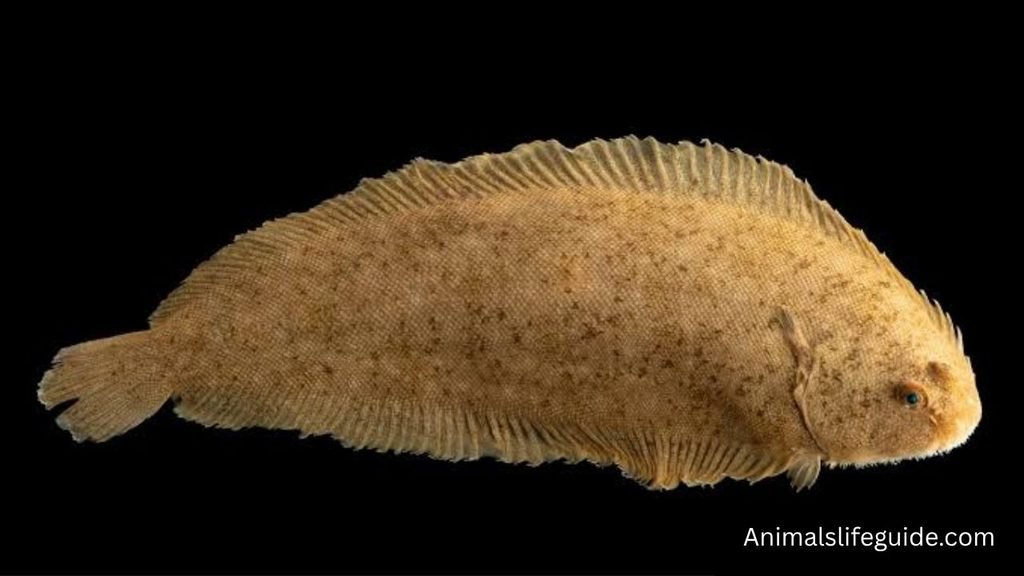
Sole also exhibit remarkable reproductive strategies. Females can release thousands of eggs at once, with larval stages that drift in the water column before settling down as juveniles. This complex life cycle is crucial for maintaining Sole populations in the face of environmental changes and fishing pressures. Moreover, their diet primarily consists of crustaceans and small fish, making them an important participant in marine food webs. Understanding these aspects of sole not only sheds light on their ecological roles but also underlines the challenges they face in a rapidly changing ocean.
Crow
Class: Aves
Diet: Omnivorous
Crows are often underestimated, but these avian marvels showcase some of the most advanced cognitive abilities in the animal kingdom. Research has revealed that crows can solve complex puzzles, use tools, and even understand cause and effect — a skill that rivals that of some primates. In fact, studies have demonstrated their ability to craft tools from twigs and leaves, showing not just intelligence but creativity in problem-solving.
Furthermore, crows exhibit surprising social behaviors, forming intricate family structures and communicating through a sophisticated range of vocalizations. They can recognize human faces, remembering those who pose threats and sharing this information with their peers, which enhances their survival. This remarkable memory hints at a level of social awareness that’s often overlooked, revealing a bird that thrives not just through instinct but through learned behavior and community intelligence. In appreciating the crow, one begins to see a creature that embodies the interconnectedness of intelligence, social interaction, and adaptability.
Ibex
Class: Mammalia
Diet: Herbivorous
Ibex are remarkable creatures known for their impressive climbing skills, inhabiting rugged mountain terrains across Europe, Asia, and North Africa. These agile ungulates can scale nearly vertical cliffs, aided by their specialized hooves, which feature a hard outer edge for grip and a softer inner pad for shock absorption. This unique adaptation not only allows them to escape predators but also to access the high-altitude vegetation that forms their diet, showcasing their impressive survival strategies in harsh environments.
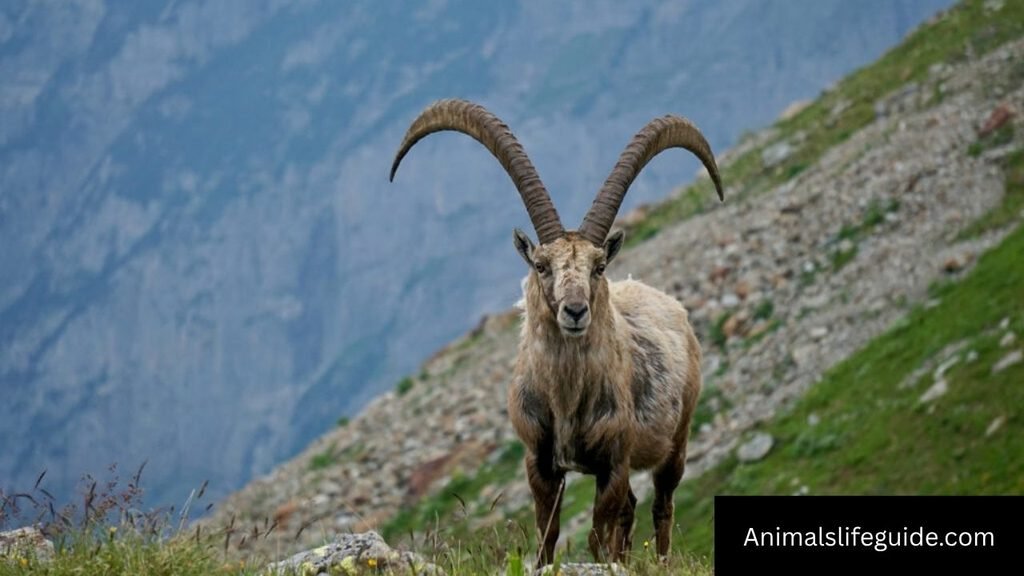
One of the most striking features of the ibex is the pronounced curve of their magnificent horns, which can grow up to three feet long. These horns are more than just a display of strength; they serve critical roles in mating rituals and territorial disputes. In the social structure of ibex herds, females and their young typically lead while males, called billies, often perform fascinating displays of dominance. These social dynamics provide a glimpse into the complexities of their behavior, challenging the notion that animal hierarchy is solely based on brute force.
Interestingly, ibex have also shown remarkable adaptability to climate change, with studies indicating shifts in their range in response to warming temperatures. This resilience could provide valuable insights into conservation strategies for mountain ecosystems facing environmental challenges. By examining the lives of ibex, we gain a deeper appreciation for the interplay between species and their habitats, reminding us of the delicate balance of nature that sustains them.
Frog
Class: Amphibia
Diet: Carnivorous
Frogs are fascinating creatures that showcase an extraordinary adaptation to their environments, often embodying the notion of transformation in nature. With their unique life cycle — from egg to tadpole to adult frog — they remind us of the beauty of metamorphosis. Interestingly, some frog species possess the remarkable ability to change color in response to their surroundings, enhancing their camouflage against predators while also playing a role in communication during mating rituals.
Beyond their iconic croaks, frogs contribute significantly to ecosystems as both predators and prey. Their diet primarily consists of insects, helping control pest populations, while their presence in the food chain provides sustenance for various birds, snakes, and mammals. Alarmingly, researchers estimate that nearly one-third of all amphibian species are currently facing the threat of extinction, largely due to habitat loss and climate change. This decline not only disrupts ecological balance but also signals the health of our environment, as frogs are often considered indicators of ecosystem integrity. Recognizing the vital role frogs play in our world challenges us to act as stewards of their habitats, ensuring their survival for future generations.
Dace
Scientific Name: Leuciscus leuciscus
Class: Actinopterygii
Diet: Omnivorous
Dace, often mistaken for more common fish species, are fascinating representatives of the cyprinid family, commonly found in freshwater rivers and streams throughout Europe and Asia. They thrive in cool, flowing waters, which not only promotes their health but also influences their unique feeding habits. Named for their remarkable schooling behavior, dace utilize social structures to defend against predators, showcasing a level of intelligence that many might not associate with such small fish.
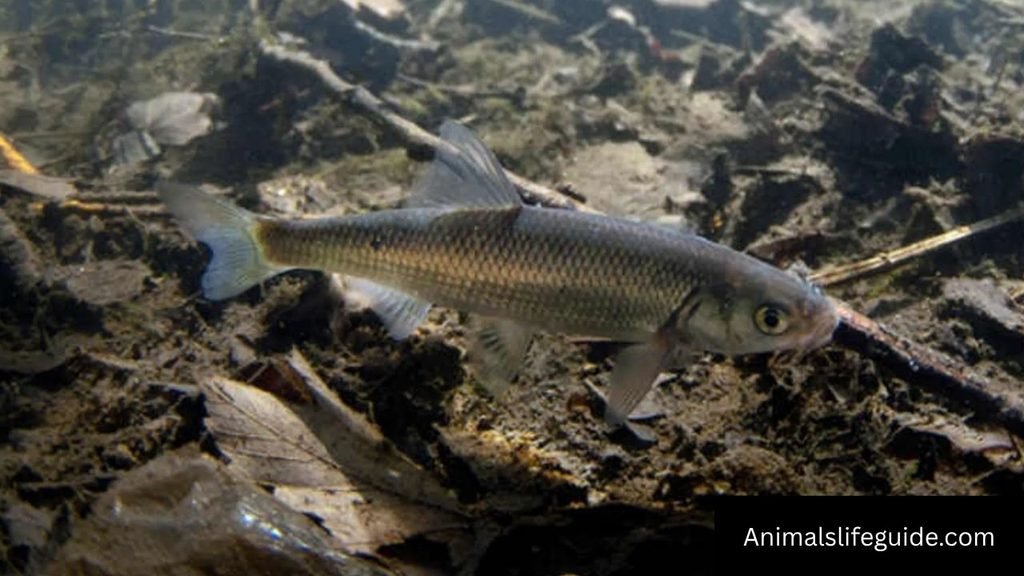
Interestingly, the species exhibits remarkable adaptability to changing environmental conditions. They can adjust their feeding strategies based on seasonal shifts; during warmer months, they favor insects and zooplankton, while in autumn, they transition to a diet rich in algae and plant matter. This dietary flexibility not only highlights their resilience but also plays a crucial role in maintaining ecological balance. More than just a food source for larger predators, dace serve as bioindicators, signaling the health of their freshwater ecosystems and reminding us of the intricate connections within aquatic environments.
Bear
Scientific Name: Ursidae
Class: Mammalia
Diet: Omnivorous
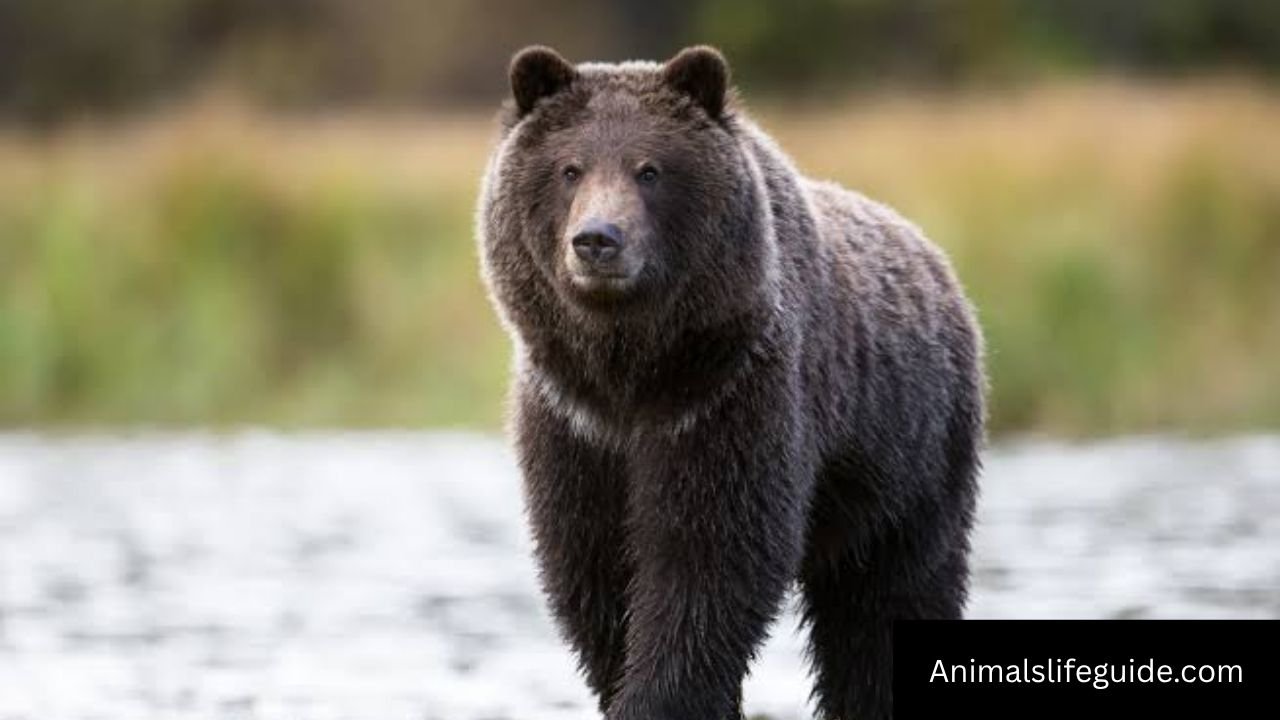
Bears are remarkable creatures, often perceived solely as mighty predators, but their social and emotional intelligence reveals a softer side. For instance, a mother bear’s bond with her cubs is incredibly strong; she can recognize their individual vocalizations and has been observed using various calls to communicate with them. This intricate social structure not only showcases their nurturing instincts but also highlights complex emotional behaviors akin to those of humans.
Interestingly, bears possess an extraordinary sense of smell, reportedly seven times more acute than that of a bloodhound. This gift allows them to detect food sources from miles away, leading some to argue that their foraging strategies are comparable to those of human hunters. Yet, contrary to popular belief, bears are omnivorous and will often opt for a plant-based diet when available, displaying a remarkable adaptability that has allowed them to thrive in diverse environments. This flexibility is a testament to their evolutionary success, allowing them not only to survive but to flourish across different habitats.
Kiwi
Scientific Name: Apteryx australis
Class: Aves
Diet: Omnivorous
The kiwi, an iconic flightless bird native to New Zealand, is a fascinating example of evolution in isolation. Its unique characteristics include a long, slender beak equipped with sensitive nostrils, allowing it to forage effectively in the forest floor’s leaf litter. Unlike most birds, kiwis have a highly developed sense of smell, which they rely on to locate insects and worms buried underground — an adaptation that showcases the bird’s specialized ecological niche.
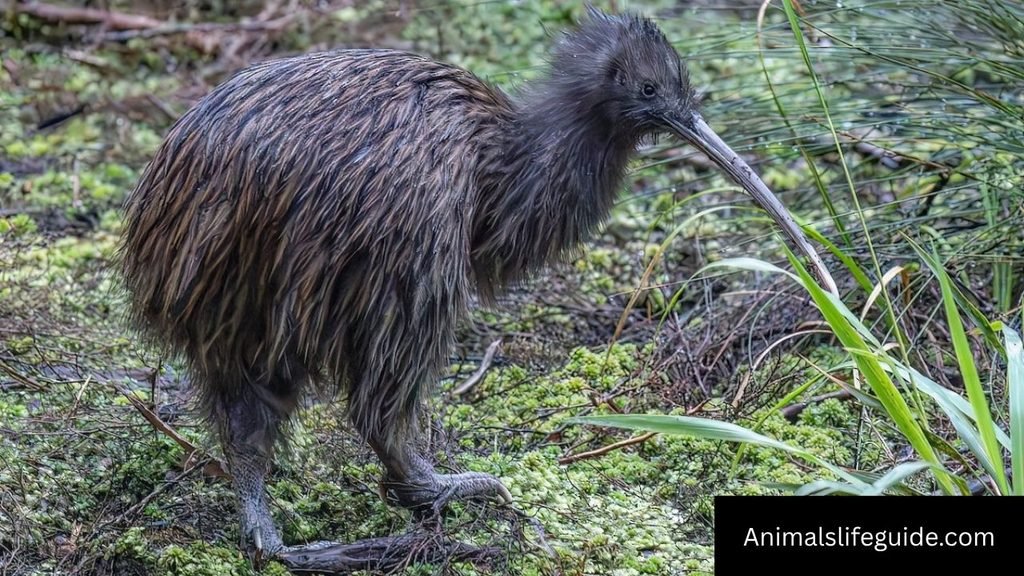
Interestingly, kiwis are nocturnal, further differentiating them from many other avian species. Their small size, roughly that of a chicken, belies their significance in Maori culture, where they symbolize strength and endurance. As New Zealand’s national icon, these birds face significant threats, including habitat loss and predation by introduced species like rats and cats. Conservation efforts are pivotal, with dedicated programs working to protect and revive kiwi populations, highlighting the importance of preserving this unique avian treasure for future generations.
Mole
Scientific Name: Talpa europaea
Class: Mammalia
Diet: Carnivorous
Moles are fascinating creatures that have adapted incredibly well to a subterranean lifestyle. With powerful forelimbs and sensitive whiskers, they can dig through soil at impressive speeds, creating extensive networks of tunnels. These tunnels not only serve as homes but also as hunting grounds, allowing moles to ambush earthworms and insects with agility and stealth. Remarkably, their eyes are tiny and often covered with skin, as they rely heavily on their other senses to navigate the dark, underground world.
One of the most intriguing aspects of moles is their ability to breathe while digging. They possess unique adaptations that allow them to store oxygen in their bodies, which helps them work tirelessly underground. Interestingly, not all moles are solitary; some species exhibit social behaviors, forming small family groups that cooperate in caring for young. Moles play a significant role in soil aeration, turning over earth and enriching it with nutrients, which ultimately benefits the overall ecosystem. Their largely unseen presence is a reminder of how interconnected life is beneath our feet.
Tuna
Scientific Name: Thunnus thynnus
Class: Actinopterygii
Diet: Carnivorous
Tuna are fascinating creatures, known for their impressive speed and remarkable biology. Capable of swimming up to 75 miles per hour, these powerful fish are not only efficient predators but also play a crucial role in the marine ecosystem. Their streamlined bodies are designed for swift movement, allowing them to traverse vast ocean distances, sometimes covering thousands of miles during migration. Interestingly, tuna are warm-blooded, a rarity among fish, which allows them to maintain a higher body temperature than the surrounding water. This adaptation provides a crucial edge when pursuing prey in cold depths.
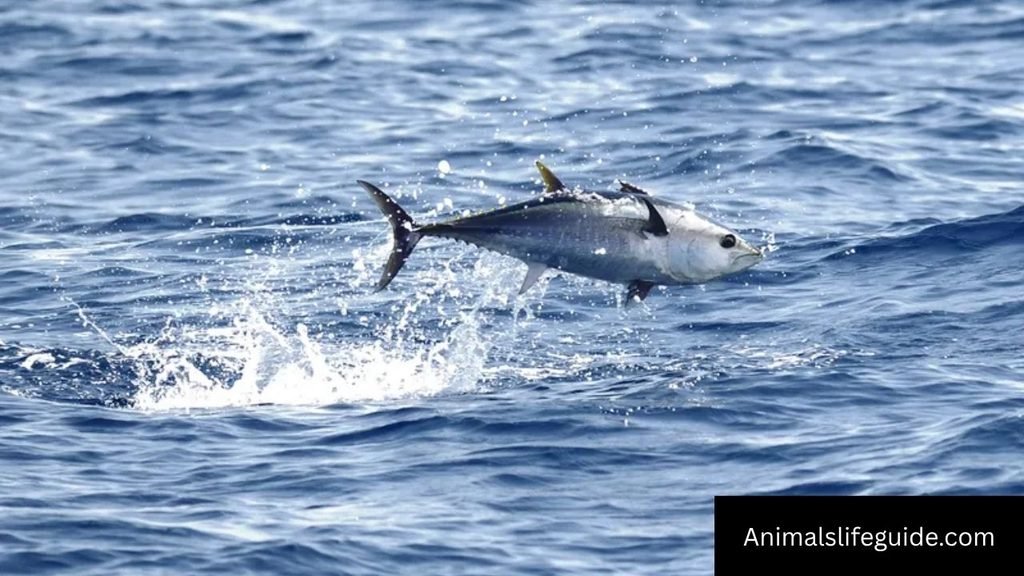
Furthermore, tuna have a sophisticated social structure; they often travel in schools, offering protection from larger predators. The social dynamics can be quite complex, involving intricate communication methods, including body language and changes in speed. Tuna are also a favorite among sport fishermen and are revered in various cultures, particularly in Japanese cuisine, where their flesh is used to create iconic dishes like sushi and sashimi. However, the rising demand for tuna has led to concerns about overfishing, prompting many conservationists to advocate for sustainable fishing practices to preserve these remarkable species for future generations.
Rhea
Scientific Name: Rhea americana
Class: Aves
Diet: Omnivorous
Rheas are fascinating flightless birds native to South America, often compared to their ostrich and emu relatives. Standing up to 5.6 feet tall, these birds possess exceptional adaptability, thriving in various habitats ranging from grasslands to shrublands. Their long legs are not just for show; they can run at speeds of up to 40 miles per hour, a truly impressive feat for creatures of their size. This agility helps them evade predators and navigate their often rugged landscapes.
Socially, rheas are intriguing as they typically live in large groups, sometimes numbering in the hundreds. This communal lifestyle aids in protection against threats, but it also plays a crucial role in their breeding strategy. Males often attract several females, creating a polyandrous system where one male incubates eggs laid by multiple partners, sharing the responsibilities of raising the young. This unique breeding behavior reflects a complex social dynamic that challenges the traditional narratives of avian reproduction.
Another captivating aspect of rheas is their vocalizations, which range from deep booming sounds to high-pitched whistles, used for communication among flock members. These vocal cues hold social significance and are essential during mating rituals. Their fascinating blend of social behaviors, physical adaptations, and evolutionary strategies makes the rhea not just an unusual bird, but a vital part of the South American ecosystem.
Flea
Scientific Name: Ctenocephalides felis
Class: Insecta
Diet: Blood-feeding
Fleas, often seen as mere nuisances, have an astonishing biological story that sets them apart in the animal kingdom. These tiny insects can leap over 200 times their body length — an extraordinary feat that makes them one of the most agile jumpers relative to size. This ability isn’t just for show; it helps them navigate through fur and feathers, allowing them to evade their primary enemy: the meticulous groomer. With a remarkable resilience, a female flea can consume up to 15 times her own body weight in blood daily, fueling rapid reproduction that can lead to infestations in a matter of days.
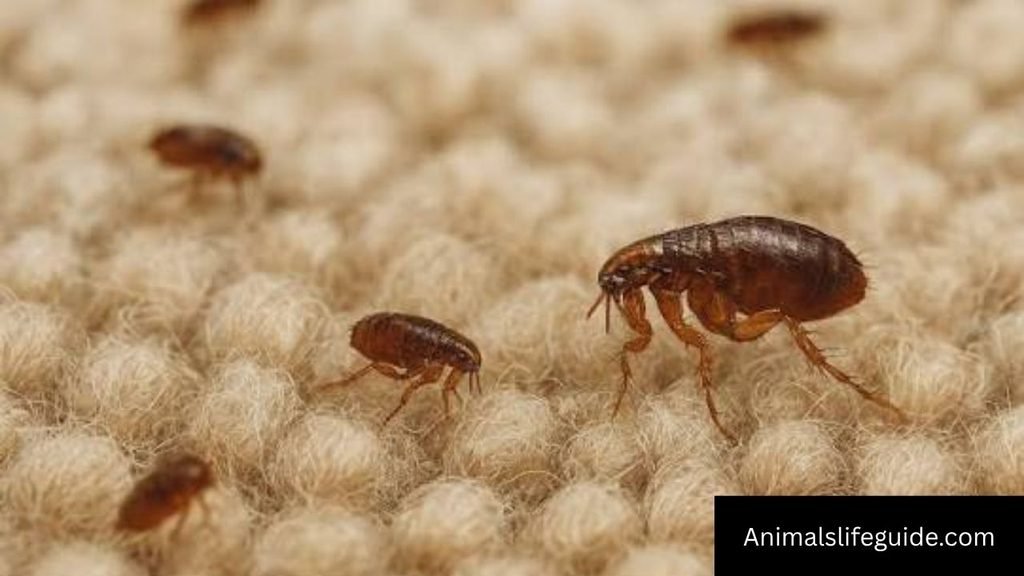
Moreover, fleas have a unique method of detection that’s truly fascinating. They can sense body heat and carbon dioxide, allowing them to hone in on potential hosts from significant distances. This biological radar is finely tuned; as warm-blooded animals exhale, fleas can latch on almost instinctively. Interestingly, their lifecycle is a marvel of adaptation: from eggs that can lie dormant for months to larvae that consume organic debris, managing to thrive even in the harshest conditions. Understanding these traits not only reveals the incredible adaptability of fleas but also highlights the broader ecological roles they play in various ecosystems.
Seal
Class: Mammalia
Diet: Carnivorous
Seals are truly remarkable creatures, showcasing a fascinating blend of adaptation and agility. With their streamlined bodies and blubber-rich layers, they are perfectly designed for life in icy waters and can dive to impressive depths — up to 1,500 feet for some species. Their whiskers, or vibrissae, serve an incredible purpose; they can detect changes in water currents and the slightest movements of prey, allowing them to hunt effectively even in murky conditions.
Social structures among seals can be surprisingly complex, with many species forming large breeding colonies that facilitate intricate social interactions. Some seals exhibit remarkable vocalizations, employing a range of sounds for communication that can indicate everything from territory claims to mating rituals. Their intelligence rivals that of other marine mammals; studies have shown that seals can recognize human faces and have exhibited problem-solving skills in various environments. This interplay of social behavior and cognitive capability invites a deeper appreciation of their lives and underscores the vibrant ecosystems they inhabit.
Tang
Class: Actinopterygii
Diet: Herbivorous
The Tang fish, often seen gliding gracefully through coral reefs, is a vibrant marvel of the marine world. Among its most intriguing traits is its vibrant coloring, which serves as both a form of camouflage and a social signal. Different species, such as the popular Blue Tang, exhibit hues that can change slightly based on their mood or environment — an adaptation that highlights their dynamic nature and emotional responses to surroundings.
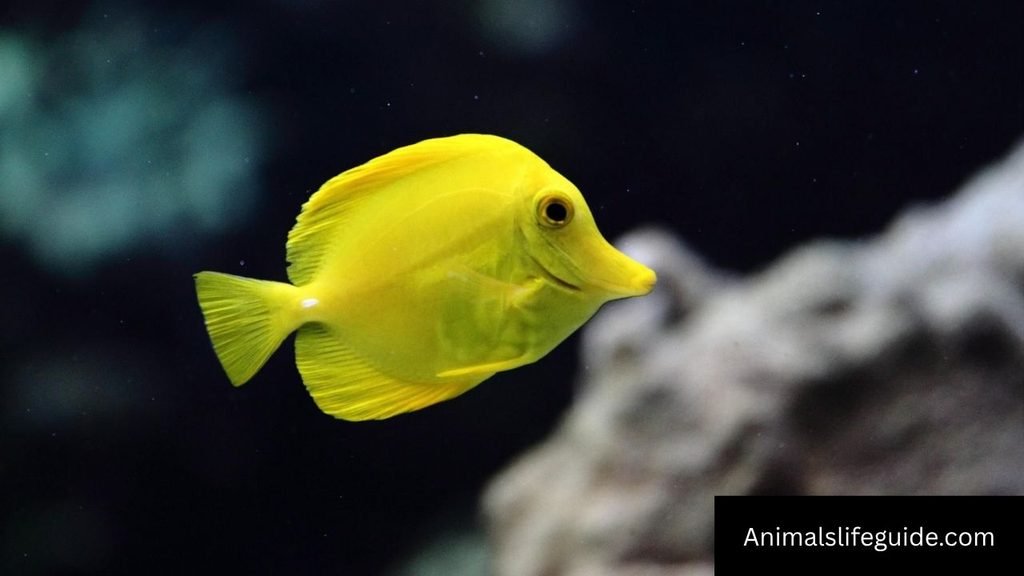
Moreover, Tang fish are not just beautiful; they play a crucial ecological role. As herbivores, they help maintain the health of coral reefs by grazing on algae, preventing overgrowth that can smother corals and disrupt the entire marine ecosystem. Their unique ability to navigate complex reef structures makes them excellent at foraging, showcasing an intelligence that adds depth to their reputation as mere colorful creatures. Through observing these fish, we can gain invaluable insights into the interconnectedness of ocean life and the delicate balance that sustains marine ecosystems.
Wolf
Scientific Name: Canis lupus
Class: Mammalia
Diet: Carnivorous
Wolves are social creatures known for their complex pack dynamics, which can be surprisingly similar to human social structures. A typical pack ranges from 2 to 15 members, often led by a dominant breeding pair known as the alpha male and female. What’s fascinating is that this social hierarchy is not just about dominance; it involves cooperation, communication, and shared responsibilities. Each pack member plays a crucial role, from hunting to caring for the young, showcasing an intricate web of interdependence.
Moreover, wolves possess an incredible sense of smell — up to 100 times that of humans. This keen olfactory capability allows them to detect prey from miles away, critical for survival in diverse habitats. Interestingly, wolves also use this heightened sense during social interactions; they can smell individual pack members, which strengthens their bonds and helps maintain social cohesion. By communicating through a combination of vocalizations, body language, and scent, wolves reveal a depth of social intelligence that challenges conventional views of animal behavior. Their adaptability and intricate social ties offer an inspiring glimpse into the complexity of life in the wild, reminding us that there’s much more beneath the surface than meets the eye.
Toad
Scientific Name: Bufo bufo
Class: Amphibia
Diet: Carnivorous
Toads, often overshadowed by their more glamorous amphibian cousins, frogs, possess an incredible array of adaptations that make them fascinating in their own right. For instance, many toad species have developed a unique skin secretion that acts as a defense mechanism against predators. These secretions can contain potent toxins, deterring would-be attackers and allowing the toad to escape potential danger. Interestingly, some cultures have historically revered toads for their supposed connection to fertility and prosperity, further highlighting their complex place in human mythology.
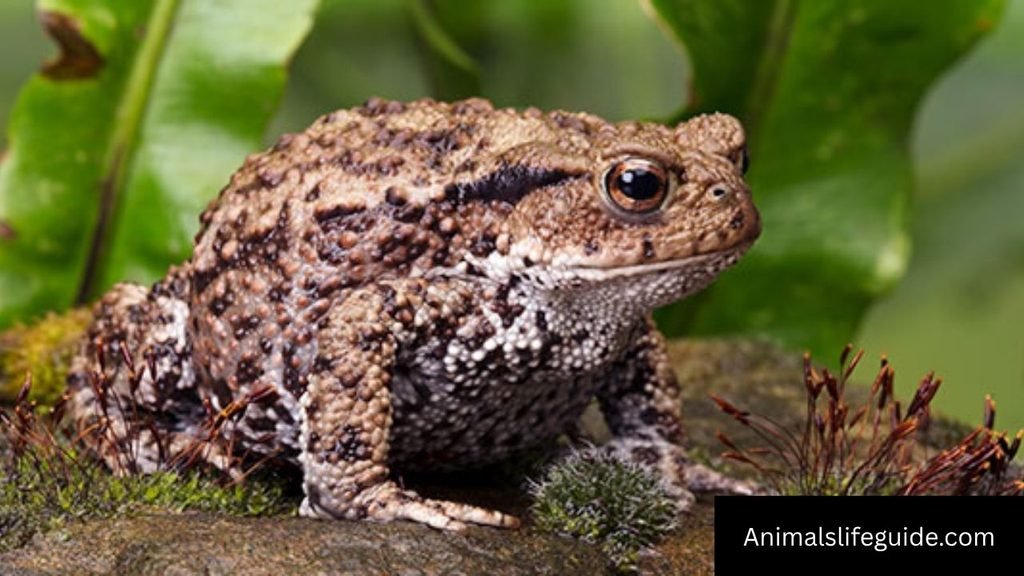
Another captivating aspect of toads is their remarkable resilience to environmental changes. Unlike many amphibians that are sensitive to pollution and habitat loss, certain toad species can thrive in urban areas, demonstrating a unique ability to adapt to human-altered landscapes. The common toad, for example, has become a common sight in gardens, where it plays a vital role in pest control by consuming insects. This eerie yet charming creature is not just a passive participant in its ecosystem; it’s a dynamic contributor, showcasing nature’s intricacies and the interconnectedness of all living beings.
Carp
Scientific Name: Cyprinus carpio
Class: Actinopterygii
Diet: Omnivorous
Carp are fascinating creatures, often underestimated in the aquatic world. Known for their adaptability, they thrive in a variety of environments — from murky ponds to flowing rivers — thanks to their ability to tolerate low oxygen levels and high pollution. This resilience not only makes them a common sight in many regions, but it also highlights their evolutionary success. Interestingly, carp have been integral to human culture for centuries, regarded as symbols of strength and perseverance in various traditions, especially in East Asia where they are celebrated during festivals.
Moreover, these fish possess a remarkable ability to communicate through a combination of vocalizations and body language, something many people might not associate with freshwater fish. Their social structures are complex; they often school together to forage, displaying a level of interaction that hints at strong social bonds. Some species, like the Koi carp, have become sought-after ornamental fish, revered not just for their beauty but for the intricate symbolism they represent — such as good fortune and transformation. This complexity of life reveals that carp are not just ordinary fish; they embody a rich interplay of nature and culture, showcasing the depths of life beneath the surface.
Orca
Scientific Name: Orcinus orca
Class: Mammalia
Diet: Carnivorous
Orcas, also known as killer whales, command both fascination and admiration with their complex social structures and remarkable intelligence. Living in tightly-knit family groups called pods, these social mammals display behaviors that resemble human societal interactions, including cooperation in hunting and parenting. In fact, their social bonds can be so strong that they may even mourn their dead, lingering around deceased members and exhibiting signs of distress.
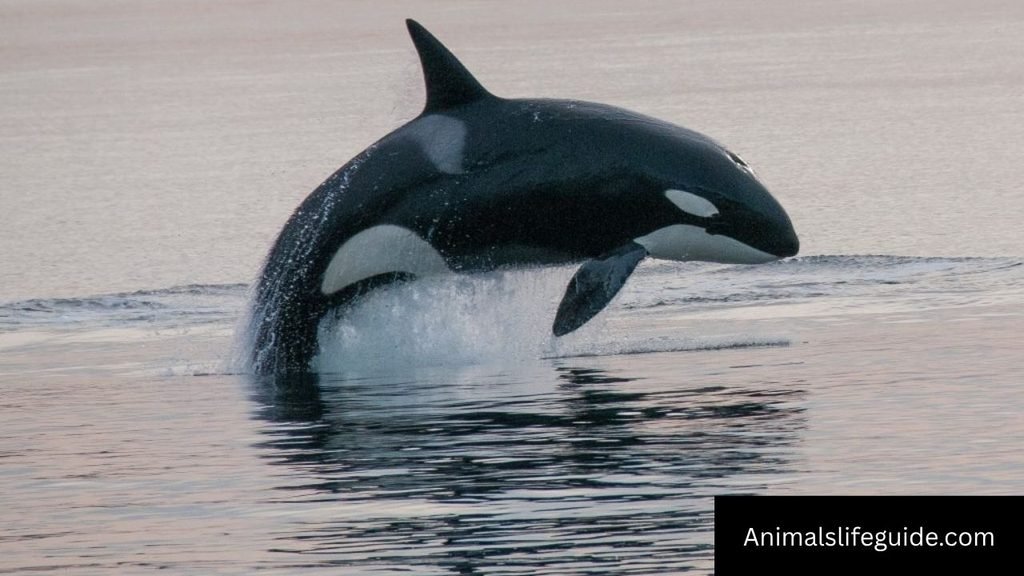
Notably, orcas have diverse diets that vary significantly depending on their pod’s culture, demonstrating an extraordinary level of adaptability in their feeding habits. Some orcas specialize in hunting seals, while others may target school fish or even larger whales, showcasing an impressive ability to strategize and communicate. Their vocalizations create a complex language system that is exclusive to each pod, serving as a unique cultural identifier. This fascinating mix of social sophistication and environmental adaptability not only highlights their intelligence but also draws intriguing parallels to human behavior in communal living and communication.
Deer
Scientific Name: Cervidae
Class: Mammalia
Diet: Herbivorous
Deer are some of the most adaptable animals in the wild, thriving in diverse habitats ranging from dense forests to sprawling grasslands. Interestingly, they exhibit a complex social structure often revolving around matriarchal groups, especially in species like white-tailed deer. These groups can demonstrate remarkable communication through a series of vocalizations, body language, and scent marking, which are essential for maintaining social bonds and warding off predators.
Surprisingly, deer are also gifted athletes; they can jump up to ten feet high and cover distances of over 30 feet in a single bound when fleeing from danger. Their incredible agility is complemented by a remarkable sense of smell, with a nasal structure that allows them to detect scents from miles away — a crucial adaptation for both foraging and avoiding threats. Furthermore, the seasonal shedding of their antlers not only serves aesthetic purposes but also plays a vital role in their social dynamics during mating season, signaling strength and health to potential mates. Whether navigating through the underbrush or resting quietly under a tree, deer embody the elegance and resilience of nature’s creatures.
Tick
Scientific Name: Ixodes scapularis
Class: Arachnida
Diet: Blood-feeding
Ticks, often regarded as mere pests, are fascinating arachnids with complex lifestyles and remarkable adaptations. Despite their small size, they are master survivalists, capable of enduring extreme environmental conditions, including freezing temperatures and droughts. These resilient creatures can pause their life cycle for several months to several years, waiting patiently for the perfect opportunity to latch onto a host. This ability speaks volumes about their evolutionary success in a world where many species coexist and compete.
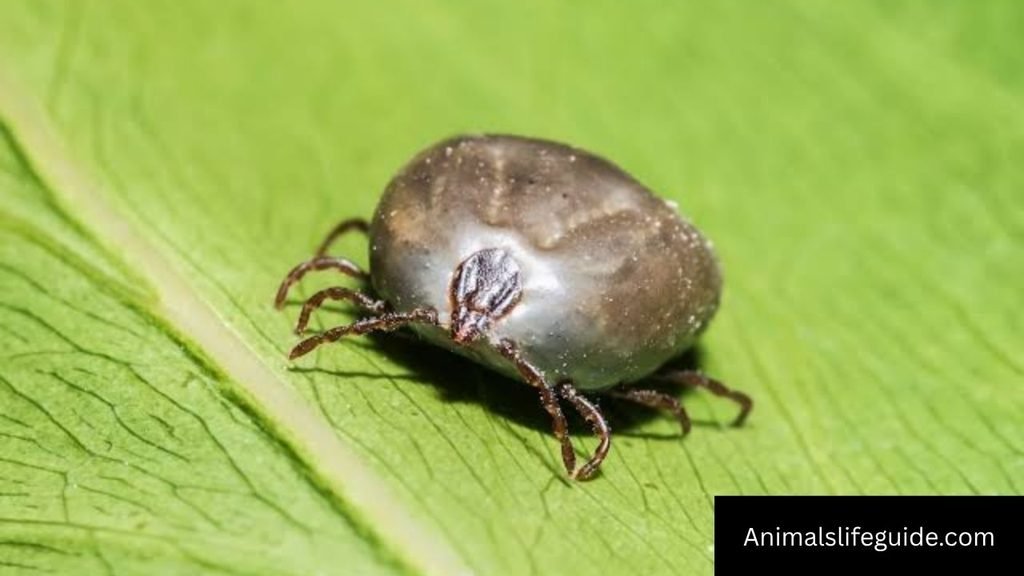
Moreover, ticks play a controversial role in ecosystems. They serve as a food source for birds, amphibians, and even some mammals, integrating them into the web of life. However, their infamous reputation as vectors for diseases such as Lyme disease and Rocky Mountain spotted fever drives a crucial conversation about wildlife health and human interaction. Understanding tick ecology can enhance our approach to tick-borne disease prevention, encouraging us to adopt eco-friendly practices in managing these often-overlooked creatures. By appreciating the complexity of ticks, we can work towards coexistence while safeguarding our health.
Pike
Class: Actinopterygii
Diet: Carnivorous
The pike, with its elongated body and sharp teeth, is a remarkable predator residing in freshwater lakes and rivers across North America, Europe, and Asia. Known scientifically as “Esox lucius”, the northern pike can grow impressively large, with some specimens exceeding 4 feet in length. This apex predator employs a fascinating hunting strategy — lying in wait among submerged vegetation and striking with astonishing speed and precision to capture unsuspecting prey, which typically includes smaller fish.
Moreover, the pike’s enigmatic reproductive habits are just as intriguing. During the spawning season, which usually coincides with the thawing of icy waters, pike migrate to shallow areas where they lay tens of thousands of eggs. Interestingly, these eggs are often sticky and attach to vegetation, providing some protection against predators, including those from their own species. As the young pike grow, they reveal a surprisingly complex social structure; while some thrive in solitude, others exhibit a schooling behavior, showcasing a blend of solitary and social instincts that enrich their behavioral repertoire. This remarkable adaptability not only enhances their survival chances but also emphasizes their role in maintaining aquatic ecosystem balance.
Wren
Scientific Name: Troglodytes troglodytes
Class: Aves
Diet: Insectivorous
The wren, a small but mighty bird, captivates with its vibrant personality and remarkable adaptability. With over 80 species scattered across the globe, these tiny creatures showcase a stunning range of sizes and colors. Wrens are often known for their energetic behavior and melodious songs, which can vary significantly between species. Their ability to sing over 200 different notes allows them to express a rich tapestry of emotions, marking their territory or attracting a mate.
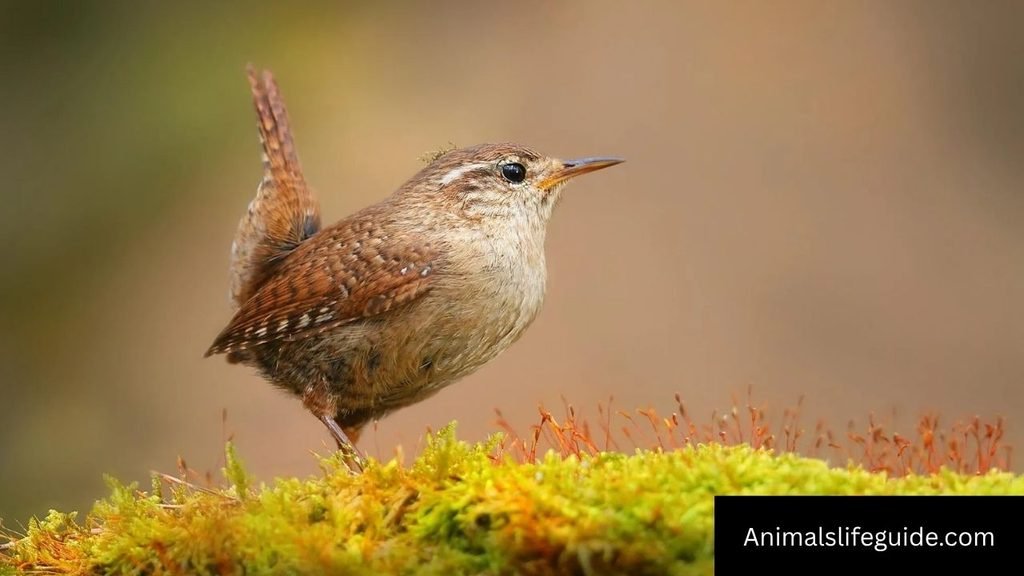
One intriguing aspect of wrens is their nesting behavior; many build intricate nests that can be surprisingly large when considering their small size. Some species, like the house wren, will go to great lengths, even incorporating unconventional materials like plastic or string, transforming their nests into artistic creations. Beyond their nesting habits, wrens are efficient foragers, using their agile bodies to navigate through dense vegetation as they hunt for insects and seeds. This adaptability is not only crucial for survival but also a testament to their evolutionary successes in various environments, from urban gardens to dense forests. Each flit and chirp adds a lively chapter to the story of nature, reminding us of the wonders that exist in our backyards.
Crab
Scientific Name: Carcinus maenas
Class: Malacostraca
Diet: Omnivorous
Crabs are fascinating creatures that boast a unique combination of adaptability and resilience. With over 6,800 species ranging from the minuscule pea crab to the giant Japanese spider crab, they inhabit diverse environments — from bustling reefs to the eerie depths of the ocean. Their ability to thrive in varying salinities allows them to venture into brackish waters, showcasing their remarkable flexibility in habitat preferences.
What’s truly captivating about crabs is their complex social behavior. Many species engage in elaborate communication, using body language and pheromones to convey messages, attract mates, or establish territory. The fiddler crab, for instance, is known for its distinctive asymmetrical claws, where males wave their oversized appendage to attract females — a dance that is as much about survival as it is about courtship. Furthermore, crabs can also exhibit intriguing parental care; the female horseshoe crab, for instance, meticulously protects her eggs in a nest until they hatch, showcasing the nurturing side of these otherwise tough crustaceans.
Crabs possess a superpower you might not expect: their ability to regenerate lost limbs. This capability not only aids in survival from predators but also plays a crucial role in their ongoing adaptation to changing environments. As environmental pressures mount, crabs continue to evolve, making them a living testament to the wonders of adaptability in the animal kingdom.
Ibis
Scientific Name: Threskiornis aethiopicus
Class: Aves
Diet: Omnivorous
The ibis, often recognized for its long, slender legs and curved bill, is more than just a striking figure in wetlands; it plays a crucial role in ecosystem balance. These birds are scavengers, feasting on insects, crustaceans, and even small mammals, which keeps local populations in check. Their feeding habits help maintain the health of marshy habitats, making them integral to both the environment and the food web.
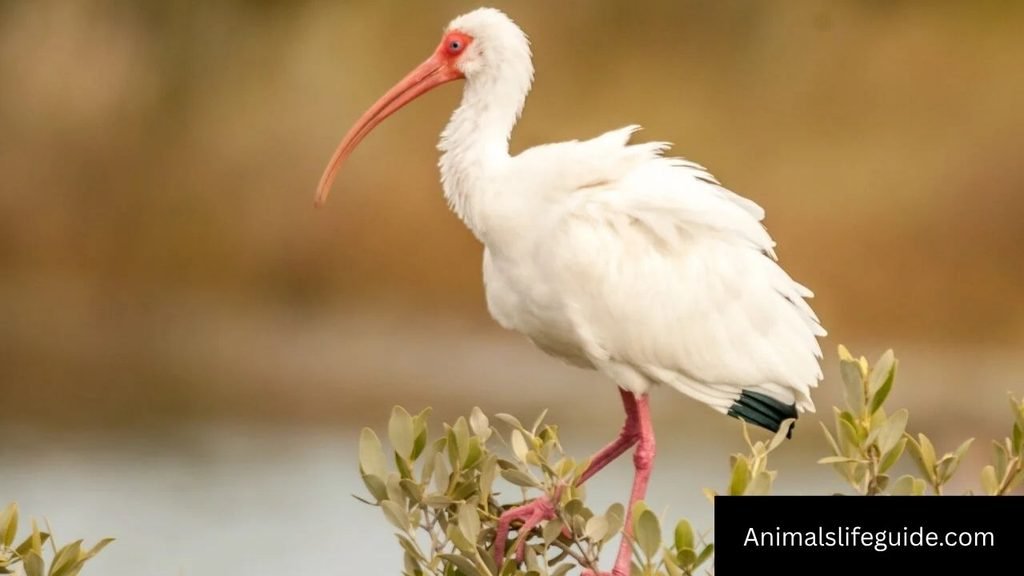
Interestingly, ibises display strong social behaviors, often foraging and nesting in large colonies. Their intricate mating rituals include a mesmerizing aerial display, where males perform graceful flight patterns to attract potential partners. This communal lifestyle not only enhances their protection from predators but also facilitates the exchange of knowledge regarding food sources and nesting sites, showcasing a hive-like intelligence in these seemingly simple birds. Ultimately, the ibis stands as a symbol of ecological harmony, skillfully blending functionality with beauty in our natural world.
Vole
Scientific Name: Microtus agrestis
Class: Mammalia
Diet: Herbivorous
Voles, often overshadowed by their more famous rodent cousins, play a fascinating role in their ecosystems. These small mammals, resembling miniature mice, are not just prolific burrowers; they are also critical players in the food chain. Predators like hawks, owls, and foxes rely heavily on voles for sustenance, making them a key link in maintaining ecological balance. Interestingly, voles demonstrate a remarkable variety in behavior and social structure, with some species living in monogamous pairs while others form larger communal groups, exhibiting complex social interactions that challenge our assumptions about rodent behavior.
Moreover, voles have a unique adaptability that allows them to thrive in diverse habitats, from wetlands to grasslands. Their ability to reproduce rapidly — sometimes litters contain up to 10 young — enables populations to bounce back quickly after predation events or environmental changes. This resilience reflects their evolutionary strategy of survival, highlighting the intricate dance between predator and prey. Their burrowing habits significantly aerate the soil and contribute to plant diversity, underscoring their importance beyond mere population numbers. Thus, voles are not just plentiful; they are pivotal players in sustaining the ecosystems they inhabit.
Duck
Scientific Name: Anas platyrhynchos
Class: Aves
Diet: Omnivorous
Ducks are fascinating creatures that exhibit a surprising range of behaviors and adaptations. One remarkable aspect of ducks is their ability to sleep with one eye open. This unique trait allows them to remain vigilant against predators, demonstrating an incredible balance between rest and awareness. Ducks possess a specialized locking mechanism in their necks, enabling them to keep their heads upright while sleeping — an adaptation that helps them stay alert in the wild.
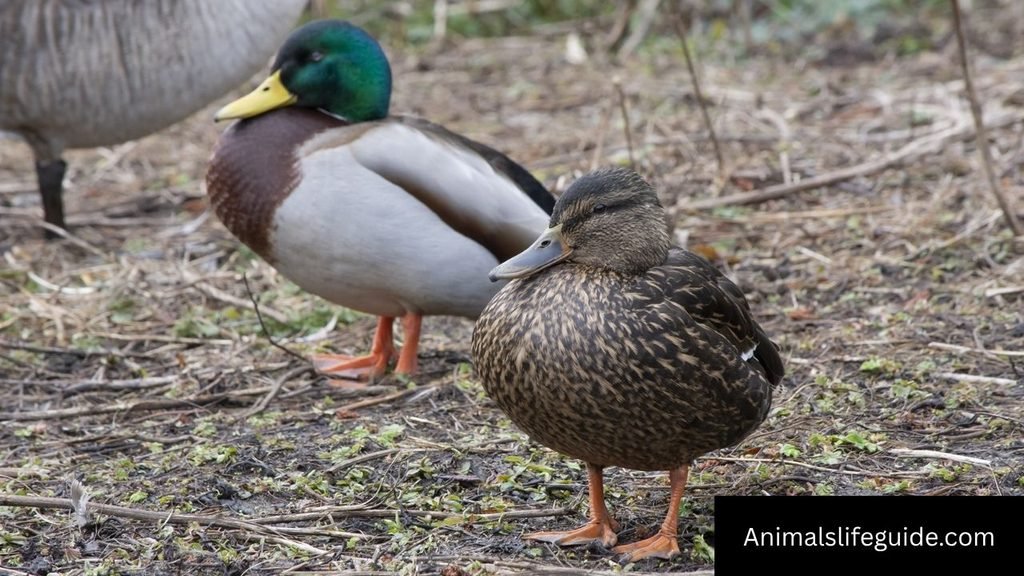
Socially, ducks are as diverse as their environments; they thrive in groups called rafts or paddlings, which foster camaraderie and safety. Their communication skills are also noteworthy; ducks can produce a wide variety of sounds beyond the familiar quack, using different calls to express alarm, attract mates, or even indicate that it’s time for a meal. Interestingly, some species of ducks migrate thousands of miles, showcasing their incredible navigation abilities. Navigating by the stars and the Earth’s magnetic field during these long treks, ducks demonstrate resilience and instinctive precision that can inspire awe and appreciation for these often-overlooked birds.
Hare
Scientific Name: Lepus europaeus
Class: Mammalia
Diet: Herbivorous
Hares possess unique adaptations that set them apart from their smaller cousins, rabbits. One of the most fascinating characteristics is their incredible speed; hares can reach up to 45 miles per hour, a remarkable feat that allows them to evade predators in open habitats. Unlike rabbits, who often hide in burrows, hares rely on their agility and ability to make sharp turns, using the terrain to their advantage.
A lesser-known aspect of their behavior is their intriguing mating rituals. Male hares engage in a behavior called “boxing,” where they stand on their hind legs and punch each other with their front paws, showcasing their strength and stamina. This unique display not only asserts dominance but also plays a crucial role in the selection process, paving the way for stronger genes in future generations. Furthermore, hares exhibit a fascinating phenomenon known as “leveret,” where newborns are born fully furred and with their eyes open, ready to hop within hours, a survival strategy essential for evading early threats in the wild. Such traits not only underscore nature’s ingenuity but also paint a vivid picture of how creatures adapt and thrive in diverse environments.
Moth
Scientific Name: Bombyx mori
Class: Insecta
Diet: Herbivorous
Moths, often overshadowed by their more glamorous butterfly relatives, possess a fascinating array of adaptations that make them unique. For instance, many species have evolved to converse with their environment through sophisticated chemical communication. They can detect pheromones from miles away, utilizing these scents to find mates or navigate through their habitats. This olfactory prowess highlights not just their survival strategies but also the intricate ecosystems they inhabit.
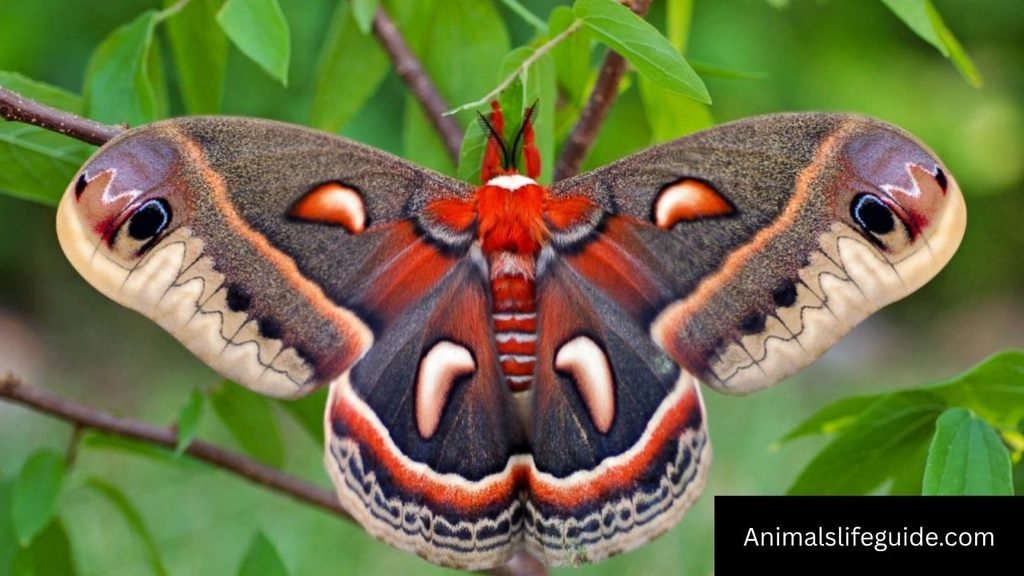
Furthermore, moths play a crucial role in pollination, especially in nocturnal flowers that rely on nighttime visitors to thrive. Some species, like the hawk moth, have specialized mouthparts that allow them to extract nectar from deep tubular blooms. This symbiotic relationship not only benefits the plants but also showcases the moth’s specialized evolutionary traits. By understanding these roles, we begin to appreciate the delicate balance of nature and the essential functions these underrated creatures fulfill. Each moth, with its quiet beauty and hidden talents, contributes to the rich tapestry of life on Earth, inviting us to look closer and recognize their significance in our world.
Puma
Scientific Name: Puma concolor
Class: Mammalia
Diet: Carnivorous
Pumas, often known as cougars or mountain lions, are not only one of the most versatile big cats in the Americas, but they also boast an impressive range of habitats — everything from dense forests to arid deserts. What sets them apart is their ability to adapt; pumas have been spotted at altitudes of over 14,000 feet in the Andes Mountains, showcasing their remarkable resilience and survival skills in diverse environments. Unlike many other big cats, pumas are solitary hunters, employing stealth and agility to stalk their prey, which primarily consists of deer, but can also include smaller mammals like rabbits and raccoons.
Intriguingly, pumas have a unique vocal repertoire that goes beyond the classic roar associated with big cats. They communicate using a range of sounds including chirps, growls, and hisses, and their iconic “scream” can be startlingly human-like, creating an eerie ambiance in the wilderness at night. These cats possess an extraordinary sense of vision and hearing, allowing them to hunt effectively under the cover of darkness. Current conservation efforts are crucial as puma populations face challenges due to habitat fragmentation and human encroachment, underscoring the importance of maintaining their ecological balance in diverse environments.
Swan
Scientific Name: Cygnus olor
Class: Aves
Diet: Herbivorous
Swans are not only known for their striking beauty but also for their intriguing behaviors and social structures. These birds are monogamous and often form lifelong bonds with their partners, engaging in synchronized swimming displays that are a spectacle of grace and unity. In fact, their courtship rituals can involve elaborate dances that not only strengthen pair bonds but also attract the attention of potential mates, showcasing the complexity of their social interactions.
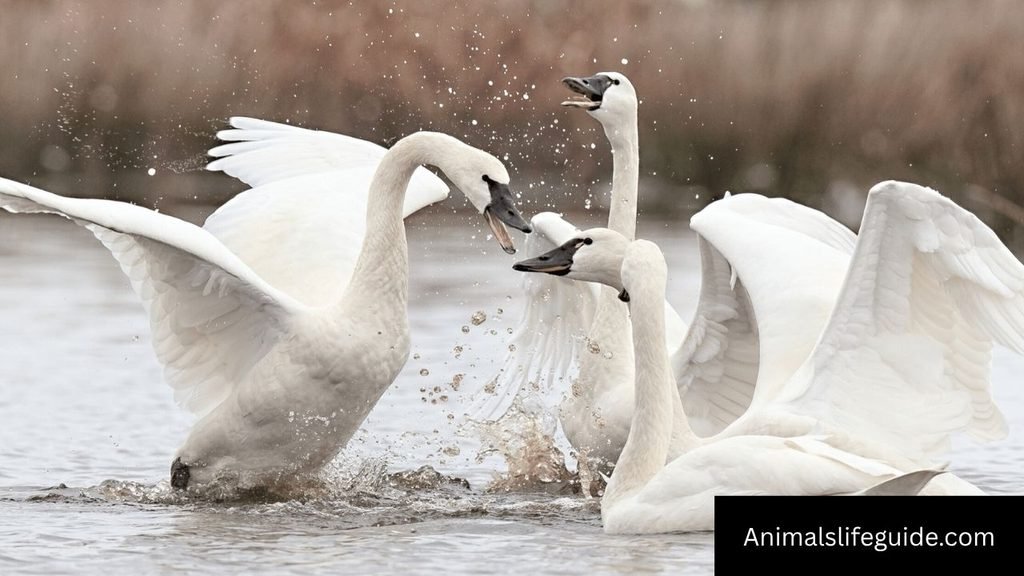
Beyond their romantic lives, swans are fascinating guardians of their young. Mute swans, for instance, are highly protective of their cygnets, often encircling them to shield them from predators. This instinctual behavior serves as a poignant reminder of the nurturing side of wildlife, as parents dedicate immense energy to ensuring the survival of their offspring. Moreover, swans can express a wide range of vocalizations, from the soft cooing of joy to loud honks of warning, highlighting their communicative sophistication and the importance of vocal dynamics in their social structures. This rich tapestry of behaviors illuminates the often-overlooked intelligence and emotional depth found in these elegant creatures.
Lion
Scientific Name: Panthera leo
Class: Mammalia
Diet: Carnivorous
Lions are often dubbed the “kings of the jungle,” but interestingly, they don’t actually reside in jungles at all; their preferred habitat is the savannah. Unlike most big cats, lions live in social groups called prides, which can include up to 30 individuals. This social structure allows them to take down larger prey, showcasing remarkable teamwork and cooperation. Male lions, with their distinctive manes, play a central role in protecting the pride, while the lionesses take charge of hunting and nurturing the cubs.
Another fascinating aspect of lions is their vocal communication. Their roars can be heard up to five miles away, serving as both a territorial claim and a way to maintain pride cohesion. Lions have unique social interactions; they engage in grooming and play, strengthening their bonds within the pride. Interestingly, the decline of lion populations in the wild has sparked numerous conservation efforts, highlighting the importance of preserving not just their existence but the ecosystems they inhabit. Understanding these majestic animals nuances our perception of them, revealing the complexities of their lives beyond the romanticized ideals.
Newt
Scientific Name: Lissotriton vulgaris
Class: Amphibia
Diet: Carnivorous
Newts, often overshadowed by their more popular amphibian cousins, possess some fascinating traits that set them apart. For instance, these charming creatures can regenerate lost limbs, tails, and even portions of their hearts and eyes. This regenerative ability is not just a biological marvel; researchers believe studying newts could unlock secrets to healing in humans, potentially revolutionizing medicine.
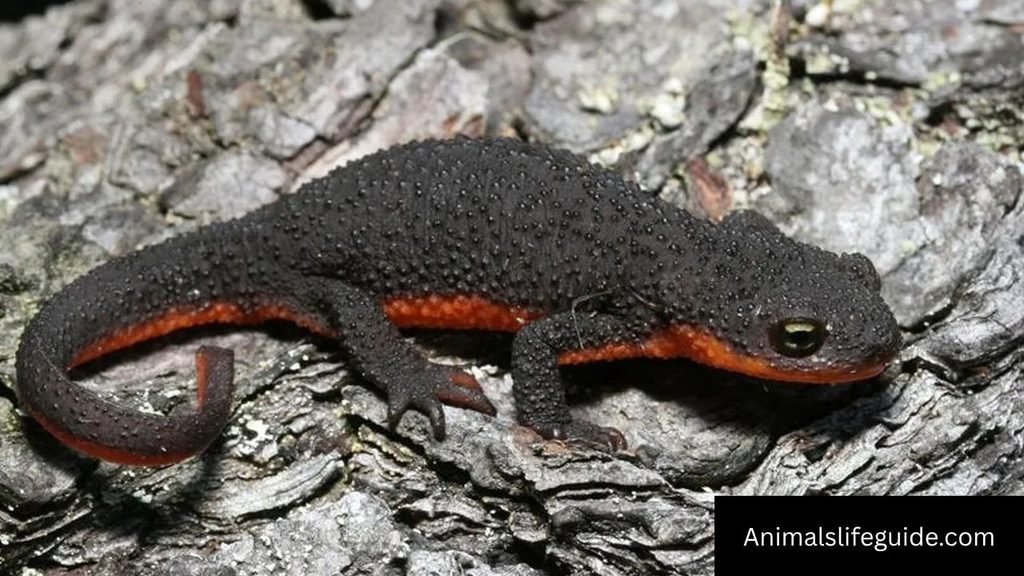
In addition to their regenerative prowess, newts undergo a remarkable transformation during their lifecycle. They start life as aquatic larvae, breathing underwater with gills, before metamorphosing into adults with lungs that allow them to venture onto land. This dual existence serves as a poignant reminder of the ever-adapting nature of life. Often found in damp habitats, newts also play a vital role in their ecosystems by keeping insect populations in check. With their enchanting qualities and environmental significance, newts remind us of the incredible diversity and resilience found in the animal kingdom.
Bass
Scientific Name: Micropterus salmoides
Class: Actinopterygii
Diet: Carnivorous
Bass are more than just popular game fish; they play a crucial role in their aquatic ecosystems. These versatile predators are known for their impressive adaptability, thriving in various freshwater environments, from lakes and rivers to brackish marshes. Interestingly, the two most recognized species, the largemouth and smallmouth bass, exhibit distinct feeding behaviors. The largemouth bass often relies on ambush tactics, lurking among vegetation, while the smallmouth bass is more of a pursuit predator, actively chasing down prey in open water.
Their social behavior offers another captivating dimension. Bass communicate through subtle body language and vibrations, which can influence their hunting success and mating rituals. In addition to this, their populations are intricately tied to their surroundings, making them indicators of ecological health. Interestingly, studies have shown that bass can alter their spawning times in response to temperature changes, highlighting their ability to adapt to climate variations — an intriguing aspect in the face of global warming. This resilience adds depth to their character, making bass not just targets for anglers but vital players in the intricate dance of aquatic life.
Worm
Scientific Name: Lumbricus terrestris
Class: Clitellata
Diet: Detritivorous
Worms, often overlooked in the grand tapestry of the animal kingdom, play a pivotal role in maintaining soil health and supporting ecosystems. These humble creatures are nature’s recyclers, breaking down organic matter and enriching the soil with essential nutrients. A mature earthworm can consume its body weight in soil each day, leaving behind nutrient-rich castings that promote plant growth. This process of decomposition not only nourishes the earth but also aids in water retention, making them unsung heroes in agriculture and gardening.
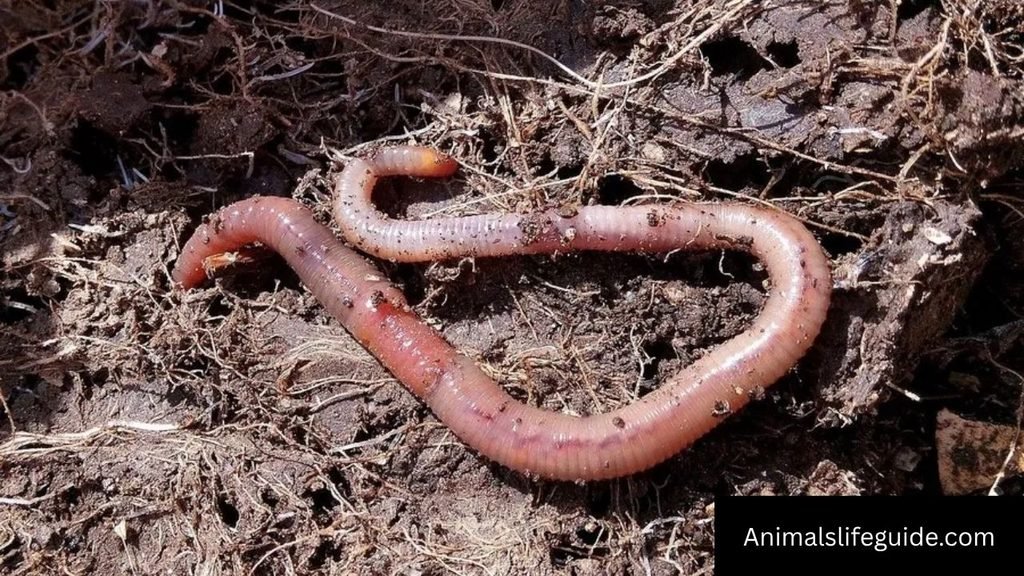
Interestingly, worms possess a remarkable regenerative ability; if cut in half, it’s a common myth that both halves will survive. In reality, only specific segments have the potential to regenerate, with the anterior fragment usually being the one to thrive. Their ability to sense chemical changes in their environment underscores their importance, as they react to pollutants, serving as bioindicators for soil health. With an innate sensitivity to vibrations, worms navigate through their subterranean realms, showcasing a level of awareness that challenges our perception of these seemingly simple organisms. This gentle yet industrious lifestyle invites us to reconsider their ecological significance and the intricate relationships they forge beneath our feet.
Gull
Scientific Name: Larus spp.
Class: Aves
Diet: Omnivorous
Gulls are often maligned as mere scavengers, yet their intelligence and adaptability reveal a much richer narrative. These avian opportunists possess remarkable problem-solving skills, often demonstrating the ability to use tools — a trait once thought exclusive to primates and some bird species like crows. In urban environments, they have learned to adapt to human behavior, utilizing their keen observational skills to snatch food crumbs or even raid picnic baskets, showcasing a unique ability to thrive in constantly changing landscapes.
Their vocalizations are another fascinating aspect of gull behavior. Beyond the stereotypical cries often associated with beach outings, gulls possess a complex system of calls that convey various messages, from distress warnings to signaling the presence of food. This intricate communication system highlights the social structure of gull colonies, where cooperation and hierarchy play crucial roles in survival. Furthermore, their migratory patterns are equally intriguing; some species embark on journeys across vast oceans, showcasing endurance and navigational prowess rarely seen in other bird species. In essence, gulls are far more than mere seaside companions; they embody a blend of intelligence, adaptability, and social complexity that merits a deeper appreciation.
Read More: Explore Top 30 Animals With 6 Letters.
Conclusion
Exploring the intriguing world of animals with four letters not only highlights the diversity of species around us but also captures our interest in the natural world. Each of these animals, from the clever crow to the graceful lion, plays a vital role in their ecosystems and teaches us valuable lessons about survival and adaptation.
Understanding these creatures can deepen our appreciation for wildlife and the intricate interconnections within nature. As we share our planet with these fascinating beings, it’s essential to raise awareness about their habitats and conservation needs. Let’s continue to learn about and protect the four-letter wonders that enrich our lives.