Top 30 Animals With 6 Letters (With Pictures)
From familiar pets to exotic creatures, the category of “Animals With 6 Letters” is more intriguing than it seems. In this article, we’ll explore a variety of these six-letter animals, revealing interesting facts and unique traits that might surprise you. By the end, you’ll not only impress your friends with your newfound knowledge but also understand why each of these creatures holds a special place in our ecosystem.
List of Animals With 6 Letters
Below is the list of animals with six letters:
- Wombat
- Oyster
- Parrot
- Gopher
- Marlin
- Weevil
- Turkey
- Dugong
- Spider
- Beluga
- Badger
- Peeper
- Turtle
- Shrimp
- Condor
- Weasel
- Osprey
- Goanna
- Beetle
- Rabbit
- Urchin
- Toucan
- Hornet
- Beaver
- Python
- Minnow
- Mayfly
- Iguana
- Walrus
- Bedbug
Wombat
Scientific Name: Vombatus ursinus
Class: Mammalia
Diet: Herbivore
Wombats, those endearing, stocky marsupials native to Australia, possess a unique characteristic that sets them apart from many other animals: their astonishing cube-shaped poop. This peculiar trait isn’t just a quirky detail; it serves a practical purpose. The distinct shape prevents the droppings from rolling away, marking their territory effectively in the rugged Australian landscape. This adaptation hints at the wombat’s evolutionary journey, showcasing how nature innovates for survival.
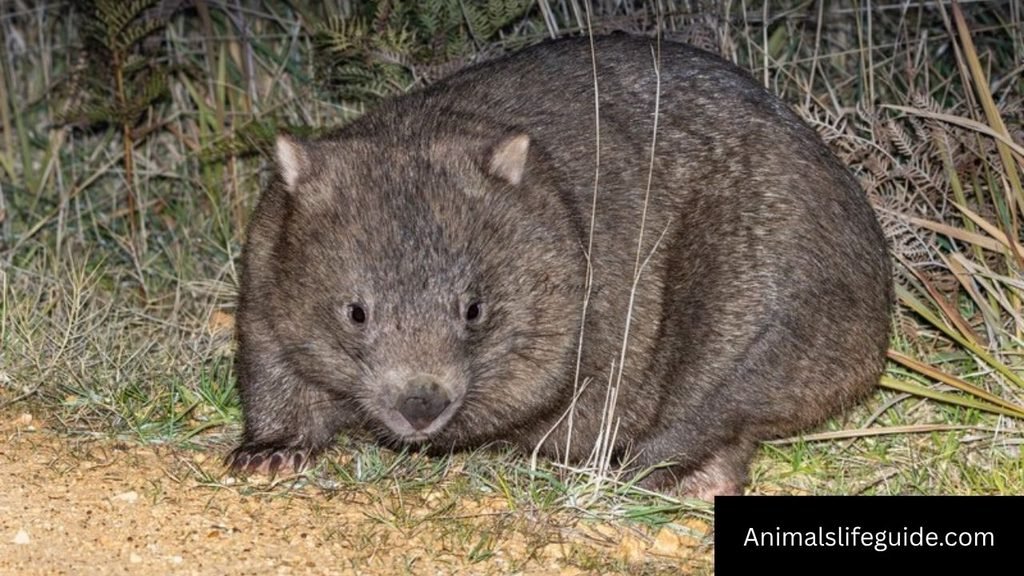
Beyond their droppings, wombats exhibit remarkable burrowing skills. Equipped with robust claws and a powerful build, they create extensive tunnel systems that can stretch over 100 meters. These underground homes not only provide safety from predators but also regulate temperature, offering a cool refuge during the scorching Australian summers. As social creatures, wombats often share these burrows, defying the common image of solitary wild animals. Observing their interactions reveals an unexpected complexity in their social structures, shining a light on the richness of life beneath the earth’s surface.
Oyster
Scientific Name: Crassostrea virginica
Class: Bivalvia
Diet: Filter feeder
Oysters are more than just a delicacy; they play a crucial role in their ecosystems. These bivalves act as natural water filters, capable of filtering up to 50 gallons of seawater per day. By doing so, they help maintain water quality and clarity, promoting a thriving marine environment. Their filtering process also aids in controlling algae blooms, which can be detrimental to aquatic life.
Interestingly, oysters are also known for their unique reproductive strategies. Most species are hermaphroditic, starting life as males and later transitioning to females as they mature. This adaptability not only maximizes their reproductive success but also ensures that the population can maintain itself in fluctuating environmental conditions. Moreover, the way oysters form pearls offers a fascinating glimpse into their biology; when an irritant enters their shells, they secrete layers of nacre to protect themselves, resulting in stunning, natural gemstones that have captivated humans for centuries.
Parrot
Scientific Name: Psittaciformes
Class: Aves
Diet: Omnivore
Parrots are among the most intelligent birds in the animal kingdom, known for their remarkable ability to mimic human speech and sounds from their environment. This vocal talent stems from their complex vocal organs and strong social instincts. In the wild, these vibrant creatures communicate through a variety of calls, assisting in flock coordination and predator alertness, showcasing an intricate social structure that resembles human communities in its dynamics.
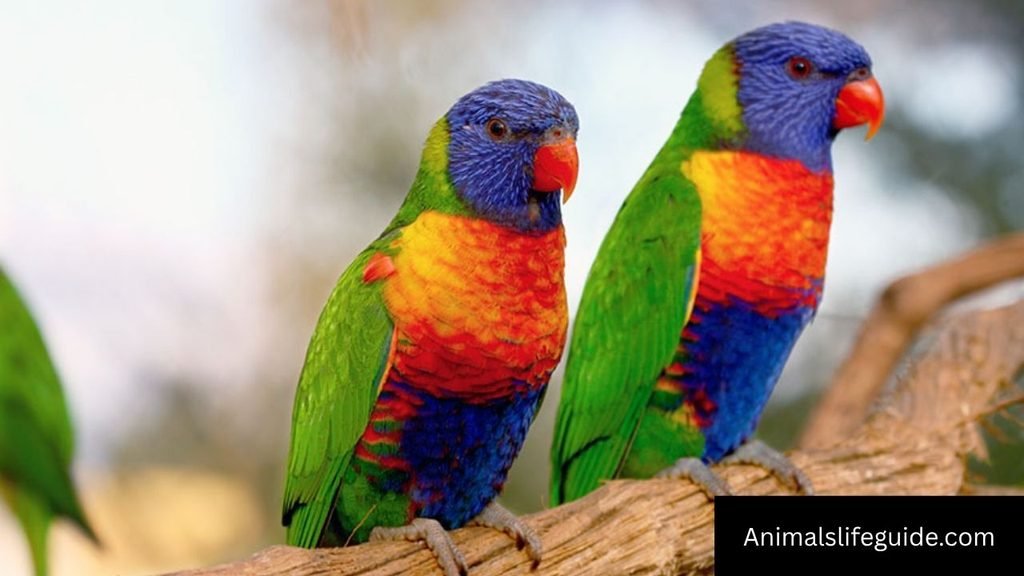
Beyond their linguistic prowess, parrots exhibit fascinating behaviors that reveal their problem-solving skills. Some species have been observed using tools, such as sticks to extract insects from tree bark or even bending leaves to create makeshift water receptacles. This adaptability is not merely instinctual but suggests a level of cognitive flexibility that researchers are eager to study further, raising questions about the nature of animal intelligence and its evolutionary advantages.
Moreover, many parrots have long lifespans, with some species living over 70 years in captivity. This longevity poses unique challenges and responsibilities for pet owners, as they must consider the long-term commitment required to provide a nurturing environment. The social needs of parrots are paramount; they thrive on interaction and companionship, often forming deep bonds with their human caregivers, which can be as profound as those found in our closest relationships.
Read More: Explore Top 12 Animals That Crawl.
Gopher
Scientific Name: Geomys bursarius
Class: Mammalia
Diet: Herbivore
Gophers are fascinating creatures that play a crucial role in their ecosystems, yet many people know little about them. These small, burrowing rodents possess powerful forelimbs equipped with sharp claws, designed for digging extensive tunnel systems that can span hundreds of feet. This underground architecture not only provides them shelter but also aerates the soil, facilitating the growth of plants and enhancing nutrient distribution.
Interestingly, gophers are not solitary; they often live in family groups, displaying social behaviors that challenge the notion of their reclusive nature. Their communication is remarkably complex, utilizing a series of chirps, growls, and even tail signals to coordinate with family members and warn of potential threats. As herbivores, their diet primarily consists of roots, tubers, and grasses, making them important for seed dispersal, which promotes plant diversity in their habitats. Understanding the role of gophers in soil health and plant systems not only enriches our appreciation for these small creatures but also highlights their importance in maintaining ecological balance.
Marlin
Scientific Name: Makaira nigricans
Class: Actinopterygii
Diet: Carnivore
Marlin, known for their impressive speed and striking appearance, are among the ocean’s most fascinating predators. These fish can reach speeds of up to 68 miles per hour, making them one of the fastest species in the Atlantic and Pacific Oceans. Their elongated bodies and sharp, pointed snouts, or “bills,” not only enhance their hydrodynamics but also serve as tools to slash through schools of fish, maximizing their hunting efficiency.
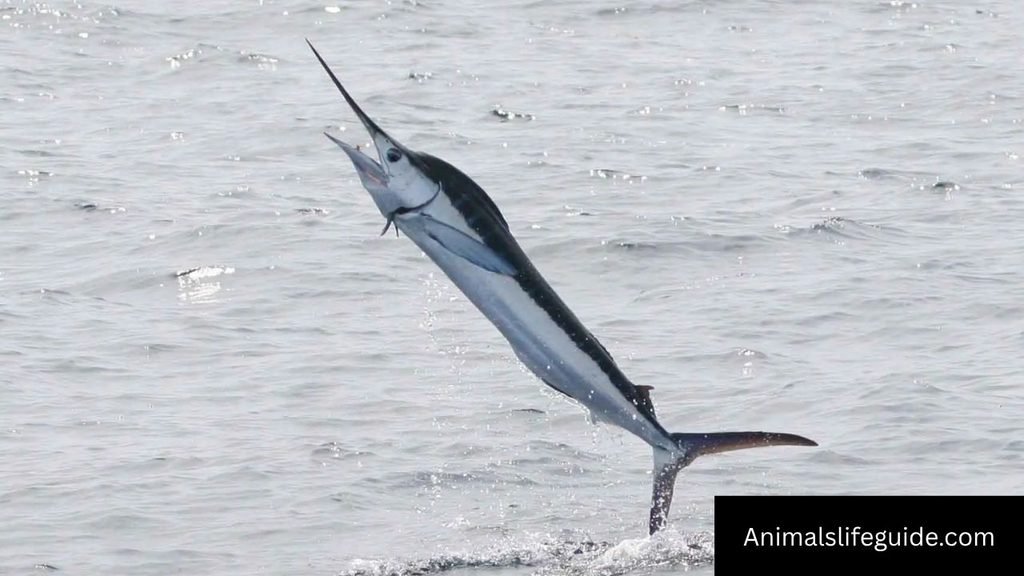
Another captivating aspect of marlin is their incredible migratory behavior. These fish travel thousands of miles annually, following prey and shifting currents, which underscores their adaptability in a constantly changing environment. Interestingly, marlin exhibit unique social structures; they are often solitary creatures except during spawning, where they gather in specific locations, exhibiting a fascinating interplay of strategy and instinct. Understanding these behaviors sheds light on the broader dynamics of marine ecosystems and highlights the importance of conserving their habitats amidst global changes.
Weevil
Scientific Name: Curculio spp.
Class: Insecta
Diet: Herbivore
Weevils, often overlooked in the grand tapestry of the insect world, are fascinating creatures with a host of unique adaptations. Distinguished by their elongated snouts, these tiny beetles play an essential role in various ecosystems. Some species, like the infamous rice weevil, have developed a keen ability to infiltrate food supplies, showcasing impressive evolutionary strategies that allow them to thrive in human-altered environments. Their resilience in changing habitats prompts a deeper reflection on how organisms adapt and survive amidst human encroachment.
Interestingly, weevils also engage in an intricate partnership with plants, where some species help with pollination while their larvae may reside within the seeds, forming a delicate balance of survival and growth. This dual role highlights their ecological significance beyond mere pests. Recent studies have uncovered that weevil species can exhibit fascinating variations in color and shape based on their habitat, shedding light on the influence of environment on evolutionary traits. Their stories remind us that the smallest creatures can have substantial impacts on biodiversity and agricultural practices, often unnoticed but profoundly influential.
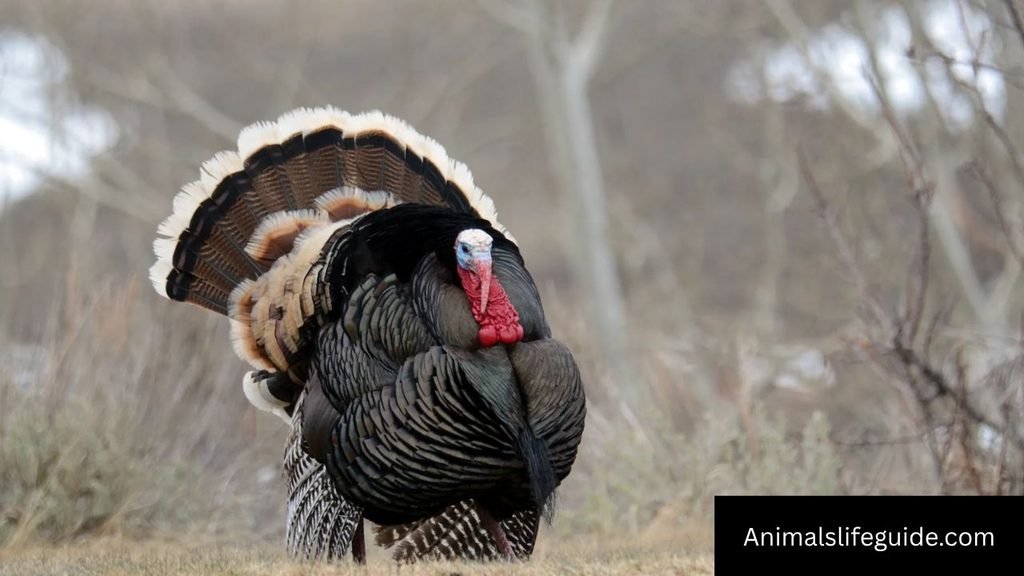
Turkey
Scientific Name: Meleagris gallopavo
Class: Aves
Diet: Omnivore
Dugong
Scientific Name: Dugong dugon
Class: Mammalia
Diet: Herbivore
Dugongs, often referred to as “sea cows,” are fascinating marine mammals that graze on seagrass beds in warm coastal waters. Unlike their close relatives, manatees, dugongs have a uniquely elongated body and a tail that resembles a fluke, making them adept swimmers. They can weigh up to 900 pounds and measure up to 10 feet in length, yet their gentle nature makes them enchanting to encounter in the wild.
These herbivorous mammals play a crucial role in maintaining the health of seagrass ecosystems, which are vital for biodiversity, carbon storage, and shoreline protection. Interestingly, dugongs have a long lifespan, often living over 70 years, and they exhibit a unique form of communication, using a range of sounds that are essential for social interaction. Sadly, they face threats from habitat loss, hunting, and climate change, emphasizing the urgent need for conservation efforts to protect this gentle marine grazer and its habitat. Understanding and appreciating dugongs can spark a greater appreciation for the delicate balance of marine ecosystems and the intricate web of life they support.
Spider
Scientific Name: Araneae
Class: Arachnida
Diet: Carnivore
Spiders are often misunderstood creatures, with many people holding an innate fear of these eight-legged wonders. Interestingly, they play an indispensable role in our ecosystem. A single spider can consume a staggering number of insects — up to 2,000 pests a year — thereby acting as a natural pest control agent. This ability not only helps maintain the balance in our environment but also contributes to agricultural health, reducing the need for chemical pesticides.
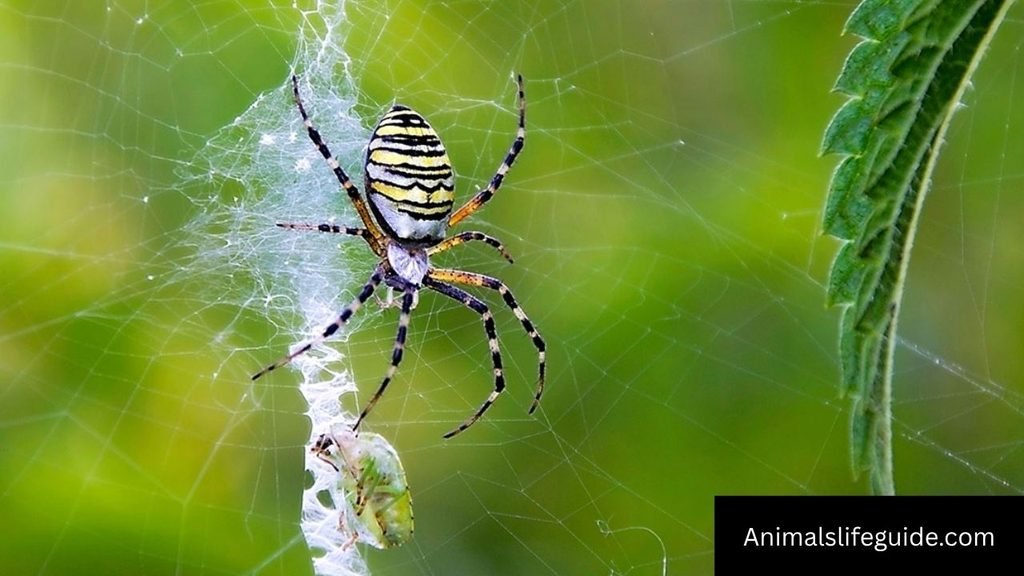
Moreover, the diversity among spider species is nothing short of astonishing. With over 48,000 documented species, spiders showcase a wide range of adaptations — from the intricate webs of orb-weavers to the cunning hunting strategies of wolf spiders. Their silk, celebrated for its remarkable strength and elasticity, has captivated scientists for years, leading to advances in biomimicry and potential applications in medicine, such as sutures and prosthetics. Understanding these fascinating creatures encourages a deeper appreciation for biodiversity and the intricate interconnections that support life on Earth.
Beluga
Scientific Name: Delphinapterus leucas
Class: Mammalia
Diet: Carnivore
Belugas, often called the “canaries of the sea,” are renowned for their melodic vocalizations, which can include clicks, whistles, and even complex songs. These unique sounds are not just for communication; they play a crucial role in navigating their icy Arctic habitats using echolocation. While they are easily recognizable due to their white skin and rounded foreheads, belugas exhibit an astonishing range of behaviors — from social bonding within pods to playful antics that resemble those of dolphins.
One captivating aspect of belugas is their remarkable adaptability to icy environments. Unlike many marine mammals, they can tolerate freezing waters by migrating to areas with open water, using their highly developed social structures to protect their young during harsh winters. Furthermore, their skin can change color slightly with temperature fluctuations, offering them a unique form of camouflage in the ever-shifting Arctic landscape. This ability, combined with their friendly nature, makes belugas not only fascinating creatures but also indicators of the health of the marine ecosystem.
Badger
Scientific Name: Meles meles
Class: Mammalia
Diet: Omnivore
Badgers are fascinating creatures that often go unnoticed in the shadows of their habitats. Often associated with the nocturnal lifestyle, these tenacious animals are known for their remarkable digging abilities, creating intricate tunnel systems that can stretch over 300 feet. Their impressive burrowing skills not only provide shelter from predators but also serve as a complex network to store food and raise their young.

Socially adept, badgers live in family groups called clans, where they maintain strong bonds and communicate using a variety of sounds, from growls to screams. What’s particularly intriguing is their role as “ecosystem engineers.” By digging and turning over soil, they contribute significantly to soil health, promoting vegetation growth and enhancing biodiversity. Badgers may be small, but their impact on the environment is anything but insignificant, showcasing their vital role in maintaining the delicate balance of their ecosystems.
Peeper
Class: Amphibia
Diet: Carnivore
The Peeper, or *Pseudacris crucifer*, is a small frog famous for its distinctive, melodic calls heralding the arrival of spring. These tiny amphibians, typically just 1 to 1.5 inches long, are often found near ponds and wetlands, where they thrive in both forested and grassy areas. Interestingly, their calls can reach up to 100 decibels, drawing attention from both potential mates and curious onlookers. This vocal prowess is crucial during breeding season, as males compete to showcase their fitness and attract females.
What sets the Peeper apart is its remarkable ability to survive harsh winters. As temperatures plunge, these frogs employ a unique survival strategy: they freeze without actually dying. Their bodies enter a state of hibernation, and special proteins prevent their cells from ice formation. This extraordinary adaptation not only fascinates scientists but also highlights the resilience of life in fluctuating climates. Observing these charming creatures in their natural habitat reminds us of the intricate connections within ecosystems and the role every species plays in sustaining biodiversity.
Turtle
Scientific Name: Testudines
Class: Reptilia
Turtles are remarkable creatures, distinguished not only by their slow movements but also by their unique adaptations. One fascinating fact is their ability to breathe through their bottoms, a process known as cloacal respiration. This adaptation allows turtles to absorb oxygen while submerged, which is especially beneficial for species that spend prolonged periods underwater, like the Australian Fitzroy river turtle.
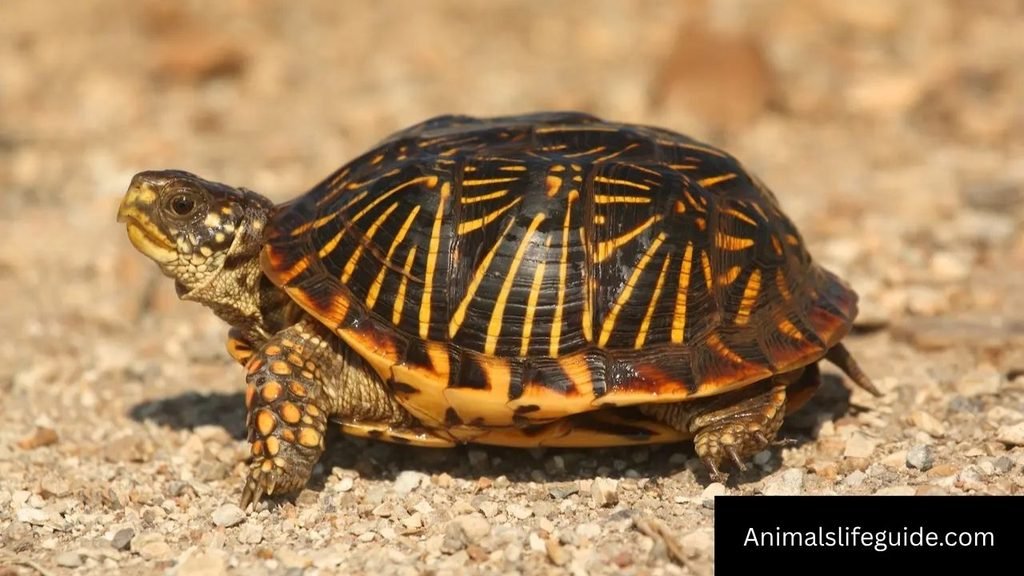
Moreover, turtles have been wandering the Earth for over 220 million years, making them one of the planet’s oldest living reptiles. Their ancient lineage has granted them incredible survival skills, including an impressive ability to go without food for several months. Some species can even lower their metabolic rates drastically, allowing them to endure harsh environmental conditions. These adaptations highlight not just their resilience but also the intricate balance they maintain with their ecosystems, emphasizing the need for conservation efforts to protect these living relics of the past.
Shrimp
Scientific Name: Caridea
Class: Malacostraca
Diet: Omnivore
Shrimp are not just a popular seafood choice; they are fascinating creatures with unique characteristics that often go unnoticed. For instance, many shrimp possess the ability to bioluminesce, emitting a soft glow due to the presence of specialized proteins. This natural light can serve various purposes, such as attracting mates or deterring predators in the dark depths of the ocean. Moreover, shrimp have an extraordinary swimming technique involving their tails — by rapidly flexing them, they can propel themselves backward in a flash, making quick escapes from potential threats.
Another intriguing aspect of shrimp is their complex social behavior. Certain species, like the mantis shrimp, engage in intricate communication through color patterns displayed on their shells, which correspond to a range of moods and intentions. This ability to signal can be essential in maintaining their hierarchical structures within colonies. Moreover, shrimp play a crucial ecological role in their habitats, acting as scavengers that help keep the ocean floor clean by consuming organic debris and waste. With over 2,000 species already identified, shrimp’s diversity offers a glimpse into the intricate tapestry of marine life, each species contributing uniquely to their environment.
Condor
Scientific Name: Vultur gryphus
Class: Aves
Diet: Carnivore/scavenger
The condor, particularly the California condor, stands as a marvel of avian evolution, boasting a wingspan that can exceed 9.5 feet. This massive bird is not just defined by its size; it plays an essential role in its ecosystem as a scavenger, helping to keep environments clean by consuming carrion. Unfortunately, the California condor has faced severe population declines due to habitat loss and lead poisoning, making its recovery a poignant tale of conservation effort.
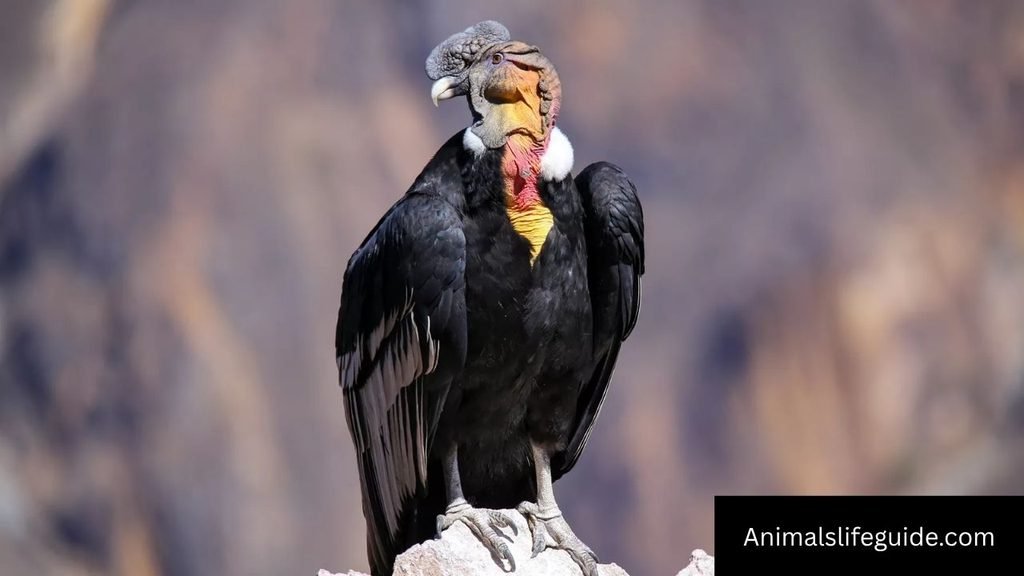
Interestingly, condors have an unusual social structure, often forming lifelong pair bonds with their mate. They are highly intelligent birds, exhibiting problem-solving skills that allow them to navigate their complex habitats. Their sense of smell is surprisingly acute among birds, which aids them in locating food over vast distances. As they soar gracefully on thermal updrafts, condors serve as powerful symbols of the wild, reminding us of the delicate balance between nature and human impact. Observing these majestic creatures can inspire a deeper appreciation for biodiversity and the importance of protecting the vulnerable species that share our planet.
Weasel
Scientific Name: Mustela nivalis
Class: Mammalia
Diet: Carnivore
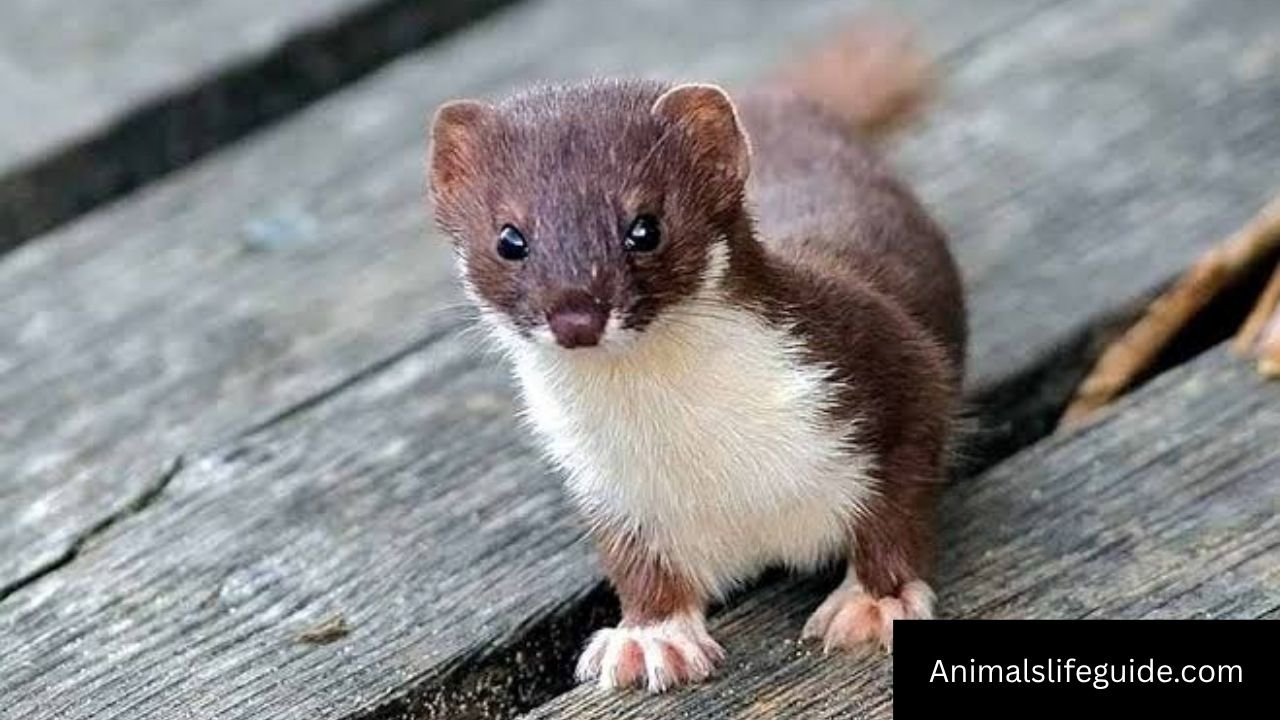
Weasels are fascinating creatures with an impressive range of adaptations that often go unnoticed. Known for their slender bodies and inquisitive nature, these small mammals belong to the Mustelidae family, which also includes otters and ferrets. One remarkable aspect of their biology is their ability to change coats with the seasons. In colder regions, weasels transform from brown to white fur, a stunning adaptation that helps them blend into snowy landscapes, enhancing their stealth while hunting.
Beyond their physical attributes, weasels exhibit remarkable hunting skills that showcase their agility and determination. They can take down prey much larger than themselves, thanks to their swift speed and quick reflexes. This predatory prowess isn’t just for survival; it plays a crucial role in controlling rodent populations, making weasels unsung heroes in many ecosystems. Interestingly, their sharp instincts and high metabolic rates mean they must consume up to 40% of their body weight daily, leading to a highly active lifestyle that adds a layer of drama to their existence — the constant quest for food in their often harsh environments.
Osprey
Scientific Name: Pandion haliaetus
Class: Aves
Diet: Carnivore
The osprey, often dubbed the “fish hawk,” is a remarkable raptor renowned for its incredible hunting prowess. Unique among birds of prey, ospreys have specialized feet equipped with barbed talons, allowing them to grasp slippery fish with astonishing precision. Their vision is equally impressive; these birds can spot fish from heights up to 100 feet, demonstrating a remarkable ability to detect movement in water. This keen eyesight is coupled with a superb diving technique, where they plunge foot-first into the water to capture their prey, sometimes creating a spectacular splash that can be quite a sight.
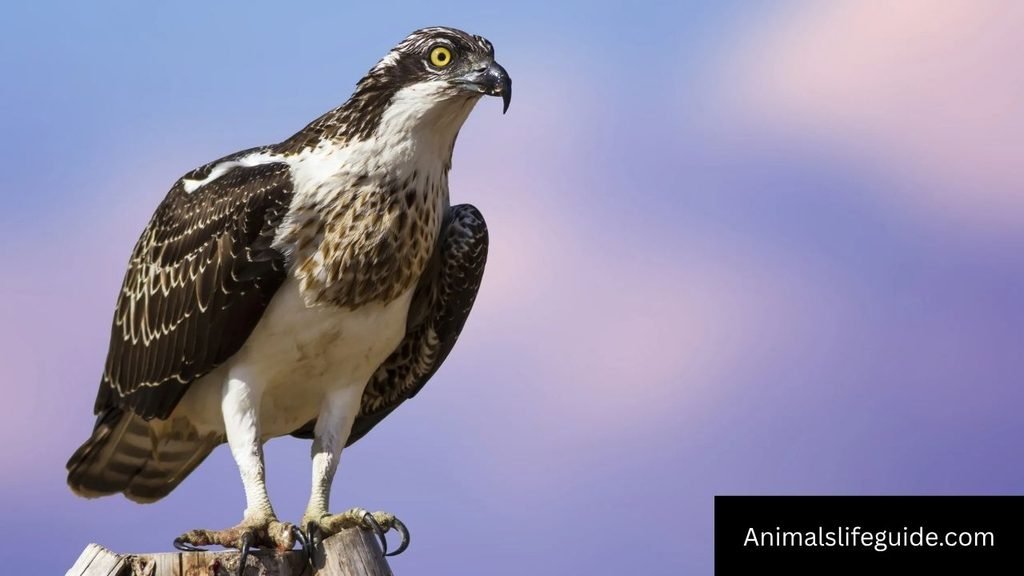
Interestingly, ospreys are also known for their impressive migratory patterns. Each year, they embark on long journeys, flying up to 160 miles a day between their breeding and wintering grounds, often covering distances that can exceed 3,000 miles. During this journey, ospreys take advantage of thermal updrafts, allowing them to soar effortlessly without expending excessive energy. Furthermore, their loyalty to nesting sites is noteworthy; many ospreys return to the same nest year after year, showcasing a blend of strong territorial instincts and a remarkable relationship with their environment.
Goanna
Scientific Name: Varanus spp.
Class: Reptilia
Diet: Carnivore/omnivore
Goannas, or monitor lizards, are fascinating reptiles native to Australia and nearby islands, showcasing a remarkable adaptability to various environments. Known for their keen sense of smell, these lizards use their forked tongues to detect scents in the air, much like snakes do. This olfactory prowess allows them to hunt efficiently, primarily preying on insects, small mammals, and even birds. Moreover, their sharp claws and strong limbs enable them to scale trees and dig into the ground, expanding their foraging territory.
While often misunderstood, goannas play a vital role in their ecosystems as both predators and scavengers. They help control populations of their prey and contribute to nutrient cycling by consuming carrion. Interestingly, goannas exhibit a unique behavior known as “basking,” where they absorb sunlight to regulate their body temperature — an essential practice for reptiles cold-blooded by nature. This ritual not only enhances their endurance but also adds a layer of intrigue to their daily lives, as they often engage in social interactions with other goannas during these sun-soaking sessions. By understanding these remarkable behaviors, we can appreciate the complexity and ecological significance of goannas beyond their somewhat intimidating appearance.
Beetle
Scientific Name: Coleoptera
Class: Insecta
Beetles are the champions of diversity in the animal kingdom, with over 350,000 known species, making them the largest order of insects — Coleoptera. One fascinating aspect of beetles is their unique exoskeleton, which offers both protection and a remarkable means of adaptation. Some species can even “play dead” or feign unappetizing tastes to evade predators. Iridescence is also common among certain beetles, attributed to microscopic structures that reflect light in captivating ways; these displays aren’t just for show but can serve crucial roles in communication and mating.
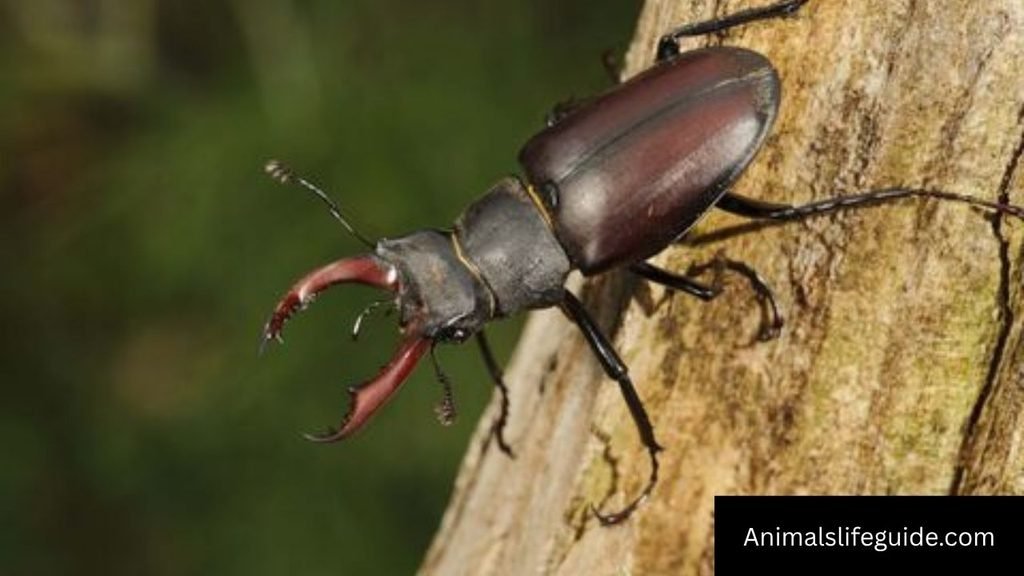
An intriguing relationship exists between beetles and fungi, particularly within the intriguing group known as bark beetles. These tiny creatures can carry fungal spores that help decompose wood, feeding on the very trees they infest while simultaneously aiding in nutrient cycling within forest ecosystems. Beetles aren’t just secluded denizens of the forest floor; some possess astonishing flight capabilities that allow them to travel vast distances — ideal for those searching for mate or fresh resources. Their ability to thrive in diverse environments, from deserts to rainforests, showcases their evolutionary success and resilience, proving that these often-overlooked insects play a vital role in their ecosystems.
Rabbit
Scientific Name: Oryctolagus cuniculus
Class: Mammalia
Diet: Herbivore
Rabbits are fascinating creatures with a rich array of adaptations that make them unique in the animal kingdom. Contrary to popular belief, they are not rodents; they belong to the order Lagomorpha, which also includes hares and pikas. A key feature that distinguishes rabbits from other animals is their four incisors, which continuously grow throughout their lives, necessitating constant chewing to wear them down. This dietary requirement drives them to consume large quantities of fibrous materials, such as hay and leafy greens, which are vital for their health.
Another captivating aspect of rabbits is their social behavior. In the wild, they live in complex burrow systems known as warrens, where they create a community dynamic that enhances survival against predators. Their communication style is equally intriguing; they use a variety of vocalizations, body movements, and even thumping their hind legs to signal danger. Rabbits are known to exhibit playful behaviors, such as binkying — leaping into the air with a twist — demonstrating their joyful nature. Understanding these social nuances invites a greater appreciation for their role in ecosystems as both prey and an integral part of maintaining plant life through their foraging habits.
Urchin
Class: Echinoidea
Diet: Herbivore/omnivore
Urchins are fascinating marine creatures that challenge our perceptions about beauty and survival in the ocean. With over 900 species to explore, these spiny residents of the sea come in a variety of shapes and colors, from the iconic purple sea urchin to the less common red and green varieties. Often overlooked in favor of more charismatic marine life, urchins play a crucial role in their ecosystems by grazing on kelp and algae, which helps maintain the balance within their underwater environments.
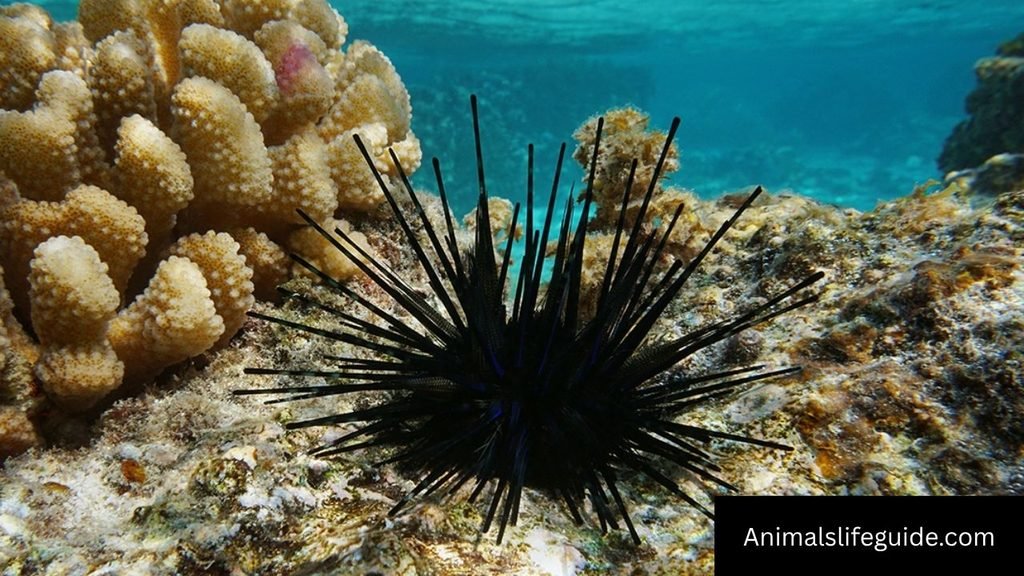
Moreover, urchins possess a unique feeding mechanism known as Aristotle’s lantern, a complex structure of jaws and supporting teeth that enables them to scrape food off surfaces. This adaptation highlights their evolutionary success, allowing them to thrive in diverse habitats, from rocky shores to deep-sea trenches. Interestingly, urchins also have a remarkable ability to regenerate lost body parts, showcasing nature’s ingenuity and resilience. Their captivating life cycle, which includes a free-swimming larval stage, adds another layer of wonder, bridging the gap between sedentary adults and their planktonic beginnings. In essence, urchins not only contribute to the biodiversity of our oceans but also serve as a reminder of the intricate and astonishing web of life that thrives beneath the waves.
Toucan
Scientific Name: Ramphastos toco
Class: Aves
Diet: Omnivore
Toucan beaks are some of the most distinctive in the animal kingdom, often mistaken for being heavy due to their size. In reality, they are lightweight and largely hollow, allowing these vibrant birds to navigate their tropical rainforest habitats with ease. The beak’s vivid colors serve a dual purpose: they attract potential mates and help with thermoregulation, as the large surface area helps dissipate excess body heat.
Contrary to popular belief, toucans are not just fruit eaters. While they do have a penchant for berries and other fruits, their diet includes insects, small reptiles, and even eggs, showcasing their adaptability. Their unique hunting technique involves using their long beaks to extract food from hard-to-reach places, such as inside tree hollows or among dense foliage. In their social groups, toucans engage in mutual grooming and play, highlighting their intelligence and complex social structures. Seeing them interact often unveils a surprising level of emotional depth and bonding among these striking birds, challenging the notion that all avian species are solitary.
Hornet
Scientific Name: Vespa spp.
Class: Insecta
Diet: Omnivore
Hornets, often misunderstood due to their fearsome reputation, play a crucial role in maintaining ecological balance. These social wasps not only help with pollination but also act as natural pest controllers. By preying on various insects, hornets contribute to reducing pest populations, which can benefit agricultural environments significantly. Their efficiency as hunters is notable; a single hornet can catch and consume dozens of smaller insects in a single day.
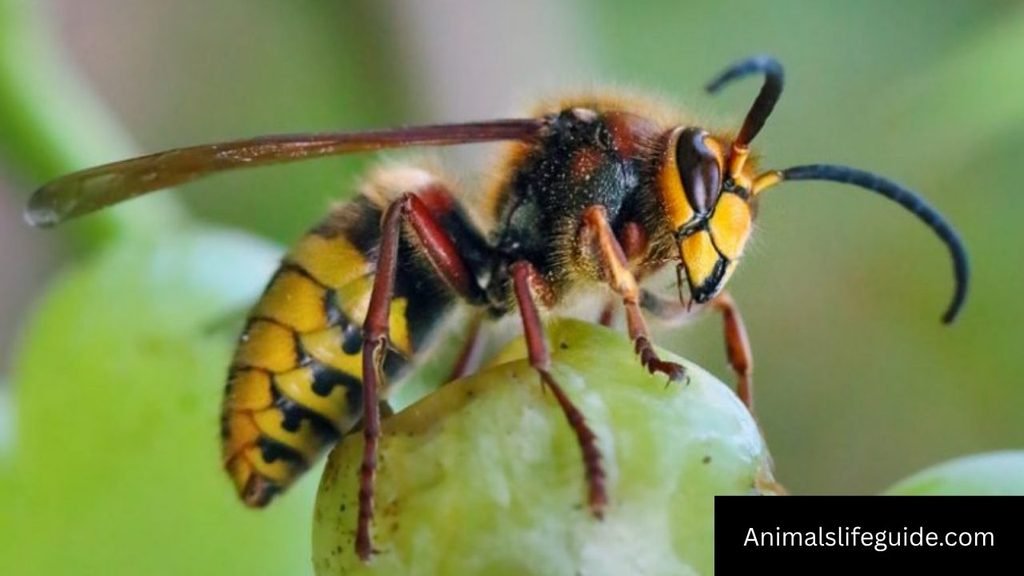
Despite their formidable appearance, hornets exhibit fascinating social structures. A colony can consist of thousands of individuals, each performing specific roles, from workers to drones and queens. Their communication skills are equally impressive, utilizing pheromones and intricate dances to convey messages about food sources and potential threats. Interestingly, studies have shown that hornet venom, long feared, holds potential for medical uses, particularly in pain management and combating certain infections. This unique blend of efficiency and societal complexity challenges our perceptions of these creatures, urging us to appreciate their essential roles in both nature and human health.
Beaver
Scientific Name: Castor canadensis
Class: Mammalia
Diet: Herbivore
Beavers are truly nature’s architects, known for their remarkable ability to manipulate landscapes to suit their needs. They construct dams using branches, mud, and stones, creating ponds that not only provide shelter but also serve as vital habitats for numerous other species. These wetlands increase biodiversity and purify water, highlighting beavers’ role as ecosystem engineers. A single beaver can alter its environment significantly, proving that even small creatures can have a profound impact on the world around them.
Interestingly, beavers are monogamous creatures, often forming lifelong bonds with their mates. Families are tight-knit, with young kits remaining with the parents for up to two years, assisting in dam construction and food gathering. This cooperative behavior enhances their survival and strengthens family ties. Moreover, beavers have a unique adaptation; their back teeth are specially designed to chisel through wood efficiently, making them adept at felling trees with precision. Their incredible ability to thrive in various environments showcases not only their adaptability but also their essential role in maintaining ecological balance.
Python
Scientific Name: Pythonidae
Class: Reptilia
Diet: Carnivore
Pythons are fascinating creatures that can reach impressive lengths, with some species like the reticulated python stretching up to 20 feet or more. They are primarily non-venomous constrictors, relying on their powerful muscles to subdue prey by wrapping around it until it suffocates. This unique hunting method creates a mesmerizing spectacle that showcases their strength and patience, as pythons often stay hidden for hours, waiting for the perfect moment to strike.
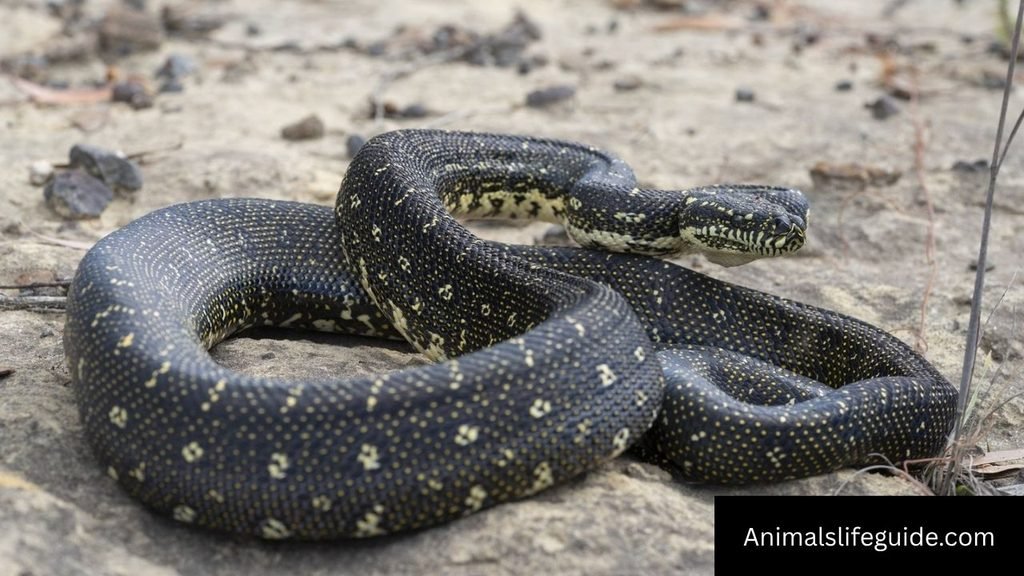
Their adaptability to different habitats is also remarkable — pythons can thrive in diverse environments, from tropical forests to grasslands and even in urban areas. Unlike many other snakes, pythons are excellent swimmers, often found lurking near bodies of water. Furthermore, their ability to sense heat through specialized pits near their mouths allows them to detect warm-blooded prey, offering an edge in the hunt. This combination of stealth, strength, and adaptability makes the python not just a predator but a master of survival in the animal kingdom.
Minnow
Scientific Name: Cyprinidae
Class: Actinopterygii
Diet: Omnivore
Minnows, often overlooked in the vast world of aquatic life, are fascinating creatures that play a crucial role in their ecosystems. These small fish, typically measuring only a few inches in length, are crucial for maintaining ecological balance in freshwater habitats. They serve as a primary food source for larger fish, birds, and other wildlife, making their presence vital for sustaining biodiversity. Interestingly, minnows are not just a single species but a category that encompasses various small-bodied fish, including the popular baitfish, the fathead minnow, and the elegant golden shiner.
One intriguing aspect of minnows is their social behavior. They thrive in schools, often consisting of hundreds of individuals that move in synchrony, a strategy that offers protection against predators. This schooling behavior is not only captivating to observe but also serves as a powerful defense mechanism; when a predator strikes, the sheer number and quick movement of the school can confuse and mislead it. Moreover, female minnows exhibit intriguing reproductive strategies, including laying thousands of eggs in a single spawning event, ensuring that at least some survive to adulthood despite the many challenges they face in their environment. The interplay of survival, social dynamics, and reproductive strategies makes minnows an essential, albeit underestimated, component of aquatic ecosystems, deserving of greater appreciation.
Mayfly
Scientific Name: Ephemeroptera
Class: Insecta
Mayflies are often referred to as “one-day insects” due to their incredibly brief adult lifespan, which can range from mere hours to a couple of days. This ephemeral existence is a striking reminder of nature’s fleeting beauty, as their primary purpose during this short period is to mate and lay eggs. Some species showcase breathtaking swarms, creating mesmerizing clouds of delicate wings that dance in the air, captivating both humans and predators alike.
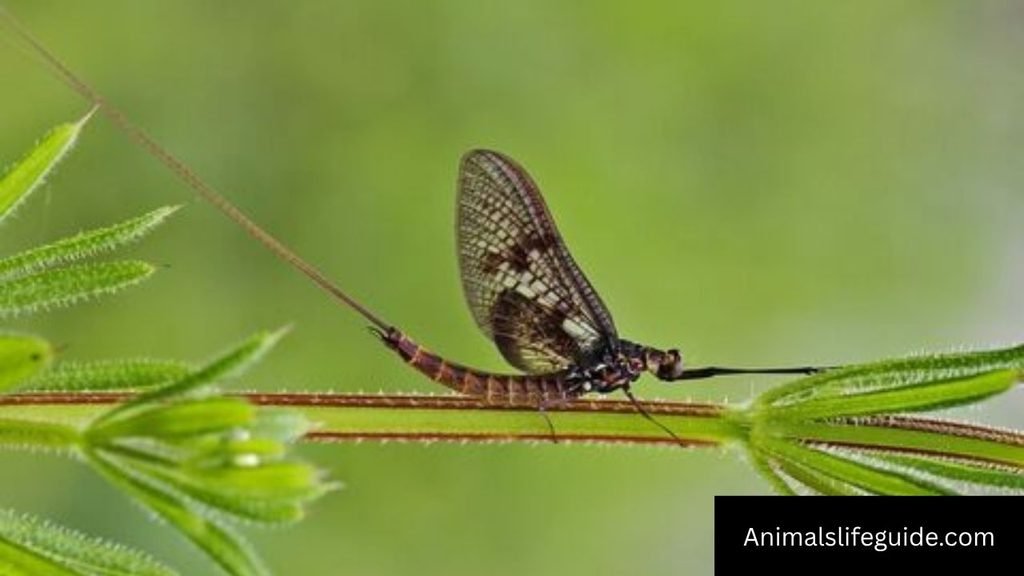
Interestingly, mayflies have a unique life cycle that spans several years in their nymph stage, thriving in freshwater ecosystems. This extended larval phase allows them to accumulate energy reserves that will support their fleeting adult life. They serve a vital role in the food chain, providing nourishment for fish and birds, thereby sustaining aquatic ecosystems. Furthermore, mayfly nymphs are excellent indicators of water quality; their presence often signifies a healthy environment.
Iguana
Scientific Name: Iguana iguana
Class: Reptilia
Diet: Herbivore
Iguanas are remarkable reptiles with a fascinating ability to adapt to various environments, ranging from the rainforests of Central and South America to the urban landscapes of the Caribbean. One striking feature is their impressive color diversity; while many are known for their vibrant green hues, others sport stunning blue, red, or even multicolored patterns due to the interplay of genetics and environmental factors. This remarkable ability to change shades is not just for show; it serves critical functions in communication and thermoregulation, helping iguanas to blend into their surroundings or assert their dominance.
Moreover, iguanas boast a unique physiological trait: their ability to perceive ultraviolet light, which allows them to detect predators and navigate their habitats more effectively. This heightened visual capability plays a significant role in their foraging habits, as they seek out the leaves and flowers that make up 95% of their diet. Interestingly, iguanas also have a special adaptation called a “dewlap,” a flap of skin under their throats that they can expand or contract. This not only helps in regulating body temperature but is also a key component of their social interactions, used during mating rituals or territorial disputes. The more you learn about iguanas, the more you realize how these seemingly laid-back creatures embody the intricate dance of life in their ecosystems.
Walrus
Scientific Name: Odobenus rosmarus
Class: Mammalia
Diet: Carnivore
The walrus, with its impressive tusks and blubbery physique, is more than just a charismatic marine mammal. These fascinating creatures can weigh up to 1,500 pounds and are known for their unique social structures, often forming large herds. Interestingly, walruses communicate using a wide range of vocalizations, from bell-like sounds to deep bellowing, which enhances their social bonds and plays a vital role in their group dynamics.
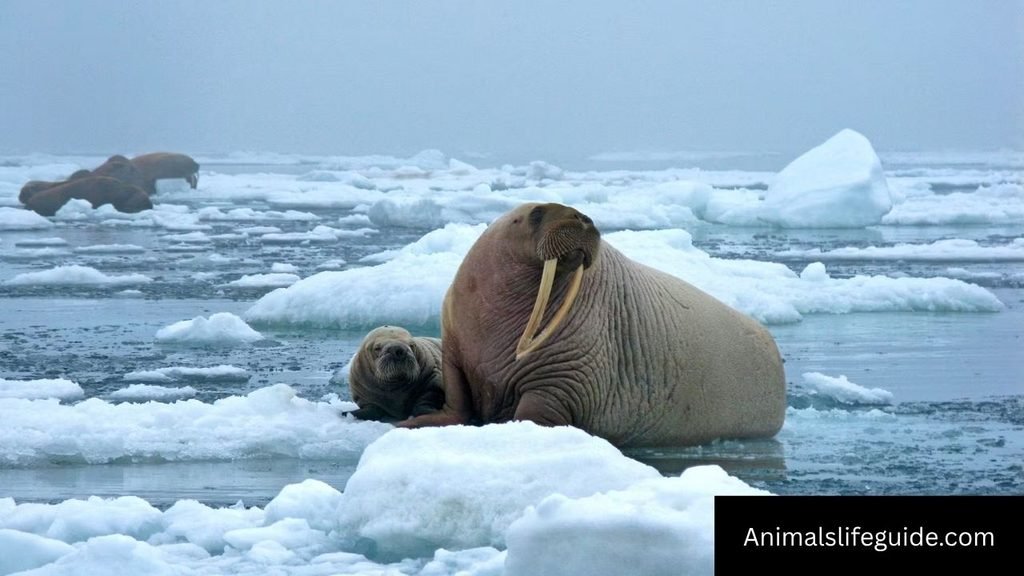
What truly sets walruses apart is their remarkable adaptability to their icy habitats. Their tusks, which can grow up to three feet long, are not just for show; they help in hauling their massive bodies out of the water and serve as tools for breaking through sea ice. Moreover, walruses have a special layer of blubber that provides insulation against freezing temperatures, allowing them to thrive in polar environments. However, as climate change alters their habitats, these incredible mammals face significant threats, making their conservation a pressing concern for our oceans.
Bedbug
Scientific Name: Cimex lectularius
Class: Insecta
Diet: Blood feeder
Bedbugs, often regarded as mere nuisances, possess a fascinating biology that sets them apart from other insects. These small, nocturnal creatures can survive for months without feeding, allowing them to remain dormant in the crevices of furniture or walls. Their ability to withstand extreme temperatures, both heat and cold, speaks to their resilience, making eradication a challenge for many. Interestingly, bedbugs are not known to transmit diseases, yet their bites can lead to intense itching and discomfort, often leaving us with more than just physical scars.
Moreover, their unique mating process, known as “traumatic insemination,” adds a peculiar twist to their reproduction. In this process, males pierce the female’s abdomen to directly deposit sperm, a practice that sounds brutal yet is surprisingly common among bedbug populations. These critters also emit pheromones to communicate, marking territory and attracting mates, which adds another layer to their complex social lives. As we unearth more about bedbugs, we realize they are not just pesky parasites but rather intricate organisms with survival strategies honed through millions of years of evolution.
Read More: Explore Top 15 Animals With Good Memory.
Conclusion
Animals with six letters offer a captivating glimpse into the rich tapestry of biodiversity. Each of these species, whether it’s the agile rabbit or the vibrant parrot, plays a crucial role in its habitat. By understanding and recognizing these creatures, we foster a deeper connection with the environment and the importance of preserving it. This awareness can motivate us to contribute to wildlife conservation in meaningful ways. Let’s commit to learning more about these animals and supporting efforts that protect their homes for future generations!